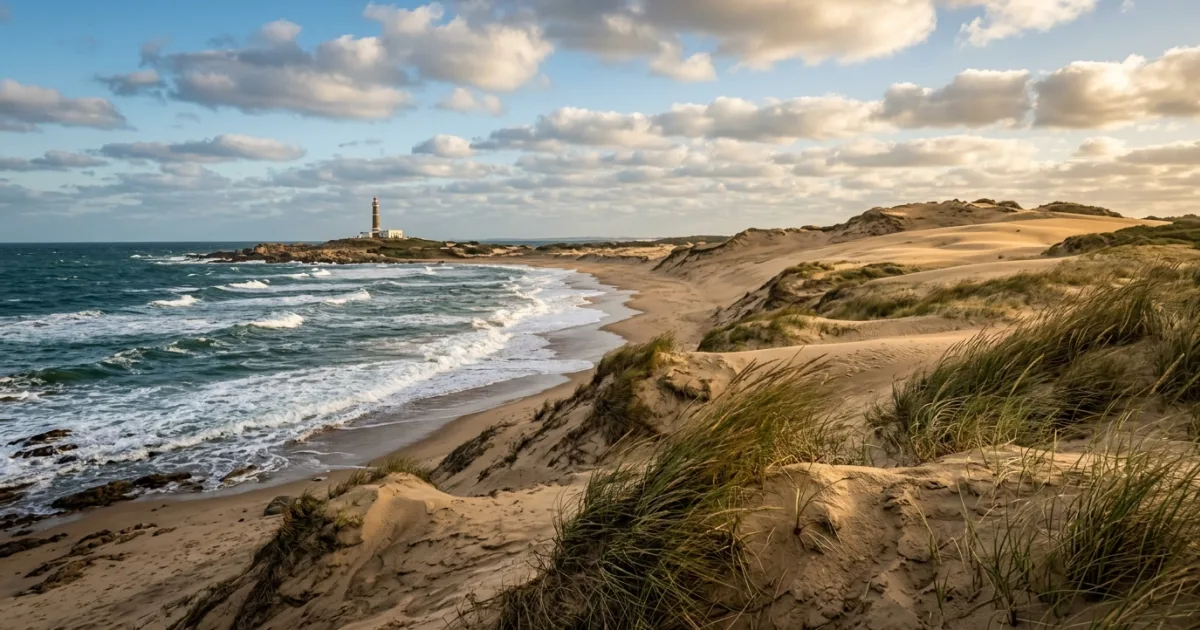
Rocha Department occupies Uruguay’s untamed eastern oceanfront, bordered by the Atlantic Ocean, Laguna Merín, and the Brazilian frontier. Unlike the high-rise resorts of neighboring Maldonado, Rocha preserves an unpretentious maritime heritage defined by open horizons, protected biosphere reserves, and rustic wooden hamlets that draw artists, nature lovers, and surfers.
Key landmarks include the vehicle-free dunes and seal colony of Cabo Polonio, the bohemian fishing village of Punta del Diablo, and the extensive coastal forest of Santa Teresa National Park, home to an 18th-century stone fortress. With protected lagoons such as Laguna de Rocha serving as essential breeding grounds for flamingos and migratory birds, Rocha delivers one of South America's premier low-impact ecotourism environments.
Reasons to Visit
- Vast, uncrowded white sand beaches and consistent Atlantic surf breaks.
- The off-grid wilderness and massive sea lion sanctuary of Cabo Polonio.
- Rich military history at the preserved 18th-century Santa Teresa Fortress.
- Abundant birdwatching at protected Ramsar coastal lagoons like Laguna de Rocha.
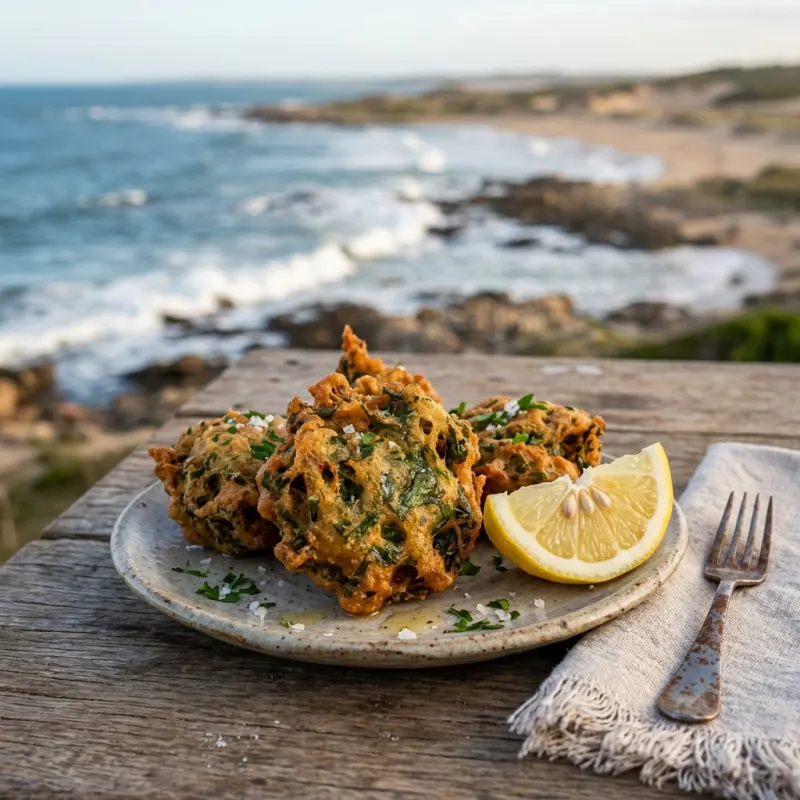
- Unique regional culinary flavors including Butiá palm specialties and seaweed fritters.
Things to Avoid
- Do not attempt to drive standard rental vehicles into Cabo Polonio; unauthorized vehicular access is strictly illegal across the protected dune ecosystem.
- Avoid swimming in unmonitored ocean zones; South Atlantic rip currents are vigorous.
- Do not rely entirely on foreign credit cards in remote coastal hamlets; carry adequate local cash.
- Avoid visiting in peak January without pre-booked accommodations, as local lodging sells out entirely.
Local Transportation Tips
Public long-distance buses (such as Rutas del Sol, Cynsa, and COT) provide dependable links between Montevideo and major points in Rocha along Route 9 and Route 10. For complete flexibility across secluded beaches and coastal lagoons, renting a car is highly recommended. Within Cabo Polonio, transport is exclusively pedestrian or via designated park 4x4 trucks.
Travel Etiquette
- Respect the relaxed, tranquil environment of off-grid fishing hamlets; minimize noise pollution late at night.
- Adhere to strict Leave No Trace principles; pack out all trash from dunes and wild beaches.
- Observe sea lion colonies from the designated wooden boardwalks without approaching or feeding them.
- Tipping around 10% is standard in restaurants and cafes across Uruguay.
Recommended Age Group
Rocha welcomes travelers across all life stages, though its rugged terrain and walking-intensive spots are particularly rewarding for independent adults and active youth.
- Babies (0-2 years): Neutral. Off-grid destinations like Cabo Polonio require navigating sand and lack medical facilities, though paved beach towns like La Paloma are manageable.
- Kids (3-12 years): Recommended. Children enjoy wide beaches, the open-air 4x4 dune rides to Cabo Polonio, and exploring the stone ramparts of Santa Teresa Fortress.
- Teens (13-19 years): Recommended. Surf camps, dune walking, and social hostel atmospheres in Punta del Diablo appeal directly to teenagers.
- Adults (20-64 years): Recommended. Unhurried coastal hikes, artisanal gastronomy, and secluded natural environments make Rocha an outstanding destination for adult travelers.
- Seniors (65+ years): Neutral. Paved coastal towns and national park forts offer easy access, but shifting dunes and unpaved off-grid hamlets present mobility obstacles.
Accessibility Level: Medium
- Towns like La Paloma and Rocha city feature paved thoroughfares, curb ramps, and basic wheelchair accessibility.
- Cabo Polonio is largely inaccessible for standard wheelchairs due to deep loose sand and rugged terrain.
- Santa Teresa National Park provides accessible paved driveways and viewing areas around parts of the historic fortress grounds.
Did You Know?
Cabo Polonio is home to one of the largest colonies of South American sea lions and fur seals on the continent, thriving in peaceful proximity to the historic 1881 lighthouse.
Cool Statistics
- Encompasses over 180 kilometers (112 miles) of Atlantic coastline.
- Features multiple UNESCO-recognized Biosphere Reserve ecosystems.
- Host to more than 200 recorded species of migratory and native coastal birds.






Buy a compatible power adapter for your trip