Disclosure: This site contains affiliate links. We may earn a commission if you make a purchase, at no extra cost to you.
Tacuarembo Department

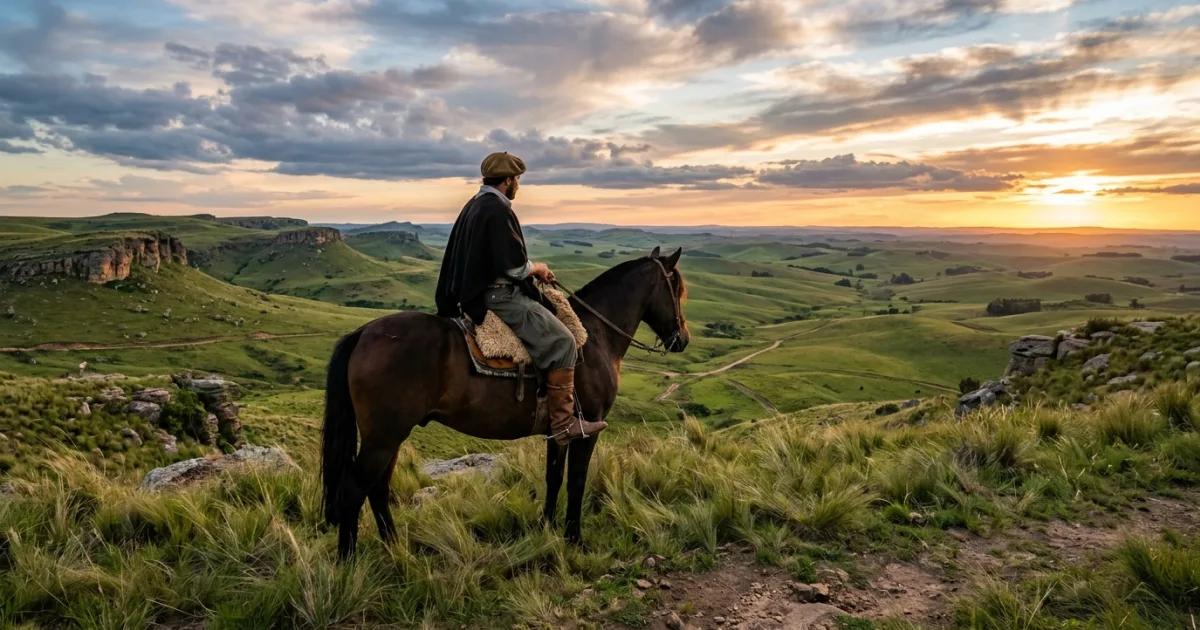
Scenic view of Tacuarembo Department rolling pampas and gaucho on horseback at sunset

Basic Info

COUNTRY & Region

Uruguay,
South/Latin America, South America

ACCESSIBILITY LEVEL​

  • High: Widely accessible with good facilities for disabilities.
  • Medium: Some accessible options, but limitations exist.
  • Low: Limited accessibility; many barriers for disabilities.
Medium

LOCAL CURRENCY​

Uruguayan Peso (UYU)

Price Level

Low – budget‑friendly basics

Medium – moderate mid‑range costs

High – pricey lodging, dining & transport

Medium

SAFETY LEVEL

5 shields = Excellent – very low crime or conflict.

4 shields = Safe – low risk, routine care.

3 shields = Relatively safe – use normal street smarts.

2 shields = Use caution – higher crime or periodic unrest.

1 shields = Avoid – active conflict or extreme danger.

Scores are derived from multi-year peace, homicide and security indices blended into a single 1-to-5 scale.

Recommended Duration

1-7 days, Full day

Tacuarembo Department Overview & Key Highlights

Tacuarembó Department covers 15,438 square kilometers in the northern interior of Uruguay, making it the largest department by area in the country. Defined by rolling grasslands, flat-topped sandstone hills known locally as cerros chatos, and sprawling cattle ranches, this region serves as the cultural heartland of traditional Uruguayan gaucho identity. The departmental capital, also named Tacuarembó, stands as a gateway to rural heritage museums, while picturesque settlements such as San Gregorio de Polanco feature extraordinary open-air mural exhibitions along the banks of the Río Negro. Visitors journeying into Tacuarembó discover an unhurried, authentic destination far removed from coastal resort hubs. Key highlights include the mystical natural amphitheater of Valle Edén, the cultural debates surrounding Carlos Gardel's birthplace, and the expansive reservoir waters of Rincón del Bonete. Whether attending the legendary Fiesta de la Patria Gaucha in late summer or embarking on scenic drives through the Cuchilla de Haedo range, travelers experience deep South American folklore, warm hospitality, and unspoiled rural landscapes.

Tacuarembo Department Travel Guide: Logistics & In-Depth Tips

Tacuarembó Department represents the soul of the Uruguayan interior, encompassing extensive ranching plains punctuated by the flat-crested hills of the Cuchilla de Haedo. Far from the busy coastal beaches of the south, this northern territory protects an unhurried, pastoral lifestyle grounded in equestrian excellence and folklore. The department is steeped in legends, notably claiming that the immortal tango singer Carlos Gardel was born on an estancia near Valle Edén, a claim commemorated at the local Museo Carlos Gardel.

Geographically, Tacuarembó spans wild nature and creative enterprise. In the south, the village of San Gregorio de Polanco overlooks the vast artificial lake of Rincón del Bonete, adorned with over a hundred outdoor murals painted directly onto public walls. In the central hills, Valle Edén features dense native forests, hanging footbridges over clear streams, and dramatic stone bluffs. Whether tracing historical routes or relaxing on an working cattle estancia, travelers discover an intimate, uncommercialized facet of South America.

Reasons to Visit

  • Authentic Gaucho Culture: Witness live rodeo skills, horse pageantry, and traditional dress celebrated year-round on working ranches and during major regional gatherings.
  • San Gregorio de Polanco Open-Air Museum: Wander through residential streets transformed into South America's premier outdoor mural gallery beside tranquil freshwater beaches.
  • Valle Edén Scenic Wilderness: Hike through native woods, cross historic suspension bridges, and investigate the legendary heritage of Carlos Gardel.
  • Dark Night Skies: Experience pristine stargazing over the empty pampas with minimal artificial light pollution.
  • Warm Countryside Hospitality: Engage with welcoming locals eager to share mate infusions, regional lore, and slow-paced ranch living.

Things to Avoid

  • Avoid driving at night on unpaved departmental routes, where stray cattle, wildlife, and unmarked potholes present driving hazards.
  • Avoid planning your visit without booking ahead during the Fiesta de la Patria Gaucha in March, as lodging sells out months in advance.
  • Avoid touching or approaching working farm horses or livestock without explicit permission from local ranch handlers.
  • Avoid expecting widespread English fluency; learn basic Spanish greetings and travel phrases to ease everyday communication.

Local Transportation Tips

Long-distance buses (such as Turil, Núñez, and Agencia Central) provide frequent daily service between Montevideo and major departmental centers along Route 5. Within the department, local bus links connect Tacuarembó city to San Gregorio de Polanco, Valle Edén, and Paso de los Toros. To explore remote ranches, dirt backroads, and natural reserves freely, renting a car in Montevideo or Tacuarembó city is strongly recommended.

Travel Etiquette

  • Greet shopkeepers and hosts with a warm 'Buenos días' or 'Buenas tardes' before requesting information or service.
  • If offered a gourd of yerba mate, accept graciously; only say 'gracias' once you do not wish to receive another pour.
  • Dress respectfully when visiting rural households and civic buildings; beachwear is strictly reserved for lake shorelines.
  • Always ask before photographing gauchos, artisans, or private ranch property.

Recommended Age Group

Tacuarembó Department accommodates travelers of diverse ages, though its remote nature and rural terrain suit independent adults best.

  • Babies (0-2 years): Neutral. Long driving distances between rural amenities and bumpy gravel roads can be demanding for infants, though town centers possess modern pediatric pharmacies.
  • Kids (3-12 years): Recommended. Children thrive exploring spacious ranch grounds, watching farm animals, and splashing along the calm lake beaches of San Gregorio de Polanco.
  • Teens (13-19 years): Recommended. Outdoor horse riding, dirt trail biking, and fascinating folk culture provide active and engaging experiences for adolescents.
  • Adults (20-64 years): Recommended. Ideal for nature trekking, landscape photography, estancia farm stays, and deep cultural immersion into South American traditions.
  • Seniors (65+ years): Recommended. Relaxed pacing, low street crime, flat town centers, and scenic driving loops appeal strongly to mature travelers seeking authentic heritage.

Accessibility Level: Medium

  • Municipal museums in Tacuarembó city offer ground-floor access, though older public buildings may lack mechanized ramps or automated doors.
  • Valle Edén natural trails, suspension bridges, and stone ridges are unpaved and irregular, presenting challenges for manual wheelchair users.
  • San Gregorio de Polanco's mural walks run along flat, paved sidewalks, providing relatively easy access for individuals with limited mobility.
  • Intercity coaches typically require climbing several steps; advance coordination with bus operators is advised for boarding assistance.

Did You Know?

While international records frequently cite Toulouse, France, as the birthplace of tango legend Carlos Gardel, Uruguayan law and extensive local documentation claim he was born in Tacuarembó in 1887 as the illegitimate son of local landowner Carlos Escayola.

Cool Statistics

  • 15,438 km²: Total departmental land area, making it the largest administrative division in Uruguay.
  • 140+ Murals: Permanent large-scale artworks decorating building facades across San Gregorio de Polanco.
  • Over 50,000 Visitors: Gather annually in Tacuarembó for the week-long Fiesta de la Patria Gaucha celebrations.

Address:

Tacuarembó Department, Uruguay

Find Nearby Accommodations

Electricity

220-240V, 
50Hz

Plug Type

Type C (Round pin), Type F (Two round pins with earth clips), Type L (Three round pins in line)
Plug types
Click To View Plug Types
Tacuarembo Department is part of our
Astrotourism collection

Activities To Do In Tacuarembo Department

Best Time To Visit Tacuarembo Department

Tacuarembó features a humid subtropical climate with hot summers and moderate winters. The most comfortable periods for exploring the rural outdoors occur during the shoulder seasons.

  • March to May (Autumn): Pleasant temperatures ranging between 18°C and 25°C, making it prime time for outdoor activities and catching the famous Fiesta de la Patria Gaucha in March.
  • September to November (Spring): Fresh breezes, blossoming wildflowers across the pampas, and ideal conditions for horseback riding and hiking.
  • December to February (Summer): Hot days often exceeding 32°C; perfect for water recreation at San Gregorio de Polanco's lake beaches, though mid-afternoons require heat precautions.
  • June to August (Winter): Cool days and brisk nights with occasional morning frosts, demanding thermal layers for rural estancias.

Average Temperatures Per Month

Average monthly temperaturesMonthly source values, with Celsius and Fahrenheit equivalents in the following data table.5°41°11°52°18°64°24°75°30°86°JanJan: 24°C / 75°FFebFeb: 23°C / 73°FMarMar: 22°C / 72°FAprApr: 18°C / 64°FMayMay: 14°C / 57°FJunJun: 13°C / 55°FJulJul: 12°C / 54°FAugAug: 13°C / 55°FSepSep: 15°C / 59°FOctOct: 17°C / 63°FNovNov: 21°C / 70°FDecDec: 22°C / 72°F
View temperature data
Average monthly temperatures
Month°C°F
Jan2475
Feb2373
Mar2272
Apr1864
May1457
Jun1355
Jul1254
Aug1355
Sep1559
Oct1763
Nov2170
Dec2272

Remember to check the weather forecast a few days before the trip and before heading to the airport.

Safety Level

5 shields = Excellent – very low crime or conflict.

4 shields = Safe – low risk, routine care.

3 shields = Relatively safe – use normal street smarts.

2 shields = Use caution – higher crime or periodic unrest.

1 shields = Avoid – active conflict or extreme danger.

Scores are derived from multi-year peace, homicide and security indices blended into a single 1-to-5 scale.

Tacuarembó Department ranks among the safest jurisdictions in Uruguay, with violent crime being exceptionally rare. Petty opportunistic theft can occasionally happen around festival crowds or intercity bus terminals, so keep valuables secure. The primary risks involve rural hazards: keep a safe distance from livestock on open roads, carry a vehicle emergency kit on gravel routes, and watch for snakes in high grasses during midsummer hikes.

The rating is based on multi-year peace, crime, and security indices. Before you go, always verify current conditions through official government travel advisories.

Emergency Numbers

Police: 911
Ambulance: 105

No internet needed • Includes local translations • Free for TravelingWiz readers

Spoken Languages

Spanish (Rioplatense dialect). Brazilian Portuguese and Portuñol are widely understood in northern border zones.
Travel Booking Partner - TravelingWiz

Learn The Language

  • Hola: Hello
  • Por favor: Please
  • Muchas gracias: Thank you very much
  • ¿Cuánto cuesta?: How much does it cost?
  • ¿Dónde está el baño?: Where is the restroom?
  • Un asado, por favor: A barbecue, please
  • Disculpe: Excuse me
  • Adiós: Goodbye

Trip Cost & Budgeting for Tacuarembo Department, 2026

Everything you need to know about money while traveling
Is Tacuarembo Department expensive for tourists in 2026? It is generally moderate, offering lower costs than coastal Uruguay. Based on Human Verified prices, you can expect to pay around 80 UYU for a cappuccino, 130 UYU for a domestic beer, and 650 UYU for a standard mid-range restaurant meal. Accommodation and transport remain affordable compared to Montevideo. Use the data table below to calculate your specific daily budget based on your travel style.

LOCAL CURRENCY​:

Uruguayan Peso (UYU)

Price Level:

Low – budget‑friendly basics

Medium – moderate mid‑range costs

High – pricey lodging, dining & transport

Medium

Cards Vs. Cash

Credit cards are accepted at larger hotels and restaurants, but cash is essential for local cafes, buses, and taxis.

How Much Cash to Carry (on you)

Per person, per day – pocket cash for small purchases.

Local: 390
Uruguayan Peso (UYU)
≈ 10 USD

Average Daily Costs (per person)

Full daily spend estimation (accommodation, food, transportation, attractions).

Travel Style
Uruguayan Peso (UYU)
≈ USD ($)
Budget
2100
52
Mid-range
3850
95
Comfort
8450
208
Note

The Prices, Daily costs, and calculator results are estimates for planning purposes only. Actual costs may vary based on season, booking timing, personal spending habits, and currency fluctuations. TravelingWiz cannot be held responsible for discrepancies between these estimates and your final trip expenses.

Best Value Tips

  • • Eat fixed-price lunch specials (Menú Ejecutivo) at local dining spots to enjoy Uruguayan cuisine at affordable rates.
  • • Pay for hotel stays and restaurant meals using a foreign credit card to take advantage of Uruguay's foreign tourist VAT refund.
  • • Travel to regional attractions like Valle Edén using local public buses rather than hiring private taxis.
  • • Book accommodation early if visiting during the Patria Gaucha festival, or travel in off-peak months for cheaper stay options.

Tours & Tickets

Explore tours, attractions, and ticket options to plan your visit.
Plan ahead

Travel Offers & Coupons

Browse travel offers and coupons from our affiliate partners.
Affiliate partner offers

What To Pack

  • Durable hiking boots or sturdy walking shoes for navigating trails in Valle Edén and uneven cobblestone streets.
  • Lightweight, breathable layers alongside a fleece jacket for cool savanna breezes in the evenings.
  • Wide-brim hat, UV sunglasses, and high-SPF sunscreen to counter intense daytime solar radiation.
  • High-strength insect repellent for countryside walks and riverbank activities near San Gregorio de Polanco.
  • Universal travel adapter compatible with Type C, F, and L wall sockets.
  • A reusable water bottle and insulated thermos if you plan to partake in traditional yerba mate routines.
Only the good stuff!
Browse recommended travel gear
Check out our free packing list tool

Recommended Itineraries for Traveling to Tacuarembo Department

Take your itinerary with you

Choose a ready-made itinerary, plan your own trip, and keep TravelingWiz by your side while you travel.

Get the TravelingWiz app

Food & Drink Highlights

Local Food Overview

Gastronomy in Tacuarembó centers around world-class grass-fed Uruguayan beef prepared over indigenous hardwood embers. The culture of the asado is a social ritual, complemented by country-style sausages (chorizos), blood sausages (morcilla), and sweetbreads. Pastries featuring dulce de leche, fried tortas fritas on rainy afternoons, and artisanal goat and cow cheeses from local estancias characterize northern Uruguayan comfort cuisine, best paired with Tannat red wine or a gourd of bitter yerba mate.

Must Try Dish

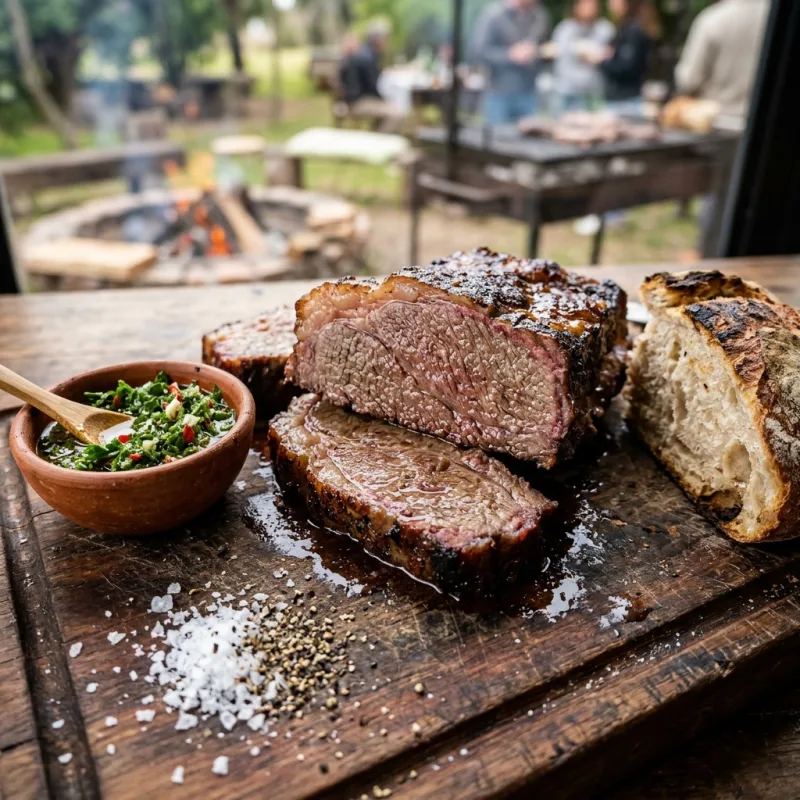
Asado con Cuero - Beef slow-cooked over wood embers with its natural hide intact, sealing in moisture and creating unmatched tenderness. Served with chimichurri sauce and warm bread, it represents the purest culinary expression of the gaucho tradition.
Authentic Uruguayan Asado con Cuero wood-roasted beef on a rustic board

Maya’s Final Checklist for Tacuarembo Department

Logistics shouldn’t be the focus of your trip—the experience should. I’ve hand-vetted these essential partners to ensure your arrival, stay, and exploration are as smooth as an Athenian breeze.

Maya, the human travel expert at TravelingWiz, offering curated, non-AI expertise

Where to Stay

Compare accommodation options and choose a stay that suits your plans and budget.

Air Travel

Compare flight options and find a route that fits your plans.

Local Guides

Connect with local guides for personalized help planning and exploring.

Travel Protection

The “Engineer’s” rule: always have a backup. Secure your trip with a plan that covers every “what if” and unexpected change.

Car Rentals

Compare rental options and choose a car that suits your trip.

Visa Information

Don’t let paperwork slow you down. Get expert assistance with your application to ensure all your entry documents are in order.

FAQs

Tacuarembó is renowned as the cradle of gaucho culture, the annual host of the massive Fiesta de la Patria Gaucha, the disputed birthplace of tango icon Carlos Gardel, and home to the San Gregorio de Polanco open-air mural museum.
You can drive north along National Route 5 for approximately 390 kilometers (around 4.5 to 5 hours) or take direct executive buses departing regularly from Montevideo’s Tres Cruces Bus Terminal.
The festival takes place every year in March at Laguna de las Lavanderas in Tacuarembó city, celebrating rural traditions with rodeo competitions, folk music concerts, and historic encampments.
Yes, accommodation, regional transport, and dining are notably less expensive than in Montevideo, Punta del Este, or Colonia del Sacramento.

Your Insights Matter

TravelingWiz grows through the stories of our community. If you’ve recently explored ,Tacuarembo Department share your tips and stories to help us perfect our guides for the next traveler.

Where should we send your offline card?

We hate spam just as much as you do

newsletter_consent *