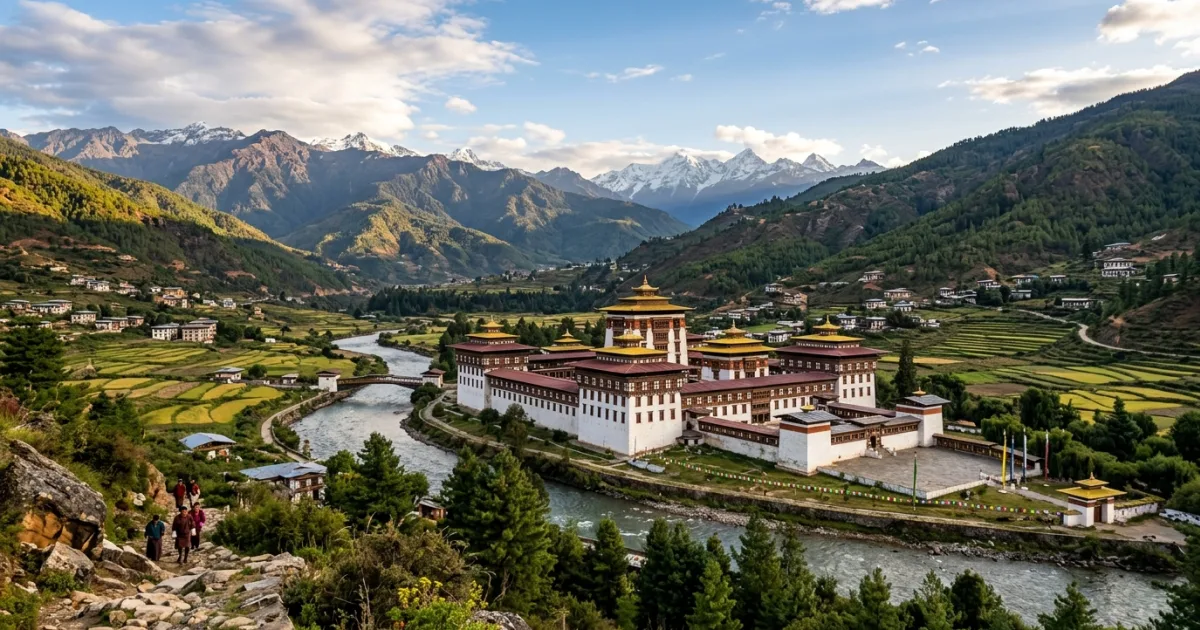
Thimphu District is a fascinating blend of the ancient and the modern. As the most developed region in Bhutan, it is home to the country's capital, yet it retains a deeply traditional character. The landscape is dominated by the Wang Chhu river flowing through a steep valley, flanked by forested mountains dotted with ancient monasteries and modern settlements. The district is the seat of the Bhutanese government and the royal family, making it the epicenter of the nation's political and religious life.
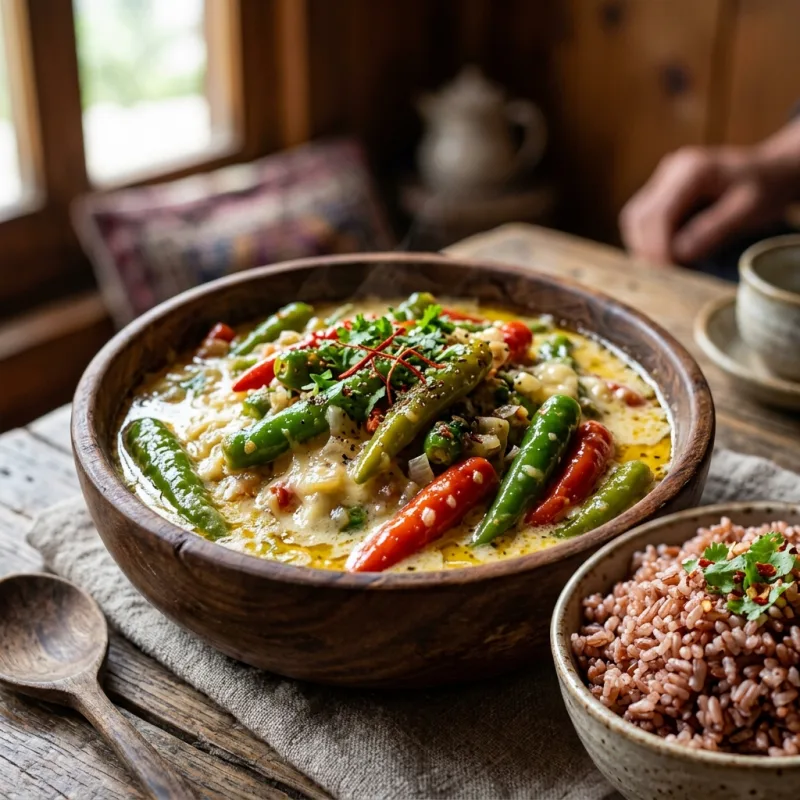
Beyond the city limits, the district offers pristine natural environments perfect for hiking and cultural exploration. Visitors can trek to remote meditation centers like Tango and Cheri monasteries, which sit high above the valley floor. The region's commitment to Gross National Happiness is palpable in its clean air, preserved forests, and the genuine warmth of its people. Whether you are marveling at the intricate woodwork of a traditional building, spinning a prayer wheel, or enjoying a spicy local meal, Thimphu District provides a deeply immersive and transformative travel experience.
Reasons to Visit
- Tashichho Dzong: A massive, stunning fortress and monastery that houses the throne room of the King of Bhutan.
- Buddha Dordenma: One of the largest Buddha rupas in the world, offering panoramic views of the Thimphu valley.
- Cultural Preservation: Experience authentic Bhutanese arts at the National Institute for Zorig Chusum (School of 13 Arts and Crafts).
- Pristine Nature: Access to beautiful day hikes, such as the trail to Cheri Monastery, Bhutan's first monastic school.
- Unique Urban Vibe: Explore the only world capital without traffic lights, where tradition dictates architectural styles and daily life.
Things to Avoid
- Disrespecting the Monarchy or Religion: Avoid making negative comments about the Royal Family or Buddhist practices, as they are deeply revered.
- Inappropriate Attire: Do not wear shorts, tank tops, or hats when visiting religious sites and dzongs.
- Public Displays of Affection: Bhutan is a conservative society; overt physical affection in public is frowned upon.
- Smoking in Public: Smoking in public areas is strictly prohibited and can result in heavy fines.
- Photographing Interiors of Temples: Photography is generally not allowed inside the main shrines of temples and dzongs.
Local Transportation Tips
As an international tourist, your local transportation within Thimphu District will be entirely arranged by your tour operator. You will travel in a comfortable, private vehicle driven by an experienced local driver who is accustomed to the winding, mountainous roads. While walking around the central town area of Thimphu city is safe and enjoyable, reaching the major landmarks and trailheads requires a vehicle. Public buses and taxis exist for locals, but tourists are required to use their designated tour transport.
Travel Etiquette
- Clockwise Movement: Always walk clockwise around chortens (stupas), prayer wheels, and temples.
- Pointing: Do not point with a single finger; instead, use an open, flat hand to indicate direction.
- Entering Temples: Remove your shoes before entering any temple or shrine.
- Donations: It is customary to leave a small donation (a few Ngultrum) on the altar when visiting a temple.
- Crossing Legs: Avoid crossing your legs or pointing your feet towards altars, monks, or elders when sitting.
Recommended Age Group
Thimphu District offers a deeply cultural and scenic experience, but its high altitude and specific tourism infrastructure make it better suited for certain age groups.
- Babies (0-2 years): Not Recommended. The high altitude, winding mountain roads, and limited specialized pediatric facilities can make travel challenging for infants.
- Kids (3-12 years): Neutral. While the open spaces and unique culture are fascinating, the long drives and extensive focus on religious and historical sites may not hold the attention of younger children.
- Teens (13-19 years): Recommended. Teens will appreciate the outdoor activities, hiking opportunities, and the unique cultural exposure of a country so different from the West.
- Adults (20-64 years): Recommended. Ideal for adults seeking cultural immersion, wellness, trekking, and a slow-paced, mindful travel experience.
- Seniors (65+ years): Recommended. The mandatory guided tours provide excellent logistical support and comfort. However, seniors should be mindful of the altitude and the uneven terrain at some historical sites.
Accessibility Level: Medium
- Terrain Challenges: Many historical sites, dzongs, and monasteries have steep, uneven stone steps and lack ramps or elevators, making wheelchair access very difficult.
- Transport: Tour operators can arrange larger, more comfortable vehicles, but specialized wheelchair-accessible vans are extremely rare.
- Accommodation: High-end luxury hotels in Thimphu offer accessible rooms and flat grounds, but budget and mid-range options often lack these facilities.
- Pace of Travel: The mandatory guide system allows for a highly customized, slow-paced itinerary tailored to the physical capabilities of the traveler.
Did You Know?
Thimphu is the only capital city in the world that does not use traffic lights. A set was once installed, but the local residents complained that they were too impersonal, leading the government to remove them and reinstate the white-gloved traffic police who direct cars with elegant, dance-like hand motions.
Cool Statistics
- Elevation: Thimphu city sits at an altitude of approximately 2,320 meters (7,656 feet) above sea level.
- Buddha Dordenma: The giant Buddha statue contains 125,000 smaller Buddha statues inside it.
- Forest Cover: Bhutan's constitution mandates that at least 60% of the country must remain under forest cover for all time.
- Carbon Negative: Bhutan is the world's first carbon-negative country, absorbing more CO2 than it produces.






Buy a compatible power adapter for your trip