Pingyao Ancient City in central Shanxi stands as one of the world's most complete surviving examples of traditional Han Chinese urban planning. Listed as a UNESCO World Heritage site in 1997, the settlement preserves an unbroken architectural continuity spanning the Ming (1368–1644) and Qing (1644–1911) dynasties. Its layout follows strict classical feng shui principles, shaped intentionally like a giant tortoise—a symbol of longevity—with the South Gate representing the head and the northern fortifications representing the tail.
During the 19th and early 20th centuries, Pingyao functioned as the financial nerve center of the entire Chinese empire. Wealthy merchant syndicates established Rishengchang, pioneering paper draft exchange notes that replaced the risky overland transit of heavy silver bullion. Today, travelers can wander past hundreds of grey-brick siheyuan courtyard estates, walk the top of the ramparts, and watch daily traditional theater performances without seeing high-rise development disturb the historic skyline.
Reasons to Visit
- Intact Medieval Ramparts: Walk along 6.4 kilometers of fully preserved brick battlements complete with 72 watchtowers.
- Birthplace of Chinese Banking: Explore Rishengchang Bank and discover original subterranean silver vaults and secret exchange ledgers.
- Courtyard Mansion Living: Stay overnight in restored multi-courtyard residences sleeping on traditional brick platform beds (kang).
- Sculptural Masterpieces at Shuanglin Temple: Admire over 2,000 Song, Yuan, and Ming dynasty painted clay sculptures just outside town.
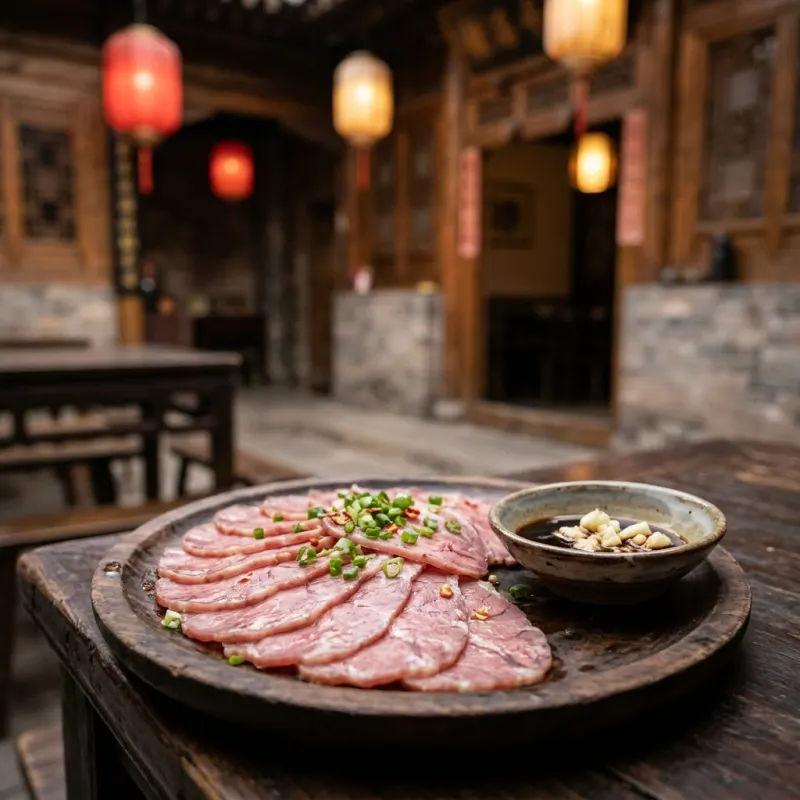
- Noodle Gastronomy: Sample dozens of hand-pulled, sliced, and pressed noodle shapes unique to Shanxi province.
Things to Avoid
- Avoid entering the ancient city in motorized cars; standard motor vehicles are strictly banned inside the gates to preserve air quality and stone streets.
- Do not buy antique silver ingots or old bank notes from street vendors, as virtually all are modern reproductions.
- Avoid visiting during the Golden Week holidays (first week of May and October), when narrow alleys become uncomfortably congested.
- Do not climb onto unrestored or roped-off sections of the ancient masonry wall for photos.
Local Transportation Tips
Within the historic walled city, transportation is exclusively on foot, bicycle, or authorized electric shuttle carts. Outside the ramparts, licensed metered taxis and ride-hailing services (via Didi on WeChat or Alipay) are readily available. Pingyao Ancient City Railway Station connects travelers to Xi'an and Beijing via regular high-speed trains, with local buses (Route 108) running directly to the ancient city's North and South gates.
Travel Etiquette
- Dress respectfully when visiting active Taoist, Confucian, and Buddhist temple sites within the walls.
- Step over, rather than on, the raised wooden door thresholds (menkan) of traditional courtyard entries, as stepping on them is considered bad luck.
- Ask permission before photographing residents sitting outside their private residential alleys away from tourist lanes.
- Accept and offer receipts, cash, or tea with both hands as a gesture of politeness.
Recommended Age Group
Pingyao offers rewarding exploration across generations, though its cobblestone infrastructure requires basic mobility.
- Babies (0-2 years): Neutral. Cobblestone streets and high wooden thresholds make strollers impractical, requiring baby carriers.
- Kids (3-12 years): Recommended. Children enjoy walking on high fortress ramparts, seeing historical martial arts security houses, and riding electric carts.
- Teens (13-19 years): Recommended. Excellent destination for photography, historic roleplay photography in Hanfu costumes, and trying street foods.
- Adults (20-64 years): Recommended. Ideal for cultural travelers, photographers, and history enthusiasts exploring deep architectural heritage.
- Seniors (65+ years): Recommended. A flat, car-free walking environment within the city, provided travelers can navigate occasional uneven pavers and stairs.
Accessibility Level: Medium
- Wheelchair access within the walled city is moderate; main streets are flat stone, but frequent raised wooden door thresholds (menkan) require manual lifting at courtyard entrances.
- Ascending the defensive city walls requires climbing steep stone staircases without ramp alternatives.
- Electric golf cart shuttles operate between the exterior parking plazas and interior boutique courtyard hotels upon advance request.
Did You Know?
Pingyao's ancient walls feature precisely 3,000 crenellations and 72 watchtowers, numbers deliberately designed to commemorate Confucius's 3,000 disciples and his 72 accomplished scholars.
Cool Statistics
- 2,700+: Years of documented settlement history since the Western Zhou Dynasty
- 6.4 km: Total perimeter length of the preserved Ming Dynasty defensive ramparts
- 22: Preserved heritage compounds accessible under the unified tourist ticket
- 1997: Year Pingyao was inscribed onto the UNESCO World Heritage list






Buy a compatible power adapter for your trip