Disclosure: This site contains affiliate links. We may earn a commission if you make a purchase, at no extra cost to you.
Daocheng

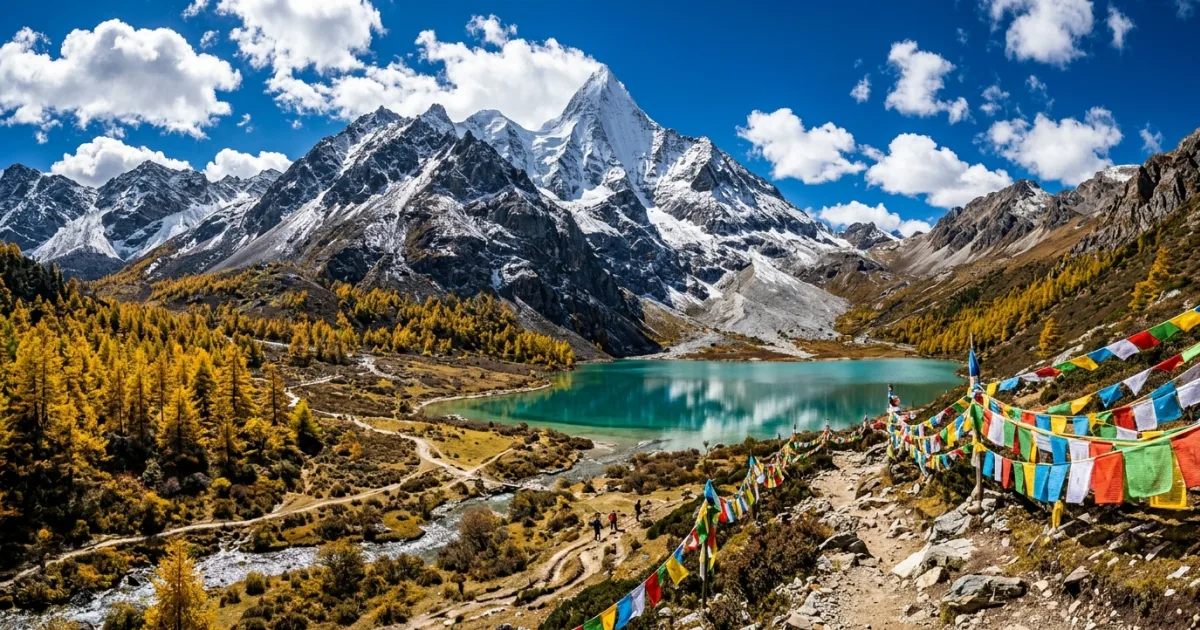
Snow-capped holy peak of Mount Chenrezig reflected in an alpine lake in Daocheng Yading.

Basic Info

COUNTRY & Region

China,
Asia

ACCESSIBILITY LEVEL​

  • High: Widely accessible with good facilities for disabilities.
  • Medium: Some accessible options, but limitations exist.
  • Low: Limited accessibility; many barriers for disabilities.
Medium

LOCAL CURRENCY​

Chinese Yuan (CNY)

Price Level

Low – budget‑friendly basics

Medium – moderate mid‑range costs

High – pricey lodging, dining & transport

Medium

SAFETY LEVEL

5 shields = Excellent – very low crime or conflict.

4 shields = Safe – low risk, routine care.

3 shields = Relatively safe – use normal street smarts.

2 shields = Use caution – higher crime or periodic unrest.

1 shields = Avoid – active conflict or extreme danger.

Scores are derived from multi-year peace, homicide and security indices blended into a single 1-to-5 scale.

Recommended Duration

1-7 days

Daocheng Overview & Key Highlights

Daocheng is a high-altitude county seat in the Garzê Tibetan Autonomous Prefecture of southwest Sichuan, serving as the cultural and logistical gateway to the iconic Yading Nature Reserve. Resting on the eastern edge of the Qinghai-Tibetan Plateau at an elevation of roughly 3,750 meters, this remote alpine settlement blends traditional Khampa Tibetan stone architecture with expansive highland meadows, poplar forests, and dramatic river valleys. Travelers use the town to acclimatize before ascending into the sacred snow-capped mountain sanctums immortalized by explorer Joseph Rock in the 1920s. Beyond its role as a base camp, Daocheng captivates visitors with centuries-old Tibetan Buddhist monasteries such as Bangpu Gompa and the towering Daocheng White Stupa cluster. The surrounding countryside reveals vast, untamed pastures where nomadic herders graze yaks beneath brilliant cobalt skies. Exploring Daocheng requires careful pacing due to the thin air, but those who make the overland journey along the G318 or land at the world's highest civil airport are rewarded with some of the most pristine alpine scenery and sacred pilgrimage routes anywhere in Asia.

Daocheng Travel Guide: Logistics & In-Depth Tips

Daocheng serves as an extraordinary crossroads of raw nature and profound spiritual devotion on the Tibetan Plateau. Known historically as a pivotal trading outpost along the ancient Tea Horse Road, this highland county centers around the sweeping Daocheng River valley. Here, clusters of white Tibetan farmhouses crowned with fluttering multi-colored prayer flags stand out against vast golden grasslands and rustling poplar groves that transform into intense shades of amber during late September.

The town's fame surged following the rediscovery of the sacred trinity peaks of Yading—Chenrezig, Jambeyang, and Chanadorje—which represent the Buddhist virtues of compassion, wisdom, and power. Today, Daocheng balances its role as a spiritual sanctuary with modern travel infrastructure, welcoming nature enthusiasts, landscape photographers, and intrepid overland road-trippers navigating the rugged mountain terrain of Western Sichuan.

Reasons to Visit

  • Gateway to Yading Nature Reserve: Easy access to the legendary three sacred snow peaks, Milk Lake, and Five Color Lake.
  • Deep Khampa Tibetan Heritage: Experience ancient gompas, prayer wheel corridors, and traditional stone fortress architecture.
  • Daocheng White Stupa: Walk the circumambulation path around one of the largest Tibetan stupa complexes in Sichuan.
  • Unspoiled Astrophotography: Exceptionally pristine, zero-light-pollution night skies ideal for capturing the Milky Way over glaciated ridges.
  • Vibrant Autumn Poplar Forests: Witness miles of vivid golden-yellow foliage along the river banks every October.

Things to Avoid

  • Do not rush uphill on your first day; physical overexertion at 3,750 meters can rapidly trigger dangerous pulmonary edema.
  • Avoid planning your itinerary without checking pass conditions, as unexpected autumn blizzards can temporarily close mountain roadways.
  • Do not step over Buddhist prayer flags or point your feet directly toward shrines inside local monasteries.
  • Avoid purchasing raw cordyceps (caterpillar fungus) from roadside hawkers unless you possess the expertise to verify authenticity.

Local Transportation Tips

Transit between Daocheng Town, Daocheng Yading Airport, and Shangri-La Town (Riwa) relies on designated airport shuttle buses, scheduled intercity coaches, and shared minivans (mianbaoche). Inside the Yading Nature Reserve, private vehicles are forbidden; visitors must use park eco-buses and electric sightseeing carts to traverse the 30-kilometer gorge between the entrance gates and Luorong Pasture.

Travel Etiquette

  • Walk clockwise around all stupas, mani stone mounds, and temple courtyards in keeping with Tibetan Buddhist customs.
  • Always request permission before photographing local monks, pilgrims, or elderly Khampa residents.
  • Remove hats and sunglasses, silence mobile phones, and refrain from taking interior photos inside monastery prayer halls.
  • Accept butter tea or gifts with both hands extended as a sign of mutual respect.

Recommended Age Group

Daocheng's extreme altitude, rigorous trekking demands, and remote geography make it a challenging destination that requires careful consideration based on physical endurance and medical history.

  • Babies (0-2 years): Not Recommended. The extreme elevation (above 3,750 meters) carries severe medical risks for infants, who cannot verbalize early symptoms of acute altitude sickness.
  • Kids (3-12 years): Not Recommended. The high physical demands of alpine trekking and volatile weather make long trail hours overly taxing for younger children.
  • Teens (13-19 years): Recommended. Active teenagers with good cardiovascular stamina will find the glacial lakes and mountain climbing exhilarating.
  • Adults (20-64 years): Recommended. Ideal for hikers, outdoor photographers, and cultural explorers who acclimatize sensibly and practice basic mountain safety.
  • Seniors (65+ years): Neutral. Highly fit mature travelers can appreciate the scenery, but individuals with pre-existing cardiopulmonary or blood pressure conditions should consult a physician before attempting high-plateau travel.

Accessibility Level: Medium

  • Wheelchair accessibility is severely limited in Daocheng due to gravel paths, steep monastery stairwells, and unpaved mountain roads.
  • The Yading Nature Reserve provides elevated wooden boardwalks near Luorong Pasture, but reaching higher alpine lakes involves steep, rugged, and unpaved rocky ascents.
  • Low oxygen levels at this altitude can create severe complications for mobility-impaired visitors requiring supplemental medical equipment.

Did You Know?

Daocheng Yading Airport sits at an elevation of 4,411 meters (14,472 feet) above sea level, making it the highest civilian airport in the world. Its terminal building was designed to resemble an interstellar flying saucer landing upon a desolate plateau landscape.

Cool Statistics

  • Elevation of Daocheng Town: 3,750 meters (12,303 feet).
  • Highest Peak in Yading (Chenrezig): 6,032 meters (19,790 feet).
  • Distance from Chengdu via G318 National Highway: Approximately 800 kilometers across four major mountain passes.
  • Daocheng White Stupa Complex: Features 1 central grand pagoda surrounded by 108 subsidiary white stupas.

Address:

Daocheng, China

Find Nearby Accommodations

Electricity

220-240V, 
50Hz

Plug Type

Type A (Flat blade), Type C (Round pin), Type I (Two flat pins in V-shape, grounding pin)
Plug types
Click To View Plug Types
Daocheng is part of our
Coolcation collection

Activities To Do In Daocheng

Best Time To Visit Daocheng

Daocheng experiences an alpine subarctic climate characterized by sharp diurnal temperature swings, intense solar radiation, and dry, cold winters.

  • Autumn (September to October): The absolute best time to visit; golden larch forests peak against clear, azure skies with minimal rainfall.
  • Spring (April to June): Favorable season for trekking with blooming rhododendrons, crisp air, and thawing alpine tarns.
  • Summer (July to August): Monsoon season brings frequent rain and fog that can obscure mountain vistas, though meadows are verdant and lush.
  • Winter (November to March): Freezing and harsh with heavy snow closures on high passes, though hotels offer significant off-season savings.

Average Temperatures Per Month

Average monthly temperaturesMonthly source values, with Celsius and Fahrenheit equivalents in the following data table.-10°14°-3°28°5°41°13°55°20°68°JanJan: -2°C / 28°FFebFeb: -2°C / 28°FMarMar: 3°C / 37°FAprApr: 5°C / 41°FMayMay: 8°C / 46°FJunJun: 12°C / 54°FJulJul: 13°C / 55°FAugAug: 12°C / 54°FSepSep: 11°C / 52°FOctOct: 8°C / 46°FNovNov: 2°C / 36°FDecDec: 0°C / 32°F
View temperature data
Average monthly temperatures
Month°C°F
Jan-228
Feb-228
Mar337
Apr541
May846
Jun1254
Jul1355
Aug1254
Sep1152
Oct846
Nov236
Dec032

Remember to check the weather forecast a few days before the trip and before heading to the airport.

Safety Level

5 shields = Excellent – very low crime or conflict.

4 shields = Safe – low risk, routine care.

3 shields = Relatively safe – use normal street smarts.

2 shields = Use caution – higher crime or periodic unrest.

1 shields = Avoid – active conflict or extreme danger.

Scores are derived from multi-year peace, homicide and security indices blended into a single 1-to-5 scale.

The most significant danger in Daocheng is Acute Mountain Sickness (AMS), as the town sits at 3,750 meters and nearby trails rise above 4,600 meters. Rest completely on your first day, stay well hydrated, and do not consume alcohol. Carry a portable pulse oximeter and descend immediately to Riwa (2,900 meters) if experiencing severe shortness of breath or persistent headaches. Stray Tibetan mastiffs can be territorial outside villages; carry trekking poles for deterrence.

The rating is based on multi-year peace, crime, and security indices. Before you go, always verify current conditions through official government travel advisories.

Emergency Numbers

Police: 110
Ambulance: 120

No internet needed • Includes local translations • Free for TravelingWiz readers

Spoken Languages

Southwestern Mandarin Chinese, Khampa Tibetan
Travel Booking Partner - TravelingWiz

Learn The Language

  • Nǐ hǎo (你好): Hello
  • Tashi Delek (བཀྲ་ཤིས་བདེ་ལེགས): Blessings / Good luck (Tibetan)
  • Xièxie (谢谢): Thank you
  • Duōshǎo qián? (多少钱?): How much does this cost?
  • Wǒ yào qù… (我要去…): I want to go to…
  • Gāofǎn (高反): Altitude sickness
  • Jiùhùchē (救护车): Ambulance
  • Zàijiàn (再见): Goodbye

Trip Cost & Budgeting for Daocheng, 2026

Everything you need to know about money while traveling
Is Daocheng expensive for tourists in 2026? While remote, Daocheng offers fair value for standard travel expenses. Based on Human Verified prices, expect to pay around 28 CNY for a cappuccino, 15 CNY for a domestic beer, and 60 CNY for a meal at a mid-range Tibetan or Sichuan restaurant. Costs are moderate overall, though park entry and high-altitude transport add to daily totals. Use the data table below to calculate your specific daily budget based on your travel style.

LOCAL CURRENCY​:

Chinese Yuan (CNY)

Price Level:

Low – budget‑friendly basics

Medium – moderate mid‑range costs

High – pricey lodging, dining & transport

Medium

Cards Vs. Cash

International credit cards are rarely accepted, so link your card to Alipay or WeChat Pay, keeping emergency cash handy.

How Much Cash to Carry (on you)

Per person, per day – pocket cash for small purchases.

Local: 65
Chinese Yuan (CNY)
≈ 10 USD

Average Daily Costs (per person)

Full daily spend estimation (accommodation, food, transportation, attractions).

Travel Style
Chinese Yuan (CNY)
≈ USD ($)
Budget
360
54
Mid-range
650
97
Comfort
1430
214
Note

The Prices, Daily costs, and calculator results are estimates for planning purposes only. Actual costs may vary based on season, booking timing, personal spending habits, and currency fluctuations. TravelingWiz cannot be held responsible for discrepancies between these estimates and your final trip expenses.

Best Value Tips

  • • Stay in Shangri-La Town (Riwa) rather than inside Yading Village for cheaper accommodation and better altitude adjustment.
  • • Set up Alipay or WeChat Pay before arriving to pay seamlessly at local shops and mountain eateries.
  • • Buy essential supplies and snacks in Chengdu or Daocheng County town where prices are noticeably lower than near Yading.
  • • Travel during the shoulder seasons of May or September to enjoy lower accommodation rates and avoid peak holiday price surges.

Tours & Tickets

Explore tours, attractions, and ticket options to plan your visit.
Plan ahead

Travel Offers & Coupons

Browse travel offers and coupons from our affiliate partners.
Affiliate partner offers

What To Pack

  • High-altitude medication (such as Acetazolamide/Diamox or Rhodiola rosea supplements).
  • Thermal base layers and windproof outer shell jackets for rapid mountain weather shifts.
  • UV-blocking polarized sunglasses and broad-spectrum mineral sunscreen (SPF 50+).
  • Sturdy, waterproof hiking boots with solid ankle support and vibram lugs.
  • Portable oxygen canisters (readily available locally, but essential for emergency descents).
  • Hydration reservoir or insulated thermal flask to prevent water freezing at altitude.
  • Power banks, as freezing temperatures significantly drain smartphone and camera batteries.
Only the good stuff!
Browse recommended travel gear
Check out our free packing list tool

Recommended Itineraries for Traveling to Daocheng

Take your itinerary with you

Choose a ready-made itinerary, plan your own trip, and keep TravelingWiz by your side while you travel.

Get the TravelingWiz app

Food & Drink Highlights

Local Food Overview

Dining in Daocheng is defined by robust, energy-dense Tibetan staples and fiery Sichuan cuisine. Due to the high altitude and harsh alpine climate, local diets rely heavily on yak dairy, highland barley (tsampa), and grass-fed yak meat. Sichuanese migrant kitchens throughout town provide spicy mala stir-fries, clay pot broths, and hand-pulled noodles. Meals are traditionally accompanied by steaming bowls of salty yak butter tea or sweet Tibetan milk tea, which locals consume to warm the body and combat altitude fatigue.

Must Try Dish

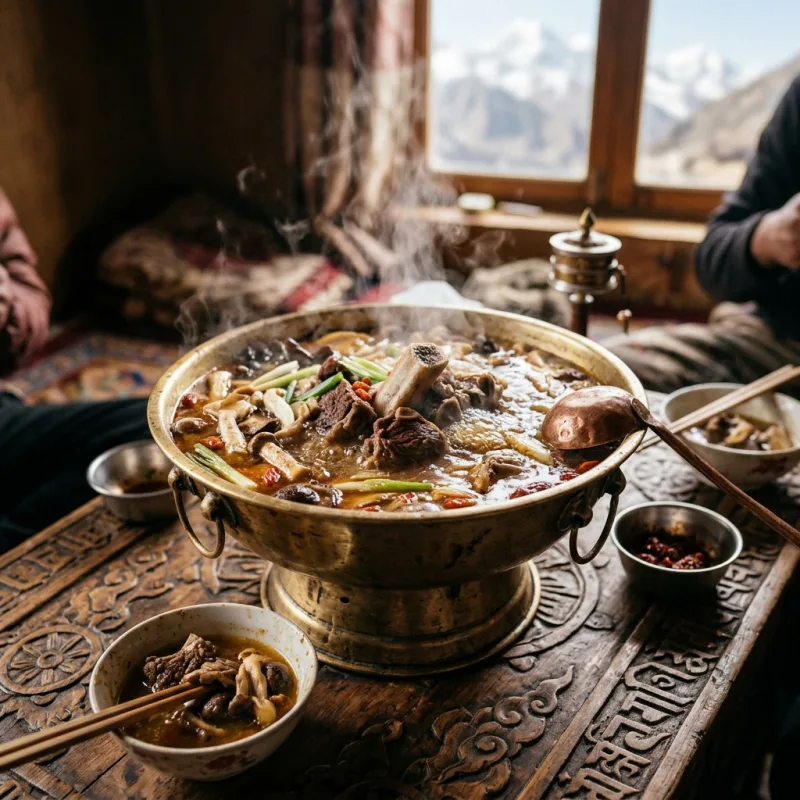
Tibetan Yak Meat Hotpot - A communal copper cauldron simmering with tender bone-in yak meat, wild mountain mushrooms, radishes, and highland greens in a fragrant herbal broth. It provides deep sustenance and essential warmth after a rigorous day of high-altitude trekking.
Authentic Tibetan yak meat hotpot simmering in a copper pot with herbs and vegetables.

Maya’s Final Checklist for Daocheng

Logistics shouldn’t be the focus of your trip—the experience should. I’ve hand-vetted these essential partners to ensure your arrival, stay, and exploration are as smooth as an Athenian breeze.

Maya, the human travel expert at TravelingWiz, offering curated, non-AI expertise

Where to Stay

Compare accommodation options and choose a stay that suits your plans and budget.

Air Travel

Compare flight options and find a route that fits your plans.

Local Guides

Connect with local guides for personalized help planning and exploring.

Travel Protection

The “Engineer’s” rule: always have a backup. Secure your trip with a plan that covers every “what if” and unexpected change.

Car Rentals

Compare rental options and choose a car that suits your trip.

Visa Information

Don’t let paperwork slow you down. Get expert assistance with your application to ensure all your entry documents are in order.

FAQs

If flying into Daocheng Yading Airport (4,411 meters), take medication such as acetazolamide beforehand, drink 3-4 liters of water daily, avoid alcohol, and consider heading straight down to Shangri-La Town (2,900 meters) to acclimatize for 24-48 hours before hiking.
Unlike the Tibet Autonomous Region (TAR), Daocheng is located in Sichuan Province and generally does not require a Tibet Travel Permit. Foreign travelers only need a valid Chinese visa and a passport, though sensitive military border areas nearby remain off-limits.
Daocheng Town is the historic administrative hub situated at 3,750 meters elevation, about 75 km north of Yading Reserve. Shangri-La Town (formerly Riwa) sits at 2,900 meters and rests right at the national park entrance gate, making it a warmer, lower-altitude sleeping base.

Your Insights Matter

TravelingWiz grows through the stories of our community. If you’ve recently explored ,Daocheng share your tips and stories to help us perfect our guides for the next traveler.

Where should we send your offline card?

We hate spam just as much as you do

newsletter_consent *