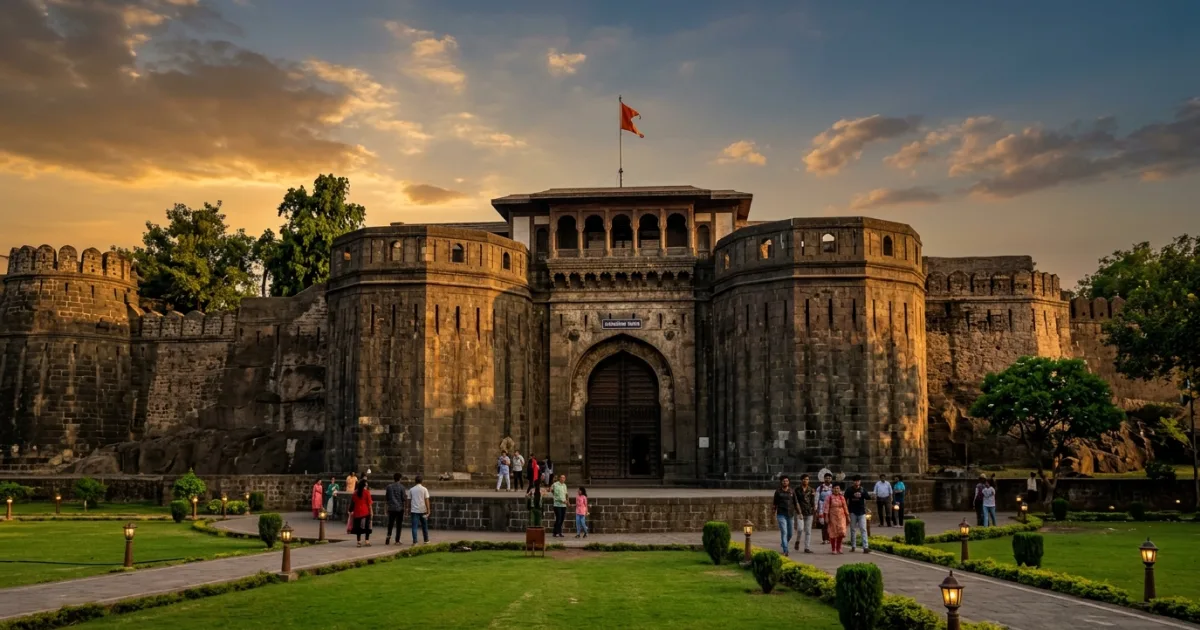
Pune serves as the cultural, academic, and industrial bedrock of Maharashtra. Resting at an elevation of 560 meters on the Deccan Plateau, the city has evolved from an 8th-century agricultural settlement into the seat of the Peshwas in the 18th century, and onward into a premier educational and automobile hub. The architectural fabric preserves this multi-layered heritage through imposing bastions like Shaniwar Wada, the serene colonial-Italianate arcades of the Aga Khan Palace, and the century-old residential alleyways known as the Peths.
Beyond its urban core, Pune is enveloped by the Sahyadri mountains, granting immediate access to legendary Maratha hilltop forts such as Sinhagad, Rajgad, and Torna. The city's extensive student population fosters an energetic social fabric, characterized by third-wave coffee shops, vibrant theater companies, and dynamic indie music venues. Whether exploring centuries of regional statecraft or savoring traditional Maharashtrian thalis, visitors encounter a deeply grounded Indian city operating at a human and walkable scale.
Reasons to Visit
- Rich Maratha History: Explore the epicenter of the Peshwa dynasty through landmarks like Shaniwar Wada and Lal Mahal.
- Aga Khan Palace: Walk through serene Italianate architecture where Mahatma Gandhi was held during the Indian Independence movement.
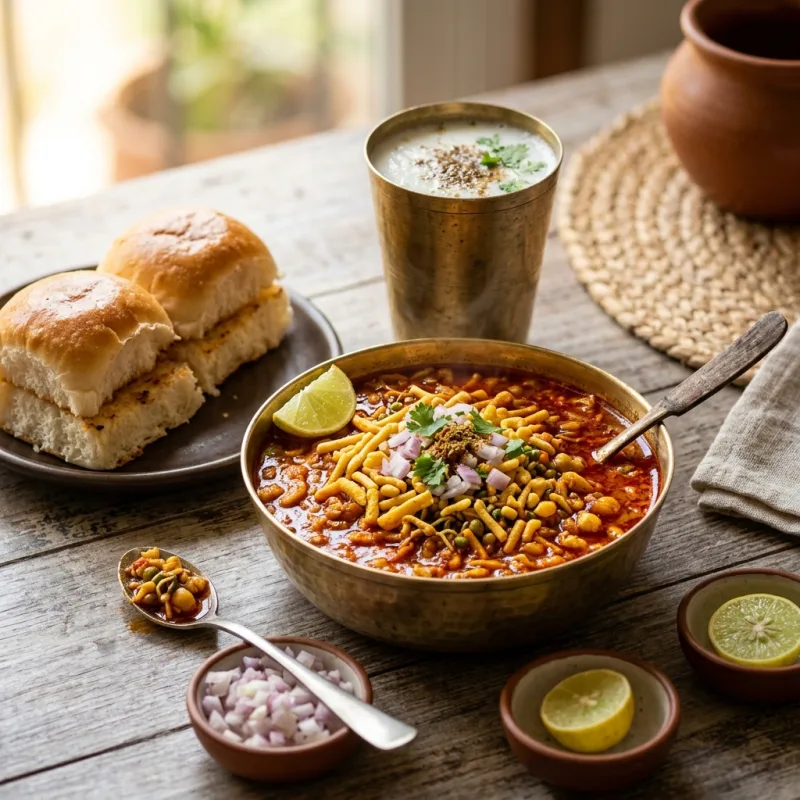
- Authentic Maharashtrian Gastronomy: Sample genuine regional delicacies ranging from fiery Puneri Misal to savory Chitale Bandhu Bakarwadi.
- Gateway to Sahyadri Treks: Embark on weekend hikes to rugged hill fortresses like Sinhagad Fort offering panoramic mountain views.
- Vibrant Cafe Culture: Experience the historic charm of British-era Irani cafes alongside a thriving contemporary craft beer and coffee scene.
Things to Avoid
- Avoid drinking unfiltered tap water; always choose boiled or bottled water from reputable brands.
- Do not travel without coins or small-denomination cash, as street vendors and auto drivers often lack change for 500-rupee notes.
- Avoid planning outdoor sightseeing during the sweltering midday hours between March and May.
- Do not board unmetered auto-rickshaws outside transit hubs without agreeing on an official meter run or fixed price beforehand.
Local Transportation Tips
Pune offers a mix of traditional and modern transportation options. Auto-rickshaws are plentiful; drivers generally adhere to meters, though app-based booking via Uber or Ola eliminates negotiations. The Pune Metro network provides reliable, air-conditioned transit across core transit corridors. Municipal PMPML buses cover exhaustive routes throughout the city, though they can be crowded during peak rush hours. For excursions to Sinhagad Fort or nearby hill stations, booking private app-cabs or renting self-drive vehicles is the most efficient choice.
Travel Etiquette
- Remove your shoes before entering temples, sacred shrines, and private residential homes.
- Dress modestly when visiting religious sites, historic memorials, and traditional market districts.
- Greet locals with 'Namaskar' and folded hands as a universal sign of mutual respect.
- Always ask permission before photographing individuals, especially artisans or priests at temple complexes.
Recommended Age Group
Pune offers balanced experiences across varied age demographics thanks to its cultural diversity and modern urban infrastructure.
- Babies (0-2 years): Neutral. Busy market streets and uneven pavements in historic quarters can be difficult to navigate with strollers, though modern malls and private resorts offer full amenities.
- Kids (3-12 years): Recommended. Children will enjoy the Rajiv Gandhi Zoological Park, open garden spaces at Pu La Deshpande Garden, and scenic fort day trips.
- Teens (13-19 years): Recommended. Active teenagers will appreciate the challenging hiking trails up Sinhagad Fort, interactive science museums, and trendy shopping streets on Fergusson College Road.
- Adults (20-64 years): Recommended. Excellent access to heritage walks, regional dining, historic architecture, craft breweries, and serene wellness retreats.
- Seniors (65+ years): Recommended. Pleasant winter weather, peaceful heritage sites like the Aga Khan Palace, and accessible private transit make it very comfortable for mature travelers.
Accessibility Level: Medium
- Major modern shopping centers, four-star hotels, and Pune Airport terminals feature step-free entrances and accessible elevator networks.
- Historic sites like Shaniwar Wada and outlying forts feature uneven stone paths, steep steps, and limited ramp facilities.
- Pavement quality in older Peth neighborhoods varies, making manual wheelchair navigation challenging without assistance.
- App-based private cabs provide the most practical accessible transit option across the city.
Did You Know?
Pune is affectionately known as the 'Oxford of the East' because it hosts over 30 universities and colleges, attracting more international and interstate students than almost any other city in India.
Cool Statistics
- Elevation: 560 meters (1,840 feet) above sea level, giving it cooler evenings than nearby Mumbai.
- City Age: Historical records trace its existence back to copper plate inscriptions from 758 CE under the Rashtrakuta dynasty.
- Education Hub: Home to Savitribai Phule Pune University, one of India's premier research and educational institutions.






Buy a compatible power adapter for your trip