Disclosure: This site contains affiliate links. We may earn a commission if you make a purchase, at no extra cost to you.

>
>
>
>
Dhundhar Region

Dhundhar Region

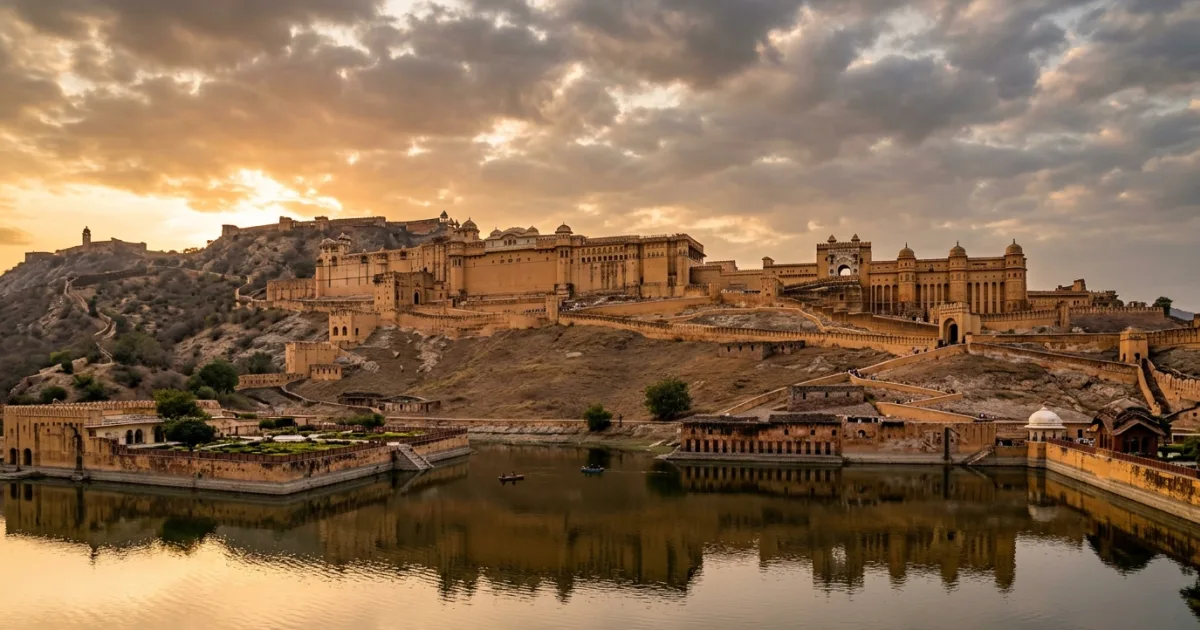
Panoramic view of Amber Fort and the Aravalli hills in the historic Dhundhar Region of Rajasthan

Dhundhar Region Overview & Key Highlights

The Dhundhar Region encompasses the cultural and historical heartland of eastern Rajasthan, centered on the historic capital of Jaipur and stretching across the fertile plains watered by the Dhund River. Defined by rugged Aravalli ridges crowned with imposing red-sandstone citadels, this territory served as the seat of the Kachwaha Rajput clan from their ancient capital of Amber through the meticulously planned 18th-century grid of Jaipur. Travelers journeying across Dhundhar discover a layered landscape where living royal traditions coexist alongside thriving artisan quarters specializing in block printing, blue pottery, and miniature painting. Beyond the famed architectural icons, Dhundhar offers deep rural heritage in towns like Dausa, Tonk, and Sanganer, where stepwells descend into geometric subterranean depths and Nawabi architectural influences emerge. The local culinary identity is renowned for robust Rajasthani staples designed for historical campaigns and celebratory royal banquets alike. Visiting the region provides a balanced immersion into UNESCO World Heritage fortifications, bustling bazaar corridors, and pastoral village settings framed by dramatic arid hillsides.

Dhundhar Region Travel Guide: Logistics & In-Depth Tips

Dhundhar occupies the northeastern sector of Rajasthan, framed by the ancient eroded ridges of the Aravalli Range. Historically ruled by the Kachwaha dynasty who shifted their primary capital from Dausa to Amber in the 11th century, and later to Jaipur in 1727, the region stands as a monumental showcase of Indo-Islamic and Rajput engineering. Its urban centers reflect advanced classical Vastu and astronomical planning, while its hinterland is dotted with ancient stepwells (baoris), defensive watchtowers, and rural crafts communities that have maintained guild practices across generations.

A journey through Dhundhar offers seamless movement between grand historical monuments and immersive cultural landscapes. The region's artisan traditions remain fully operational, with towns like Sanganer and Bagru preserving botanical mud-resist block printing, while central city guilds produce enamel Meenakari jewelry and hand-carved stone filigree. For travelers seeking an authentic slice of Rajasthani life, Dhundhar provides an accessible combination of sophisticated hospitality, historic fortresses, and vibrant market culture.

Reasons to Visit

  • Explore colossal mountain fortresses including Amber, Jaigarh, and Nahargarh overlooking scenic desert lakes.
  • Experience royal planning and celestial science at UNESCO-recognized astronomical observatories and historic city gates.
  • Shop directly from traditional artisan workshops specializing in natural block printing, blue glazed pottery, and silver jewelry.
  • Sample authentic heritage dining centered around centuries-old sweetshops and traditional ghee-laden Rajasthani feasts.
  • Witness intricate subterranean architecture at ancient regional stepwells like Chand Baori in nearby Abhaneri.

Things to Avoid

  • Avoid walking through remote, unlit monument trails around the Aravalli hills after sunset.
  • Do not accept unplanned tours to gem and carpet showrooms offered by commissioned drivers or transit touts.
  • Avoid visiting low-elevation, unshaded fortress battlements during the scorching midday hours from April to June.
  • Refrain from drinking unsealed tap water or consuming ice from unregulated street stalls.

Local Transportation Tips

Travel throughout the Dhundhar region relies on a well-connected network of express rail, state roadways, and localized private transport. Within major cities, app-based ride services (Uber and Ola) and motorized auto-rickshaws provide convenient, affordable transit. For visiting outlying attractions such as Amber, Samode, or Abhaneri, hiring a private car with a dedicated driver for the day is the most time-efficient and comfortable method. State transport buses operate frequent routes connecting rural trading towns across Dausa and Tonk.

Travel Etiquette

  • Remove your shoes and cover your head when entering Hindu temples, Jain shrines, or mosques.
  • Always ask permission before photographing local residents, particularly rural craftspeople and elderly individuals.
  • Use your right hand for greeting, passing payments, and eating finger foods.
  • Dress modestly in all public and religious spaces by keeping shoulders and upper legs covered.

Recommended Age Group

The Dhundhar Region provides engaging historical and sensory experiences across various generations, though terrain must be considered.

  • Babies (0-2 years): Neutral. The cobblestone streets, steep fortress climbs, and crowded markets present significant challenges for strollers, requiring baby carriers.
  • Kids (3-12 years): Recommended. Children will find the expansive palaces, hidden fortress tunnels, astronomical instruments, and puppet shows thoroughly entertaining.
  • Teens (13-19 years): Recommended. Excellent opportunities for heritage photography, interactive artisan workshops, bazaar exploration, and hill hikes.
  • Adults (20-64 years): Recommended. Perfect balance of historical immersion, culinary adventures, architecture, and luxury or boutique heritage lodging.
  • Seniors (65+ years): Recommended. Palace hotels and private chauffeured cars provide comfort, though selective pacing is necessary to manage steep fort ramps.

Accessibility Level: Medium

  • Historic forts and ancient palaces feature numerous stairs, high stone sills, and steep inclined ramps that make independent wheelchair access difficult.
  • Modern transport hubs and higher-end heritage hotels offer level ground-floor entries and elevator infrastructure.
  • Battery-operated golf carts are available at select monument entry plazas, such as the base of Amber Fort, to assist travelers with limited mobility.

Did You Know?

The name 'Dhundhar' is traditionally believed to derive from the Dhundh River, or from Dhundhu, a mythical demon king said in regional folklore to have been slain in these hills by the legendary ruler Kuvalayashva.

Cool Statistics

  • Home to 3 major hilltop fortresses interconnected by kilometers of defensive fortified stone walls.
  • Jaipur's Old City was built based on the principles of Vastu Shastra with 9 distinct rectangular sectors.
  • The region houses Jaivana, once considered the world's largest operational wheeled cannon, cast in 1720 at Jaigarh Fort.


Address:

Dhundhar Region, India

Find Nearby Accommodations

Basic Info

address icon

COUNTRY & Region

India,
Asia

ACCESSIBILITY LEVEL​

Medium
Currency icon

LOCAL CURRENCY​

Indian Rupee (INR)
Price level icon
Low
Safety Level icon

SAFETY LEVEL

Duration icon

Recommended Duration

• 1-7 days
• More than a week

Electricity

electricity icon

Electricity

220-240V, 
50Hz
Plug Socket icon

Plug Type

• Type C (Round pin)
• Type D (Three round pins in a triangular pattern)
• Type M (Three round pins, larger)
Plug types
Click To View Plug Types
Dhundhar Region is part of our
Culinary Heritage collection

Activities To Do In Dhundhar Region

Best Time To Visit Dhundhar Region

Dhundhar is best experienced during the cool, dry winter window when daytime temperatures remain comfortable for walking tours and outdoor fortress exploration.

  • October to March: Peak season with daytime highs around 22°C to 28°C (72°F to 82°F) and clear skies, ideal for sightseeing and major cultural festivals.
  • April to June: Extreme pre-monsoon heat regularly exceeding 40°C (104°F); travel during this period requires early morning activities and sun precautions.
  • July to September: Monsoon season brings periodic heavy rains, high humidity, and lush greenery across the Aravalli hills, with lower tourist foot traffic.

Average Temperatures Per Month

Remember to check the weather forecast a few days before the trip and before heading to the airport.

Safety Level icon

Safety Level

Exercise standard caution in crowded bazaar districts against opportunistic pickpocketing. Politely decline unsolicited offers from aggressive touts or unofficial gem dealers around tourist hubs. Drink exclusively bottled or purified water, and ensure street food is prepared fresh and served steaming hot. Solo female travelers are advised to arrange prepaid transit after dark and dress conservatively to respect local customs.

The rating is based on multi-year peace, crime, and security indices. Before you go, always verify current conditions through official government travel advisories.

Emergency Numbers

Police: 112
Ambulance: 108

No internet needed • Includes local translations • Free for TravelingWiz readers

Spoken Languages

Dhundhari, Hindi, Rajasthani, and English (widely spoken in tourist services and urban commerce).

Learn The Language

  • Namaste: Traditional respectful greeting / Hello
  • Dhanyavaad: Thank you
  • Haan / Nahin: Yes / No
  • Yeh kitne ka hai?: How much does this cost?
  • Kripya madad karein: Please help me
  • Rukhiye: Stop / Wait
  • Paani: Water
  • Alvida: Goodbye
Travel Booking Partner - TravelingWiz

Trip Cost & Budgeting for Dhundhar Region, 2026

Everything you need to know about money while traveling
Is Dhundhar Region expensive for tourists in 2026? No, the Dhundhar region, surrounding Jaipur, remains very affordable for international travelers. Expect to pay around 180 INR for a cappuccino, 200 INR for a domestic beer, and 500 INR for a mid-range restaurant meal. Our research relies on Human Verified prices to help you plan accurately. Use the data table below to calculate your specific daily budget based on your travel style.
Currency icon

LOCAL CURRENCY​:

Indian Rupee (INR)
Price level icon
Low
Credit cards work at major hotels and restaurants, but cash is necessary for rickshaws, markets, and small vendors.

Per person, per day – pocket cash for small purchases.

Local: 550
Indian Rupee (INR)
≈ 6 USD

Full daily spend estimation (accommodation, food, transportation, attractions).

Travel Style
Indian Rupee (INR)
≈ USD ($)
Budget
3050
32
Mid-range
5500
57
Comfort
12100
126

The Prices, Daily costs, and calculator results are estimates for planning purposes only. Actual costs may vary based on season, booking timing, personal spending habits, and currency fluctuations. TravelingWiz cannot be held responsible for discrepancies between these estimates and your final trip expenses.

  • • Use ride-hailing apps like Uber or Ola to secure fair rates instead of unmetered auto-rickshaws.
  • • Visit local heritage thali eateries for generous, authentic Rajasthani meals at budget-friendly prices.
  • • Purchase the Jaipur Composite Entry Ticket to save significantly on top regional forts and monuments.
  • • Haggle politely in traditional bazaars like Johari and Bapu, starting 30 to 50 percent below initial quotes.

Pre-Order Tickets

Avoid disappointment when tickets sell out — and skip the long lines by booking online in advance. You’ll often save up to 20% too.
Save up to 20%

Travel Discounts & Coupons

Save on hotels, attractions, transport, and gear — find verified discounts for smarter travel spending.
Verified Coupons

What To Pack

  • Modest, lightweight cotton or linen clothing covering shoulders and knees for temple visits
  • Sturdy walking shoes with reliable tread for traversing uneven fort cobblestones and steep ascents
  • Broad-spectrum sunscreen, polarized sunglasses, and a wide-brim hat for intense midday sun
  • Universal travel adapter compatible with Type C, D, and M electrical sockets
  • Light wool layers or a windproof jacket for brisk winter mornings and desert evenings
  • Hand sanitizer and electrolyte powder packets for daily hydration
We couldn't find tips for Dhundhar Region.
If you got any, please share

Recommended Itineraries for Traveling to Dhundhar Region

We couldn't find itineraries for Dhundhar Region.
you can contact us for custom trip plan

Food & Drink Highlights

Local Food Overview

Dhundhari gastronomy is a cornerstone of royal and rural Rajasthani culinary traditions, shaped historically by arid conditions and martial lifestyles. Dishes feature heavy uses of clarified butter (ghee), gram flour (besan), lentils, and dry spices that could endure long preservation without refrigeration. Bread making is an art form here, ranging from rustic wheat-and-millet flatbreads to fire-baked dough balls served with spiced pulses and sweetened crushed wheat. The regional confectionery culture is exceptionally rich, producing milk-reduced fudges and syrup-soaked honeycombed pastries celebrated across northern India.
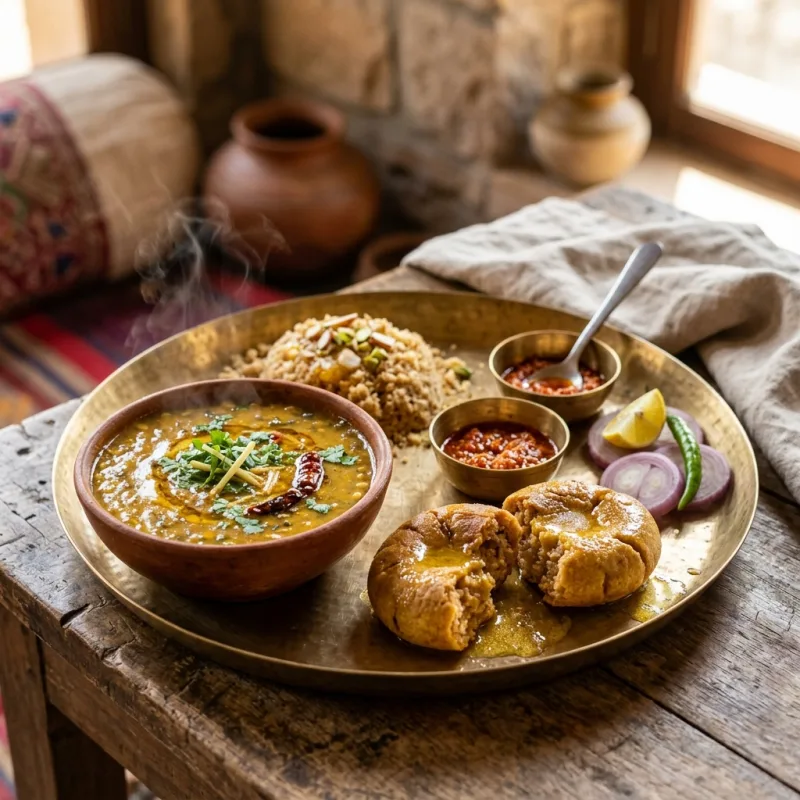
Authentic Rajasthani Dal Baati Churma platter served in traditional brass tableware with ghee and chutneys

Must Try Dish

Dal Baati Churma - A legendary regional meal consisting of round wheat flour dumplings baked over coals, crushed and soaked in rich clarified butter, paired with a five-lentil spicy stew and sweet pulverized wheat churma.
Food Experiences Title Icon

Food
Experiences

Discover cooking classes, tastings and local food tours

No food experience found
Maya, the human travel expert at TravelingWiz, offering curated, non-AI expertise

Maya’s Final Checklist for Dhundhar Region

Logistics shouldn’t be the focus of your trip—the experience should. I’ve hand-vetted these essential partners to ensure your arrival, stay, and exploration are as smooth as an Athenian breeze.

Where to Stay

From boutique hotels to local apartments—compare thousands of options and find the perfect stay in the best neighborhood.

Air Travel

Getting there should be seamless. Compare the best routes and prices across top airlines to start your journey on the right note.

Local Guides

Connect with experts who know the destination best. Get personalized advice and insider tips to help you plan your perfect trip.

Travel Protection

The “Engineer’s” rule: always have a backup. Secure your trip with a plan that covers every “what if” and unexpected change.

Car Rentals

Explore at your own pace with total freedom. Compare reliable rental options and find the right vehicle for your adventure.

Visa Services

Don’t let paperwork slow you down. Get expert assistance with your application to ensure all your entry documents are in order.

FAQs

Historically, Dhundhar centers around Jaipur and covers neighboring districts including Dausa, Tonk, and parts of Sawai Madhopur, distinguished by the Dhundhari dialect and Kachwaha Rajput history.
Intercity trains and modern highways connect regional hubs, while private taxis, local buses, and auto-rickshaws are the most efficient means for day trips to outer forts and artisan towns.
Yes, the region has well-established tourism infrastructure, extensive rail and road connectivity, and widespread English proficiency in commercial and hospitality establishments.

Your Insights Matter

TravelingWiz grows through the stories of our community. If you’ve recently explored ,Dhundhar Region share your tips and stories to help us perfect our guides for the next traveler.

Related Articles

Check out our related articles and blog posts to learn even more about the destination.

No related articles found

Don’t Travel Alone

Share with your friends and family

Where should we send your offline card?

We hate spam just as much as you do

newsletter_consent *