Ajmer is a dynamic cultural crossroads in the heart of Rajasthan, wrapped in the rugged folds of the ancient Aravalli mountains. As one of the state's most prominent heritage destinations, it has stood as a bastion of varied civilizations, from early Chauhan Rajputs to the Delhi Sultanate, the Mughals, and the British Raj. The soul of the city resides at the Ajmer Sharif Dargah, the 13th-century resting place of the Persian Sufi saint Hazrat Khwaja Moinuddin Chishti. Daily, tens of thousands of worshippers of all religious backgrounds file through its ornate silver gates to offer fragrant rose petals and elaborate embroidered chaadars.
A short distance from the shrine stands the Adhai Din Ka Jhonpra, an extraordinary relic of early Indo-Islamic architecture built from the spoils of ancient Hindu and Jain temples in 1199 CE. High above the urban sprawl rests the brooding Taragarh Fort, offering panoramic vantage points across the valley. Down below, life slows down around the sprawling Ana Sagar Lake, where white marble pavilions constructed by Emperor Shah Jahan reflect upon tranquil waters. Ajmer bridges deep spiritual introspection with lively North Indian street energy, serving as an irreplaceable cornerstone of any Rajasthani cultural journey.
Reasons to Visit
- Experience the transcendent spiritual devotion and qawwali music at Ajmer Sharif Dargah.
- Marvel at the intricate stone arches and antique pillars of the 12th-century Adhai Din Ka Jhonpra.
- Enjoy peaceful sunsets and scenic boat rides along the historic waters of Ana Sagar Lake.
- Explore imperial Mughal history at the Akbar Fort and Museum, featuring royal Rajput weaponry and sculptures.
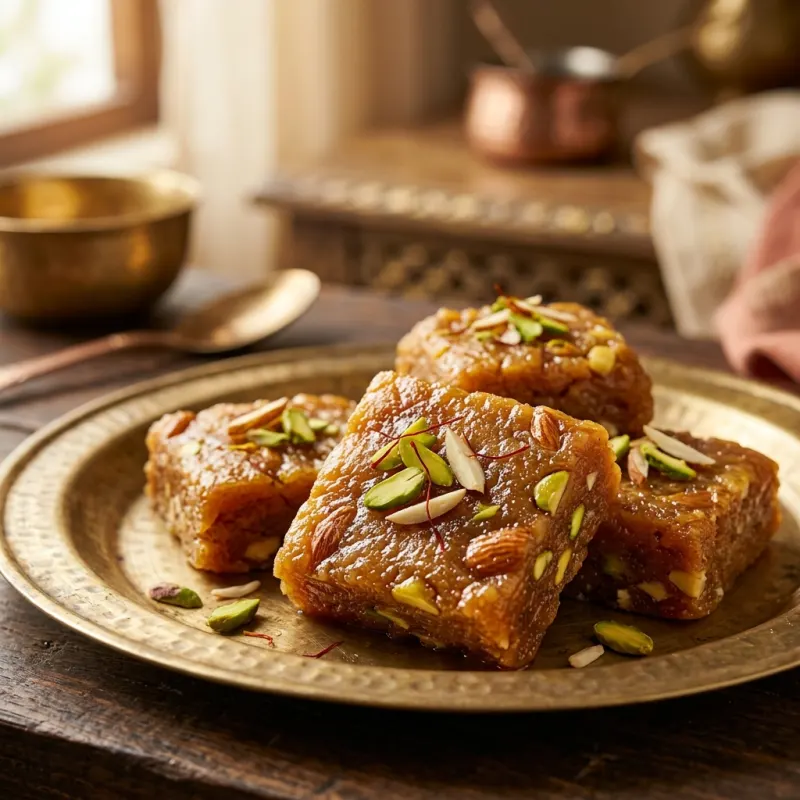
- Savor rich culinary delicacies, from street-side kadhi kachori to artisanal Sohan Halwa.
Things to Avoid
- Avoid carrying large bags, cameras, or valuable electronic items into the Dargah, as security checkpoints are strict and locker facilities are limited.
- Do not accept unsolicited services from aggressive 'khadims' or tour touts promising private access to holy inner sanctums for inflated sums.
- Avoid visiting the core shrine areas during peak Friday afternoon prayers if you are uncomfortable with extreme crowd density.
- Do not walk into temples or shrines with shoes on; always store them in designated shoe-holding stands near entry gates.
Local Transportation Tips
Ajmer is well-connected by Indian Railways, with Ajmer Junction serving as a key stop on the Delhi-Jaipur-Ahmedabad line, including premium Vande Bharat and Shatabdi Express services. The nearest airport is Kishangarh Airport (KQH), located 30 kilometers away, with additional international connections available via Jaipur International Airport (JAI), 135 kilometers east. Within the city, auto-rickshaws provide the most practical transit through crowded lanes, while cycle-rickshaws operate on short inner-market stretches. App-based taxi aggregators run reliably between railway stations, major hotels, and nearby Pushkar.
Travel Etiquette
- Remove footwear and wash your hands and feet at the ablution tanks before stepping onto sacred shrine grounds.
- Always carry a head covering such as a scarf, rumal, or dupatta; caps are also sold outside every religious site entrance.
- Dress conservatively throughout the city, avoiding sleeveless tops, tank tops, and shorts above the knee.
- Ask for permission before taking photographs of local pilgrims, vendors, or religious ceremonies inside sacred precincts.
Recommended Age Group
Ajmer offers enriching historical and cultural discoveries, though its crowded bazaars and spiritual sites require stamina.
- Babies (0-2 years): Not Recommended. Narrow bazaar lanes, overwhelming noise, and intense crowds around pilgrimage centers present significant logistical challenges with strollers.
- Kids (3-12 years): Neutral. Children interested in grand fortresses and boat rides will enjoy Ana Sagar Lake, but the dense crowds around shrine quarters require constant supervision.
- Teens (13-19 years): Recommended. Teenagers will appreciate the rich medieval history, architectural photography opportunities, bustling street markets, and vibrant local cuisine.
- Adults (20-64 years): Recommended. Exceptional historical depth, profound spiritual traditions, bustling market heritage, and effortless accessibility make it ideal for adult travelers.
- Seniors (65+ years): Recommended. Highly rewarding for culturally and spiritually inclined senior travelers, though navigating uneven stone steps inside historic complexes requires steady mobility.
Accessibility Level: Medium
- Historic sites such as Taragarh Fort and Adhai Din Ka Jhonpra involve uneven stone terrain, steep ramps, and ancient steps with limited barrier-free access.
- The core lanes leading to Ajmer Sharif Dargah are heavily pedestrianized, narrow, and often packed with crowds, making wheelchair navigation very difficult.
- Ana Sagar Lake promenade and the modern circuit house areas feature flatter, paved walking tracks with easier access for mobility-impaired visitors.
- Modern mid-range and heritage hotels offer elevator facilities, but advance coordination with accommodation staff is strongly advised.
Did You Know?
The two giant iron cauldrons (degs) inside the Ajmer Sharif Dargah courtyard, donated by Mughal Emperors Akbar and Jahangir in the 16th and 17th centuries, can cook up to 4,800 kilograms of sweet saffron rice pudding (kheer) at a single time for distribution to the poor.
Cool Statistics
- Founded in the 7th century CE, making it one of Rajasthan's oldest continually inhabited cities.
- Ana Sagar Lake spans an impressive catchment area exceeding 13 kilometers in circumference.
- Over 500,000 pilgrims congregate annually during the legendary Urs festival honoring Khwaja Moinuddin Chishti.






Buy a compatible power adapter for your trip