Disclosure: This site contains affiliate links. We may earn a commission if you make a purchase, at no extra cost to you.
Bikaner

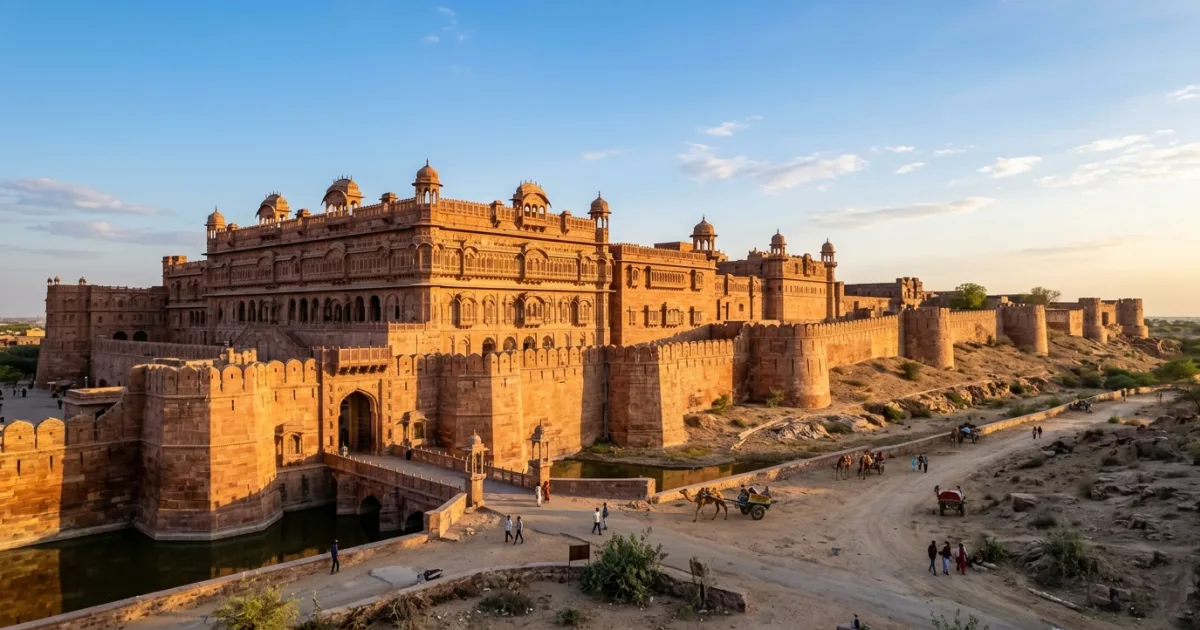
Junagarh Fort made of red sandstone in Bikaner under a clear desert sky

Basic Info

COUNTRY & Region

India,
Asia

ACCESSIBILITY LEVEL​

  • High: Widely accessible with good facilities for disabilities.
  • Medium: Some accessible options, but limitations exist.
  • Low: Limited accessibility; many barriers for disabilities.
Medium

LOCAL CURRENCY​

Indian Rupee (INR)

Price Level

Low – budget‑friendly basics

Medium – moderate mid‑range costs

High – pricey lodging, dining & transport

Low

SAFETY LEVEL

5 shields = Excellent – very low crime or conflict.

4 shields = Safe – low risk, routine care.

3 shields = Relatively safe – use normal street smarts.

2 shields = Use caution – higher crime or periodic unrest.

1 shields = Avoid – active conflict or extreme danger.

Scores are derived from multi-year peace, homicide and security indices blended into a single 1-to-5 scale.

Recommended Duration

1-7 days

Bikaner Overview & Key Highlights

Bikaner is an ancient desert citadel situated in the Thar Desert of Rajasthan, founded in 1488 by Rao Bika. Known as the Red City due to its extensive use of red sandstone architecture, the destination preserves an authentic medieval atmosphere largely free from the commercial crowds found in neighboring desert hubs. The centerpiece of the city is Junagarh Fort, a formidable 16th-century fortification filled with elaborate Rajput courtyards, mirror halls, and painted pavilions. Beyond royal history, Bikaner holds global fame as India's premier savory snack capital, producing legendary Bikaneri bhujia and delicate milk sweets. Travelers exploring Bikaner will discover an intricate network of narrow alleys lined with centuries-old merchant havelis in the Old City. The surrounding desert landscape offers peaceful camel safaris and access to the National Research Centre on Camel, one of the premier camel breeding institutes in Asia. Just thirty kilometers south lies Deshnoke's Karni Mata Temple, renowned for its revered sacred rats. With its palatial heritage hotels, robust culinary traditions, and sweeping desert panoramas, Bikaner presents an unfiltered glimpse into classic Marwar culture.

Bikaner Travel Guide: Logistics & In-Depth Tips

Founded in 1488 CE by Rao Bika, a Rathore Rajput prince and son of the founder of Jodhpur, Bikaner rose as an indispensable desert stronghold along trans-Asian caravan trade routes. Unlike many Rajput fortresses constructed atop steep hills, Bikaner's crown jewel, Junagarh Fort, was erected directly on flat desert terrain, depending on impenetrable red sandstone ramparts, moats, and fortified bastions for protection. The city's architectural legacy flourished under Maharaja Rai Singh and Maharaja Ganga Singh, who blended Mughal, Rajput, and British architectural aesthetics.

Today, Bikaner offers an immersive voyage into timeless Rajasthani traditions without the commercialized veneer of larger tourist epicenters. Walking through the Rampuria Havelis reveals intricate jharokhas (latticed balconies) carved by master stonemasons, while the vibrant lanes of Kote Gate hum with spice vendors, bangle makers, and confectioners. From tranquil sunrises over sweeping desert dunes to palatial royal courts, Bikaner remains a captivating gateway into Rajasthan's desert soul.

Reasons to Visit

  • Junagarh Fort: One of India's few unvanquished desert fortresses, featuring immaculate 16th-century gold-leaf artwork, mirror halls, and royal defense artifacts.
  • Rampuria Havelis: Stunning red sandstone merchant mansions showcasing masterwork Victorian and Rajput stone carving.
  • Culinary Excellence: The birthplace of authentic Bikaneri Bhujia, rasgulla, and rich Marwari thalis.
  • National Research Centre on Camel: An educational facility where visitors can observe camel breeding and taste fresh camel milk ice cream.
  • Karni Mata Temple: An extraordinary spiritual destination dedicated to the worship of revered sacred rats (kabas).

Things to Avoid

  • Avoid planning intensive outdoor walking tours during the midday hours from April to August when temperatures can turn dangerously hot.
  • Do not accept unsolicited hotel or camel safari tours from touts approaching you at Bikaner Junction railway station.
  • Avoid wearing footwear into religious shrines; carry disposable socks instead.
  • Avoid consuming untreated tap water or unpeeled raw fruits from street carts.
  • Do not photograph local residents or women in the old bazaar without asking courteous permission first.

Local Transportation Tips

Auto-rickshaws are the most practical way to traverse Bikaner, particularly within the congested Old City where automobiles cannot fit. Always agree on the fare prior to departure or request the meter. Cycle rickshaws provide an atmospheric and eco-friendly option for short bazaar rides. For excursions to the National Research Centre on Camel or Karni Mata Temple in Deshnoke, hire a private chauffeured taxi through your hotel or use the local government bus network departing from the main bus stand.

Travel Etiquette

  • Dress conservatively by covering shoulders, chest, and knees when visiting monuments, shrines, and old town residential areas.
  • Always remove your shoes, leather belts, and hats before stepping into temple sanctorums.
  • Use your right hand for eating food, giving payments, and receiving sacred offerings (prasad).
  • Greet locals with folded hands and a sincere 'Namaste' to establish mutual respect.
  • Ask for permission before photographing worshipers or priests during holy rituals.

Recommended Age Group

Bikaner offers rewarding cultural experiences, though desert terrain and walking conditions require consideration for different ages.

  • Babies (0-2 years): Not Recommended. Narrow cobbled alleys, uneven fort staircases, and dusty desert winds present significant stroller and mobility difficulties.
  • Kids (3-12 years): Recommended. Children thoroughly enjoy the open-air camel interaction at the Camel Research Centre and exploring the sprawling courtyards of Junagarh Fort.
  • Teens (13-19 years): Recommended. Desert safaris, dune exploration, spicy street food tours, and remarkable photography opportunities appeal strongly to older youth.
  • Adults (20-64 years): Recommended. Perfect demographic for absorbing deep historical architecture, shopping for authentic textiles, and enjoying heritage hotel stays.
  • Seniors (65+ years): Neutral. Rich cultural rewards exist, but significant walking and step climbing inside historic fortresses may challenge travelers with limited mobility.

Accessibility Level: Medium

  • Junagarh Fort features ramps for ground courtyards, though upper palace chambers and royal pavilions require navigating narrow stone staircases.
  • Old City haveli streets are unpaved in sections, narrow, and often packed with pedestrian traffic, making manual wheelchair navigation challenging.
  • High-end heritage palace hotels such as Laxmi Niwas Palace provide ground-floor accessible rooms and flat entryways.
  • Most local auto-rickshaws and transport vehicles lack specialized wheelchair loading ramps.

Did You Know?

Junagarh Fort has never been captured in history, with the exception of a single brief one-day occupation by Mughal Prince Kamran Mirza in 1534, after which it was promptly recaptured by Rao Jait Singh.

Cool Statistics

  • 1488: Year Rao Bika laid the foundation of Bikaner.
  • 37: Number of bastions defending the Junagarh Fort compound.
  • 400+ Havelis: Historic merchant mansions dotting the old town quarters.
  • 25,000+: Estimated population of sacred rats protected inside Deshnoke's Karni Mata Temple.

Address:

Bikaner, India

Find Nearby Accommodations

Electricity

220-240V, 
50Hz

Plug Type

Type C (Round pin), Type D (Three round pins in a triangular pattern), Type M (Three round pins, larger)
Plug types
Click To View Plug Types
Bikaner is part of our
Culinary Heritage collection

Activities To Do In Bikaner

Best Time To Visit Bikaner

Bikaner experiences an arid desert climate characterized by scorching summers and mild, pleasant winters. The ideal window for exploration spans the cool season.

  • Peak Season (October to March): Daytime temperatures range between 20°C and 28°C with crisp, cold nights dropping to 5°C. This period is ideal for sightseeing, camel treks, and attending the annual Bikaner Camel Festival in January.
  • Shoulder Season (April and September): Transitional months marked by rising temperatures reaching 38°C. Sightseeing is viable during early mornings and late afternoons.
  • Off-Peak Season (May to August): Intense summer heat with temperatures frequently exceeding 45°C, accompanied by hot desert winds (Loo) and occasional brief monsoon showers. Outdoor activities are heavily restricted.

Average Temperatures Per Month

Average monthly temperaturesMonthly source values, with Celsius and Fahrenheit equivalents in the following data table.5°41°14°57°23°73°31°88°40°104°JanJan: 14°C / 57°FFebFeb: 20°C / 68°FMarMar: 25°C / 77°FAprApr: 31°C / 88°FMayMay: 35°C / 95°FJunJun: 35°C / 95°FJulJul: 32°C / 90°FAugAug: 31°C / 88°FSepSep: 31°C / 88°FOctOct: 29°C / 84°FNovNov: 22°C / 72°FDecDec: 16°C / 61°F
View temperature data
Average monthly temperatures
Month°C°F
Jan1457
Feb2068
Mar2577
Apr3188
May3595
Jun3595
Jul3290
Aug3188
Sep3188
Oct2984
Nov2272
Dec1661

Remember to check the weather forecast a few days before the trip and before heading to the airport.

Safety Level

5 shields = Excellent – very low crime or conflict.

4 shields = Safe – low risk, routine care.

3 shields = Relatively safe – use normal street smarts.

2 shields = Use caution – higher crime or periodic unrest.

1 shields = Avoid – active conflict or extreme danger.

Scores are derived from multi-year peace, homicide and security indices blended into a single 1-to-5 scale.

Bikaner is generally peaceful and secure for international and domestic travelers. The local populace is hospitable, though basic street vigilance is advised in dense bazaars around Kote Gate to prevent petty theft. When navigating narrow alleyways in the Old City, yield space to free-roaming cattle and motorbikes. Solo female travelers should dress modestly, covering shoulders and knees, to respect conservative local customs and avoid unwanted stares. Always drink bottled or filtered water and avoid raw ice cubes from informal street stalls.

The rating is based on multi-year peace, crime, and security indices. Before you go, always verify current conditions through official government travel advisories.

Emergency Numbers

Police: 112
Ambulance: 108

No internet needed • Includes local translations • Free for TravelingWiz readers

Spoken Languages

Hindi, Marwari, English
Travel Booking Partner - TravelingWiz

Learn The Language

  • Namaste — Hello / Greetings
  • Dhanyavaad — Thank you
  • Kitna hua? — How much is this?
  • Haan / Nahin — Yes / No
  • Aap kaise hain? — How are you?
  • Kripya — Please
  • Ruko — Stop
  • Madad chahiye — I need help

Trip Cost & Budgeting for Bikaner, 2026

Everything you need to know about money while traveling
Is Bikaner expensive for tourists in 2026? No, Bikaner remains a budget-friendly destination in Rajasthan offering high value for travelers. With Human Verified prices, you can expect to pay around 120 INR for a cappuccino, 180 INR for a domestic beer, and 400 INR for a standard mid-range restaurant meal. Accommodation and transport are similarly reasonable. Use the data table below to calculate your specific daily budget based on your travel style.

LOCAL CURRENCY​:

Indian Rupee (INR)

Price Level:

Low – budget‑friendly basics

Medium – moderate mid‑range costs

High – pricey lodging, dining & transport

Low

Cards Vs. Cash

Cards are accepted at larger hotels, but cash is necessary for local markets, street food, and auto-rickshaws.

How Much Cash to Carry (on you)

Per person, per day – pocket cash for small purchases.

Local: 420
Indian Rupee (INR)
≈ 5 USD

Average Daily Costs (per person)

Full daily spend estimation (accommodation, food, transportation, attractions).

Travel Style
Indian Rupee (INR)
≈ USD ($)
Budget
2300
25
Mid-range
4200
45
Comfort
9250
100
Note

The Prices, Daily costs, and calculator results are estimates for planning purposes only. Actual costs may vary based on season, booking timing, personal spending habits, and currency fluctuations. TravelingWiz cannot be held responsible for discrepancies between these estimates and your final trip expenses.

Best Value Tips

  • • Take shared auto-rickshaws or local transport rather than hiring private taxis for short trips.
  • • Try traditional Rajasthani thalis at local eateries for filling and affordable dining.
  • • Visit Junagarh Fort independently and use the audio guide rather than hiring expensive tour operators.
  • • Buy authentic Bikaneri bhujia and textiles directly in the Old City bazaars.

Tours & Tickets

Explore tours, attractions, and ticket options to plan your visit.
Plan ahead

Travel Offers & Coupons

Browse travel offers and coupons from our affiliate partners.
Affiliate partner offers

What To Pack

  • Breathable cotton or linen clothing for daytime sun exposure
  • Warm fleece jacket, thermal base layers, and shawl for chilly desert nights between November and February
  • Sturdy closed-toe walking shoes for historic paved alleys and fort exploration
  • Broad-spectrum sunscreen, high-SPF lip balm, and sunglasses
  • Wide-brimmed sun hat and a lightweight scarf to protect against desert dust
  • Slip-on socks for visiting temples where outdoor footwear must be removed
  • Moisturizing skin cream and throat lozenges for the dry desert climate
  • Universal power adapter compatible with Type D and M electrical outlets
Only the good stuff!
Browse recommended travel gear
Check out our free packing list tool

Recommended Itineraries for Traveling to Bikaner

Take your itinerary with you

Choose a ready-made itinerary, plan your own trip, and keep TravelingWiz by your side while you travel.

Get the TravelingWiz app

Food & Drink Highlights

Local Food Overview

Bikaner's gastronomic identity is shaped by arid desert traditions and royal Marwar palace recipes. Due to the scarcity of fresh water and leafy vegetables historically, cooking heavily utilizes gram flour (besan), buttermilk, dried berries (ker), and wild desert beans (sangri). The city is globally recognized for Bikaneri Bhujia, a spicy, crispy extruded snack made of moth bean flour and ground spices that holds a prestigious Geographical Indication (GI) tag. Sweets are equally celebrated, particularly creamy Rasgullas and ghevar made from dense, rich local buffalo and camel milk.

Must Try Dish

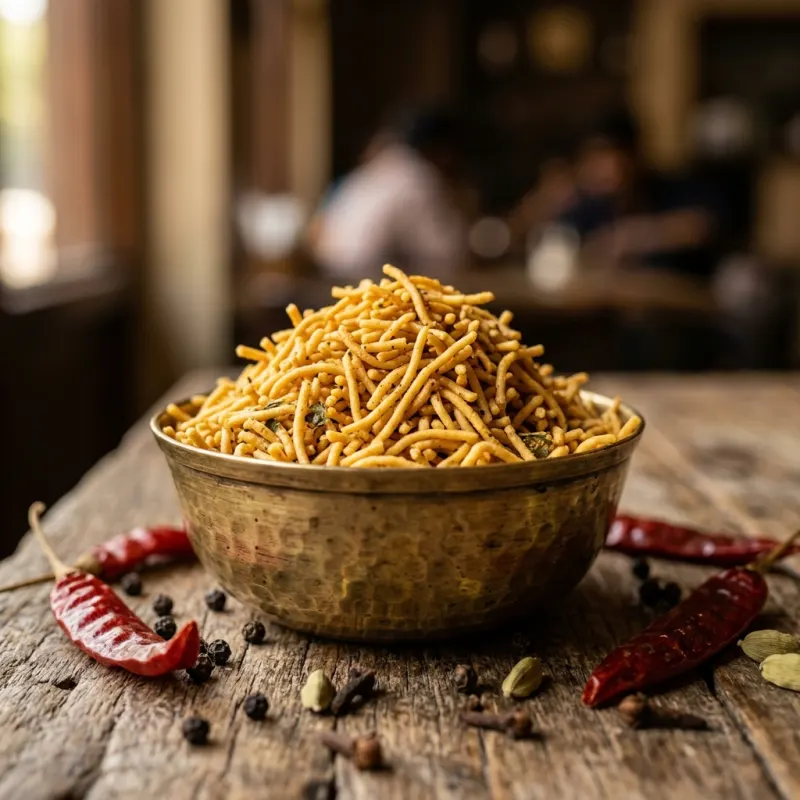
Bikaneri Bhujia - A world-famous crispy, golden savory snack prepared using moth dal flour, besan, and fiery black pepper. Fried to airy perfection, it delivers an iconic crunch and distinct spicy kick found in every local tea stall.
Bowl of authentic crispy golden Bikaneri Bhujia snack with whole spices

Maya’s Final Checklist for Bikaner

Logistics shouldn’t be the focus of your trip—the experience should. I’ve hand-vetted these essential partners to ensure your arrival, stay, and exploration are as smooth as an Athenian breeze.

Maya, the human travel expert at TravelingWiz, offering curated, non-AI expertise

Where to Stay

Compare accommodation options and choose a stay that suits your plans and budget.

Air Travel

Compare flight options and find a route that fits your plans.

Local Guides

Connect with local guides for personalized help planning and exploring.

Travel Protection

The “Engineer’s” rule: always have a backup. Secure your trip with a plan that covers every “what if” and unexpected change.

Car Rentals

Compare rental options and choose a car that suits your trip.

Visa Information

Don’t let paperwork slow you down. Get expert assistance with your application to ensure all your entry documents are in order.

FAQs

Two full days are ideal to explore Junagarh Fort, the Rampuria Havelis, the Camel Research Centre, and undertake a half-day excursion to Karni Mata Temple in Deshnoke.
Bikaner is well-connected by direct express trains to New Delhi, Jaipur, and Jodhpur. The nearest major commercial airports are Jodhpur (250 km) and Jaipur (330 km), while Bikaner’s domestic Nal Airport operates limited regional flights.
Yes, the temple is safe, but visitors must walk barefoot among thousands of revered rats. Wearing thick socks that can be discarded afterward is widely recommended for comfort.
Yes, short camel rides and multi-day Thar Desert camel safaris are available through licensed operators and desert camps around the outskirts of the city.

Your Insights Matter

TravelingWiz grows through the stories of our community. If you’ve recently explored ,Bikaner share your tips and stories to help us perfect our guides for the next traveler.

Where should we send your offline card?

We hate spam just as much as you do

newsletter_consent *