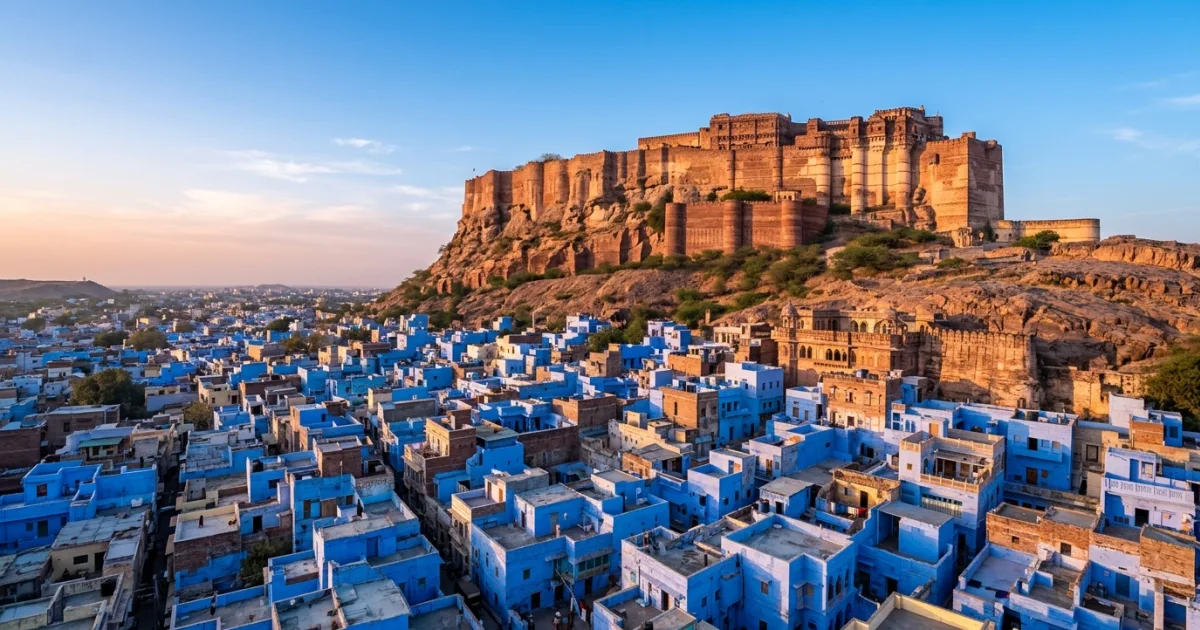
Jodhpur commands a majestic presence on the edge of the Thar Desert, acting as a living testimony to the martial ethos and cultural extravagance of the Rathore dynasty. Dominated by the sheer basalt cliff supporting Mehrangarh Fort, the cityscape blends soaring sandstone masonry with peaceful subterranean architecture like stepwells. Walking through the narrow alleyways reveals vivid murals, carved wooden doorways, and the daily cadence of Marwari family life played out on verandas.
The city's vibrant identity extends well beyond its monuments into sensory daily experiences. The air in Sardar Market is perfumed with dried red Mathania chillies, cardamom, and frankincense, while artisans in narrow alleys hammer brass, weave dhurrie rugs, and hand-dye Bandhej fabrics. Modern Jodhpur bridges its medieval legacy and dynamic present, offering travelers both palatial luxury at Umaid Bhawan Palace and genuine warmth in the labyrinthine alleys of the old town.
Reasons to Visit
- Mehrangarh Fort: One of India's best-preserved hill forts, featuring palatial museum galleries, historic armories, and sweeping panoramic views.
- The Blue Quarters of Navchokiya: Photogenic alleys lined with vivid indigo houses, traditional doorways, and friendly residential neighborhoods.
- Toorji Ka Jhalra: An exquisitely restored 18th-century stepwell surrounded by atmospheric cafes and boutiques.
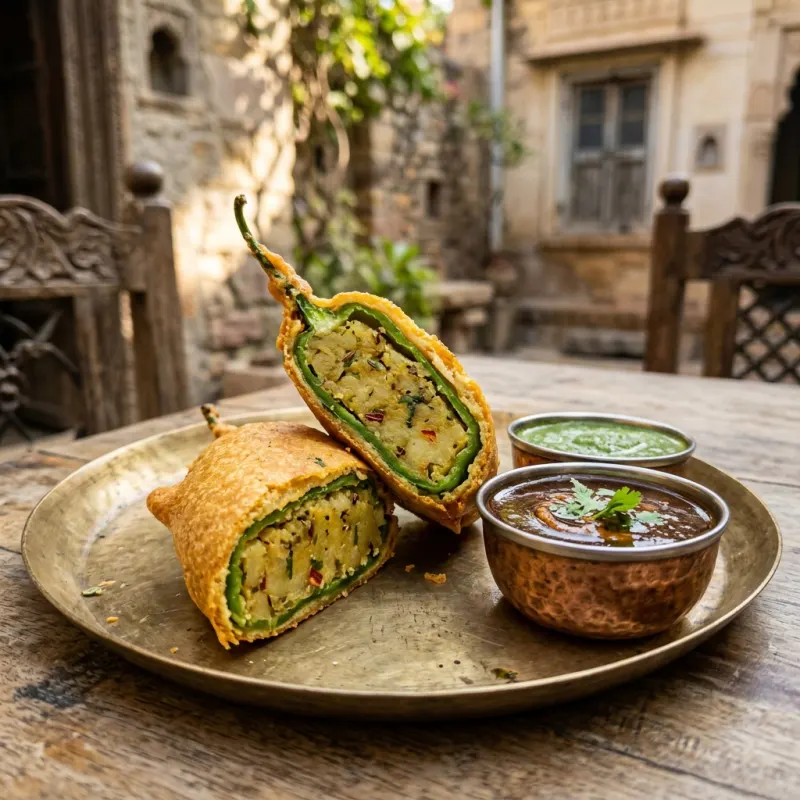
- Marwari Street Food: World-renowned deep-fried delicacies including Mirchi Vada, Pyaaz Kachori, and rich Makhaniya Lassi.
- Jaswant Thada: A tranquil white marble memorial complex built in 1899, surrounded by landscaped gardens and a reflective lake.
Things to Avoid
- Avoid booking generic package tours that rush through Mehrangarh Fort in under two hours; allocate half a day to appreciate the museum collections and audio tour.
- Do not accept unsolicited gemstone or spice shopping recommendations from auto-rickshaw drivers seeking commissions.
- Avoid planning outdoor sightseeing during mid-day hours in the hotter months of April to June.
- Do not drink unboiled tap water or consume iced beverages from roadside carts lacking clean water filtration.
Local Transportation Tips
Navigating Jodhpur requires a combination of walking and short-distance motorized transit. Within the walled old city, lanes are too narrow for standard cars, making walking the most practical option. Auto-rickshaws (three-wheelers) are ubiquitous and serve as the main transportation between the old city, train station, and outlying sights such as Umaid Bhawan Palace and Mandore Gardens. Always negotiate the rickshaw fare before boarding or use rideshare apps where available. For day trips to Osian or Bishnoi villages, hiring a private taxi with a reputable driver is the most convenient choice.
Travel Etiquette
- Dress modestly by covering shoulders, cleavage, and legs when entering temples, shrines, and local residential quarters.
- Remove shoes before entering religious sanctuaries, stepwell water basins, and private residences.
- Ask permission before taking portraits of locals, especially sadhus, women, and shopkeepers.
- Use your right hand when giving or receiving money, items, or food.
- Greet locals with folded hands and a respectful 'Namaste' to build instant rapport.
Recommended Age Group
Jodhpur is an evocative destination that appeals across generations, although navigating its historic fabric requires varying levels of mobility.
- Babies (0-2 years): Not Recommended. Narrow, uneven cobblestone alleys, high stepwell drops, and lack of smooth stroller paths make navigating with infants physically demanding.
- Kids (3-12 years): Neutral. Children enjoy the fort ramparts, cannon displays, and zip-lining over the fortress moats, but long walking tours in desert heat can cause fatigue.
- Teens (13-19 years): Recommended. Thrilling flying-fox zip lines at Mehrangarh, vibrant photography angles in the Blue City, and street food safaris offer strong appeal.
- Adults (20-64 years): Recommended. Perfect demographic for absorbing deep historical architecture, textile shopping, stepwell photography, and desert excursions.
- Seniors (65+ years): Neutral. While royal palaces and cultural performances are deeply enriching, the steep gradients, fortress ramps, and uneven stairs require moderate stamina or private vehicle hire.
Accessibility Level: Medium
- Mehrangarh Fort features elevator access to major museum levels for travelers with limited mobility, though ramparts and outer ramp approaches remain steep.
- The ancient inner city and Navchokiya quarters have uneven stone pavers, open drains, and staircases that present severe barriers for wheelchair users.
- Modern luxury hotels and palace resorts provide flat-entry lobbies and adapted rooms, but street-level accessibility throughout municipal monuments remains limited.
Did You Know?
The towering ramparts of Mehrangarh Fort were chosen by director Christopher Nolan as the backdrop for the underground prison 'The Pit' in the blockbuster film The Dark Knight Rises.
Cool Statistics
- 1459: The year Rao Jodha established the city of Jodhpur.
- 125 meters: The elevation of Mehrangarh Fort above the surrounding city plains.
- 347: The number of rooms within Umaid Bhawan Palace, one of the world's largest private residences.
- 6: Distinct gates guarding the entrance ramparts of Mehrangarh Fort.






Buy a compatible power adapter for your trip