Disclosure: This site contains affiliate links. We may earn a commission if you make a purchase, at no extra cost to you.
Fatehpur Shekhawati

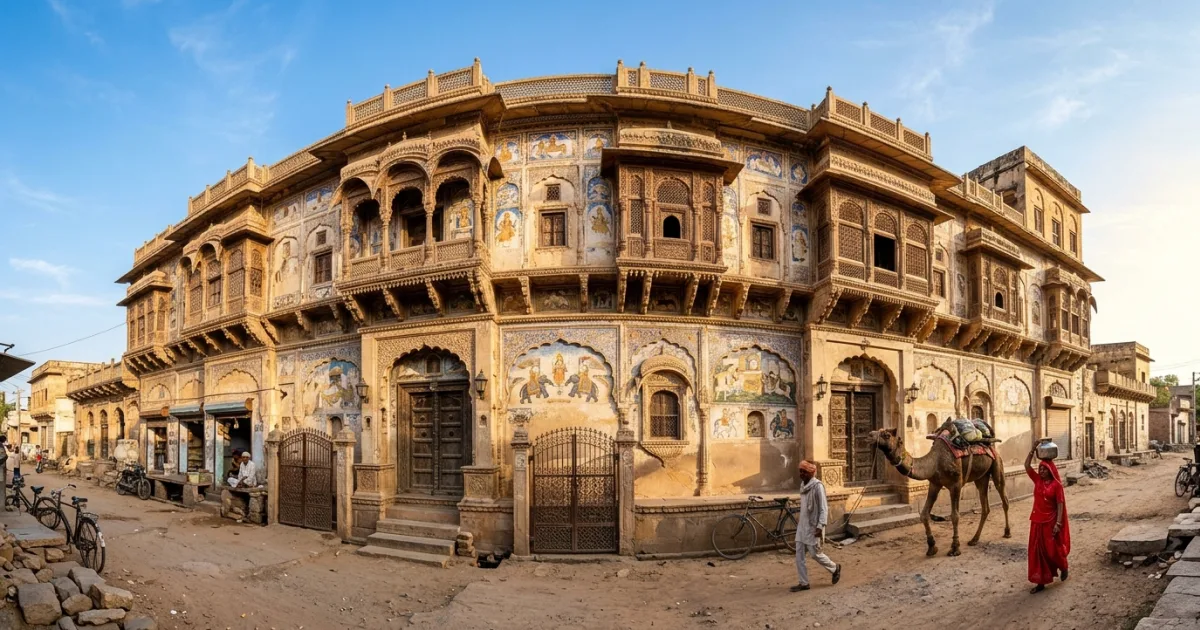
Intricate painted haveli with carved wooden balconies in Fatehpur Shekhawati Rajasthan

Basic Info

COUNTRY & Region

India,
Asia

ACCESSIBILITY LEVEL​

  • High: Widely accessible with good facilities for disabilities.
  • Medium: Some accessible options, but limitations exist.
  • Low: Limited accessibility; many barriers for disabilities.
Medium

LOCAL CURRENCY​

Indian Rupee (INR)

Price Level

Low – budget‑friendly basics

Medium – moderate mid‑range costs

High – pricey lodging, dining & transport

Low

SAFETY LEVEL

5 shields = Excellent – very low crime or conflict.

4 shields = Safe – low risk, routine care.

3 shields = Relatively safe – use normal street smarts.

2 shields = Use caution – higher crime or periodic unrest.

1 shields = Avoid – active conflict or extreme danger.

Scores are derived from multi-year peace, homicide and security indices blended into a single 1-to-5 scale.

Recommended Duration

Full day, 1-7 days

Fatehpur Shekhawati Overview & Key Highlights

Fatehpur Shekhawati is an open-air art gallery situated in the Sikar district of Rajasthan, established in the mid-15th century by Kayamkhani Nawab Fateh Khan. The town served as a flourishing mercantile outpost along historic Silk Road feeder trails, where wealthy Marwari merchant families constructed palatial mansions known as havelis. These residences showcase magnificent lime-plaster frescoes detailing mythological epics, colonial British inventions, royal pageantry, and intricate floral motifs. Unlike better-known hubs in Shekhawati such as Mandawa, Fatehpur retains a raw, uncommercialized charm characterized by winding desert alleys, towering carved wooden doorways, and hidden stepwells. Key highlights include the restored Nadine Le Prince Cultural Centre, the Jagannath Singhania Haveli, and the twin baoris, all offering intimate glimpses into northern India's merchant architecture. A visit here demands slow exploration on foot to appreciate the fragile painted heritage surviving amidst the arid Thar landscape.

Fatehpur Shekhawati Travel Guide: Logistics & In-Depth Tips

Fatehpur was established in 1445 by Nawab Fateh Khan, a Muslim Kayamkhani ruler who fortified the settlement to command crucial caravan junctions connecting northern river ports with Arabian Sea maritime routes. By the early 19th century, trade shifted, and Marwari Baniyas established expansive business houses across British India, remitting fortunes back to their ancestral homes in Fatehpur. This influx of capital fueled a competitive construction boom, with merchants erecting multi-courtyard havelis designed to display wealth through dazzling fresco schemes covering inner courtyards, outer facades, and private living quarters.

Walking through Fatehpur reveals the fascinating transition of Rajasthani fresco art. Early 19th-century works draw strictly from Hindu epics, depicting scenes of Krishna's Raas Leela, Rama's conquests, and regional folk legends using natural pigments derived from lampblack, indigo, red ochre, and crushed stone. By the late 19th and early 20th centuries, synthetic German dyes and modern colonial imagery emerged, introducing whimsical depictions of gramophones, steam locomotives, flying biplanes, and British officers into classical Rajasthani architecture.

Reasons to Visit

  • Unvarnished Fresco Art: Experience authentic Shekhawati wall murals free from the heavier tour-bus crowds found in neighboring towns.
  • Nadine Le Prince Cultural Centre: Tour an award-winning historic mansion restored through traditional lime-and-mortar preservation techniques.
  • Photographic Streetscapes: Capture atmospheric, sand-dusted alleyways lined with carved teak jharokhas (balconies) and antique brass-studded gates.
  • Historic Stepwells: Discover the underground stone architecture of the centuries-old Baori water reservoirs designed to capture desert rainfall.
  • Raw Heritage Immersion: Witness true domestic haveli life where families still inhabit sections of multi-century-old estates.

Things to Avoid

  • Do not touch or lean against delicate painted plaster surfaces, as sweat and skin oils degrade centuries-old natural mineral pigments.
  • Avoid exploring interior havelis without checking floor stability, especially where rain damage has weakened wooden joists.
  • Do not travel mid-day during the summer months between April and June, when regional heat can reach hazardous levels.
  • Avoid aggressive bargaining over modest 50-100 INR caretaker tips, which often directly fund basic property maintenance.

Local Transportation Tips

Fatehpur Shekhawati is best explored on foot, as the historic core consists of tight, winding residential streets inaccessible to full-sized cars. For transit between the railway station, the highway bus stand, and outlying monuments like the Chhatris or stepwells, local auto-rickshaws and battery-operated e-rickshaws provide fast and affordable service. Agree on your fare before departing, typically between 50 and 150 INR for point-to-point hops.

Travel Etiquette

  • Remove your shoes before stepping into domestic shrines, family prayer rooms, or inhabited private haveli sanctums.
  • Always ask permission before photographing local residents or caretakers sitting in their courtyards.
  • Dress modestly with covered shoulders and knees out of respect for traditional semi-rural desert customs.
  • Accept offers of chai from resident caretakers politely, as hospitality is a strong local cultural pillar.

Recommended Age Group

Fatehpur Shekhawati is an architectural exploration site best suited for visitors comfortable with extensive walking across uneven, historic terrain.

  • Babies (0-2 years): Not Recommended. Narrow sandy roads, steep haveli steps, and lack of dedicated nursery amenities make navigating with strollers virtually impossible.
  • Kids (3-12 years): Neutral. Children interested in treasure-hunt-style explorations may enjoy spotting whimsical vintage train murals, but low balustrades and open staircases require constant supervision.
  • Teens (13-19 years): Recommended. Older youth and teenagers will find the open-air history, detailed mural art, and visual storytelling visually fascinating for photography and cultural learning.
  • Adults (20-64 years): Recommended. An outstanding destination for independent adult travelers, photographers, and history enthusiasts who appreciate authentic heritage exploration.
  • Seniors (65+ years): Neutral. While the cultural rewards are significant, narrow vertical stairways, tall thresholds, and unpaved walking conditions pose mobility challenges.

Accessibility Level: Medium

  • Historic havelis feature raised stone thresholds (dehli) and lack ramps or elevator infrastructure.
  • Multi-story viewing requires climbing steep, uneven masonry staircases with narrow treads.
  • Streets in the old quarter are unpaved or consist of uneven flagstones with sand drifts, creating barriers for wheelchair users.
  • Travelers with limited mobility should arrange private vehicle drop-offs directly at road-accessible points like the Nadine Le Prince Haveli.

Did You Know?

Many of the European motifs in Fatehpur's later haveli frescoes—such as automobiles, early airplanes, and British soldiers—were painted by rural artists who had never seen them in real life. Instead, they copied small illustrations printed on imported postcard stamps and British lithographs sent home by traveling merchants.

Cool Statistics

  • Over 100 historic painted havelis stand within Fatehpur's municipal boundaries.
  • Founded in 1445, giving the town more than 575 years of continuous documented history.
  • Fresco artists historically used pure lime wash (chuna) cured for up to a year with curd, lentils, and marble dust.

Address:

Fatehpur Shekhawati, India

Find Nearby Accommodations

Electricity

220-240V, 
50Hz

Plug Type

Type C (Round pin), Type D (Three round pins in a triangular pattern), Type M (Three round pins, larger)
Plug types
Click To View Plug Types
Fatehpur Shekhawati is part of our
Culinary Heritage collection

Activities To Do In Fatehpur Shekhawati

Best Time To Visit Fatehpur Shekhawati

Fatehpur Shekhawati features a semi-arid desert climate with severe temperature swings throughout the year.

  • October to March (Peak Season): Clear skies and mild daytime temperatures ranging between 15°C and 28°C create the best conditions for walking tours, though nights can drop below 5°C.
  • April to June (Summer): Scorching heat regularly exceeds 42°C, making outdoor sightseeing physically demanding and ill-advised.
  • July to September (Monsoon): Sparse rain showers bring higher humidity and occasional dust storms, but the surrounding arid countryside exhibits brief green flushes.

Average Temperatures Per Month

Average monthly temperaturesMonthly source values, with Celsius and Fahrenheit equivalents in the following data table.5°41°14°57°23°73°31°88°40°104°JanJan: 13°C / 55°FFebFeb: 19°C / 66°FMarMar: 24°C / 75°FAprApr: 30°C / 86°FMayMay: 33°C / 91°FJunJun: 33°C / 91°FJulJul: 31°C / 88°FAugAug: 29°C / 84°FSepSep: 29°C / 84°FOctOct: 27°C / 81°FNovNov: 21°C / 70°FDecDec: 15°C / 59°F
View temperature data
Average monthly temperatures
Month°C°F
Jan1355
Feb1966
Mar2475
Apr3086
May3391
Jun3391
Jul3188
Aug2984
Sep2984
Oct2781
Nov2170
Dec1559

Remember to check the weather forecast a few days before the trip and before heading to the airport.

Safety Level

5 shields = Excellent – very low crime or conflict.

4 shields = Safe – low risk, routine care.

3 shields = Relatively safe – use normal street smarts.

2 shields = Use caution – higher crime or periodic unrest.

1 shields = Avoid – active conflict or extreme danger.

Scores are derived from multi-year peace, homicide and security indices blended into a single 1-to-5 scale.

Fatehpur is a peaceful, welcoming town with minimal violent crime. Watch your footing inside semi-abandoned havelis, as wooden floorboards and staircases may lack maintenance or railings. Agree on auto-rickshaw fares or informal haveli viewing fees before entering properties. Stray dogs and monkeys congregate in older quarters; avoid carrying open food.

The rating is based on multi-year peace, crime, and security indices. Before you go, always verify current conditions through official government travel advisories.

Emergency Numbers

Police: 112
Ambulance: 108

No internet needed • Includes local translations • Free for TravelingWiz readers

Spoken Languages

Hindi, Marwari, English (limited in local shops, common in heritage stays)
Travel Booking Partner - TravelingWiz

Learn The Language

  • Namaste – Hello / Greetings
  • Dhanyavaad – Thank you
  • Haan / Nahin – Yes / No
  • Yeh kitne ka hai? – How much does this cost?
  • Haveli kahan hai? – Where is the haveli?
  • Paani milega? – Can I get drinking water?
  • Rukhiye – Please stop / wait
  • Aap kaise hain? – How are you?

Trip Cost & Budgeting for Fatehpur Shekhawati, 2026

Everything you need to know about money while traveling
Is Fatehpur Shekhawati expensive for tourists in 2026? No, Fatehpur Shekhawati is an affordable heritage destination. Expect to pay around 100 INR for a coffee, 200 INR for a domestic beer, and 300 INR for a meal at a mid-range restaurant. Our Human Verified prices reflect very reasonable hotel and transit costs throughout the region. Use the data table below to calculate your specific daily budget based on your travel style.

LOCAL CURRENCY​:

Indian Rupee (INR)

Price Level:

Low – budget‑friendly basics

Medium – moderate mid‑range costs

High – pricey lodging, dining & transport

Low

Cards Vs. Cash

Cash is essential in Fatehpur Shekhawati, as smaller heritage hotels, rickshaws, and local eateries rarely accept cards.

How Much Cash to Carry (on you)

Per person, per day – pocket cash for small purchases.

Local: 380
Indian Rupee (INR)
≈ 4 USD

Average Daily Costs (per person)

Full daily spend estimation (accommodation, food, transportation, attractions).

Travel Style
Indian Rupee (INR)
≈ USD ($)
Budget
2100
22
Mid-range
3800
41
Comfort
8350
89
Note

The Prices, Daily costs, and calculator results are estimates for planning purposes only. Actual costs may vary based on season, booking timing, personal spending habits, and currency fluctuations. TravelingWiz cannot be held responsible for discrepancies between these estimates and your final trip expenses.

Best Value Tips

  • • Stay in historic heritage havelis near the old town bazaar for authentic architecture at very reasonable daily rates.
  • • Negotiate flat daily rates with local auto-rickshaw drivers for haveli sightseeing instead of booking private car transfers.
  • • Dine on traditional Rajasthani vegetarian thalis at local dhabas for delicious, cost-effective meals.
  • • Carry small cash bills (10, 20, 50, and 100 INR) as vendors and entrance booths rarely have change for large notes.

Tours & Tickets

Explore tours, attractions, and ticket options to plan your visit.
Plan ahead

Travel Offers & Coupons

Browse travel offers and coupons from our affiliate partners.
Affiliate partner offers

What To Pack

  • Breathable cotton and linen clothing for warm daytime temperatures.
  • Warm fleece layer or jacket for chilly winter mornings and desert nights.
  • Sturdy walking shoes or trail sneakers for navigating unpaved sand-dusted alleyways.
  • Slip-on footwear or thick socks for quick removal when entering temples and private havelis.
  • High-protection sunscreen, polarized sunglasses, and a wide-brim hat.
  • LED flashlight or headlamp to view poorly lit interior fresco chambers.
  • Small cash bills in Indian Rupees, as local haveli caretakers rarely accept digital payments.
Only the good stuff!
Browse recommended travel gear
Check out our free packing list tool

Recommended Itineraries for Traveling to Fatehpur Shekhawati

Take your itinerary with you

Choose a ready-made itinerary, plan your own trip, and keep TravelingWiz by your side while you travel.

Get the TravelingWiz app

Food & Drink Highlights

Local Food Overview

The cuisine of Fatehpur reflects traditional Marwari desert cooking, designed historically to endure arid travel without refrigeration. Dishes rely heavily on clarified butter (ghee), dried desert legumes, gram flour, and aromatic whole spices like cumin, coriander, and dried red chilies. Expect wholesome vegetarian spreads featuring hot bajra (pearl millet) rotis, sun-dried ker and sangri berries, and cooling buttermilk seasoned with roasted cumin.

Must Try Dish

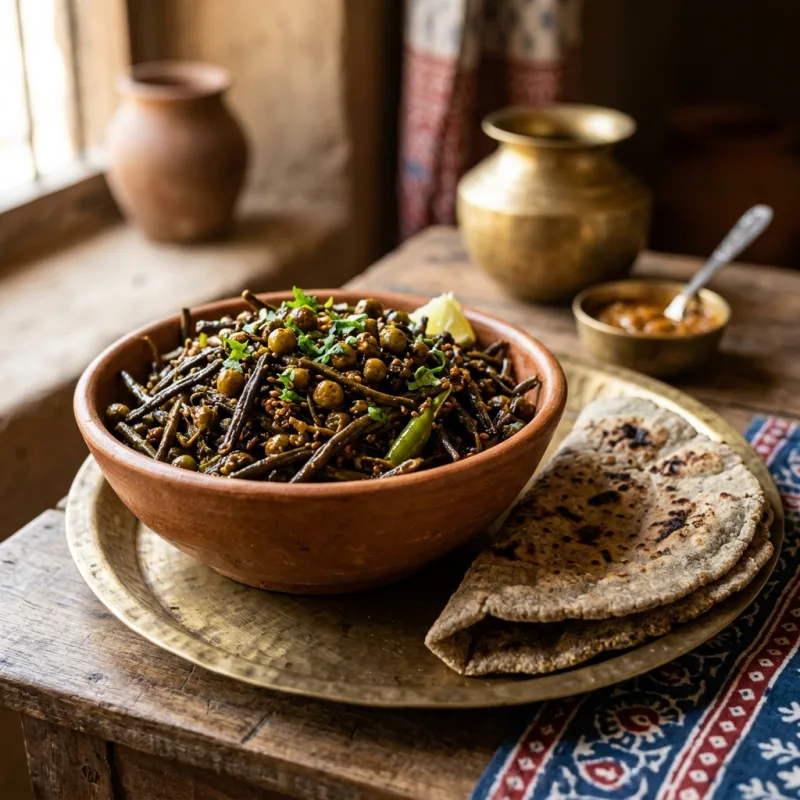
Ker Sangri - A distinctive Rajasthani specialty prepared from wild desert berries (ker) and slender bean pods (sangri) sautéed in mustard oil with raisins, yogurt, and warm spices. This dry dish offers a tangy, earthy flavor profile that pairs perfectly with warm bajra roti.
Authentic Rajasthani Ker Sangri dish served with bajra roti

Maya’s Final Checklist for Fatehpur Shekhawati

Logistics shouldn’t be the focus of your trip—the experience should. I’ve hand-vetted these essential partners to ensure your arrival, stay, and exploration are as smooth as an Athenian breeze.

Maya, the human travel expert at TravelingWiz, offering curated, non-AI expertise

Where to Stay

Compare accommodation options and choose a stay that suits your plans and budget.

Air Travel

Compare flight options and find a route that fits your plans.

Local Guides

Connect with local guides for personalized help planning and exploring.

Travel Protection

The “Engineer’s” rule: always have a backup. Secure your trip with a plan that covers every “what if” and unexpected change.

Car Rentals

Compare rental options and choose a car that suits your trip.

Visa Information

Don’t let paperwork slow you down. Get expert assistance with your application to ensure all your entry documents are in order.

FAQs

Fatehpur Shekhawati is world-renowned for its vast concentration of 18th- and 19th-century havelis adorned with intricate wall frescoes painted using natural mineral pigments.
The town is situated along National Highway 52, roughly 165 km northwest of Jaipur. It can be reached by state express buses, private taxis from Jaipur or Bikaner, or via direct trains stopping at Fatehpur Shekhawati railway station.
Constructed in 1853 by the merchant Devra family, this grand haveli was purchased and meticulously restored by French painter Nadine Le Prince to showcase original Shekhawati frescoes and support contemporary artist exchanges.
Most havelis are private properties looked after by local caretakers. While not government-ticketed, caretakers expect an entry contribution ranging from 50 to 200 INR per person to unlock the courtyards.

Your Insights Matter

TravelingWiz grows through the stories of our community. If you’ve recently explored ,Fatehpur Shekhawati share your tips and stories to help us perfect our guides for the next traveler.

Where should we send your offline card?

We hate spam just as much as you do

newsletter_consent *