Browse:
>
>
>
>
>
>
Jatiluwih Rice Terraces

Jatiluwih Rice Terraces

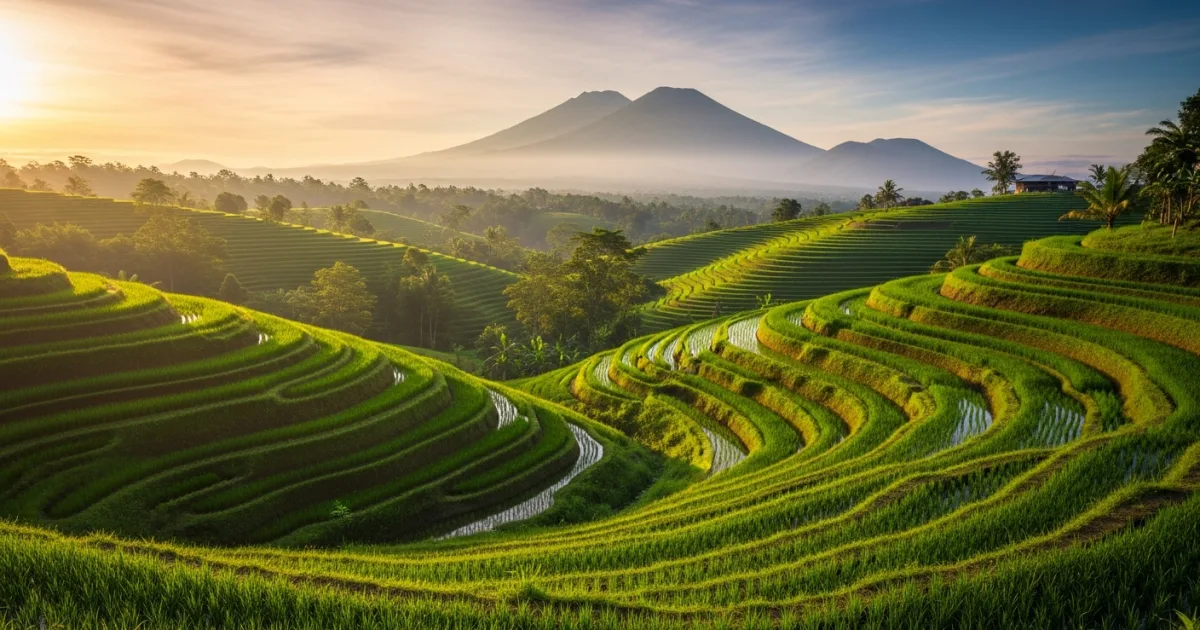
Panoramic view of the lush green Jatiluwih Rice Terraces in Bali

Jatiluwih Rice Terraces Overview & Key Highlights

Jatiluwih Rice Terraces, located in the Penebel district of Bali, offer a breathtaking glimpse into Indonesia's rich agricultural heritage. Spanning over 600 hectares, these meticulously maintained terraces follow the traditional Subak irrigation system, which dates back to the 9th century and is recognized as a UNESCO World Heritage site. The lush, undulating landscapes provide a serene escape from the island's bustling coastal towns, inviting visitors to immerse themselves in nature. Beyond their visual splendor, the terraces serve as a living testament to the harmonious relationship between the Balinese people, their environment, and their spiritual beliefs. Travelers can explore a network of well-paved trekking paths, cycle through the vibrant green fields, or simply relax at a local café with panoramic views. Whether you are an avid photographer, a nature enthusiast, or a cultural explorer, Jatiluwih promises an unforgettable and authentic Balinese experience.

Essential Jatiluwih Rice Terraces Logistics & In-Depth Travel Tips

The Jatiluwih Rice Terraces represent the epitome of Bali's agricultural beauty and cultural heritage. Nestled at the foot of Mount Batukaru, the area benefits from a cool, refreshing climate that contrasts sharply with the heat of the southern beaches. The name 'Jatiluwih' translates to 'truly beautiful,' a fitting moniker for a landscape that has remained largely unchanged for centuries. The terraces are sustained by the Subak system, a traditional Balinese cooperative water management system that reflects the philosophical concept of Tri Hita Karana—the harmonious relationship between humans, nature, and the divine.

Visitors to Jatiluwih can engage in a variety of activities. Well-marked trails of varying lengths allow for leisurely strolls or vigorous hikes right through the heart of the paddies. Along the way, you might encounter local farmers tending to their crops, offering a genuine glimpse into rural Balinese life. For those seeking relaxation, numerous cafes line the main road overlooking the valley, providing the perfect vantage point to sip on local Bali coffee while soaking in the panoramic vistas.

Reasons to Visit

  • Experience a UNESCO World Heritage site that showcases ancient agricultural traditions.
  • Enjoy unparalleled panoramic views of lush, cascading rice paddies against a mountainous backdrop.
  • Escape the crowded tourist hubs of southern Bali for a peaceful, nature-focused retreat.
  • Engage in eco-friendly activities like hiking and cycling through pristine landscapes.
  • Taste authentic Balinese cuisine made with fresh, locally harvested ingredients.

Things to Avoid

  • Avoid walking on the delicate retaining walls of the rice paddies to prevent damage to the irrigation system.
  • Do not litter; carry all your trash out with you to help preserve the pristine environment.
  • Avoid visiting during the peak heat of midday without adequate sun protection and water.
  • Refrain from taking intrusive photos of local farmers without asking for their permission first.

Local Transportation Tips

Reaching Jatiluwih typically requires private transportation, as public transit options are virtually non-existent. Most visitors choose to hire a private driver for the day, rent a scooter, or join an organized tour. Once you arrive at the terraces, the area is best explored on foot or by renting a bicycle. The main roads leading to Jatiluwih are well-paved, but they can be winding and steep in certain sections, so caution is advised if you are driving yourself.

Travel Etiquette

  • Dress modestly when passing through local villages or near village temples.
  • Always ask for permission before photographing the local farmers or their homes.
  • Stay on the designated trekking paths to avoid trampling the crops.
  • Support the local economy by purchasing snacks or souvenirs from small, locally-owned stalls.
  • Be respectful of the quiet, rural atmosphere by keeping noise levels down.

Recommended Age Group

Jatiluwih Rice Terraces offer a versatile experience that can be enjoyed by a wide range of visitors, though the terrain dictates the ease of exploration.

  • Babies (0-2 years): Neutral. Stroller access is highly limited on the terraces, requiring baby carriers for exploration, which can be tiring in the tropical heat.
  • Kids (3-12 years): Recommended. Children will enjoy the open spaces, light walking trails, and the educational aspect of learning about nature and farming.
  • Teens (13-19 years): Recommended. The scenic landscapes offer excellent photography opportunities and active cycling routes that appeal to younger travelers.
  • Adults (20-64 years): Recommended. Perfect for hiking, cultural appreciation, and enjoying the tranquil environment away from the busy cities.
  • Seniors (65+ years): Recommended. There are easily accessible viewpoints and paved paths near the entrance for comfortable, low-impact walking and sightseeing.

Accessibility Level: Medium

  • Wheelchair accessibility is limited to the main road and the cafes overlooking the terraces; the actual trekking paths are uneven and not wheelchair friendly.
  • Visitors with mobility issues can still enjoy stunning panoramic views from the easily accessible viewing platforms near the entrance.
  • Restrooms are available at the main entrance and within the larger restaurants, though accessibility standards may vary.
  • Paved paths are available for short distances, but venturing deeper into the terraces requires navigating dirt trails and stone steps.

Did You Know?

Did you know that the Subak irrigation system used in Jatiluwih is not just a physical infrastructure, but a deeply spiritual practice? It is managed by a democratic council of farmers and involves regular water temple rituals to ensure a bountiful harvest, reflecting the Balinese philosophy of balance and harmony.

Cool Statistics

  • Jatiluwih covers an expansive area of over 600 hectares of rice terraces.
  • The Subak irrigation system dates back to the 9th century.
  • Jatiluwih was officially recognized as a UNESCO World Heritage site in 2012.
  • The terraces sit at an altitude of approximately 700 meters above sea level, providing a cooler climate.


Address:

Jatiluwih Rice Terraces, Penebel, Indonesia

Find Nearby Accommodations

Basic Info

address icon

COUNTRY & Region

Indonesia,
Asia
Medium
Currency icon

LOCAL CURRENCY​

Indonesian Rupiah (IDR)
Price level icon
Low
Safety Level icon
Duration icon

Recommended Duration

• 1-2 hours
• 3-5 hours (Half a day)
• Full day

Electricity

electricity icon

Electricity

220-240V,
50Hz
Plug Socket icon

Plug Type

• Type C (Round pin)
• Type F (Two round pins with earth clips)
Plug types
Click To View Plug Types

Activities To Do In Jatiluwih Rice Terraces

Best Time To Visit

The best time to visit the Jatiluwih Rice Terraces is during Bali's dry season, which runs from April to October. During these months, the weather is generally sunny and pleasant, making it ideal for trekking and photography.

  • April to June: The rice paddies are typically lush and green, offering the most iconic views.
  • July to August: Peak tourist season with cooler breezes, though it can be more crowded.
  • September to October: Harvest season begins, turning the terraces into beautiful shades of gold and yellow.

Remember to check the weather forecast a few days before the trip and before heading to the airport.

Safety Level icon

SAFETY Level

Safe. Bali is generally very safe for tourists, and the rural area of Jatiluwih is peaceful and welcoming. Exercise standard precautions against petty theft, stay hydrated, and ensure you have proper travel insurance, especially if you are renting a scooter to navigate the mountain roads.

The rating is based on multi-year peace, crime, and security indices. Before you go, always verify current conditions through official government travel advisories.

Emergency Numbers

Police: 110
Ambulance: 118

No internet needed • Includes local translations • Free for TravelingWiz readers

Spoken Languages

Indonesian (Bahasa Indonesia) is the national language, while Balinese is spoken locally. English is widely understood by guides and staff at restaurants catering to tourists.

Learn The Language

  • Selamat pagi (Good morning)
  • Terima kasih (Thank you)
  • Berapa harganya? (How much is this?)
  • Di mana toilet? (Where is the toilet?)
  • Permisi (Excuse me)
  • Tolong (Help/Please)
  • Saya tidak mengerti (I don’t understand)
  • Enak sekali (Very delicious)

Trip Cost & Budgeting for Jatiluwih Rice Terraces, 2026

Everything you need to know about money while traveling

Visiting the Jatiluwih Rice Terraces is highly affordable, with a nominal entrance fee that goes towards the maintenance of the area and the local cooperative. Dining at nearby warungs (local eateries) and cafes is also budget-friendly, offering excellent value for authentic Balinese cuisine.

Currency icon

LOCAL CURRENCY​:

Indonesian Rupiah (IDR)
Price level icon
Low
While some larger cafes and restaurants near the terraces may accept credit cards, it is highly recommended to carry cash (IDR). You will need cash for the entrance fee, parking, small warungs, and purchasing local snacks or souvenirs.

Per person, per day – pocket cash for small purchases.

Local: 300000
Indonesian Rupiah (IDR)
≈ 20 USD

Full daily spend estimation (accommodation, food, transportation, attractions).

Travel Style
Indonesian Rupiah (IDR)
≈ USD ($)
Budget
150000
10
Mid-range
450000
30
Comfort
900000
60

The Prices, Daily costs, and calculator results are estimates for planning purposes only. Actual costs may vary based on season, booking timing, personal spending habits, and currency fluctuations. TravelingWiz cannot be held responsible for discrepancies between these estimates and your final trip expenses.

  • Hire a local guide at the entrance for a deeper understanding of the Subak system without breaking the bank.
  • Eat at the smaller, family-run warungs slightly off the main tourist path for cheaper and more authentic meals.
  • Rent a bicycle from local vendors instead of booking an expensive pre-arranged cycling tour.
  • Arrive early in the morning to avoid the midday heat and the larger tour bus crowds, ensuring a better experience for the same price.

Pre-Order Tickets

Avoid disappointment when tickets sell out — and skip the long lines by booking online in advance. You’ll often save up to 20% too.
Save up to 20%

Travel Discounts & Coupons

Save on hotels, attractions, transport, and gear — find verified discounts for smarter travel spending.
Verified Coupons

What To Pack

  • Lightweight, breathable clothing suitable for tropical weather.
  • Comfortable walking or hiking shoes with good grip.
  • Sunscreen, sunglasses, and a wide-brimmed hat for sun protection.
  • Insect repellent to ward off mosquitoes.
  • A reusable water bottle to stay hydrated.
  • A camera or smartphone for capturing the stunning landscapes.
  • A light rain jacket or poncho, as tropical showers can be unpredictable.

Recommended Itineraries for this Destination

Food & Drink Highlights

Local Food Overview

The culinary scene around Jatiluwih highlights fresh, locally sourced ingredients, heavily featuring the very rice grown in the terraces. Expect traditional Balinese flavors characterized by rich spice pastes (bumbu), coconut, and fresh herbs.
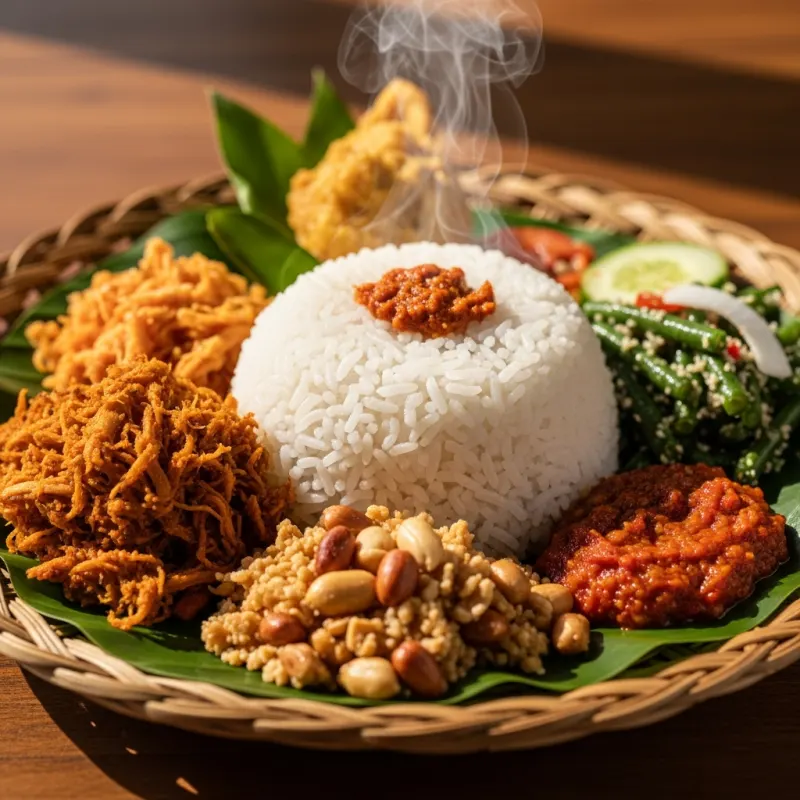
A traditional serving of Nasi Campur Bali on a banana leaf

Must Try Dish

Nasi Campur Bali - Nasi Campur Bali is a vibrant and flavorful dish featuring a scoop of white rice surrounded by small portions of spiced meats, vegetables, peanuts, and fiery sambal. It offers a perfect culinary snapshot of the island's complex spice profiles and fresh local ingredients.

Food Experiences

No food experience found

GetReady

Plan your trip seamlessly with our trusted partners and expert guidance. Follow these steps to book everything you need or connect with a local tour guide for personalized support

Step 1: Find the Perfect Accommodation

Explore a wide range of hotels, boutique stays, and vacation rentals to suit every traveler’s needs and budget. From luxury options to cozy family stays, find the best place for your trip.

Step 2: Book Your Flights

Secure the best flight deals for your destination. With our trusted partners, booking flights is quick and hassle-free.

Step 3: Let a Tour Guide Help

Not sure where to start? A professional local tour guide can create a customized itinerary or assist you in planning your trip. Make your journey seamless and stress-free.

Step 4: Rent a Car

Travel at your own pace by renting a car. Whether you’re exploring cities or embarking on a road trip, find reliable and convenient car rental options.

Step 5: Get Travel Insurance

Protect yourself and your loved ones with comprehensive travel insurance. Our partners offer plans to cover every aspect of your journey.

Step 6: Need a Visa?

Check visa requirements for your destination and apply quickly with trusted services. Simplify the process and ensure you’re ready to travel without delays.

FAQs

The entrance fee is typically around 40,000 to 50,000 IDR per person for international tourists, though prices are subject to minor changes.
No, there are several marked trekking routes ranging from easy, paved 1-hour walks to more challenging 4-hour hikes. You can choose the path that best suits your fitness level.
Drone flying is generally permitted, but it is courteous to ask local authorities or guides first, and ensure you do not disturb other visitors or the local farmers.
It takes approximately 1.5 to 2 hours to drive to Jatiluwih from Ubud, and about 2 to 2.5 hours from Seminyak, depending on traffic.

Help Us Improve

If you visited
Jatiluwih Rice Terraces
click here to share your tips and stories.

This will help us improve our guides for the entire travelers community.

Related Articles

Check out our related articles and blog posts to learn even more about the destination.

Don’t Travel Alone

Share with your friends and family

Where should we send your offline card?

We hate spam just as much as you do

newsletter_consent *