

Low – budget‑friendly basics
Medium – moderate mid‑range costs
High – pricey lodging, dining & transport
Disclosure: This site contains affiliate links. We may earn a commission if you make a purchase, at no extra cost to you.
Low – budget‑friendly basics
Medium – moderate mid‑range costs
High – pricey lodging, dining & transport
5 shields = Excellent – very low crime or conflict.
4 shields = Safe – low risk, routine care.
3 shields = Relatively safe – use normal street smarts.
2 shields = Use caution – higher crime or periodic unrest.
1 shields = Avoid – active conflict or extreme danger.
Scores are derived from multi-year peace, homicide and security indices blended into a single 1-to-5 scale.
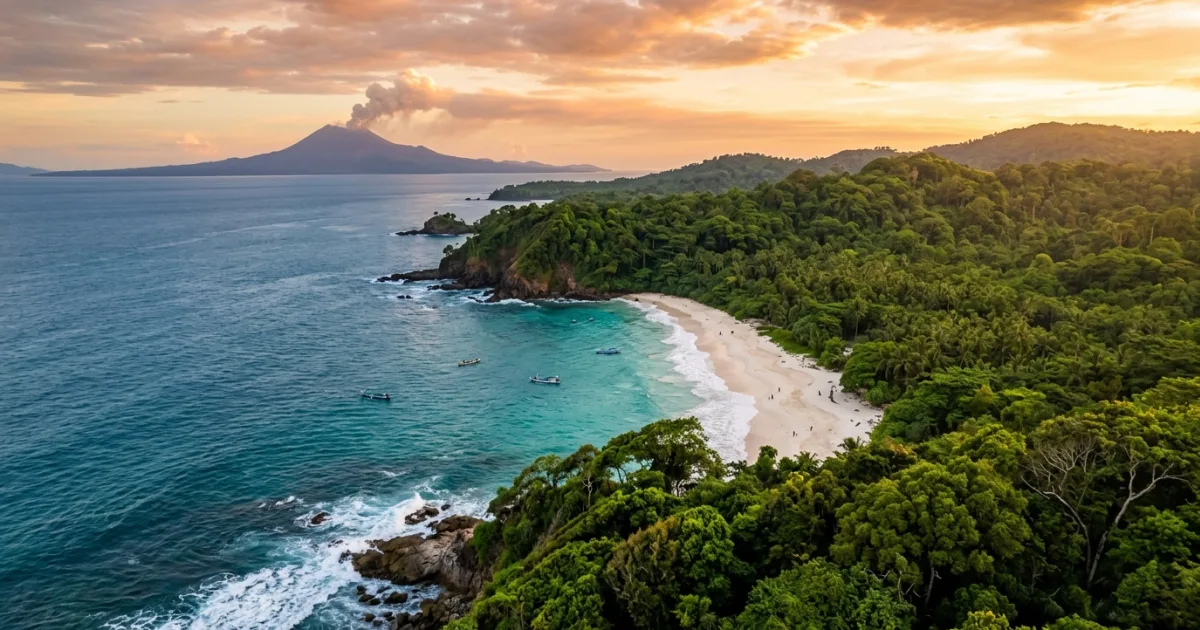
Banten forms the westernmost tip of Java, serving as the dramatic transition zone between the Indian Ocean, the Sunda Strait, and the volcanic arcs of Indonesia. Renowned globally as the gateway to the notorious Krakatoa volcanic archipelago and the UNESCO-listed Ujung Kulon National Park—the final sanctuary of the critically endangered Javan rhinoceros—the province offers raw, untamed wilderness rarely seen in Java's heavily industrialized centers. The coastal stretches around Anyer and Carita provide ocean panoramas, while the secluded interior hosts the traditional Baduy community, who preserve an ancient, technology-free way of life. Beyond its dramatic natural landscapes, Banten holds deep historical resonance as the seat of the once-mighty Banten Sultanate, which dominated spice trade routes through the Sunda Strait from the 16th to the 18th centuries. Visitors can explore the ruins of Surosowan Palace and the Great Mosque of Banten in Old Banten (Banten Lama), tracing the convergence of Islamic, European, and Chinese architectural influences. Whether trekking dense lowland rainforests, surfing remote reef breaks in Sawarna, or embarking on maritime expeditions to active volcanic craters, Banten delivers an immersive exploration of Indonesian ecology and maritime heritage.
Banten was officially established as an independent province in 2000, separating from West Java to steward its unique cultural and geographic identity. Anchored by the Sunda Strait, the province functions as the vital maritime connector between Java and Sumatra, anchored by the busy ferry terminal of Merak. In contrast to the fast-growing suburban and industrial zones bordering Jakarta in the east, western and southern Banten preserve vast agricultural valleys, dramatic limestone bluffs, and remote coastal wilderness.
The region’s ecological crown jewel is Ujung Kulon National Park, encompassing the southwestern peninsula and adjacent offshore islands like Peucang and Panaitan. The park safeguards the world’s last viable population of the Javan rhinoceros within undisturbed lowland rainforests. To the north, the historic precinct of Banten Lama offers architectural remnants from the maritime sultanate era, while the southern shoreline along the Indian Ocean features powerful surf breaks and rugged natural beaches.
Getting around Banten requires diverse modes of transport depending on the destination. The KRL Commuterline train runs frequently and affordably from central Jakarta to Rangkasbitung. From Rangkasbitung or Serang, hiring a private car with an experienced driver is the most reliable way to navigate rural roads toward Carita, Tanjung Lesung, or Sawarna. Angkots (shared public minivans) operate along main roadways, while inter-island journeys require chartered speedboats from coastal harbors.
Banten offers varied experiences, from relaxing beach resorts to demanding jungle treks and volcanic boat expeditions.
The 1883 cataclysmic eruption of Krakatoa in the Sunda Strait generated shockwaves that circled the globe seven times and created tsunamis over 30 meters high that permanently altered Banten's coastline.

Banten experiences a tropical monsoon climate characterized by a dry season and a wet monsoon season.
| Month | °C | °F |
|---|---|---|
| Jan | 25 | 77 |
| Feb | 25 | 77 |
| Mar | 25 | 77 |
| Apr | 26 | 79 |
| May | 26 | 79 |
| Jun | 26 | 79 |
| Jul | 26 | 79 |
| Aug | 26 | 79 |
| Sep | 26 | 79 |
| Oct | 26 | 79 |
| Nov | 26 | 79 |
| Dec | 25 | 77 |
Remember to check the weather forecast a few days before the trip and before heading to the airport.
5 shields = Excellent – very low crime or conflict.
4 shields = Safe – low risk, routine care.
3 shields = Relatively safe – use normal street smarts.
2 shields = Use caution – higher crime or periodic unrest.
1 shields = Avoid – active conflict or extreme danger.
Scores are derived from multi-year peace, homicide and security indices blended into a single 1-to-5 scale.
The rating is based on multi-year peace, crime, and security indices. Before you go, always verify current conditions through official government travel advisories.
No internet needed • Includes local translations • Free for TravelingWiz readers

Low – budget‑friendly basics
Medium – moderate mid‑range costs
High – pricey lodging, dining & transport
Per person, per day – pocket cash for small purchases.
Full daily spend estimation (accommodation, food, transportation, attractions).
Travel Style | Indonesian Rupiah (IDR) | ≈ USD ($) |
|---|---|---|
Budget | 385000 | 21 |
Mid-range | 700000 | 39 |
Comfort | 1540000 | 85 |
The Prices, Daily costs, and calculator results are estimates for planning purposes only. Actual costs may vary based on season, booking timing, personal spending habits, and currency fluctuations. TravelingWiz cannot be held responsible for discrepancies between these estimates and your final trip expenses.
Choose a ready-made itinerary, plan your own trip, and keep TravelingWiz by your side while you travel.
Get the TravelingWiz app →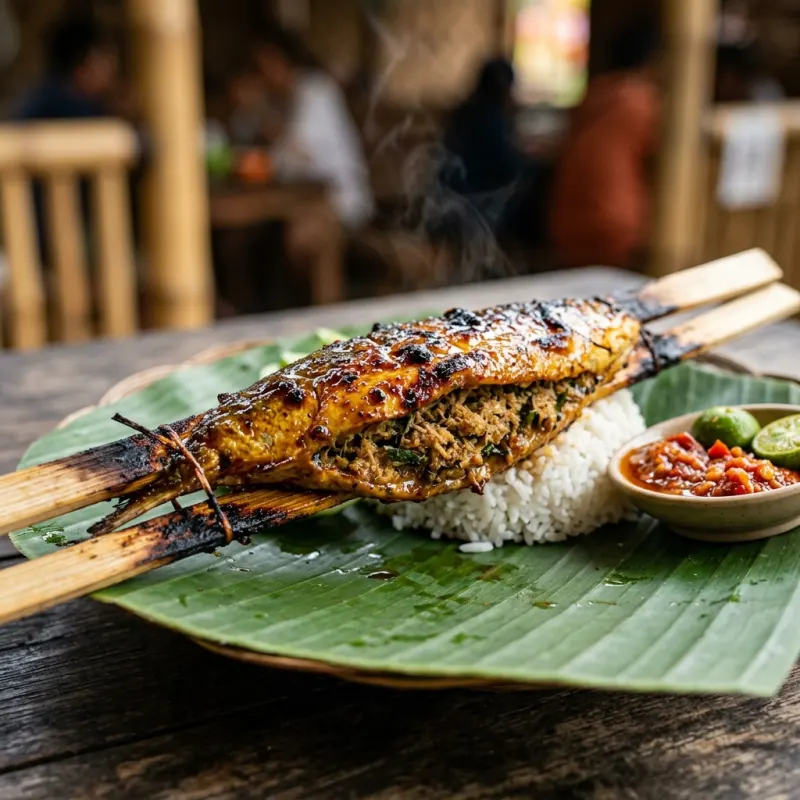
Discover cooking classes, tastings and local food tours
Logistics shouldn’t be the focus of your trip—the experience should. I’ve hand-vetted these essential partners to ensure your arrival, stay, and exploration are as smooth as an Athenian breeze.

Compare accommodation options and choose a stay that suits your plans and budget.
Connect with local guides for personalized help planning and exploring.
The “Engineer’s” rule: always have a backup. Secure your trip with a plan that covers every “what if” and unexpected change.
Don’t let paperwork slow you down. Get expert assistance with your application to ensure all your entry documents are in order.
Check out our related articles and blog posts to learn even more about the destination.
Share with your friends and family
