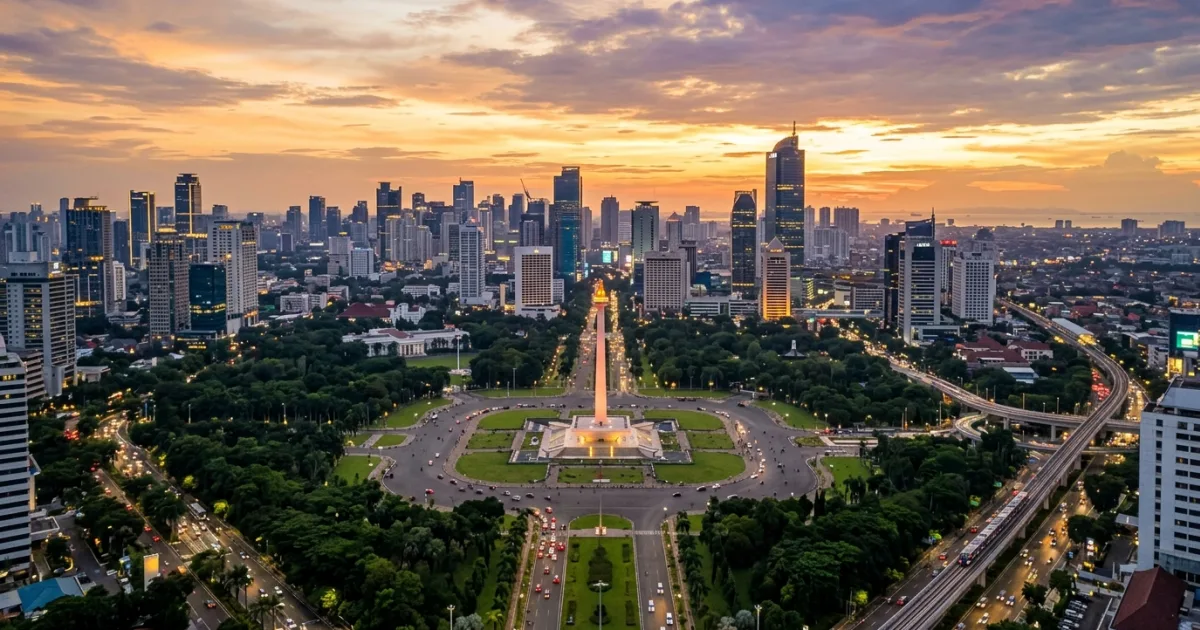
Jakarta serves as the economic, political, and cultural heartbeat of Indonesia, standing as one of the world's most populous and vibrant megacities. Spanning across the historic lowlands of Java, the capital weaves an intricate narrative of maritime spice trading, colonial governance under the Dutch East India Company, and bold modern independence. Iconic landmarks such as the 132-meter National Monument (Monas) in Merdeka Square anchor the city's civic pride, while the surrounding districts showcase an extraordinary tapestry of regional Indonesian cultures, cuisines, and architectural styles.
Beyond its bustling transit corridors and gleaming commercial towers, Jakarta offers visitors rich neighborhood experiences. Glodok, one of the oldest Chinatowns in the world, buzzes with incense-filled temples and traditional apothecary shops, while the historic port of Sunda Kelapa still moors traditional wooden pinisi schooners loading timber by hand. Modern districts such as Senopati and Kemang reveal contemporary art galleries, world-class culinary concepts, and a flourishing specialty coffee industry, proving that Jakarta is a multifaceted gateway celebrating both deep tradition and rapid progress.
Reasons to Visit
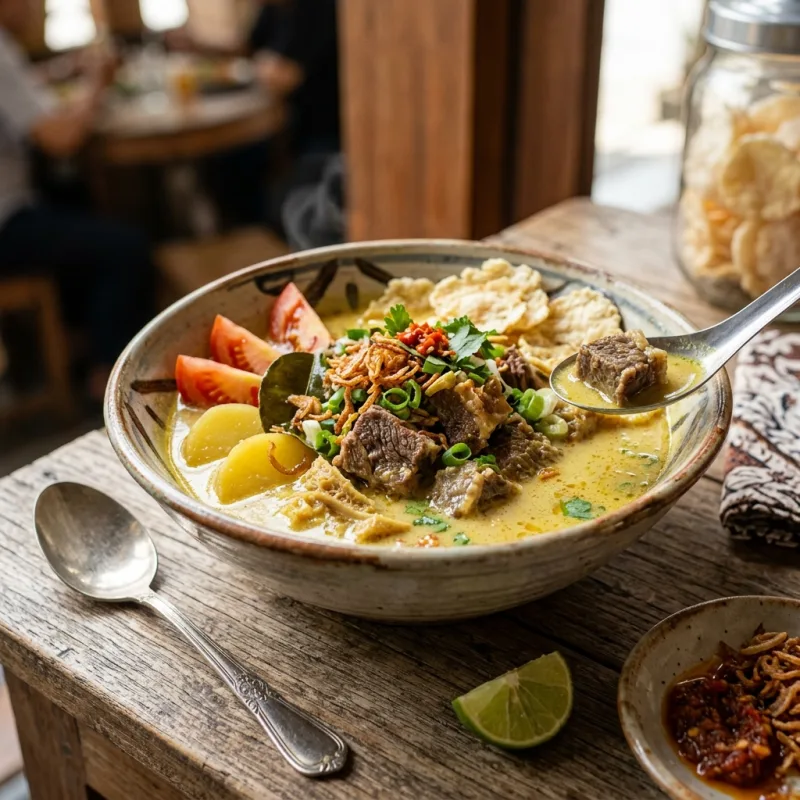
- Vibrant, world-class street food culture highlighted by Soto Betawi, Nasi Uduk, and Kerak Telor.
- Fascinating maritime and colonial heritage showcased in Kota Tua and the historic harbor of Sunda Kelapa.
- Exceptional retail therapy ranging from traditional batik craft markets to sprawling ultra-modern shopping complexes.
- Affordable luxury, offering five-star hospitality, rooftop dining, and spa treatments at accessible prices.
- Energetic cafe culture featuring exceptional single-origin Indonesian specialty coffees.
Things to Avoid
- Avoid walking long distances along major arterial roads lacking continuous pedestrian sidewalks.
- Do not accept rides from unmetered or unofficial street taxis; insist on Bluebird taxis or use ride-hailing apps.
- Avoid drinking tap water or using it for brushing teeth if you have a sensitive stomach.
- Do not plan tight travel schedules during weekday peak rush hours (7:00–9:30 AM and 5:00–8:00 PM) due to heavy traffic gridlock.
- Avoid dressing disrespectfully when visiting places of worship like Istiqlal Mosque or Jakarta Cathedral.
Local Transportation Tips
Jakarta's public transportation network has modernized significantly in recent years. The MRT Jakarta provides fast, air-conditioned transit running north-south from Bundaran HI to Lebak Bulus. Complementing the rail system, the TransJakarta bus rapid transit operates in dedicated lanes across an extensive grid, making it an efficient cross-city option. For maximum door-to-door convenience, smartphone apps like Grab and Gojek allow travelers to hail cars or motorbike taxis (ojeks) with transparent pricing. Electronic money cards such as Mandiri e-money, BCA Flazz, or BNI TapCash can be purchased at convenience stores and are required to tap into transit stations.
Travel Etiquette
- Always use your right hand when offering money, giving items, or eating, as the left hand is culturally considered unclean.
- Remove your footwear before entering someone's home, traditional prayer areas, and selected heritage buildings.
- Dress modestly with covered shoulders and knees when visiting religious monuments like Istiqlal Mosque.
- Maintain a gentle tone of voice; public outbursts of anger or impatience are viewed unfavorably in Indonesian social customs.
- Ask for permission before photographing local market vendors or residents in residential kampungs.
Recommended Age Group
Jakarta offers dynamic urban experiences, though its fast pace and tropical heat require thoughtful planning depending on your travel party.
- Babies (0-2 years): Not Recommended. Uneven pavements, persistent traffic, and tropical humidity make maneuvering strollers challenging outside modern malls.
- Kids (3-12 years): Neutral. Large family theme parks in Ancol and interactive museums offer fun, but extended city walking can be tiring for younger children.
- Teens (13-19 years): Recommended. Teenagers will enjoy massive modern entertainment complexes, street food exploration, and trendy cafe districts.
- Adults (20-64 years): Recommended. Ideal for cultural exploration, heritage walking tours, rooftop nightlife, and world-class culinary adventures.
- Seniors (65+ years): Neutral. Enjoyable when utilizing private drivers and guided cultural experiences, though caution is required with high heat and uneven pedestrian infrastructure.
Accessibility Level: Medium
- Modern transit systems including the MRT Jakarta stations and newer TransJakarta halts feature elevators, tactile paving, and level boarding.
- Major shopping centers, five-star hotels, and international museums offer step-free access and modern accessible restrooms.
- Sidewalks in historic areas like Kota Tua can be uneven, cracked, or obstructed by street vendors, requiring careful navigation for wheelchair users.
- Ride-hailing vehicles and hired private minivans offer the most seamless, barrier-free transport option across the city.
Did You Know?
Istiqlal Mosque, the largest mosque in Southeast Asia, sits directly opposite the neo-Gothic Jakarta Cathedral. To symbolize religious harmony and national unity in Indonesia, an underground tunnel known as the 'Tunnel of Friendship' connects the two iconic places of worship beneath the bustling street.
Cool Statistics
- Jakarta's metropolitan area (Jabodetabek) is home to more than 30 million residents, ranking among the world's largest urban conurbations.
- Sunda Kelapa harbor has operated as an active trading port continuously for over 800 years.
- The National Monument (Monas) is crowned with a 14.5-meter bronze flame coated in roughly 50 kilograms of pure gold foil.
- Jakarta houses more than 170 shopping malls, making it one of the most mall-dense capitals on Earth.






Buy a compatible power adapter for your trip