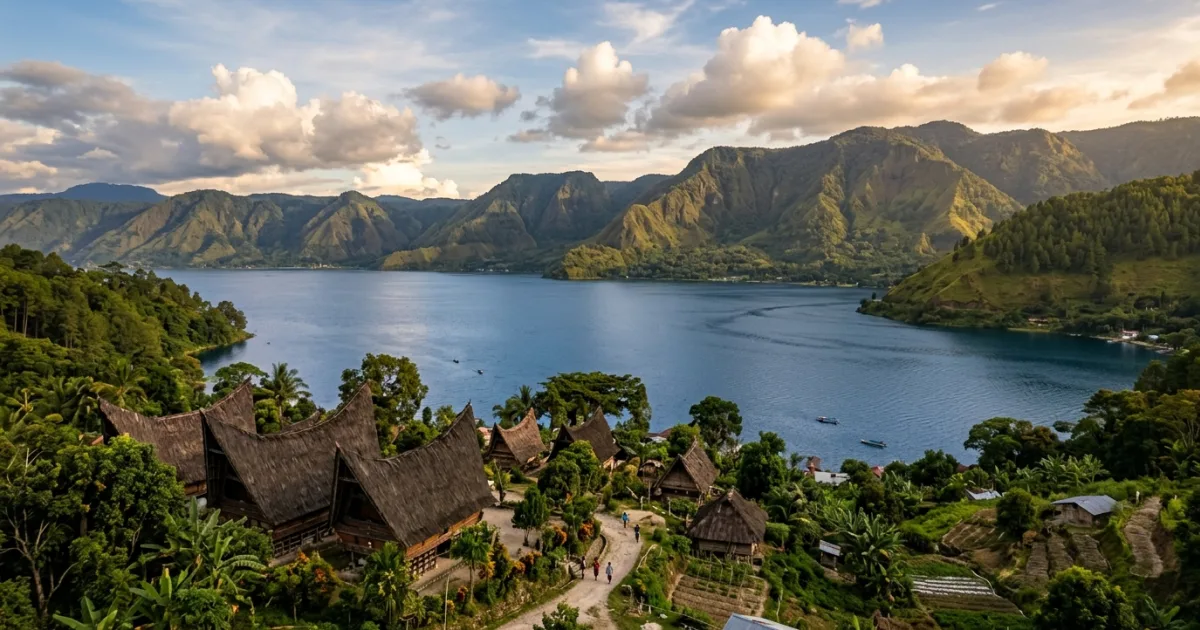
Sumatra is an island of extremes, offering a raw and unfiltered travel experience that contrasts sharply with the polished resorts of Bali. Stretching over 2,000 kilometers, it is a land defined by the Bukit Barisan mountain range, which forms a rugged spine down its western coast. This geological volatility has created breathtaking landscapes, including Lake Toba, the largest volcanic crater lake in the world, and Mount Kerinci, the highest volcano in Indonesia. The island's vast rainforests are part of the Tropical Rainforest Heritage of Sumatra, a UNESCO World Heritage site that provides a critical refuge for some of the planet's most endangered species, including the Sumatran tiger, rhinoceros, elephant, and orangutan.
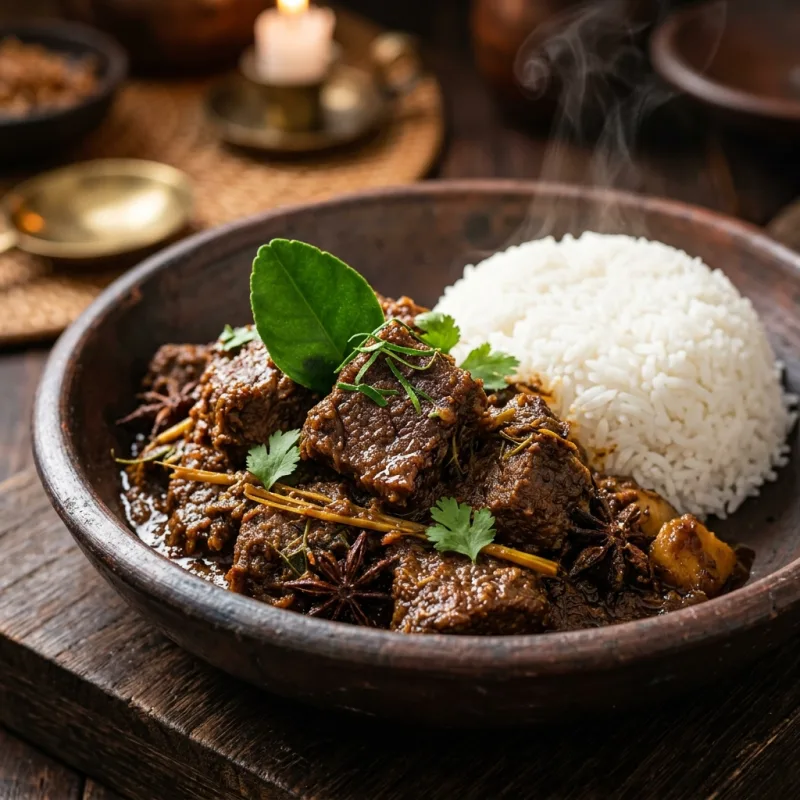
Culturally, Sumatra is a fascinating mosaic of indigenous traditions and Islamic heritage. In the north, the fiercely independent province of Aceh operates under its own unique laws and boasts stunning, untouched beaches. Moving south, the Batak people of North Sumatra are known for their distinctive saddle-roofed houses and rich musical traditions. In West Sumatra, the Minangkabau people maintain the world's largest matrilineal society, famous for their spicy, complex cuisine that has conquered the entire archipelago. Traveling through Sumatra requires patience, as the infrastructure is still developing, but the reward is an authentic, deeply immersive adventure into one of the world's last great frontiers.
Reasons to Visit
- Encounter critically endangered Sumatran orangutans in their natural rainforest habitat.
- Relax by the shores of Lake Toba, a massive and serene volcanic crater lake.
- Experience world-class, uncrowded surfing in the remote Mentawai Islands.
- Immerse yourself in the unique matrilineal culture and architecture of the Minangkabau people.
- Taste authentic Padang food right at its source in West Sumatra.
- Hike active volcanoes like Mount Sibayak or Mount Kerinci for spectacular sunrise views.
Things to Avoid
- Avoid drinking tap water; always stick to bottled or properly filtered water.
- Do not attempt jungle trekking without a licensed, experienced local guide.
- Avoid traveling overland at night due to poor road conditions and limited visibility.
- Do not touch or feed wildlife, especially orangutans, to prevent the spread of human diseases.
- Avoid public displays of affection and dress modestly, particularly in conservative regions like Aceh.
Local Transportation Tips
Getting around Sumatra is an adventure in itself. Domestic flights are the most efficient way to cover large distances between major hubs like Medan, Padang, and Palembang. For overland travel, shared minivans (known locally as 'travels') are the most common and flexible option, though they can be cramped. Larger public buses range from basic, non-AC vehicles to comfortable VIP coaches for overnight journeys. In towns and cities, motorized rickshaws (becak), ride-hailing apps like Grab or Gojek, and local minibuses (angkot) are widely available for short trips.
Travel Etiquette
- Always use your right hand for eating, passing objects, and shaking hands, as the left hand is considered unclean.
- Dress modestly, keeping shoulders and knees covered, especially when away from tourist beaches or visiting religious sites.
- Remove your shoes before entering someone's home or a mosque.
- Ask for permission before taking photographs of local people, particularly in rural villages.
- Avoid pointing with your index finger; instead, use your thumb with your hand folded.
Recommended Age Group
Sumatra's rugged terrain and long transit times make it a destination best suited for active and adaptable travelers.
- Babies (0-2 years): Not Recommended. The rugged terrain, long travel times, and limited medical facilities in remote areas make it challenging for infants.
- Kids (3-12 years): Neutral. Older kids might enjoy seeing orangutans and playing by Lake Toba, but the intense heat and long bus rides can be exhausting.
- Teens (13-19 years): Recommended. Adventurous teenagers will love the jungle trekking, surfing, and wildlife spotting opportunities.
- Adults (20-64 years): Recommended. Ideal for adults seeking active adventures, cultural immersion, and off-the-beaten-path exploration.
- Seniors (65+ years): Neutral. While Lake Toba offers relaxing retreats, the general lack of accessibility and rough infrastructure can be difficult for those with mobility issues.
Accessibility Level: Medium
- Wheelchair accessibility is extremely limited across Sumatra, with most sidewalks, public transport, and attractions lacking ramps or flat surfaces.
- Jungle treks and volcano hikes involve steep, uneven, and muddy terrain, making them unsuitable for travelers with mobility impairments.
- Some higher-end hotels in major cities like Medan or Padang offer accessible rooms, but this is not the standard.
- Travelers with disabilities are advised to arrange private, customized tours with specialized operators to ensure their needs can be met.
Did You Know?
Sumatra is home to the Rafflesia arnoldii, the largest individual flower on Earth, which can grow up to one meter in diameter and weigh up to 11 kilograms. It is also famous for emitting a foul odor resembling rotting meat to attract pollinating flies.
Cool Statistics
- Sumatra is the 6th largest island in the world, covering approximately 473,481 square kilometers.
- Lake Toba is the site of a supervolcanic eruption that occurred about 74,000 years ago, one of the largest known explosive eruptions on Earth.
- The island is home to over 200 mammal species and nearly 600 bird species.
- Mount Kerinci, standing at 3,805 meters, is the highest peak in Sumatra and the highest volcano in Indonesia.






Buy a compatible power adapter for your trip