Banda Aceh occupies a strategic position at the northernmost point of Sumatra, flanked by the green mountains of Aceh Besar and the waters of the Malacca Strait. Known across Southeast Asia for its resilient spirit, the city rebuilt itself into an organized, vibrant urban center following the 2004 Indian Ocean tsunami. Today, it stands as an engaging destination for travelers seeking insight into Indonesian Islamic heritage, regional post-disaster history, and authentic culinary traditions.
The urban rhythm here is relaxed, punctuated by the regular calls to prayer and the bustling hum of evening coffee shops. Visitors encounter a welcoming local population eager to share stories of the region's rebirth, while landmarks like the Gunongan Historical Park and the Museum Negeri Aceh preserve glimpses of the pre-colonial sultanate era.
Reasons to Visit
- Witness the iconic architecture of the Baiturrahman Grand Mosque with its soaring minarets and umbrella-shaded marble courtyard.
- Gain sobering and moving insights into human resilience at the Aceh Tsunami Museum and preserved shipwreck monuments.
- Immerse yourself in Indonesia's premier coffee culture by tasting artisanal brews at legendary open-air coffee shops.
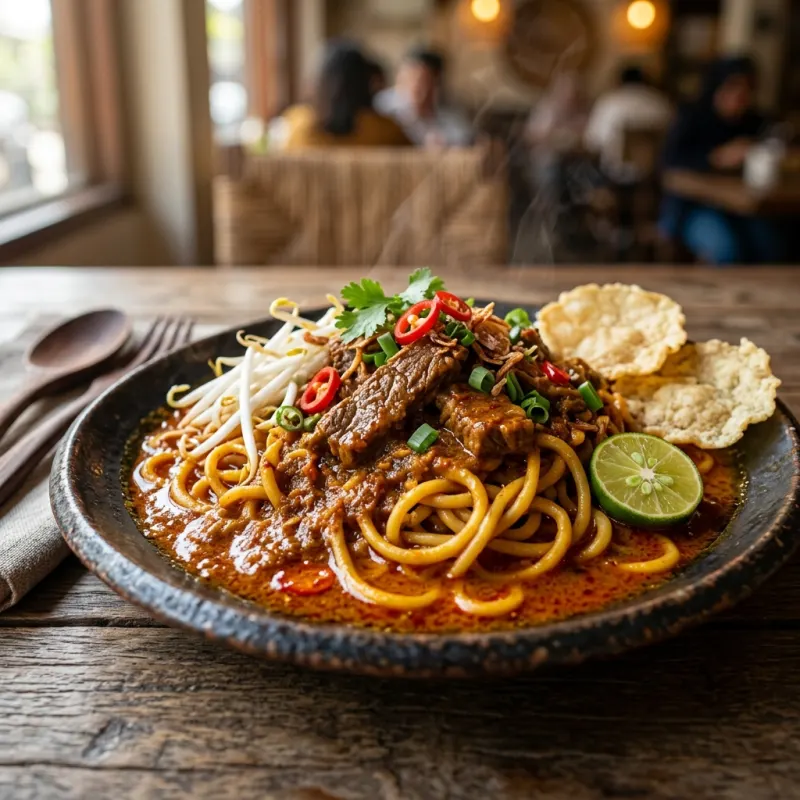
- Taste vibrant Sumatran culinary specialties like Mie Aceh, Ayam Tangkap, and Kuah Beulangong.
- Use the city as a smooth transit launchpad for pristine diving and snorkeling on nearby Weh Island (Pulau Weh).
Things to Avoid
- Avoid wearing shorts, sleeveless shirts, or revealing garments in public spaces.
- Do not bring, purchase, or consume alcoholic beverages anywhere in the province.
- Avoid public displays of affection, which are strictly frowned upon and conflict with local regulations.
- Do not walk through prayer areas of mosques with footwear on; use designated shoe racks.
Local Transportation Tips
Banda Aceh's central districts are relatively flat and straightforward to navigate. The Trans Koetaradja bus network provides clean, air-conditioned transit along major routes at minimal or zero fare. Ride-hailing services like Gojek and Grab are widely available and offer transparent pricing for motorbikes and cars. Traditional motorized three-wheeled pedicabs (becak) remain available for short, scenic trips around the city center, though fares should be agreed upon before departure.
Travel Etiquette
- Dress conservatively at all times, ensuring shoulders, chest, and knees are covered.
- Use your right hand when shaking hands, handing over payment, or eating.
- Always remove your shoes before stepping onto carpeted mosque platforms or entering local homes.
- Greet locals politely with a gentle handshake or hand over the heart.
Recommended Age Group
Banda Aceh is a serene and informative destination suited primarily for reflective and mature travel styles.
- Babies (0-2 years): Neutral. Tropical heat and uneven sidewalks can make stroller transport challenging.
- Kids (3-12 years): Neutral. Tsunami memorials offer educational value, though the serious themes require adult guidance.
- Teens (13-19 years): Recommended. Excellent opportunities for learning about history, disaster recovery, and unique regional governance.
- Adults (20-64 years): Recommended. Rich cultural, historical, culinary, and architectural exploration throughout the city.
- Seniors (65+ years): Recommended. Flat urban center, gentle pace of life, and respectful community atmosphere.
Accessibility Level: Medium
- The Baiturrahman Grand Mosque courtyard features smooth marble surfaces with step-free entry ramps.
- The Aceh Tsunami Museum provides elevator access and wide ramps connecting major exhibition halls.
- Sidewalks along major avenues are generally wide, though street crossings and older side streets can have abrupt curbs.
Did You Know?
The Baiturrahman Grand Mosque miraculously survived the catastrophic 2004 tsunami with minimal structural damage, serving as a vital sanctuary for thousands of surviving residents amid the flooding.
Cool Statistics
- The Baiturrahman Grand Mosque features 7 imposing domes and 8 majestic minarets.
- The PLTD Apung 1 is a 2,600-ton electrical generator barge that was pushed 5 kilometers inland by the 2004 tsunami wave.
- Aceh produces approximately 40% of Indonesia's total Arabica coffee exports.






Buy a compatible power adapter for your trip