Medan is the sprawling, energetic provincial capital of North Sumatra, positioned along the Deli River near the Malacca Strait. Known historically as a plantation powerhouse during the late 19th-century tobacco boom, the city rapidly drew immigrants from southern China, the Indian subcontinent, and across the Indonesian archipelago, resulting in an exceptionally diverse urban demographic. Today, this legacy survives in Medan's eclectic architectural heritage, where Dutch colonial structures blend seamlessly with Chinese shophouses, ornate Buddhist viharas, and Moorish-inspired royal buildings.
While frequently treated as a logistical stopover on the way to the jungles of Gunung Leuser National Park or the volcanic shores of Lake Toba, Medan rewards urban adventurers with an unrivaled culinary scene. Strolling down Jalan Selat Panjang or Jalan Semarang at dusk reveals open-air wok stations and street food culture at its liveliest. Beyond the bustling markets and historic facades, the warmth of the local residents and the city's dynamic coffee culture make Medan a captivating introduction to the richness of Sumatra.
Reasons to Visit
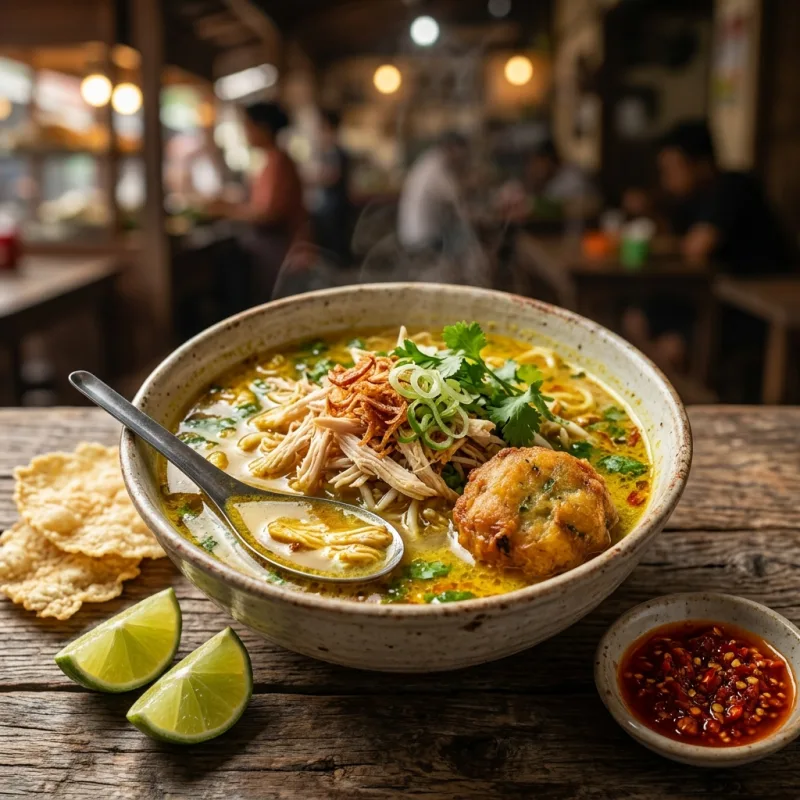
- World-Class Culinary Destination: Feast on legendary multi-ethnic street delicacies ranging from savory Soto Medan and Bihun Bebek to sweet Bika Ambon.
- Fascinating Royal Heritage: Tour Maimun Palace, built by the Sultan of Deli in 1888, showcasing an exquisite mix of Malay, Islamic, Spanish, and Italian architecture.
- Architectural Diversity: Discover the Grand Mosque of Medan (Masjid Raya Al-Mashun), Tjong A Fie Mansion, and Graha Maria Annai Velangkanni within minutes of each other.
- Gateway to North Sumatra's Wilderness: Effortlessly coordinate overland expeditions to explore Lake Toba, the hot springs of Berastagi, and the orangutan sanctuaries of Bukit Lawang.
- Thriving Coffee Scene: Sample bold Sumatran single-origin brews in century-old traditional kopitiams and modern urban specialty roasters.
Things to Avoid
- Avoid walking along unlit or isolated streets late at night while displaying expensive jewelry, cameras, or smartphones openly.
- Do not rely on walking long distances between major attractions due to cracked sidewalks, missing pavement slabs, and heavy motorcycle traffic.
- Do not drink tap water; use sealed bottled water or verified filtered refill stations throughout your stay.
- Avoid hiring unmetered street cabs; instead, book through reliable ride-hailing apps or established metered fleets like Bluebird.
Local Transportation Tips
Navigating Medan requires a pragmatic approach due to dense vehicular traffic and fragmented pedestrian infrastructure. The most convenient and economical way to travel across the city is using ride-hailing applications like Grab and Gojek, which offer both cars and motorcycle taxis with upfront pricing. For short hops, traditional motorized trishaws known as becak motor provide a breezy local experience, though you must negotiate the fare firmly before boarding. For regional travel, the modern Kualanamu Airport Rail Link provides quick access between downtown and the international airport, while long-distance buses connect to Berastagi and Lake Toba from Pinang Baris and Amplas terminals.
Travel Etiquette
- Always use your right hand when giving, receiving items, paying money, or shaking hands, as the left hand is traditionally considered unclean.
- Remove your shoes before entering any mosque, Hindu temple, Chinese clan temple, or local private residence.
- Dress modestly by ensuring shoulders and knees are covered when visiting religious and royal heritage sites like Maimun Palace and Masjid Raya.
- Speak in a calm and polite tone; public displays of anger or raising your voice cause a loss of face in Indonesian culture.
Recommended Age Group
Medan is an energetic urban destination best experienced by independent travelers, couples, and food enthusiasts who can easily navigate warm tropical weather and bustling city conditions.
- Babies (0-2 years): Not Recommended. Narrow, uneven pavements and heavy motorcycle exhaust make traversing the city with strollers extremely difficult.
- Kids (3-12 years): Neutral. While children may enjoy the bright colors of Maimun Palace and unique sweets like Bika Ambon, dedicated child-friendly recreation within the central city is limited.
- Teens (13-19 years): Recommended. Older children and teenagers will enjoy the adventurous culinary excursions, vibrant street culture, and bustling digital cafe spaces.
- Adults (20-64 years): Recommended. Ideal for cultural travelers, photographers, and food lovers seeking genuine street food culture and architectural heritage.
- Seniors (65+ years): Neutral. Seniors with mobility challenges may struggle with high curbs and intense tropical heat, though exploring by private air-conditioned car provides comfort.
Accessibility Level: Medium
- Sidewalk infrastructure in downtown Medan is generally irregular, with frequent high curbs and obstacles that make wheelchair travel difficult without assistance.
- Major historic attractions like Tjong A Fie Mansion feature traditional steps and lack modern elevator installations.
- Modern shopping malls such as Sun Plaza and Centre Point Medan are equipped with working elevators, ramps, and accessible restrooms.
- Hiring a private air-conditioned vehicle with a dedicated driver is the most barrier-free way to explore the city's sights comfortably.
Did You Know?
Medan's iconic Tjong A Fie Mansion was the private residence of a Hakka Chinese merchant who funded much of Medan's early 20th-century civic infrastructure, including temples, hospitals, banks, and sections of the Medan Grand Mosque itself.
Cool Statistics
- Medan covers an urban area of approximately 265 square kilometers with over 2.4 million residents.
- The city is home to more than five major ethnic groups, creating one of the most culturally diverse urban centers in western Indonesia.
- The Great Mosque of Medan features octagonal Moorish architecture integrated with European stained glass from France and Italian marble.






Buy a compatible power adapter for your trip