Kurayoshi stands out as one of the San'in region's best-preserved mercantile settlements, retaining an authentic sense of heritage unmarred by heavy commercialization. Located in the fertile plains along the Hino and Tenjin rivers, the town developed rapidly during the Muromachi period beneath the defensive heights of Utsubuki Castle. By the Edo and Meiji eras, Kurayoshi had established itself as an affluent trading node for iron, cotton textiles, and regional agricultural crops, giving rise to its characteristic earthen storehouses.
Today, visitors can walk along the Tamagawa canal where koi fish swim beneath stone bridges, flanked by plaster storehouses (dozo) featuring reddish Sekishu tiles known for their resilience against harsh winter frosts. The historic district now houses traditional indigo-dyeing workshops, craft breweries, art galleries, and quaint cafes serving tea in local porcelain. With its close proximity to the healing waters of Misasa Onsen and Mount Mitoku's perilous Sanbutsu-ji Temple, Kurayoshi serves as an ideal anchor for exploring the cultural heart of Tottori Prefecture.
Reasons to Visit
- Explore the picturesque Shirakabe Dozogun district with its distinct white walls, blackened cedar boards, and reddish Sekishu clay roof tiles.
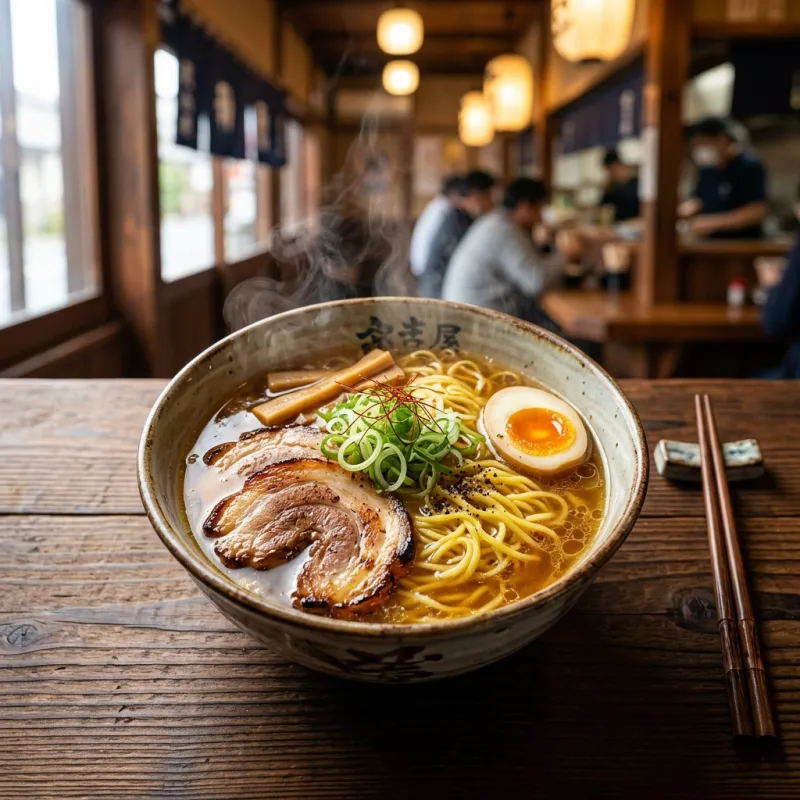
- Taste authentic Gyukotsu Ramen, an umami-rich beef bone broth noodle soup endemic to central Tottori.
- Experience traditional Kurayoshi Kasuri textile craftsmanship and hands-on indigo weaving workshops.
- Visit Mount Utsubuki Park, recognized as one of Japan's top 100 cherry blossom and historic park destinations.
- Enjoy a peaceful, uncrowded cultural retreat with effortless access to the historic hot springs of Misasa Onsen.
Things to Avoid
- Avoid expecting widespread English signage in residential or non-tourist backstreets; having an offline translation app is helpful.
- Do not rely entirely on credit cards or international ATMs outside major convenience stores and post offices.
- Avoid walking with shoes on inside historic machiya residences or preserved folk craft showrooms where slippers are provided.
- Avoid planning late-evening shopping trips, as many historic shops and tea houses in the Dozogun area close around 5:00 PM.
Local Transportation Tips
Kurayoshi is served by the JR San'in Main Line via Kurayoshi Station. The central historic preservation district (Shirakabe Dozogun) lies approximately 4 kilometers southwest of the train station. Regular municipal buses (Nihon Kotsu and Hinomaru Bus) run frequently from Kurayoshi Station Bus Terminal to the Akagawara / Shirakabe Dozogun bus stops, taking around 12 to 15 minutes. Within the historic area, navigation is best done on foot or by renting a town bicycle directly from the tourist information office near the station.
Travel Etiquette
- Always remove your shoes and switch to indoor slippers when entering traditional tatami-matted houses and temples.
- Do not discard trash in public spaces; carry your waste until you find designated receptacles or return it to your hotel.
- Walk quietly and respect residential privacy when admiring historic houses, as many structures in the Dozogun district remain private homes.
- Refrain from eating while actively walking through heritage streets; consume snacks at the designated seating area of the shop where purchased.
Recommended Age Group
Kurayoshi appeals primarily to visitors who appreciate architecture, quiet cultural walks, and traditional crafts.
- Babies (0-2 years): Neutral. Historic cobblestones and step-entry wooden structures can be cumbersome with bulky strollers, though the atmosphere is quiet and calm.
- Kids (3-12 years): Neutral. Children may enjoy feeding carp in the canals and seeing vintage toys at the Kurayoshi Figure Museum, but hands-on historical content caters to older audiences.
- Teens (13-19 years): Recommended. Photography enthusiasts and manga fans will appreciate the Kurayoshi Figure Museum and scenic historical streetscapes.
- Adults (20-64 years): Recommended. Ideal for cultural exploration, architectural photography, sake tasting, and artisan craft shopping.
- Seniors (65+ years): Recommended. The flat terrain of the historic quarter and leisurely pace of life make it exceptionally pleasant for mature travelers.
Accessibility Level: Medium
- The main streets of the Shirakabe Dozogun historic district are generally flat and paved, allowing reasonable wheelchair and mobility scooter navigation.
- Many historic merchant storehouses feature raised wooden thresholds, narrow door frames, and steep stairways that are not wheelchair accessible.
- Public disabled-access restrooms are available at the Akagawara Tourist Information Center and the Kurayoshi City Hall vicinity.
- Local public buses from Kurayoshi Station are largely low-floor transit vehicles equipped with boarding ramps.
Did You Know?
The reddish-brown roof tiles seen on Kurayoshi’s historic storehouses are known as Sekishu tiles, originating from neighboring Shimane Prefecture. Fired at temperatures exceeding 1,200°C, these glazed ceramic tiles were designed to withstand freezing moisture and heavy snowfall without cracking, preserving Kurayoshi's architectural heritage for centuries.
Cool Statistics
- Contains over 100 preserved Edo- and Meiji-era merchant storehouses and townhouses in the heritage preservation zone.
- Home to Mount Utsubuki Park, which features over 4,000 cherry blossom trees and 40,000 azaleas.
- Gyukotsu ramen has been served in Kurayoshi for over 70 years, originally created by local street cart vendors post-World War II.






Buy a compatible power adapter for your trip