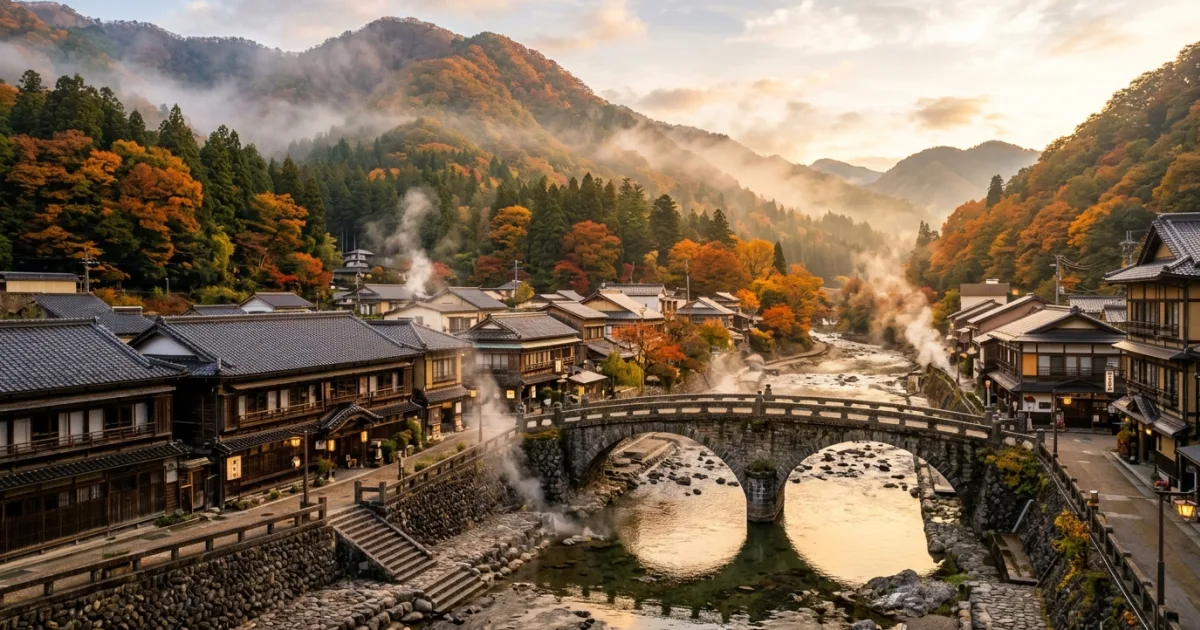
Misasa is a designated National Heritage town nestled along the Mitoku River in central Tottori Prefecture. Established in 1164 after a samurai spared a white wolf and was led to a restorative spring, the town has served as a sanctuary for healing, meditation, and mountain asceticism (Shugendo) for centuries. Its water contains unusually high levels of radon, leading to the creation of traditional three-stage thermal therapies: soaking, inhaling steam, and drinking the spring water directly from public spouts.
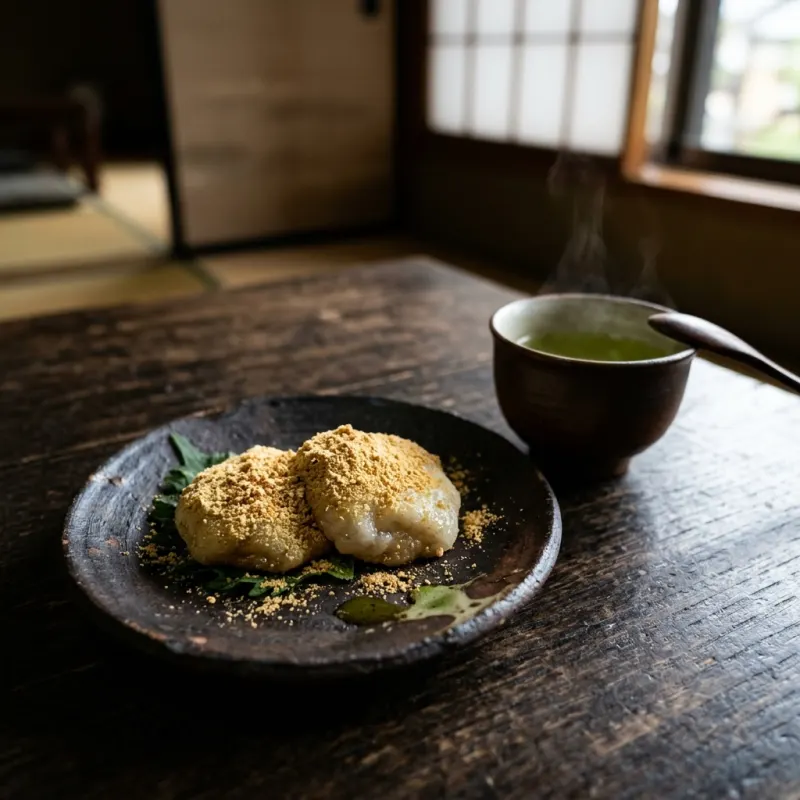
The village retains a distinct Showa-era charm, characterized by retro shooting galleries, timber-framed bridges, and family-owned sweet shops. Rising immediately south of the town center is Mount Mitoku, revered since the 8th century as a sacred mountain. The synergy between purifying the body in Misasa's radium baths and purifying the mind through the arduous pilgrimage to Sanbutsu-ji Temple forms the foundational philosophy of this serene valley.
Reasons to Visit
- Experience one of the globe's foremost radium thermal springs, celebrated for therapeutic healing and anti-aging mineral baths.
- Climb the legendary Shugendo trail to Nageiredo, an architectural marvel clinging miraculously to a sheer rock face.
- Stroll retro riverside alleys dotted with footbaths, historic ryokan, and wooden architecture untainted by over-tourism.
- Indulge in seasonal culinary banquets featuring Matsuba snow crab and locally sourced Tottori wagyu beef.
- Participate in centuries-old mountain worship traditions that integrate physical exertion with spiritual purification.
Things to Avoid
- Avoid wearing smooth-soled running shoes, sandals, or street boots when attempting Mount Mitoku; monk wardens inspect footwear and will mandate purchasing traditional straw sandals (waraji) if soles lack sufficient grip.
- Avoid soaking in Misasa's high-radon, high-heat waters for extended periods without hydration, as the minerals can quickly cause dizziness.
- Do not plan a winter ascent of Mount Mitoku, as the inner sanctuary trail closes completely during snow season.
- Avoid arriving late in the evening without a dinner reservation, as freestanding restaurants in the village close remarkably early.
Local Transportation Tips
Misasa is primarily accessed via JR Kurayoshi Station, which is connected to Kyoto and Osaka via the Super Hakuto limited express train. From Kurayoshi Station, Hinomaru buses depart hourly for Misasa Onsen, reaching the town center in roughly 20 to 25 minutes. Within Misasa itself, the onsen district is compact and entirely walkable on foot. To reach Mount Mitoku, a local bus runs from Misasa Onsen bus terminal to the Mitokusan stop in approximately 15 minutes. Rental cars are widely available at Kurayoshi Station or Tottori Airport and offer maximum flexibility for exploring the broader San'in coastline.
Travel Etiquette
- Wash thoroughly with soap and water at the bathing stalls before entering any communal onsen pools.
- Keep towels out of the bath water; place your small washcloth on your head or set it beside the pool edge.
- Respect the sacred nature of Mount Mitoku by refraining from loud noise, littering, or straying from the marked pilgrimage path.
- Remove shoes before stepping onto tatami mats inside ryokan, tea houses, and temple pavilions.
Recommended Age Group
Misasa is best suited for mature travelers, couples, and active older teens due to its rugged pilgrimage climbing and tranquil bathhouse culture.
- Babies (0-2 years): Not Recommended. Natural radium hot spring waters are excessively hot and heavily mineralized for infant skin, and mountain trails are completely impassable with strollers.
- Kids (3-12 years): Neutral. Children will enjoy the riverbanks and retro shooting galleries, but the premier attraction of Mount Mitoku imposes strict safety restrictions and is too dangerous for young children.
- Teens (13-19 years): Recommended. Active teenagers will find the scrambling ascent up Mount Mitoku—using tree roots and metal chains—an unforgettable outdoor adventure.
- Adults (20-64 years): Recommended. Ideal for hikers, architecture enthusiasts, and wellness travelers seeking restorative hot spring retreats and authentic Japanese hospitality.
- Seniors (65+ years): Recommended. The flat onsen district, traditional therapeutic baths, and serene riverside ryokan are exceptionally suited for older travelers, provided steep mountain climbs are bypassed.
Accessibility Level: Medium
- The core Misasa onsen district along the river is relatively flat with paved paths, allowing reasonable mobility for wheelchair users, though some historic bridges feature cobblestones and minor curbs.
- Mount Mitoku and the trail to Sanbutsu-ji inner hall are entirely inaccessible for travelers with limited mobility, involving sheer cliff climbs, exposed roots, and no handrails.
- Modern ryokan such as Misasa Yakushi-no-Yu Saiki Bekkan provide barrier-free rooms, elevator access, and private ground-floor bathing facilities upon advance request.
Did You Know?
The name 'Misasa' translates literally to 'Three Mornings' (三朝). According to local lore, soaking in the town's mineral-rich radon springs for three consecutive mornings is said to cure all physical ailments and restore complete vitality.
Cool Statistics
- Home to Nageiredo, a National Treasure constructed in the 11th century inside a cavern 520 meters above sea level with no surviving blueprints.
- Boasts thermal springs emitting natural radon gas at concentrations over 680 becquerels per liter, ranking among the highest worldwide.
- Established over 850 years ago in the Heian period (1164 AD) by samurai attendant Okuda Sama-no-suke.






Buy a compatible power adapter for your trip