Disclosure: This site contains affiliate links. We may earn a commission if you make a purchase, at no extra cost to you.

>
>
>
>
>
Mount Daisen Region

Mount Daisen Region

Panoramic view of Mount Daisen surrounded by colorful autumn beech forests in Tottori, Japan

Mount Daisen Region Overview & Key Highlights

Mount Daisen stands as the highest peak in the Chugoku region, rising 1,729 meters above sea level in western Tottori Prefecture. Revered for centuries as a sacred volcanic peak, its rugged north face contrasts sharply with the sweeping, gentle slopes of its western pastures, often earning it the moniker 'Hoki Fuji' for its resemblance to Mount Fuji. The mountain anchors Daisen-Oki National Park, surrounded by ancient beech forests, centuries-old Buddhist temples like Daisen-ji, and pastoral dairy plains that supply western Japan with premier dairy products. Travelers visit the Daisen region year-round to experience outdoor activities, culinary heritage, and quiet wellness retreats. Summer brings hikers tackling the summit trail and cyclists navigating alpine loops, while autumn carpets the valleys in vibrant beech foliage. In winter, heavy snowfall turns the slopes into an accessible ski haven overlooking the Sea of Japan. Across all seasons, the surrounding towns offer hot springs, fresh mountain water, farm-to-table dining, and a tranquil escape from Japan's dense metropolitan centers.

Mount Daisen Region Travel Guide: Logistics & In-Depth Tips

Mount Daisen stands as a sacred sentinel overlooking the Sea of Japan in western Tottori Prefecture. Revered as an object of mountain worship (Shugendo) for well over a millennium, this volcanic peak boasts dense virgin beech forests, dramatic northern rock faces, and tranquil pastures on its southern flank. Historically known as Hoki Fuji due to its conical profile when viewed from the west, Daisen attracts visitors seeking crisp mountain air, natural hot springs, and outdoor recreation away from congested tourist corridors.

The region is centered around the spiritual enclave of Daisen-ji, an eighth-century Buddhist temple complex that once housed thousands of warrior monks. Today, the surrounding slopes and foothill towns form the core of Daisen-Oki National Park. Visitors can trek through preserved natural paths, sample fresh dairy at high-altitude ranches, cycle through cedar canopies, or hit the ski slopes in the winter months while enjoying panoramic views stretching to the Miho Peninsula.

Reasons to Visit

  • Hike through the largest natural beech forest in Western Japan up to Misen Peak.
  • Explore historic temples and atmospheric stone pathways at Daisen-ji and Ogamiyama Shrine.
  • Enjoy year-round outdoor adventures including road cycling, downhill skiing, and snowshoeing.
  • Savor distinct local cuisine like rich Daisen chicken skewers, fresh dairy, and steaming bowls of Daisen Okowa.
  • Relax in natural onsen hot springs with direct views of alpine slopes and the coastline.

Things to Avoid

  • Avoid attempting the unstable ridge trail to Kengamine Peak; it is strictly off-limits due to severe landslide hazards.
  • Do not rely entirely on cashless payment apps or foreign credit cards in local mountain shops and buses.
  • Avoid hiking without adequate wind and rain layers, as summit weather shifts rapidly even in mid-summer.
  • Do not miss the last bus back to Yonago Station in the late afternoon, as taxis are expensive and scarce on the mountain.

Local Transportation Tips

Public buses operated by Nihon Kotsu run from JR Yonago Station directly to the Daisen Daisen-ji bus stop. During peak tourism seasons and weekends from spring through autumn, the Daisen Loop Bus connects key attractions including Daisen Pasture Milk no Sato, Daisen-ji, and local flower parks. Renting a car from Yonago Airport or Yonago Station is the most flexible way to explore the wider foothill region and remote hot springs.

Travel Etiquette

  • Remove your footwear when entering temple halls, traditional ryokan, and tatami dining areas.
  • Do not remove plants, rocks, or flowers from national park boundaries.
  • Pack out all personal garbage, as trash cans are intentionally absent along hiking trails.
  • Rinse your body thoroughly before entering communal onsen baths, and keep towels out of the bathwater.

Recommended Age Group

Mount Daisen provides engaging outdoor and cultural activities, though trail steepness and rural transit require consideration across age groups.

  • Babies (0-2 years): Neutral. Mountain paths are not stroller-friendly, though base pastoral areas like Milk no Sato offer easy farm walks for families.
  • Kids (3-12 years): Recommended. Children enjoy pasture farm experiences, soft-serve ice cream tastings, gentle forest nature trails, and winter beginner snow play areas.
  • Teens (13-19 years): Recommended. Active teenagers will appreciate mountain climbing, downhill skiing, mountain biking, and active outdoor challenges.
  • Adults (20-64 years): Recommended. Ideal for trekking enthusiasts, cultural travelers, foodies, and those seeking hot spring relaxation.
  • Seniors (65+ years): Recommended. Cultural sites near Daisen-ji and scenic drives offer rewarding visits, though full summit hikes feature steep timber steps that require good knee stamina.

Accessibility Level: Medium

  • The lower Daisen Information Center and major dairy ranches feature paved, barrier-free walkways and wheelchair-accessible restrooms.
  • Mountain hiking trails consist of uneven volcanic rocks, dirt tracks, and wooden log stairs unsuitable for wheelchairs.
  • Daisen-ji Temple approaches involve steep, historic cobblestone steps that can be slippery when wet.
  • Local public buses have limited low-floor accessibility, making private accessible vehicle hire preferable for mobility-impaired visitors.

Did You Know?

During the Edo period, Mount Daisen hosted one of Japan's three largest cattle and horse markets, which explains why the region remains famous for prime cattle ranching and dairy farming today.

Cool Statistics

  • 1,729 meters: The elevation of Mount Daisen, the highest peak in the Chugoku region.
  • Over 1,300 years: The historical age of Daisen-ji Temple, founded in 718 AD.
  • 1,709 meters: The elevation of Misen Peak, the trail summit reachable by visitors.
  • Largest virgin beech forest: Home to the most expansive protected beech ecosystem in Western Japan.


Address:

Daisen, Saihaku District, Tottori Prefecture, Japan

Find Nearby Accommodations

Basic Info

address icon

COUNTRY & Region

Japan,
Asia

ACCESSIBILITY LEVEL​

Medium
Currency icon

LOCAL CURRENCY​

Japanese Yen (JPY)
Price level icon
Medium
Safety Level icon

SAFETY LEVEL

Duration icon

Recommended Duration

• 1-7 days
• Full day

Electricity

electricity icon

Electricity

100-110V, 
60Hz
Plug Socket icon

Plug Type

• Type A (Flat blade)
• Type B (Flat blade with grounding pin)
Plug types
Click To View Plug Types
Mount Daisen Region is part of our
Coolcation collection

Activities To Do In Mount Daisen Region

Best Time To Visit Mount Daisen Region

Mount Daisen is a true four-season alpine destination, with optimal conditions varying by activity.

  • May to June: Ideal for spring hiking, fresh green beech leaves, and mild temperatures averaging 15°C to 20°C.
  • July to August: Excellent for escaping coastal summer heat, though humidity rises and afternoon rainstorms can occur.
  • October to early November: Peak season for autumn foliage, featuring stunning red and gold beech canopy displays.
  • December to March: Deep powder snow conditions turn the area into western Japan's primary ski and snowshoe destination.

Average Temperatures Per Month

Remember to check the weather forecast a few days before the trip and before heading to the airport.

Safety Level icon

Safety Level

Mountain weather can deteriorate rapidly; always check summit forecasts before hiking. Stay on marked wooden boardwalks at the peak to prevent volcanic soil erosion and avoid steep scree drops. In winter, equip rental vehicles with studless snow tires or snow chains, as mountain roads ice over quickly.

The rating is based on multi-year peace, crime, and security indices. Before you go, always verify current conditions through official government travel advisories.

Emergency Numbers

Police: 110
Ambulance: 119

No internet needed • Includes local translations • Free for TravelingWiz readers

Spoken Languages

Japanese. English signage is present at major tourist centers, though basic spoken Japanese is beneficial in rural areas.

Learn The Language

  • Konnichiwa – Hello
  • Arigatou gozaimasu – Thank you very much
  • Sumimasen – Excuse me / Sorry
  • Kore wa ikura desu ka? – How much is this?
  • Toire wa doko desu ka? – Where is the restroom?
  • Mizu o kudasai – Water, please
  • Eigo ga hanasemasu ka? – Do you speak English?
  • Tasukete kudasai – Please help me
Travel Booking Partner - TravelingWiz

Trip Cost & Budgeting for Mount Daisen Region, 2026

Everything you need to know about money while traveling
Is Mount Daisen Region expensive for tourists in 2026? While more affordable than major Japanese hubs like Tokyo, traveling here sits in the medium price range. You can expect to pay around 450 JPY for a coffee, 550 JPY for a domestic beer, and 1,500 JPY for a main meal in a mid-range restaurant. These Human Verified prices show that visiting this scenic mountain destination offers great value. Use the data table below to calculate your specific daily budget based on your travel style.
Currency icon

LOCAL CURRENCY​:

Japanese Yen (JPY)
Price level icon
Medium
Cards work at hotels and main hubs, but cash is essential for mountain buses, small eateries, and trailside shops.

Per person, per day – pocket cash for small purchases.

Local: 1650
Japanese Yen (JPY)
≈ 10 USD

Full daily spend estimation (accommodation, food, transportation, attractions).

Travel Style
Japanese Yen (JPY)
≈ USD ($)
Budget
9100
57
Mid-range
16500
104
Comfort
36300
229

The Prices, Daily costs, and calculator results are estimates for planning purposes only. Actual costs may vary based on season, booking timing, personal spending habits, and currency fluctuations. TravelingWiz cannot be held responsible for discrepancies between these estimates and your final trip expenses.

  • • Buy a regional bus pass at Yonago Station for discounted unlimited travel between Yonago and Daisen attractions.
  • • Visit regional soba and ramen shops near the mountain trailhead for filling, budget-friendly meal sets.
  • • Charge an IC transit card like Suica or Pasmo for quick payment at convenience stores and major train lines.
  • • Base yourself in business hotels near Yonago Station to access lower nightly rates and convenient bus transfers.

Pre-Order Tickets

Avoid disappointment when tickets sell out — and skip the long lines by booking online in advance. You’ll often save up to 20% too.
Save up to 20%

Travel Discounts & Coupons

Save on hotels, attractions, transport, and gear — find verified discounts for smarter travel spending.
Verified Coupons

What To Pack

  • Sturdy hiking boots with ankle support for rocky volcanic trails.
  • Layered clothing and waterproof shell jackets to manage sudden mountain weather shifts.
  • Trekking poles for knee relief during steep descent sections.
  • Cash in Japanese Yen, as rural farm stands and shrine shops rarely take cards.
  • Slip-on shoes for frequent visits to temples, ryokan, and hot spring facilities.
  • Sunscreen and sunglasses for exposed summit trails and reflective snow fields in winter.
  • Refillable water bottle to sample natural mountain spring water.
We couldn't find tips for Mount Daisen Region.
If you got any, please share

Recommended Itineraries for Traveling to Mount Daisen Region

We couldn't find itineraries for Mount Daisen Region.
you can contact us for custom trip plan

Food & Drink Highlights

Local Food Overview

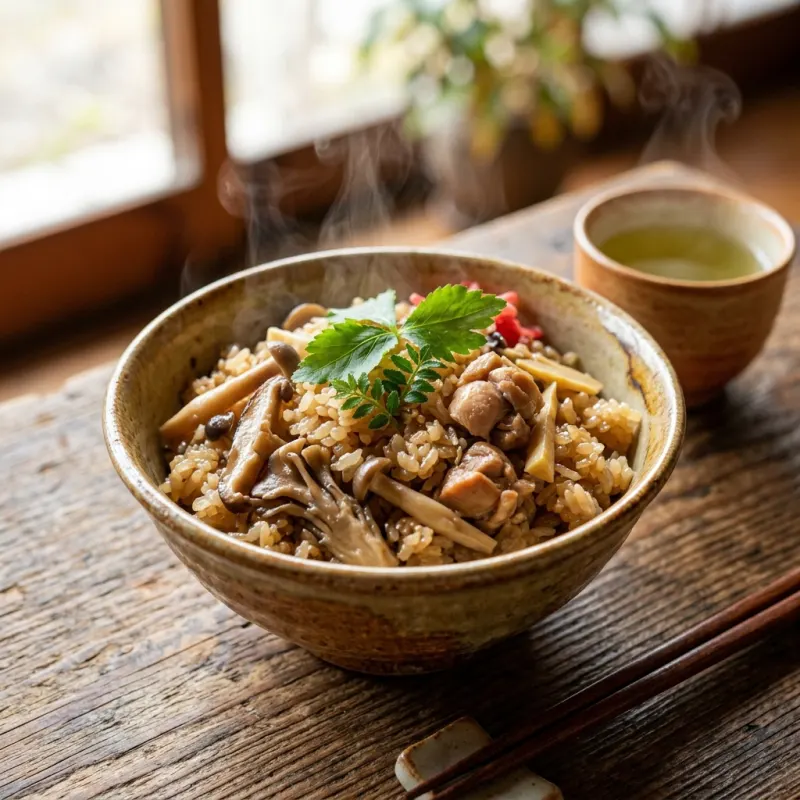
The cuisine of the Daisen region relies heavily on pristine mountain runoff, rich volcanic soils, and lush alpine grasslands. The region is famed for Daisen Jidori (free-range heritage chicken prized for its tenderness and rich umami flavor), Daisen dairy products including creamy soft-serve milk and cheeses, and rustic Daisen Okowa (steamed glutinous rice infused with seasonal mountain vegetables and chicken).
Authentic Daisen Okowa steamed sticky rice dish with mountain vegetables

Must Try Dish

Daisen Okowa - This savory steamed sticky rice dish is loaded with local wild vegetables, chestnuts, and heritage chicken simmered in a seasoned dashi broth. It provides a hearty, traditional meal long favored by mountain pilgrims and hikers navigating the Daisen trails.
Food Experiences Title Icon

Food
Experiences

Discover cooking classes, tastings and local food tours

No food experience found
Maya, the human travel expert at TravelingWiz, offering curated, non-AI expertise

Maya’s Final Checklist for Mount Daisen Region

Logistics shouldn’t be the focus of your trip—the experience should. I’ve hand-vetted these essential partners to ensure your arrival, stay, and exploration are as smooth as an Athenian breeze.

Where to Stay

From boutique hotels to local apartments—compare thousands of options and find the perfect stay in the best neighborhood.

Air Travel

Getting there should be seamless. Compare the best routes and prices across top airlines to start your journey on the right note.

Local Guides

Connect with experts who know the destination best. Get personalized advice and insider tips to help you plan your perfect trip.

Travel Protection

The “Engineer’s” rule: always have a backup. Secure your trip with a plan that covers every “what if” and unexpected change.

Car Rentals

Explore at your own pace with total freedom. Compare reliable rental options and find the right vehicle for your adventure.

Visa Services

Don’t let paperwork slow you down. Get expert assistance with your application to ensure all your entry documents are in order.

FAQs

Take the JR San-in Main Line to Yonago Station, where direct local buses run regularly to the Daisen Information Center and Daisen-ji Temple trailhead in about 50 minutes.
No. The highest pinnacle, Kengamine (1,729m), is closed due to severe volcanic ridge erosion. The highest legally accessible trekking point is Misen Peak at 1,709 meters.
Yes. Daisen White Resort offers multiple slopes ranging from gentle beginner runs near the base to challenging courses higher up with sea views.

Your Insights Matter

TravelingWiz grows through the stories of our community. If you’ve recently explored ,Mount Daisen Region share your tips and stories to help us perfect our guides for the next traveler.

Related Articles

Check out our related articles and blog posts to learn even more about the destination.

No related articles found

Don’t Travel Alone

Share with your friends and family

Where should we send your offline card?

We hate spam just as much as you do

newsletter_consent *