Sakaiminato occupies the northwestern tip of Tottori Prefecture, functioning as a vital maritime trade harbor and fishing nexus along the Sea of Japan. Famous throughout Japan as the hometown of manga author Shigeru Mizuki (creator of GeGeGe no Kitaro), the city has woven folkloric supernatural creatures into its urban landscape. Over 170 cast-bronze yōkai statues line the sidewalks between the main train station and the Mizuki Shigeru Museum, transforming an ordinary downtown into an open-air cultural gallery.
Beyond folklore, Sakaiminato is an economic powerhouse for coastal fisheries, landing significant portions of Japan's total red snow crab and Pacific bluefin tuna. The harbor district invites visitors into energetic wholesale and retail seafood centers where chefs prepare freshly caught sashimi and seasonal crab delicacies. Positioned beside the Nakaumi lagoon and Yumigahama beach strip, the town delivers a classic, relaxed Japanese coastal experience far removed from standard tourist corridors.
Reasons to Visit
- Mizuki Shigeru Road: An iconic 800-meter street adorned with 177 bronze yōkai sculptures, themed cafes, and character-themed streetlights.
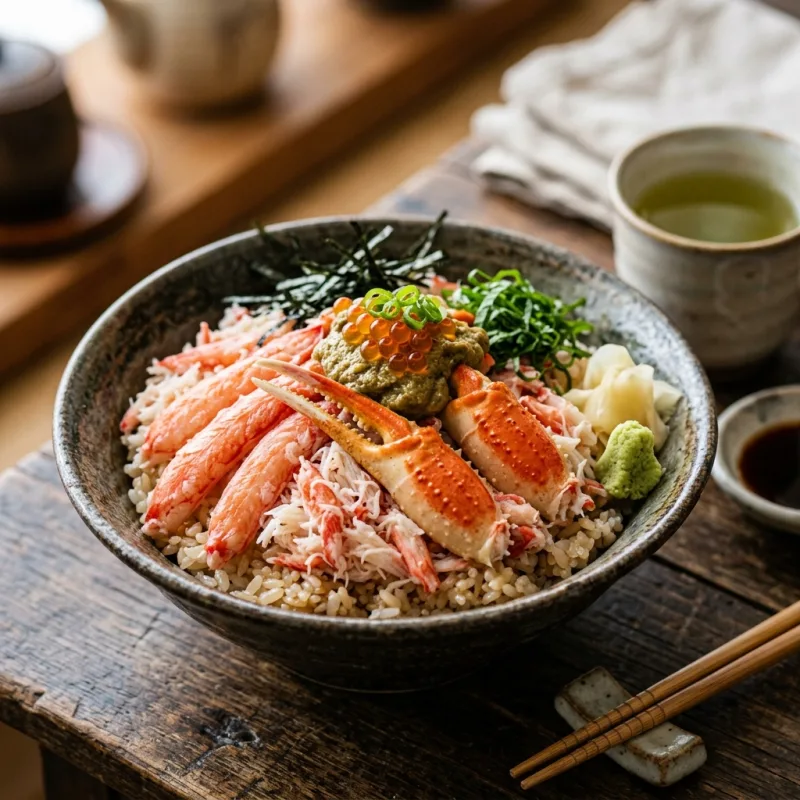
- World-Class Seafood: Home to top-tier red snow crab and matsuba crab markets offering direct harbor dining at accessible prices.
- Eshima Ohashi Bridge: The famous 'rollercoaster bridge' connecting Sakaiminato to Shimane, renowned worldwide for its seemingly steep architectural incline when photographed from a distance.
- Themed Rail Experience: The JR Sakai Line features dedicated anime-wrapped train cars and recorded station announcements voiced by famous cartoon characters.
Things to Avoid
- Avoid arriving late in the afternoon if you plan to eat seafood, as many authentic port markets and local noodle shops close by 3:00 PM or 4:00 PM.
- Do not touch or lean heavily on the bronze statues along Mizuki Shigeru Road, as they are considered community public art.
- Avoid visiting without physical cash, because small fishmongers and souvenir carts often decline international credit cards.
- Do not expect English menus at every local port eatery; utilize translation apps or point-and-order etiquette politely.
Local Transportation Tips
Sakaiminato is exceptionally walkable once you arrive at JR Sakaiminato Station, which acts as the terminus of the scenic JR Sakai Line from Yonago. The main promenade, Mizuki Shigeru Road, starts directly outside the station doors and leads smoothly to the Shigeru Mizuki Museum. For trips further out—such as visiting the Sakaiminato Seafood Direct Sale Center or viewpoints near Eshima Ohashi Bridge—local community loop buses (Hamarup-go) operate regular flat-fare circuits, though renting a bicycle at the station tourist information office provides superior flexibility.
Travel Etiquette
- Always return your food trays and trash to market stall bins; public street trash cans are rare in Japan.
- Slurping noodles and broth in casual ramen and soba shops is socially acceptable and indicates appreciation of the meal.
- Refrain from walking while eating street treats; consume food near the vendor stand or seated on public benches.
- Take off your shoes when entering traditional ryokan, tatami dining rooms, or designated shrine spaces.
Recommended Age Group
Sakaiminato offers diverse attractions, seamlessly engaging multi-generational travelers through visual folklore and culinary excellence.
- Babies (0-2 years): Neutral. The flat sidewalks along the main street accommodate strollers well, though specialized nursery facilities are limited outside transit hubs.
- Kids (3-12 years): Recommended. Children are enthralled by the playful monster statues, mascot characters, themed trains, and stamp-rally scavenger hunts.
- Teens (13-19 years): Recommended. Fascinating for teenagers interested in anime, Japanese pop culture, folklore mythology, and eccentric photography spots.
- Adults (20-64 years): Recommended. Excellent dining opportunities, relaxed coastal walking, cultural museums, and scenic seaside photography.
- Seniors (65+ years): Recommended. Extremely flat topography, gentle walking routes, accessible train connections, and peaceful daytime harbor sights.
Accessibility Level: Medium
- Mizuki Shigeru Road features barrier-free, widened sidewalks with smooth paving stones and tactile paving for visually impaired visitors.
- JR Sakaiminato Station provides level boarding, ramp access, and wheelchair-accessible public restrooms.
- The Mizuki Shigeru Museum is equipped with elevator access, wide entryways, and accessible multi-purpose facilities.
- Certain older, traditional seafood restaurants and market docks feature raised thresholds and narrow aisles that may require assistance.
Did You Know?
The steep visual illusion of the nearby Eshima Ohashi Bridge became a global viral sensation after an automotive commercial used a telephoto lens compression technique to make its 6.1% grade look like a terrifying vertical drop.
Cool Statistics
- 177 intricately detailed bronze yōkai statues currently decorate the sidewalks of Mizuki Shigeru Road.
- Sakaiminato is responsible for landing the highest volume of red snow crab (beni-zuwaigani) of any port in Japan.
- The town covers a compact land area of approximately 29 square kilometers, surrounded on three sides by water.






Buy a compatible power adapter for your trip