Disclosure: This site contains affiliate links. We may earn a commission if you make a purchase, at no extra cost to you.

>
>
>
>
>
Tottori City

Tottori City

Panoramic golden sunset over the expansive Tottori Sand Dunes overlooking the Sea of Japan

Tottori City Overview & Key Highlights

Tottori City is the coastal capital of Tottori Prefecture, positioned along the Sea of Japan in the southwestern Chugoku region. The city is globally recognized for the Tottori Sand Dunes, an expansive coastal dune system sculpted by ocean currents and seasonal winds over more than 100,000 years. Beyond this dramatic natural wonder, Tottori serves as a gateway to deep cultural heritage, housing the world's only indoor museum dedicated to sand sculpture alongside ancient feudal castle ruins and storied Shinto shrines. Visitors find an unhurried, distinctly authentic Japanese urban atmosphere marked by exceptional culinary bounty. As an integral component of the San'in Kaigan UNESCO Global Geopark, the city features pristine coastlines, abundant hot spring baths, and access to winter Matsuba crab and Tottori Wagyu. Compact transit routes and tourist-friendly bus loops make navigating between city-center historical sights and wild seaside landscapes effortless and rewarding.

Tottori City Travel Guide: Logistics & In-Depth Tips

Tottori City stands out among Japanese prefectural capitals for its unique blend of stark geographical marvels and unhurried regional charm. Located along the southern coast of the Sea of Japan, the city is shaped by the dramatic meeting of sand, sea, and mountainous inland valleys. Its defining feature, the Tottori Sand Dunes, sprawls over 16 kilometers along the coast, offering undulating terrain that shifts continuously with ocean breezes.

Beyond the dunes, Tottori preserves deep cultural layers visible at the stone foundation terraces of Tottori Castle ruins on Mount Kyusho, the elegant Meiji-era French Renaissance villa Jinpukaku, and Hakuto Shrine, celebrated in the ancient Shinto myth of the White Hare of Inaba. The city is peaceful, safe, and exceptionally welcoming to international visitors, offering world-class seafood, convenient transit solutions, and dark night skies renowned across Japan for celestial stargazing.

Reasons to Visit

  • Climb the iconic Tottori Sand Dunes to marvel at expansive coastal vistas and natural wind ripple patterns.
  • Visit the world-renowned Sand Museum, housing monumental, hyper-detailed sand sculptures carved by global masters.
  • Indulge in fresh Sea of Japan delicacies, including winter Matsuba crab and sweet Mosa shrimp at Karo Port.
  • Explore historic Edo and Meiji architecture at the Tottori Castle ruins and the white-timbered Jinpukaku residence.
  • Experience Tottori's designated 'Hoshitori' stargazing skies with minimal light pollution over the sand ridges.

Things to Avoid

  • Avoid walking barefoot on the dunes during peak summer midday hours, as sand temperatures can cause severe burns.
  • Do not carve writing or drawings into the dunes, as this is prohibited by local conservation bylaws to preserve natural sand ripples.
  • Do not travel to the Sand Museum between mid-January and early April without checking schedules, as it closes annually for reconstruction.
  • Avoid assuming all taxi and bus operators accept international credit cards; keep modest cash on hand.

Local Transportation Tips

Tottori City is accessible via the JR San'in Main Line and JR Inbi Line, connecting smoothly to Osaka and Kyoto via the Super Hakuto Limited Express in under 2.5 hours. Within the city, public buses operate regularly from Tottori Station to the Sand Dunes and Karo Port. On weekends and public holidays, the Loop Kirinjin Bus connects all primary tourist sights. A special tourist taxi service allows international visitors to charter a taxi for up to 3 hours for a deeply subsidized flat rate per vehicle, arranged at the station's Tourist Information Desk.

Travel Etiquette

  • Remove your shoes when stepping into traditional ryokan accommodations, tatami dining areas, and historic monuments like Jinpukaku.
  • Rinse off sand thoroughly at the designated foot-washing stations near dune entrances before boarding public buses or taxis.
  • Carry your personal trash with you, as public garbage receptacles are rare along coastal trails and park areas.
  • Observe silence and wash your hands and mouth at the temizuya water pavilion before offering prayers at Hakuto Shrine.

Recommended Age Group

Tottori City offers an accessible, visually stimulating journey suitable across diverse generations, though walking requirements vary by attraction.

  • Babies (0-2 years): Neutral. Navigating standard strollers through the loose sand of the dunes is impossible, though central city museums and public transit are baby-friendly.
  • Kids (3-12 years): Recommended. Children delight in sand sliding, dune exploration, the interactive displays at the Sand Museum, and local hare folklore.
  • Teens (13-19 years): Recommended. Excellent opportunities for photography, fat-tire sand biking, paragliding over the dunes, and manga culture connections.
  • Adults (20-64 years): Recommended. Perfect balance of dramatic coastal hiking, world-class culinary tastings, historic exploration, and relaxing onsen dips.
  • Seniors (65+ years): Recommended. The chairlift to the dunes, paved observation lookouts, comfortable tourist taxis, and barrier-free museums make sightseeing gentle and manageable.

Accessibility Level: Medium

  • The Sand Museum features full barrier-free elevator access, ramps, and dedicated wheelchair loaner services.
  • The Sand Dunes observation deck and restaurant areas are wheelchair-accessible via paved plazas and chairlift facilities.
  • Tottori Station offers step-free access, tactile paving, and multi-purpose accessible restrooms.
  • Moving across the actual sand dunes requires substantial physical mobility, though scenic viewpoints overlooking the dunes are fully paved.

Did You Know?

Tottori Prefecture officially declared itself 'Hoshitori-ken' (the Star-Catching Prefecture) because its pristine coastal and mountain air provides some of the clearest views of the Milky Way anywhere in Japan. In addition, Tottori consistently ranks as Japan's top consumer of curry roux per household, fostering a vibrant local curry culture featuring unique ingredients like nashi pears and local wagyu.

Cool Statistics

  • 16 kilometers: The east-to-west coastal span of the Tottori Sand Dunes system.
  • 47 meters: Height of the tallest sand ridge, nicknamed 'Umanose' (The Horse's Back).
  • 3,000 JPY: Special 3-hour flat rate for international tourist taxis chartered from Tottori Station.
  • 100,000+ years: Time sediment from the Sendai River has gathered to form the current dunes.

Address:

Tottori City, Japan

Find Nearby Accommodations

Basic Info

address icon

COUNTRY & Region

Japan,
Asia

ACCESSIBILITY LEVEL​

Medium
Currency icon

LOCAL CURRENCY​

Japanese Yen (JPY)
Price level icon
Medium
Safety Level icon

SAFETY LEVEL

Duration icon

Recommended Duration

• 1-7 days
• Full day

Electricity

electricity icon

Electricity

100-110V, 
60Hz
Plug Socket icon

Plug Type

• Type A (Flat blade)
• Type B (Flat blade with grounding pin)
Plug types
Click To View Plug Types
Tottori City is part of our
Astrotourism collection

Activities To Do In Tottori City

Best Time To Visit Tottori City

Tottori experiences distinct seasonal shifts, offering diverse appeals across the calendar year.

  • Spring (April to May): Mild temperatures, blooming cherry blossoms around Tottori Castle ruins, and comfortable walking weather on the dunes.
  • Summer (June to August): Warm coastal climate ideal for sea kayaking and evening stargazing, though midday sand temperatures can be severe.
  • Autumn (September to November): Crisp, clear days with vibrant foliage, delicious Nijisseiki pear harvesting, and the opening of the celebrated winter crab season.
  • Winter (December to March): Dramatic snow-covered dunes contrasting against the dark sea, steamy onsen visits, and peak season for sweet Matsuba crab.

Average Temperatures Per Month

Remember to check the weather forecast a few days before the trip and before heading to the airport.

Safety Level icon

Safety Level

Tottori City boasts an exceptionally low crime rate, making violent crime virtually nonexistent and solo walking safe at all hours. Primary hazards are environmental: the coastal dunes can become blisteringly hot in midsummer, necessitating generous hydration to avoid heatstroke. Stay well back from cliff edges along the Uradome Coast trail, and heed winter sea storm advisories.

The rating is based on multi-year peace, crime, and security indices. Before you go, always verify current conditions through official government travel advisories.

Emergency Numbers

Police: 110
Ambulance: 119

No internet needed • Includes local translations • Free for TravelingWiz readers

Spoken Languages

Japanese (Standard and Tottori dialect). Basic English is spoken at transport hubs, large hotels, and major tourist facilities.

Learn The Language

  • Konnichiwa – Hello
  • Arigatou gozaimasu – Thank you very much
  • Sumimasen – Excuse me / Sorry
  • Kore wa ikura desu ka? – How much is this?
  • Eigo ga hanasemasu ka? – Do you speak English?
  • O-kaikei kudasai – Check, please
  • Tasukete kudasai – Please help me
  • Toire wa doko desu ka? – Where is the restroom?
Travel Booking Partner - TravelingWiz

Trip Cost & Budgeting for Tottori City, 2026

Everything you need to know about money while traveling
Is Tottori City expensive for tourists in 2026? No, Tottori City is relatively affordable compared to major Japanese hubs like Tokyo or Kyoto. With our Human Verified prices, expect to pay around 520 JPY for a coffee, 500 JPY for a domestic draft beer, and 2,500 JPY for a mid-range restaurant meal. Overall travel costs here remain very reasonable for daily expenses. Use the data table below to calculate your specific daily budget based on your travel style.
Currency icon

LOCAL CURRENCY​:

Japanese Yen (JPY)
Price level icon
Medium
While major hotels accept cards, cash is essential for local buses, small eateries, and regional attractions around Tottori.

Per person, per day – pocket cash for small purchases.

Local: 1650
Japanese Yen (JPY)
≈ 40 USD

Full daily spend estimation (accommodation, food, transportation, attractions).

Travel Style
Japanese Yen (JPY)
≈ USD ($)
Budget
9100
57
Mid-range
16500
115
Comfort
36300
240

The Prices, Daily costs, and calculator results are estimates for planning purposes only. Actual costs may vary based on season, booking timing, personal spending habits, and currency fluctuations. TravelingWiz cannot be held responsible for discrepancies between these estimates and your final trip expenses.

  • • Take advantage of the 100-Yen Kururi Bus or inquire at Tottori Station about foreign tourist taxi discounts.
  • • Book the affordable highway bus from Osaka Namba OCAT rather than expensive express trains to reach Tottori cheaply.
  • • Enjoy top attractions like the Tottori Sand Dunes and local coastal shrines, which are free to visit.
  • • Eat lunch at Karo Port fish market or station food halls for generous portions of fresh local seafood at low prices.

Pre-Order Tickets

Avoid disappointment when tickets sell out — and skip the long lines by booking online in advance. You’ll often save up to 20% too.
Save up to 20%

Travel Discounts & Coupons

Save on hotels, attractions, transport, and gear — find verified discounts for smarter travel spending.
Verified Coupons

What To Pack

  • Slip-on sandals or waterproof boot covers for navigating the deep sand of the dunes.
  • UV-protective sunglasses, wide-brim hat, and high-SPF sunscreen to combat intense sun glare off the sand.
  • Windproof light jacket, especially during spring and autumn when sea breezes turn brisk.
  • Compact umbrella or waterproof shell for unpredictable Sea of Japan coastal showers.
  • Type A two-prong power adapter and a reliable portable charging bank for full-day excursions.
  • Comfortable walking shoes with good tread for climbing the historic Tottori Castle hillside.
We couldn't find tips for Tottori City.
If you got any, please share

Recommended Itineraries for Traveling to Tottori City

We couldn't find itineraries for Tottori City.
you can contact us for custom trip plan

Food & Drink Highlights

Local Food Overview

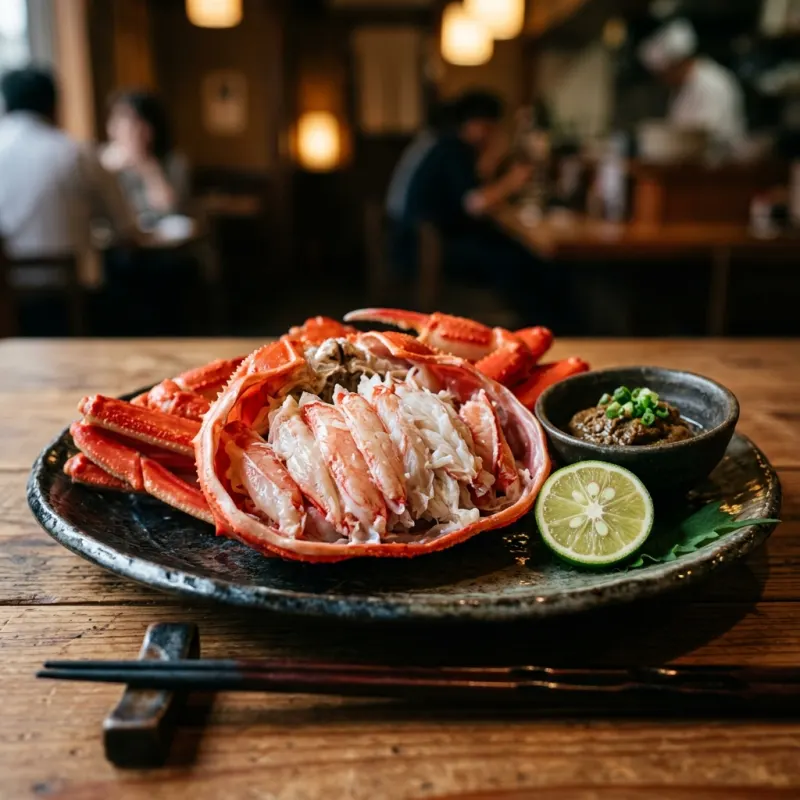
Gastronomy in Tottori City is anchored by pristine coastal waters and fertile volcanic agricultural plains. Winter months bring Matsuba crab (male snow crab) prized for its delicate sweetness, alongside succulent Mosa shrimp that rarely leave the prefecture due to fast freshness decline. Land-based specialties include tender Tottori Wagyu, crisp Nijisseiki pears, and surprisingly rich beef-bone broth ramen (Gyukotsu Ramen). The city also leads Japan in per-capita curry consumption, resulting in high-caliber local curry houses.
Freshly prepared Matsuba snow crab served on a Japanese ceramic platter

Must Try Dish

Matsuba-gani (Matsuba Snow Crab) - Harvested fresh from the Sea of Japan during winter, this male snow crab features sweet, firm meat served raw, boiled, or grilled over charcoal. The rich, buttery crab tomalley (kani miso) is often simmered directly in the shell with local sake for an unforgettable savory finish.
Food Experiences Title Icon

Food
Experiences

Discover cooking classes, tastings and local food tours

No food experience found
Maya, the human travel expert at TravelingWiz, offering curated, non-AI expertise

Maya’s Final Checklist for Tottori City

Logistics shouldn’t be the focus of your trip—the experience should. I’ve hand-vetted these essential partners to ensure your arrival, stay, and exploration are as smooth as an Athenian breeze.

Where to Stay

From boutique hotels to local apartments—compare thousands of options and find the perfect stay in the best neighborhood.

Air Travel

Getting there should be seamless. Compare the best routes and prices across top airlines to start your journey on the right note.

Local Guides

Connect with experts who know the destination best. Get personalized advice and insider tips to help you plan your perfect trip.

Travel Protection

The “Engineer’s” rule: always have a backup. Secure your trip with a plan that covers every “what if” and unexpected change.

Car Rentals

Explore at your own pace with total freedom. Compare reliable rental options and find the right vehicle for your adventure.

Visa Services

Don’t let paperwork slow you down. Get expert assistance with your application to ensure all your entry documents are in order.

FAQs

Regular public buses depart from Bus Gate 0 outside Tottori Station, reaching the Sand Dunes Center in approximately 20 minutes. Alternatively, international visitors can hire the 3-hour promotional tourist taxi directly from the station’s tourist information center.
Yes, access to the dunes is free and open 24 hours a day, allowing visitors to walk across the sand, climb the central ridge known as the ‘Horse’s Back,’ and view the Sea of Japan.
The Sand Museum operates an annual exhibition from mid-April through early January, featuring monumental sand sculptures carved by international artists around a chosen global theme. It closes between January and April for new sculpting.

Your Insights Matter

TravelingWiz grows through the stories of our community. If you’ve recently explored ,Tottori City share your tips and stories to help us perfect our guides for the next traveler.

Related Articles

Check out our related articles and blog posts to learn even more about the destination.

No related articles found

Don’t Travel Alone

Share with your friends and family

Where should we send your offline card?

We hate spam just as much as you do

newsletter_consent *