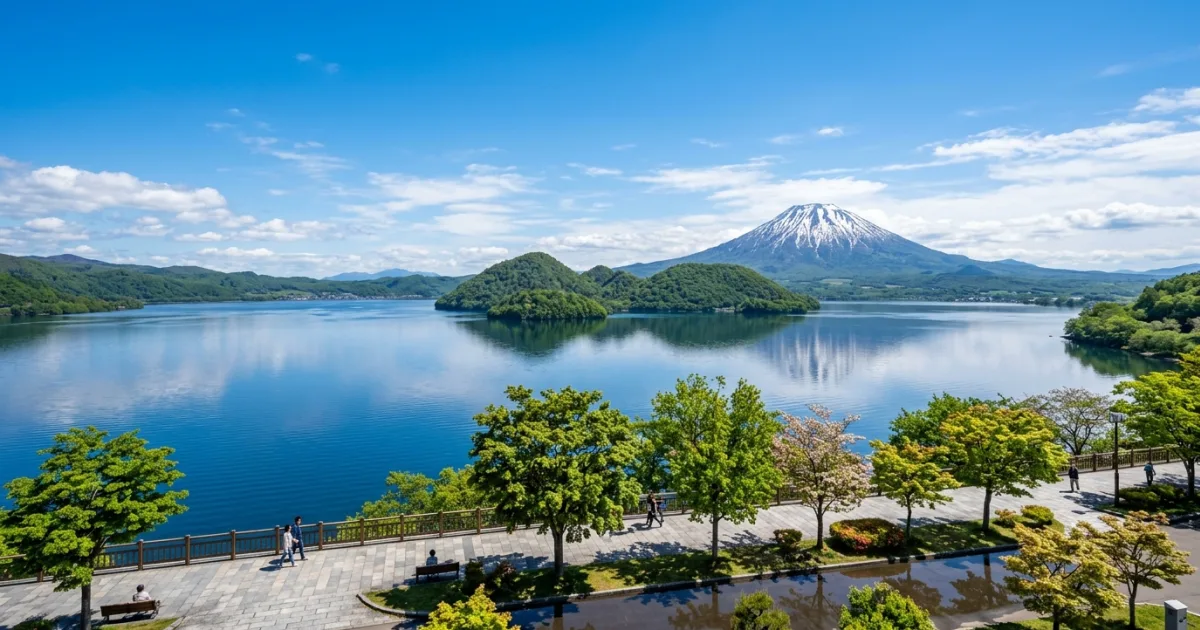
Formed roughly 110,000 years ago during catastrophic volcanic eruptions, Lake Toya stands as one of the most prominent caldera lakes in Japan. Its striking centerpiece is Nakajima, a cluster of four forested volcanic domes that emerged thousands of years after the caldera's collapse. Situated at the southwestern foot of Hokkaido, the lake is celebrated as part of the UNESCO Global Geopark network, recognizing its dynamic interplay between active volcanoes and human communities.
Today, the resort town of Toyako Onsen along the southern shore serves as an accessible base for exploring both geothermal relaxation and earth science. With thermal footbaths dotting the public walkways, sweeping views across toward Mount Yotei (often called 'Ezo Fuji'), and hiking routes past the ruptured ground of Mount Usu's 2000 eruption, Lake Toya provides an unforgettable encounter with the raw power and serene beauty of northern Japan.
Reasons to Visit
- Unfrozen Caldera Waters: Take scenic steamship cruises across clear volcanic waters with views of the forested Nakajima islands.
- World-Class Onsen: Soak in open-air mineral baths directly overlooking the serene lake and mountain peaks.
- Mount Usu Geopark: Ride the ropeway to view active steaming volcanic craters, the Pacific Ocean, and Showa-shinzan.
- Nightly Fireworks: Enjoy fireworks floating over the water every single night from late April through late October.
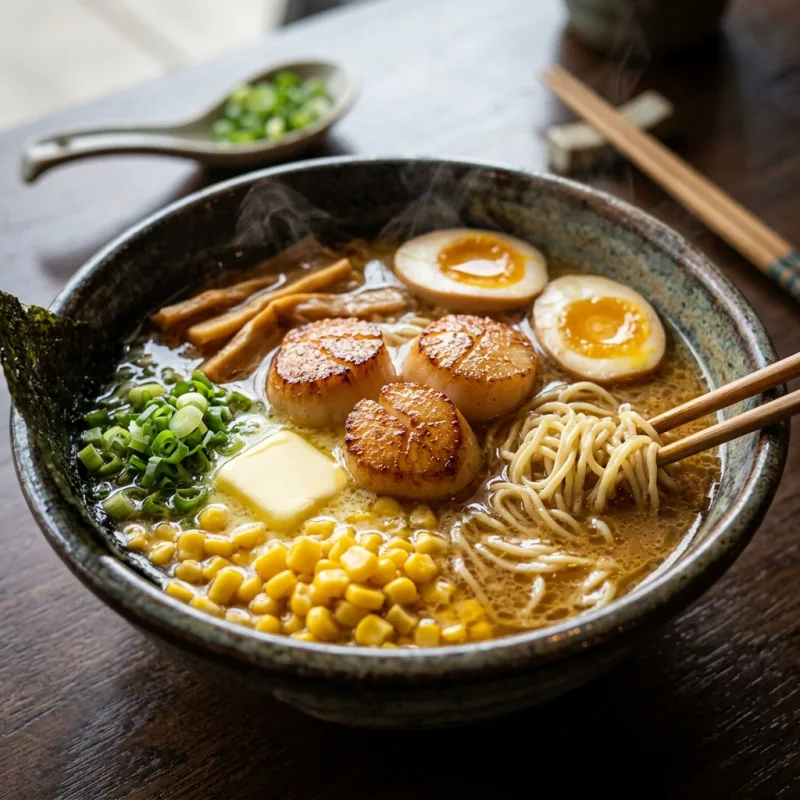
- Delicious Farm-to-Table Dining: Savor fresh scallops from Uchiura Bay, local Wagyu beef, and famous Hokkaido dairy gelato.
Things to Avoid
- Avoid arriving at JR Toya Station late at night without checking bus schedules; local buses to Toyako Onsen stop running relatively early.
- Do not stray off marked trails on Mount Usu or near the Nishiyama Craters, where hazardous ground and geothermal vents remain active.
- Avoid wearing footwear onto tatami mats or inside hot spring soaking pools at traditional ryokans.
- Do not skip dinner reservations if not staying on a half-board plan; many standalone restaurants in the village close before 8:00 PM.
Local Transportation Tips
Public transit to the lake relies on JR Hokkaido trains arriving at JR Toya Station, followed by frequent 20-minute Donan Bus connections to the Toyako Onsen terminal. Around the hot spring village itself, attractions like the lake promenade, boat docks, and footbaths are easily walkable. For visiting the Mount Usu Ropeway, Showa-shinzan, and the Silo Observatory, local shuttle buses operate seasonally, though renting a car offers the greatest flexibility for exploring the broader caldera circumference.
Travel Etiquette
- Wash thoroughly with soap and water at the shower stations before entering communal onsen pools.
- Keep small modesty towels out of the bathwater by placing them on your head or beside the pool edge.
- Tattoos may require covering with waterproof patches at some traditional onsen; inquire at your hotel reception beforehand.
- Sort trash diligently into appropriate bins (burnables, plastics, cans) when walking along public promenades.
Recommended Age Group
Lake Toya provides a versatile destination suitable for peaceful multi-generational travel and nature enthusiasts.
- Babies (0-2 years): Neutral. Caldera paths are stroller-friendly along the main promenade, but steep volcanic trails and hot spring temperature rules require careful handling.
- Kids (3-12 years): Recommended. Children love the castle-like cruise boats to Nakajima, deer spotting, and the nightly summer fireworks over the water.
- Teens (13-19 years): Recommended. Offers scenic hiking, the Usuzan Ropeway cable car, and interactive volcano disaster science walks.
- Adults (20-64 years): Recommended. Excellent destination for restorative onsen retreats, outdoor lakeside photography, kayaking, and gourmet dining.
- Seniors (65+ years): Recommended. Smooth, level walking paths along the lakeshore promenade, relaxing therapeutic baths, and tranquil scenery make it exceptionally comfortable.
Accessibility Level: Medium
- The lakeside Toyako Onsen promenade features flat, paved pathways accessible for wheelchairs and mobility devices.
- Modern resort hotels offer barrier-free rooms, elevator access, and zero-entry lobbies, though traditional ryokans may have small steps at entrances.
- The Lake Toya steamship sightseeing boat has ramp access to lower enclosed decks, though upper open decks require stairs.
- The Mount Usu Ropeway station is wheelchair-accessible with ramps and staff assistance onto the cable car cabins.
Did You Know?
Mount Usu is one of Japan's most active volcanoes, having erupted four times in the 20th century alone. Its 1943 eruption caused a flat wheat field to swell and push upward into a 400-meter lava dome known as Showa-shinzan, which still vents steam today.
Cool Statistics
- Depth of Lake Toya: approximately 180 meters (590 feet) at its deepest point.
- Circumference of the caldera: roughly 43 kilometers (27 miles).
- Lake Toya is Japan's third-largest caldera lake by surface area.
- Home to over 450 wild sika deer inhabiting the central island of Nakajima.






Buy a compatible power adapter for your trip