Disclosure: This site contains affiliate links. We may earn a commission if you make a purchase, at no extra cost to you.

>
>
>
>
Central Hokkaido

Central Hokkaido

Panoramic view of Central Hokkaido rolling hills with blooming lavender fields and snow-capped Daisetsuzan mountains

Central Hokkaido Overview & Key Highlights

Central Hokkaido forms the dramatic alpine and pastoral heartland of Japan's northern wilderness, anchored by the volcanic crown of Daisetsuzan National Park and the gently undulating patchwork hills of Biei and Furano. Travelers traverse expansive scenic highways linking Asahikawa's famed ramen alleys and sake breweries with tranquil hot spring outposts like Sounkyo Gorge, Tenninkyo, and Tokachidake. The region seamlessly bridges vast wilderness adventures with serene rural culture, inviting slow exploration across pristine rivers, dense boreal forests, and immaculate agricultural landscapes. Contrasting seasons reshape Central Hokkaido entirely throughout the year. Summer brings mild, sun-drenched days framed by radiant purple lavender fields and vibrant flower carpets, while autumn ignites Japan's earliest fall foliage along dramatic volcanic ridges. Winter transforms the terrain into an internationally revered powder snow sanctuary, offering quiet, crowd-free backcountry slopes and restorative mineral onsens under sub-zero skies. Supported by welcoming farm-to-table cuisine and immaculate roads, the region provides an authentic, rejuvenating escape from urban density.

Central Hokkaido Travel Guide: Logistics & In-Depth Tips

Central Hokkaido encapsulates the untamed spirit and agricultural majesty of northern Japan. Spanning the fertile Kamikawa Basin and the majestic volcanic backbone of the Daisetsuzan Mountain Range—known to the indigenous Ainu people as Kamuy-mintar ('The Playground of the Gods')—the region showcases an unmatched diversity of geography. From the bustling cultural crossroads of Asahikawa, famous for pioneering winter zoos and regional woodcraft, to the silent alpine plateaus where steaming fumaroles pierce the sub-alpine sky, Central Hokkaido presents a peaceful, open-air counterbalance to Tokyo and Osaka.

Road trippers will find immaculate ribbons of asphalt curving past the cinematic rolling hills of Biei, punctuated by iconic lone trees and the striking cobalt waters of the Shirogane Blue Pond. To the south, Furano unfurls world-renowned agricultural carpets of lavender, sunflowers, and vineyards backed by the rugged Tokachi mountain range. Whether you are trekking untouched volcanic crests in autumn, soaking in riverside mineral springs under falling snow, or sampling award-winning cold-climate cheeses and wines, Central Hokkaido rewards those who choose to travel deliberately and slow.

Reasons to Visit

  • Daisetsuzan Wilderness: Japan's largest national park features majestic peaks, alpine meadows, steaming sulfur vents, and prime trekking routes.
  • Biei & Furano Landscapes: Marvel at painterly patchwork farmland, vibrant summer lavender terraces, and the ethereal electric-blue Shirogane Blue Pond.
  • Pristine Hot Springs: Relax in historic onsen villages including Sounkyo Gorge, Asahidake Onsen, and Tokachidake, surrounded by deep forests and dramatic canyon cliffs.
  • Exceptional Gastronomy: Sample local farm-to-table culinary treasures, from rich Asahikawa shoyu ramen and succulent Jingisukan to Furano melons and artisanal dairy cheeses.
  • Uncrowded Winter Sports: Access legendary dry 'Japow' powder snow at Mount Asahidake, Kamui Ski Links, and Furano Ski Resort without the excessive crowds found in western resorts.

Things to Avoid

  • Avoid attempting to hike high-altitude Daisetsuzan trails in regular sneakers or without checking sudden mountain weather shifts, as hypothermia is a real risk even in summer.
  • Avoid stepping into private agricultural fields in Biei and Furano for photos; trespassing damages sensitive crops and introduces soil-borne diseases.
  • Avoid relying solely on public transportation if you wish to see remote natural highlights, as rural buses operate infrequently outside urban corridors.
  • Avoid wearing outdoor footwear inside traditional ryokan, tatami rooms, or temple spaces; always change into provided slippers or walk in socks.

Local Transportation Tips

Renting a vehicle is the premier way to explore Central Hokkaido's expansive topography. Rental agencies operate across Asahikawa Airport, Asahikawa Station, and New Chitose Airport. Ensure you obtain an International Driving Permit (IDP) before departing your home country. For rail travel, the JR Hakodate Main Line and JR Furano Line provide convenient connections between Asahikawa, Biei, and Furano, though onward links to trailheads and rural onsens rely on local route buses with limited daily departures.

Travel Etiquette

  • Practice quiet mindfulness in communal onsen baths, washing thoroughly before entering the soaking water and keeping conversation low.
  • Respect local agricultural livelihoods by admiring scenic landscapes exclusively from paved roadside viewing areas and public pull-offs.
  • Dispose of waste properly by carrying trash back to your hotel or vehicle, as public garbage bins are rare throughout Japan's natural parks.
  • When paying at local establishments, place money or cards into the small cash tray (tsurisen-torei) on the counter rather than handing it directly to the cashier.

Recommended Age Group

Central Hokkaido caters superbly to a wide range of travelers, offering easy-to-navigate scenic drives, gentle nature walks, and immersive cultural attractions, though families with very young infants should prepare for remote driving distances.

  • Babies (0-2 years): Neutral. Long drives between remote attractions, diaper-changing facilities limited to roadside rest stations, and hot thermal baths that are unsafe for infant skin require careful trip pacing.
  • Kids (3-12 years): Recommended. Children will love the interactive enclosures at Asahikawa City Asahiyama Zoo, fruit-picking farms in Furano, cable car rides on the Asahidake Ropeway, and delicious local ice cream.
  • Teens (13-19 years): Recommended. Fantastic for active teenagers keen on skiing dry powder snow, mountain biking, exploring vivid photographic spots, and hiking volcanic craters.
  • Adults (20-64 years): Recommended. An unbeatable destination for couples, friends, and solo road trippers looking for pristine nature, farm-to-table cuisine, craft sake breweries, and restorative thermal onsens.
  • Seniors (65+ years): Recommended. Paved observation decks, scenic drives through Biei's hills, comfortable cable car mountain access, and soothing hot spring resorts make this region exceptionally enjoyable and accessible for mature travelers.

Accessibility Level: Medium

  • Major transport hubs such as Asahikawa Station and Asahikawa Airport are fully barrier-free, equipped with multi-purpose restrooms, tactile paving, and modern elevators.
  • The Asahidake Ropeway and Sounkyo Kurodake Ropeway offer step-free access onto cable car cabins, allowing travelers with mobility aids to reach high-altitude viewpoints comfortably.
  • Many top attractions like Farm Tomita and Shikisai-no-Oka provide paved primary thoroughfares and motorized tractor or cart tours through flower fields, though some natural dirt trails feature gentle inclines.
  • Traditional hot spring ryokans increasingly offer barrier-free Western-style rooms and private reservable baths, though visitors should verify step-free bathroom entry prior to booking.

Did You Know?

Mount Asahidake, standing at 2,291 meters within Central Hokkaido's Daisetsuzan range, is the highest peak on the island of Hokkaido and the very first place in all of Japan to experience both the arrival of brilliant autumn foliage in early September and the winter season's inaugural snowfall.

Cool Statistics

  • Daisetsuzan National Park spans approximately 2,267 square kilometers, making it larger than some entire prefectures in Japan.
  • Furano's lavender fields have been cultivated since 1948, originally grown for industrial perfume production before becoming an iconic scenic attraction.
  • Winter temperatures in Central Hokkaido's inland basins can plummet below -20°C (-4°F), creating rare atmospheric phenomena like sun pillars and diamond dust.


Address:

Central Hokkaido, Japan

Find Nearby Accommodations

Basic Info

address icon

COUNTRY & Region

Japan,
Asia & Pacific

ACCESSIBILITY LEVEL​

Medium
Currency icon

LOCAL CURRENCY​

Japanese Yen (JPY)
Price level icon
Medium
Safety Level icon

SAFETY LEVEL

Duration icon

Recommended Duration

• 1-7 days
• More than a week

Electricity

electricity icon

Electricity

100-110V, 
50Hz
Plug Socket icon

Plug Type

• Type A (Flat blade)
• Type B (Flat blade with grounding pin)
Plug types
Click To View Plug Types
Central Hokkaido is part of our
Coolcation collection

Things To Do In Central Hokkaido

Total: 7

Panoramic view of Lake Toya with Nakajima islands and Mount Yotei in Hokkaido
Lake Toya is a 43km volcanic caldera lake that never freezes. Plan your 2026 onsen visit, Usu ropeway trip, and stay.
Steaming volcanic hills and wooden walkways of Jigokudani Hell Valley in Noboribetsu
Noboribetsu discharges 10,000 tons of spring water daily across 9 mineral types. Plan your trip with our 2026 guide.
Panoramic view of the rolling patchwork hills and distant mountains in Biei Hokkaido
Home to the famous Shirogane Blue Pond, Biei covers 676 km² of Hokkaido hills. Plan your trip with our verified 2026 guide.
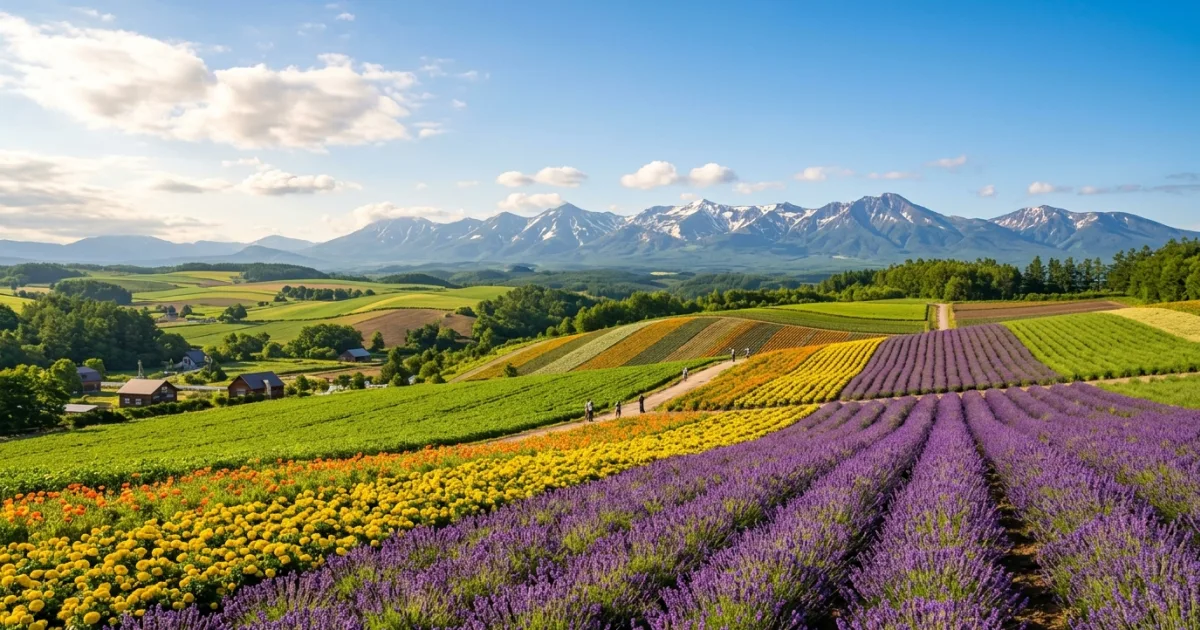
Vibrant purple lavender fields and flower terraces in Furano Hokkaido under summer mountains
Furano sits at Hokkaido's geographic center. Discover Farm Tomita lavender and ski resorts in this complete 2026 guide.
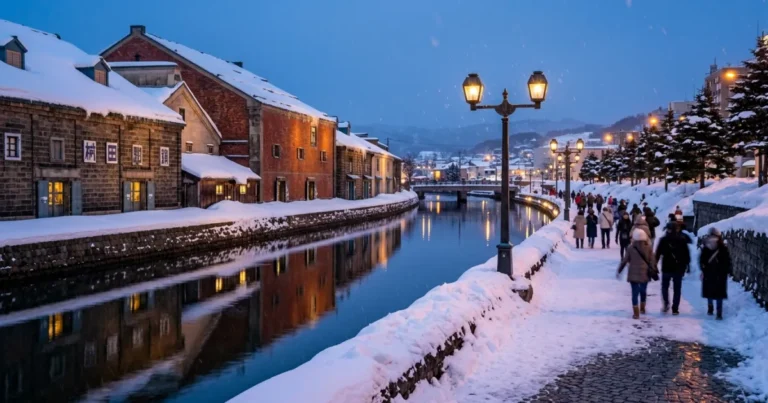
Twilight winter view of the snow-covered Otaru Canal lined with vintage gas lamps and historic warehouses
Otaru is a Hokkaido port city featuring a 1923 canal. Discover top sushi, music box museums, and sights in our 2026 guide.
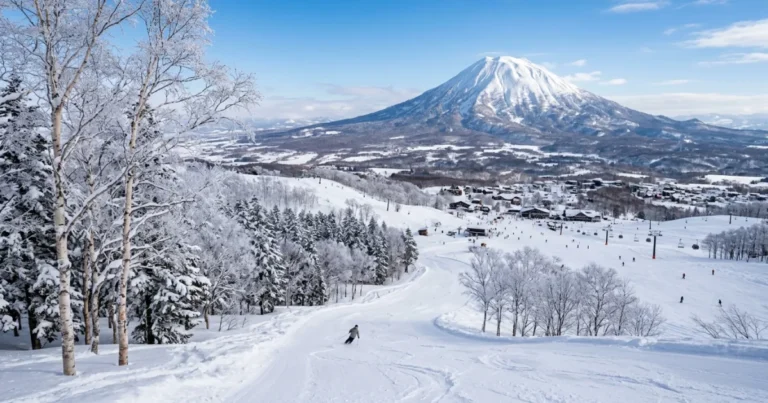
Panoramic view of Niseko snow slopes overlooking the snowy Mount Yotei volcano in Hokkaido
Niseko averages 15+ meters of snowfall annually across 4 connected ski areas. Plan your trip with our 2026 logistics guide.
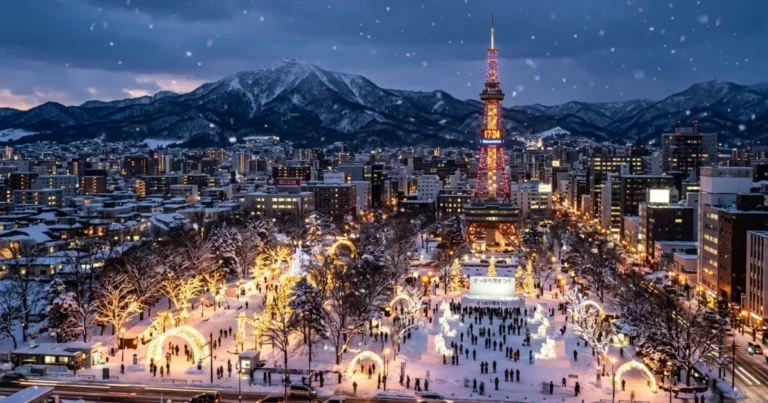
Panoramic twilight view of Sapporo featuring illuminated Odori Park and snow-covered mountains
Sapporo is Hokkaido's capital and home to 1.9 million residents. Plan ramen tours and top sights with our 2026 guide.

Activities To Do In Central Hokkaido

Best Time To Visit Central Hokkaido

Central Hokkaido is an extraordinary year-round destination, with peak travel appeal split between mid-summer and mid-winter.

  • June to August: Ideal for road trips, flower viewing in Furano and Biei, and hiking in Daisetsuzan. Daytime temperatures average a comfortable 22°C to 28°C, making it a classic 'coolcation' escape from humid mainland Japan.
  • September to October: Witness the earliest autumn foliage in Japan, beginning across the alpine ridges of Mount Asahidake in early September and cascading down into river gorges by October.
  • December to March: The winter paradise window, featuring world-class powder snow, peaceful onsen soaking in snowy gorges, and freezing atmospheric festivals like the Asahikawa Winter Festival.
  • April to May: The spring thaw period; higher trails remain snowbound, and agricultural fields prepare for planting. Less crowded, but mountain routes may have seasonal closures.

Average Temperatures Per Month

Remember to check the weather forecast a few days before the trip and before heading to the airport.

Safety Level icon

Safety Level

Central Hokkaido maintains exceptional public safety and virtually nonexistent violent crime. However, natural hazards require vigilance. Carry a bear bell or make vocal noise while hiking in Daisetsuzan, as brown bears (higuma) inhabit alpine valleys. If driving during winter (November through April), ensure your rental vehicle has studless winter tires, watch for black ice on mountain passes, and maintain a full fuel tank when navigating rural stretches.

The rating is based on multi-year peace, crime, and security indices. Before you go, always verify current conditions through official government travel advisories.

Emergency Numbers

Police: 110
Ambulance: 119

No internet needed • Includes local translations • Free for TravelingWiz readers

Spoken Languages

Japanese (English is understood at transit hubs, major hotels, and ski centers, but limited in remote villages)

Learn The Language

  • Konnichiwa – Hello
  • Arigatou gozaimasu – Thank you very much
  • Sumimasen – Excuse me / I am sorry
  • Kore wa ikura desu ka? – How much is this?
  • Eigo ga hanasemasu ka? – Do you speak English?
  • Kore o kudasai – Please give me this
  • O-kaikei o onegaishimasu – Check, please
  • Tasukete kudasai – Please help me
Travel Booking Partner - TravelingWiz

Trip Cost & Budgeting for Central Hokkaido, 2026

Everything you need to know about money while traveling
Is Central Hokkaido expensive for tourists in 2026? Central Hokkaido offers moderate prices for travelers who plan ahead. Expect to pay around 500 JPY for a coffee, 600 JPY for a pint of domestic beer, and 2,500 JPY for a standard meal at a mid-range restaurant. Our Human Verified prices reflect current local costs for accommodation, dining, and regional transport. Use the data table below to calculate your specific daily budget based on your travel style.
Currency icon

LOCAL CURRENCY​:

Japanese Yen (JPY)
Price level icon
Medium
Credit cards are widely accepted in hotels and major restaurants, but cash is essential for smaller shops and rural areas.

Per person, per day – pocket cash for small purchases.

Local: 1950
Japanese Yen (JPY)
≈ 12 USD

Full daily spend estimation (accommodation, food, transportation, attractions).

Travel Style
Japanese Yen (JPY)
≈ USD ($)
Budget
10750
68
Mid-range
19500
124
Comfort
42900
272

The Prices, Daily costs, and calculator results are estimates for planning purposes only. Actual costs may vary based on season, booking timing, personal spending habits, and currency fluctuations. TravelingWiz cannot be held responsible for discrepancies between these estimates and your final trip expenses.

  • • Buy regional rail or bus passes to reduce local transit costs between Sapporo, Asahikawa, and Furano.
  • • Take advantage of set lunch menus at mid-range restaurants, which offer premium meals at discount rates.
  • • Enjoy convenience store meals and local ramen shops for affordable, high-quality daily dining.
  • • Travel during shoulder seasons outside the peak winter ski season and July flower blooms for better accommodation rates.

Pre-Order Tickets

Avoid disappointment when tickets sell out — and skip the long lines by booking online in advance. You’ll often save up to 20% too.
Save up to 20%

Travel Discounts & Coupons

Save on hotels, attractions, transport, and gear — find verified discounts for smarter travel spending.
Verified Coupons

What To Pack

  • Layered outdoor clothing (merino wool base layers, breathable mid-layers, and a windproof/waterproof hardshell jacket for high-altitude Daisetsuzan weather shifts)
  • Sturdy hiking boots with dependable ankle support for volcanic scree paths and boardwalk trails
  • International Driving Permit (IDP) and physical driver's license (mandatory for car rentals)
  • Slip-on walking shoes for seamless transitions at traditional ryokan inns, temples, and restaurants
  • Swimwear is strictly forbidden in traditional onsens, but bring a small modesty face towel (tenugui)
  • Compact power bank and offline navigation maps (mobile coverage can drop in deep valleys)
  • UV-protective sunglasses and high-SPF mineral sunscreen for high UV exposure in alpine zones and open farmlands
  • Thermal gloves, fleece beanie, and microspikes if visiting between November and late April
We couldn't find tips for Central Hokkaido.
If you got any, please share

Recommended Itineraries for Traveling to Central Hokkaido

We couldn't find itineraries for Central Hokkaido.
you can contact us for custom trip plan

Food & Drink Highlights

Local Food Overview

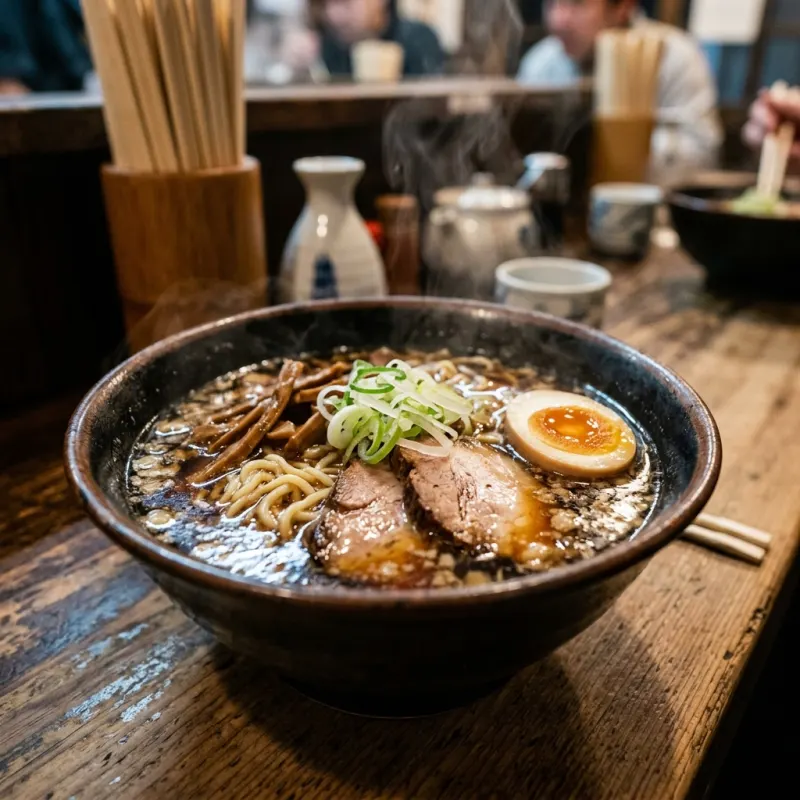
Central Hokkaido's cuisine is defined by rich agricultural bounties, exceptional dairy production, and hearty comfort dishes engineered to combat chilly northern climates. Asahikawa is legendary for its savory shoyu (soy sauce) ramen, featuring thin, wavy noodles served in a rich broth blended from pork, chicken, and dried seafood, topped with a thin film of hot lard to preserve heat. In Furano and Biei, rich volcanic soil produces sweet Furano cantaloupes, vibrant corn, and succulent potatoes, alongside aromatic Furano omelet curries. No journey across the interior is complete without savoring Jingisukan (tender grilled mutton cooked with mountain onions and cabbage on a domed iron skillet) and decadent soft-serve ice cream crafted from fresh, unpasteurized local dairy cream.
Authentic bowl of Asahikawa shoyu ramen with chashu pork and bamboo shoots in a rich broth

Must Try Dish

Asahikawa Shoyu Ramen - A steaming, deep-amber noodle soup featuring a fragrant hybrid broth of simmered pork bones, chicken, and dried kelp or fish, topped with chashu pork, scallions, bamboo shoots, and a signature layer of hot melted lard that seals in piping-hot heat.
Food Experiences Title Icon

Food
Experiences

Discover cooking classes, tastings and local food tours

No food experience found
Maya, the human travel expert at TravelingWiz, offering curated, non-AI expertise

Maya’s Final Checklist for Central Hokkaido

Logistics shouldn’t be the focus of your trip—the experience should. I’ve hand-vetted these essential partners to ensure your arrival, stay, and exploration are as smooth as an Athenian breeze.

Where to Stay

From boutique hotels to local apartments—compare thousands of options and find the perfect stay in the best neighborhood.

Air Travel

Getting there should be seamless. Compare the best routes and prices across top airlines to start your journey on the right note.

Local Guides

Connect with experts who know the destination best. Get personalized advice and insider tips to help you plan your perfect trip.

Travel Protection

The “Engineer’s” rule: always have a backup. Secure your trip with a plan that covers every “what if” and unexpected change.

Car Rentals

Explore at your own pace with total freedom. Compare reliable rental options and find the right vehicle for your adventure.

Visa Services

Don’t let paperwork slow you down. Get expert assistance with your application to ensure all your entry documents are in order.

FAQs

Yes, renting a car is strongly recommended. While trains connect Asahikawa, Biei, and Furano, scenic spots, trailheads in Daisetsuzan National Park, hidden onsen valleys, and rolling farm landscapes are difficult and time-consuming to access via public transit.
Peak lavender blooming season typically occurs from early to late July. Late June brings early blooming varieties, while some fields remain vibrant into early August, alongside extensive multi-colored flower carpets of salvias, marigolds, and poppies.
Brown bears (higuma) are indigenous to Daisetsuzan National Park, but attacks are extremely rare. Hikers should wear a bear bell, speak aloud while trekking through dense brush, carry bear spray, pack out all food scraps, and check recent sighting bulletins at visitor centers.
Winter driving requires extreme caution due to packed snow, black ice, whiteout blizzards, and sub-zero temperatures. Rental cars come equipped with studless winter tires and 4WD options. Drivers without winter driving experience should consider using regional trains and organized day tours.
Wash and rinse thoroughly at the sit-down shower stalls before entering the communal hot spring bath. Never let your modesty towel touch the bathwater, tie long hair up, and maintain a quiet, respectful atmosphere. Traditional onsens historically restrict visible tattoos; check property policies or rent a private bath (kashikiri-buro).

Your Insights Matter

TravelingWiz grows through the stories of our community. If you’ve recently explored ,Central Hokkaido share your tips and stories to help us perfect our guides for the next traveler.

Related Articles

Check out our related articles and blog posts to learn even more about the destination.

No related articles found

Don’t Travel Alone

Share with your friends and family

Where should we send your offline card?

We hate spam just as much as you do

newsletter_consent *