Disclosure: This site contains affiliate links. We may earn a commission if you make a purchase, at no extra cost to you.

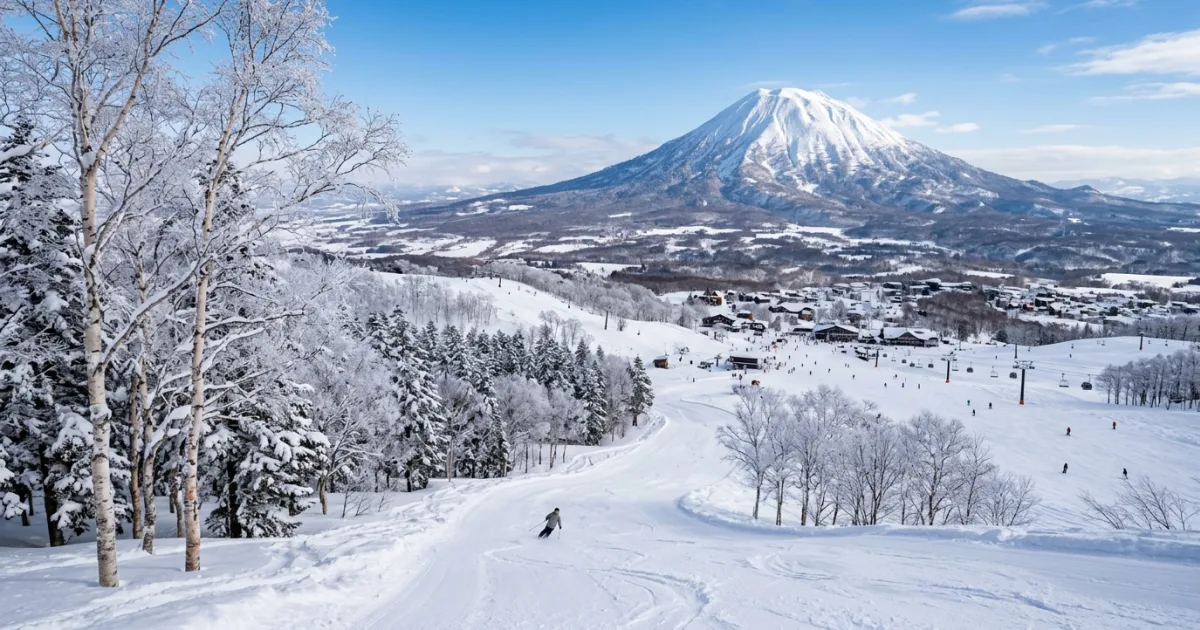
Panoramic view of Niseko snow slopes overlooking the snowy Mount Yotei volcano in Hokkaido

Niseko Overview & Key Highlights

Niseko is an internationally renowned alpine resort town situated in southwestern Hokkaido, famed worldwide for having some of the lightest, driest powder snow on Earth. Positioned beneath the dormant volcanic peak of Mount Yotei, the region comprises four interconnected ski resorts—Grand Hirafu, Hanazono, Niseko Village, and Annupuri—collectively known as Niseko United. Beyond its legendary winter backcountry and ski runs, Niseko provides access to restorative natural mineral hot springs (onsen) and a cosmopolitan dining scene ranging from casual izakayas to Michelin-starred dining. During the summer months, Niseko transforms into a cool-climate haven featuring lush green valleys, rushing rivers, and panoramic mountain bike trails. Visitors flock to the Shiribetsu River for rafting and kayaking, hike the ridges of Mount Annupuri, and savor farm-to-table dairy and produce from local agricultural valleys. Whether seeking adrenaline-charged winter slopes, serene wellness retreats, or rich Hokkaido gastronomy, Niseko provides a premier four-season mountain getaway.

Niseko Travel Guide: Logistics & In-Depth Tips

Niseko is situated in the Shiribetsu subprefecture of Hokkaido, framed by the volcanic silhouette of Mount Yotei—often termed the "Ezo Fuji" of the north. World-renowned among powder enthusiasts, Niseko catches cold Siberian weather fronts across the Sea of Japan, yielding relentless snowfall of ultra-fine, dry snow averaging over 15 meters each winter season. This meteorological phenomenon has transformed a once-sleepy farming district into Asia's premier ski and snowboard hub.

The resort infrastructure is divided into four main areas around Mount Annupuri: Grand Hirafu, the bustling commercial core; Hanazono, celebrated for tree runs and high-end modern amenities; Niseko Village, known for luxury ski-in/ski-out stays; and Annupuri, which maintains a relaxed, traditional ambiance. Outside of winter, the region's volcanic mineral springs, blooming wildflowers, mountain biking tracks, and thriving culinary landscape draw travelers seeking temperate nature escapes.

Reasons to Visit

  • World-class powder snow known globally as "Japow," offering unparalleled skiing and snowboarding conditions.
  • Exceptional outdoor hot springs (rotenburo) with open-air views of snowy birch forests and Mount Yotei.
  • A thriving international food hub featuring everything from Michelin-rated gastronomy to neighborhood yakitori stalls.
  • Spectacular summer coolcation climate filled with outdoor adventures including river rafting, cycling, and hiking.
  • Highly accessible backcountry gate infrastructure for safe, controlled off-piste exploration.

Things to Avoid

  • Do not enter closed backcountry areas outside official resort gates, as this poses life-threatening avalanche risks and invalidates lift passes.
  • Avoid wearing outdoor boots inside traditional Japanese accommodations, ryokans, or tatami-mat restaurants.
  • Do not wash or wear swimwear inside natural Japanese onsen; bathing must be done completely unclothed after washing thoroughly.
  • Avoid visiting without winter transportation bookings, as rental cars with four-wheel drive and private airport shuttles book out months in advance.

Local Transportation Tips

Niseko is serviced in the winter by the Niseko United Shuttle, which connects all four main resorts and Kutchan Town, operating free of charge for holders of an All-Mountain lift pass. Local public buses run regularly between Hirafu and Kutchan Station. Taxis are available but in extremely high demand during winter peak hours, making ride-hailing apps or advance reservations recommended. For summer travel, renting a car is strongly encouraged to access dispersed hiking trails and rural scenic spots.

Travel Etiquette

  • Cleanse thoroughly at the washing stations with soap and water before stepping into any communal onsen bath.
  • Keep voices down and refrain from disruptive phone calls on shuttle buses and public transit.
  • Dispose of all trash responsibly; public bins are scarce, so carry rubbish back to your accommodation.
  • Tip nothing in standard Japanese restaurants and services, as tipping is not part of Japanese culture and exceptional service is standard.

Recommended Age Group

Niseko offers varied experiences tailored to different life stages, from world-class alpine adventures to peaceful wellness retreats.

  • Babies (0-2 years): Neutral. Deep snow and freezing winter conditions can make moving with strollers difficult, though specialized luxury resorts offer childcare and heated indoor amenities.
  • Kids (3-12 years): Recommended. Premier English-speaking ski academies, dedicated beginner snow parks, and sledding zones make it ideal for learning winter sports.
  • Teens (13-19 years): Recommended. Teenagers will thrive on the world-class terrain parks, snow tubing, night skiing, and outdoor river rafting in summer.
  • Adults (20-64 years): Recommended. Perfect balance of challenging backcountry terrain, luxury wellness spas, onsen culture, and vibrant après-ski entertainment.
  • Seniors (65+ years): Recommended. Excellent access to restorative mineral onsen, pristine nature, scenic gondola rides, and tranquil summer walking paths.

Accessibility Level: Medium

  • Major modern resort hubs such as Hanazono and Hirafu Gondola bases feature level access, elevators, and barrier-free restrooms.
  • Deep snowdrifts and icy village roads make manual wheelchair movement challenging during peak winter months without tracked equipment.
  • Several premier ski schools offer adaptive ski equipment and certified adaptive instructors with advance booking.
  • High-end international hotels feature ADA-compliant rooms with roll-in showers, though traditional Japanese onsen facilities frequently have step thresholds.

Did You Know?

Niseko's legendary powder snow has an average water content of only 8%, making it among the lightest, fluffiest snow crystals found anywhere in the world.

Cool Statistics

  • Receives an average of over 15 meters (50 feet) of snowfall every winter season.
  • Comprises 4 distinct ski resorts featuring 30 lifts and over 50 kilometers of groomed terrain.
  • Over 20 distinct natural onsen hot spring facilities operate within the Niseko resort area.

Address:

Niseko, Abuta District, Hokkaido, Japan

Find Nearby Accommodations

Basic Info

address icon

COUNTRY & Region

Japan,
Asia

ACCESSIBILITY LEVEL​

Medium
Currency icon

LOCAL CURRENCY​

Japanese Yen (JPY)
Price level icon
High
Safety Level icon

SAFETY LEVEL

Duration icon

Recommended Duration

• 1-7 days
• More than a week

Electricity

electricity icon

Electricity

100-110V, 
50Hz
Plug Socket icon

Plug Type

• Type A (Flat blade)
• Type B (Flat blade with grounding pin)
Plug types
Click To View Plug Types
Niseko is part of our
Coolcation collection

Activities To Do In Niseko

Best Time To Visit Niseko

Niseko offers two distinct travel peaks: the winter powder season and the mild green season.

  • December to March (Winter): Peak ski season delivering abundant, world-class "Japow" snow conditions, vibrant nightlife, and optimal onsen weather.
  • July to August (Summer): Mild temperatures averaging 20-25°C make Niseko an exceptional coolcation escape from mainland Japan's humidity, ideal for river sports, golfing, and hiking.
  • September to October (Autumn): Spectacular fall foliage blankets Mount Yotei and local gorges, accompanied by the fresh autumn harvest.
  • April to June (Spring): Low season characterized by snowmelt and limited operations, though late spring skiing can extend through April.

Average Temperatures Per Month

Remember to check the weather forecast a few days before the trip and before heading to the airport.

Safety Level icon

Safety Level

Niseko is an exceptionally safe alpine destination with negligible violent crime. The predominant hazards relate to winter mountain environments: always carry an avalanche beacon, shovel, and probe when exiting resort boundary gates into the backcountry, and adhere strictly to the Niseko Avalanche Information bulletins. Black ice forms routinely on village pathways, requiring footwear with adequate grip. In summer, follow marked trails to avoid close encounters with local Hokkaido brown bears.

The rating is based on multi-year peace, crime, and security indices. Before you go, always verify current conditions through official government travel advisories.

Emergency Numbers

Police: 110
Ambulance: 119

No internet needed • Includes local translations • Free for TravelingWiz readers

Spoken Languages

Japanese is the official language, though English is exceptionally widely spoken throughout Niseko's hotels, ski schools, and hospitality venues due to its international community.

Learn The Language

  • Konnichiwa – Hello
  • Arigatou gozaimasu – Thank you very much
  • Sumimasen – Excuse me / Sorry
  • Kore wa ikura desu ka? – How much is this?
  • Eigo ga hanasemasu ka? – Do you speak English?
  • Tasukete kudasai – Please help me
  • O-kaikei o onegaishimasu – The bill, please
  • Onsen wa doko desu ka? – Where is the hot spring?
Travel Booking Partner - TravelingWiz

Trip Cost & Budgeting for Niseko, 2026

Everything you need to know about money while traveling
Is Niseko expensive for tourists in 2026? Yes, as one of Japan's premier ski destinations, Niseko leans toward the higher price end. You can expect to pay around 550 JPY for a cappuccino, 650 JPY for a pint of domestic beer, and approximately 5,000 JPY for a mid-range restaurant meal. Our guide relies on Human Verified prices to give you an accurate snapshot. Use the data table below to calculate your specific daily budget based on your travel style.
Currency icon

LOCAL CURRENCY​:

Japanese Yen (JPY)
Price level icon
High
Major resorts accept credit cards, but cash is still necessary for smaller izakayas, local buses, and food stalls.

Per person, per day – pocket cash for small purchases.

Local: 3000
Japanese Yen (JPY)
≈ 100 USD

Full daily spend estimation (accommodation, food, transportation, attractions).

Travel Style
Japanese Yen (JPY)
≈ USD ($)
Budget
16500
100
Mid-range
30000
240
Comfort
66000
500

The Prices, Daily costs, and calculator results are estimates for planning purposes only. Actual costs may vary based on season, booking timing, personal spending habits, and currency fluctuations. TravelingWiz cannot be held responsible for discrepancies between these estimates and your final trip expenses.

  • • Eat at local ramen shops and izakayas in Kutchan town rather than upper Hirafu ski village to lower dining expenses.
  • • Grab quick breakfasts, hot meals, and snacks from regional Seicomart or 7-Eleven convenience stores.
  • • Buy lift passes online prior to your arrival to lock in multi-day advance purchase discounts.
  • • Use the Niseko United Shuttle bus service instead of expensive private taxis to travel between resort bases.

Pre-Order Tickets

Avoid disappointment when tickets sell out — and skip the long lines by booking online in advance. You’ll often save up to 20% too.
Save up to 20%

Travel Discounts & Coupons

Save on hotels, attractions, transport, and gear — find verified discounts for smarter travel spending.
Verified Coupons

What To Pack

  • High-performance waterproof ski jacket and insulated snow pants (winter).
  • Merino wool base layers and thermal socks.
  • Gore-Tex gloves, fleece balaclava, and low-light ski goggles.
  • Sturdy snow boots with deep rubber tread for walking on iced pavements.
  • Easy-to-remove slip-on shoes for frequent visits to onsen and traditional dining spots.
  • Modest swimwear for hotel pools, though traditional onsen require complete nudity.
  • Light windbreaker, trail shoes, and insect repellent for summer hiking and river rafting.
We couldn't find tips for Niseko.
If you got any, please share

Recommended Itineraries for Traveling to Niseko

We couldn't find itineraries for Niseko.
you can contact us for custom trip plan

Food & Drink Highlights

Local Food Overview

Hokkaido's agricultural abundance anchors Niseko's culinary reputation, blending top-tier regional ingredients with innovative international flair. The region is acclaimed for its rich dairy, fresh seafood sourced from the nearby Sea of Japan, tender Kutchan potatoes, and savory Genghis Khan (grilled mutton). Hearty winter classics such as warming soup curry, rich butter-corn miso ramen, and communal hot pot dishes complement upscale dining institutions that emphasize farm-to-fork seasonal menus.
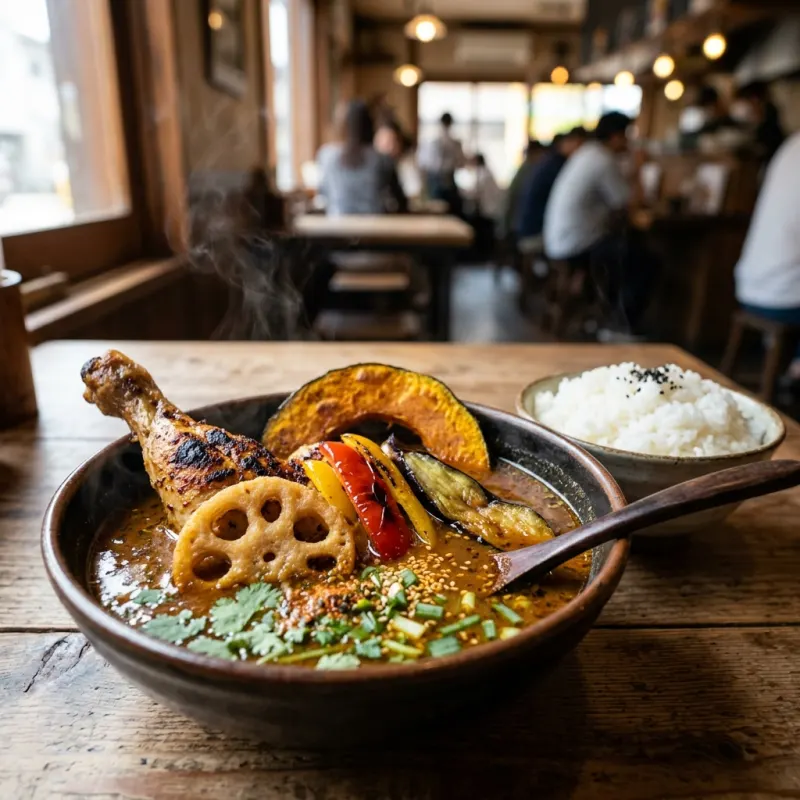
Authentic steaming Hokkaido soup curry with roasted chicken and crisp seasonal vegetables

Must Try Dish

Hokkaido Soup Curry - A fragrant, spicy broth packed with fall-off-the-bone chicken leg, flash-fried seasonal root vegetables, and aromatic spices, served with a side of steamed Hokkaido rice.
Food Experiences Title Icon

Food
Experiences

Discover cooking classes, tastings and local food tours

No food experience found
Maya, the human travel expert at TravelingWiz, offering curated, non-AI expertise

Maya’s Final Checklist for Niseko

Logistics shouldn’t be the focus of your trip—the experience should. I’ve hand-vetted these essential partners to ensure your arrival, stay, and exploration are as smooth as an Athenian breeze.

Where to Stay

From boutique hotels to local apartments—compare thousands of options and find the perfect stay in the best neighborhood.

Air Travel

Getting there should be seamless. Compare the best routes and prices across top airlines to start your journey on the right note.

Local Guides

Connect with experts who know the destination best. Get personalized advice and insider tips to help you plan your perfect trip.

Travel Protection

The “Engineer’s” rule: always have a backup. Secure your trip with a plan that covers every “what if” and unexpected change.

Car Rentals

Explore at your own pace with total freedom. Compare reliable rental options and find the right vehicle for your adventure.

Visa Services

Don’t let paperwork slow you down. Get expert assistance with your application to ensure all your entry documents are in order.

FAQs

The most convenient transfer is via dedicated ski resort shuttle buses (such as the Hokkaido Resort Liner or White Liner), which take approximately 2.5 to 3 hours directly to resort doors. Alternatively, take the JR Hokkaido train via Otaru to Kutchan Station, followed by a local bus or taxi.
A car is not required during the winter if you stay near Hirafu, Hanazono, or Annupuri, as resort shuttle networks and village buses run frequently. In summer, however, renting a car provides far greater freedom to explore scenic lookouts, farms, and regional onsen.
Niseko operates 11 controlled backcountry gates across the mountain. Skiers can access out-of-bounds terrain through these gates only when conditions permit, provided they carry avalanche safety gear and respect all official safety closures.

Your Insights Matter

TravelingWiz grows through the stories of our community. If you’ve recently explored ,Niseko share your tips and stories to help us perfect our guides for the next traveler.

Related Articles

Check out our related articles and blog posts to learn even more about the destination.

No related articles found

Don’t Travel Alone

Share with your friends and family

Where should we send your offline card?

We hate spam just as much as you do

newsletter_consent *