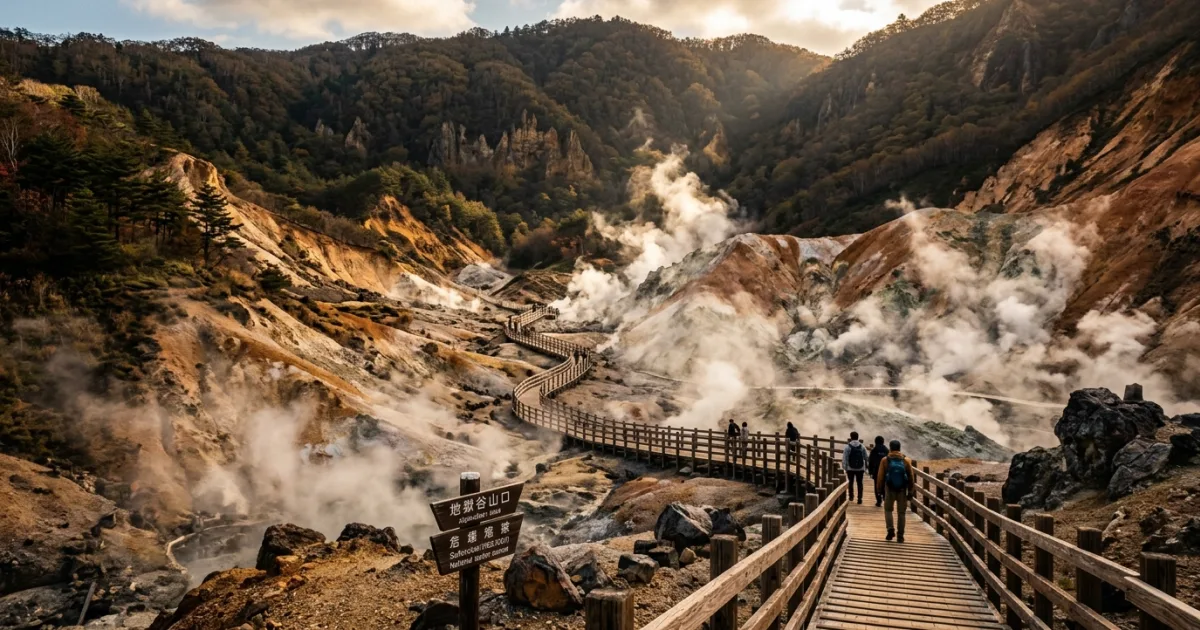
Noboribetsu stands as one of East Asia's most dramatic geothermal wonders. Located in southwestern Hokkaido along the fringe of Shikotsu-Toya National Park, the town is defined by raw geothermal energy that surges from deep within the earth. Its crown jewel, Jigokudani, spans over 24 acres of desolate volcanic rock venting millions of liters of boiling thermal water every day. The pervasive scent of sulfur, swirling columns of white vapor, and rust-colored mineral flows create an awe-inspiring primeval atmosphere that contrasts with the lush surrounding woodlands.
For centuries, the area's hot springs have offered rejuvenation to wanderers, from early indigenous Ainu inhabitants to modern global travelers. What sets Noboribetsu apart from other Japanese hot spring towns is its subterranean hydrological diversity: nine distinct types of thermal water emerge here, including sulfur, salt, iron, and acidic springs, each celebrated for tailored dermatological and muscular benefits. Backpacker lodgings, heritage family-run inns, and grand multi-story bath complexes line the compact valley, complemented by mythological demon (Oni) statues stationed throughout the town as symbolic guardians of good fortune.
Reasons to Visit
- Marvel at the dramatic steam plumes, sulfur fumaroles, and bubbling caldrons of Jigokudani (Hell Valley).
- Soak in nine rare mineral spring varieties, ranging from milky acidic baths to rejuvenating saline pools.
- Dip your feet into the natural, forest-shrouded Oyunuma River warm thermal footbath.
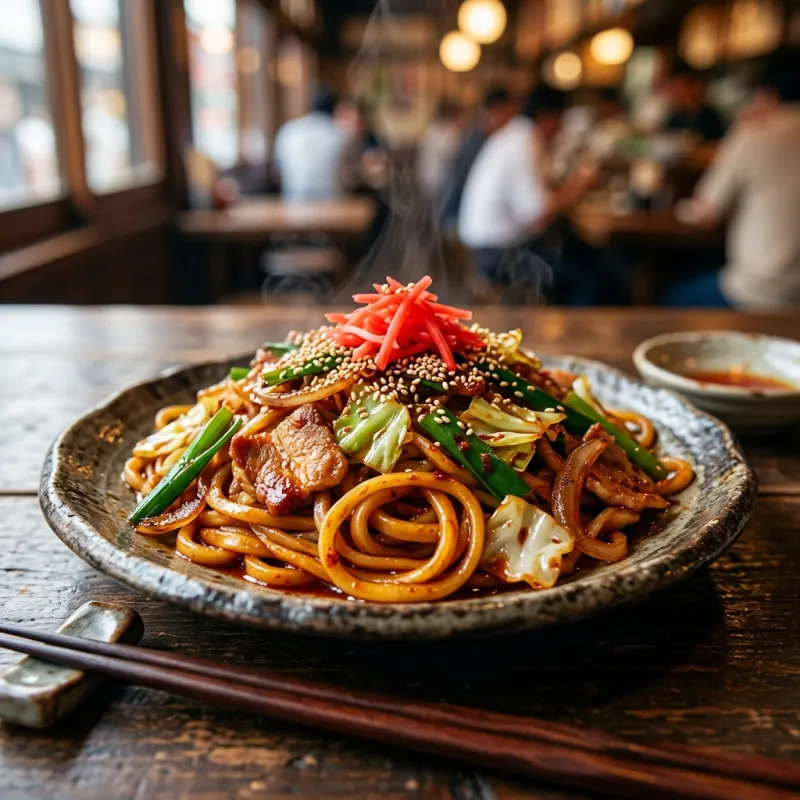
- Savor lavish multi-course kaiseki banquets highlighting wild Hokkaido seafood and wagyu beef.
- Experience traditional Japanese cultural folklore during the annual Demon Fireworks and summer Hell Festivals.
Things to Avoid
- Avoid stepping off wooden pedestrian trails in geothermal zones, as crumbly ground can expose boiling liquid below.
- Avoid wearing silver jewelry into the hot springs, because the high sulfur concentrations will instantly oxidize and blacken precious metals.
- Avoid wearing shoes onto tatami mats inside ryokan or walking without proper etiquette inside communal bath areas.
- Avoid arriving late in the evening without pre-arranged transit, as local buses from the rail station cease operations after dinner hours.
Local Transportation Tips
Noboribetsu Onsen is highly compact and entirely walkable on foot. Regular Donan public buses shuttle passengers between JR Noboribetsu Station and the Onsen Bus Terminal in approximately 15 minutes. For reaching high-altitude lookouts like Mount Orofure or Lake Kuttara, rental cars or booked local taxis provide the most practical flexibility.
Travel Etiquette
- Thoroughly wash and rinse your entire body with soap at the seated washing stalls before entering any communal onsen tub.
- Keep modesty towels out of the bath water; place them on top of your head or on the edge of the stone basin.
- Maintain quiet, contemplative voices inside bathhouse halls to respect other bathers' relaxation.
- Remove outdoor footwear at the entry genkan of ryokan and step into provided indoor slippers.
Recommended Age Group
Noboribetsu welcomes travelers of all generations, though specific physical mobility demands should be considered.
- Babies (0-2 years): Neutral. Most natural mineral baths possess temperatures and mineral densities too intense for infant skin, although family-friendly hotels provide private baths and baby-safe amenities.
- Kids (3-12 years): Recommended. Children enjoy the colorful demon lore, steaming volcanic vents, and the local ropeway-accessible Noboribetsu Bear Park.
- Teens (13-19 years): Recommended. Great for older youth fascinated by geological sciences, unique regional photography, and authentic Japanese ryokan culture.
- Adults (20-64 years): Recommended. An idyllic retreat for stress reduction, scenic outdoor trail walking, and top-tier culinary dining.
- Seniors (65+ years): Recommended. Renowned for restorative therapeutic balneotherapy and comfortable ryokan services, provided boardwalk trail stairs are navigated carefully.
Accessibility Level: Medium
- The main viewing platform at Jigokudani features paved, wheelchair-accessible ramps from the central parking structure.
- Deeper forest trails toward Oyunuma lake include wooden staircases and gravel tracks that are not barrier-free.
- Major high-capacity ryokan hotels offer elevators and barrier-free universal rooms, though historic bathhouses may have step entries into baths.
Did You Know?
Noboribetsu produces roughly 10,000 metric tons of hot mineral water every single day, with spring discharge temperatures reaching up to 80°C (176°F) straight from the volcanic bedrock.
Cool Statistics
- Features 9 distinct types of mineral springs within a single valley
- Discharges roughly 10,000 tons of thermal water daily
- Home to Hell Valley caldera, measuring approximately 450 meters in diameter
- Houses over 11 distinct Oni (guardian demon) statues positioned across the town






Buy a compatible power adapter for your trip