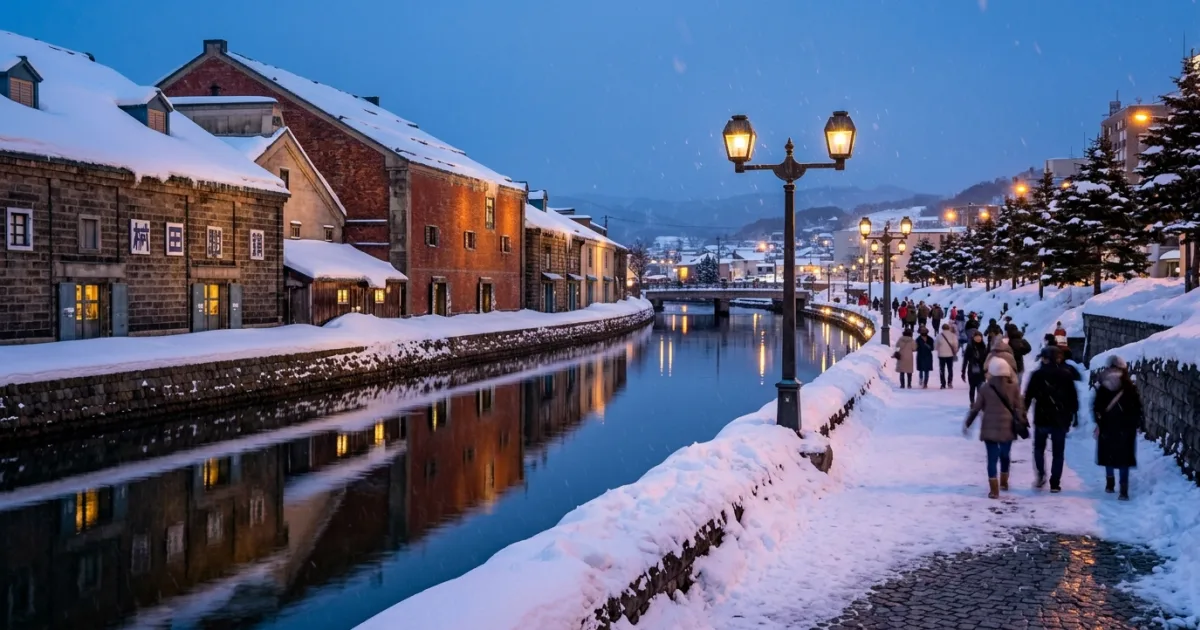
Otaru is an atmospheric coastal harbor city in Hokkaido that flourished during the late 19th and early 20th centuries as a vital trade port and financial gatekeeper of northern Japan. The Otaru Canal, completed in 1923, was engineered to allow barges to unload cargo directly into adjacent stone and brick warehouses. When modern shipping infrastructure rendered the canal obsolete in the mid-20th century, citizens successfully advocated to preserve and repurpose the waterway and historic architecture instead of demolishing them. Today, those heritage stone warehouses operate as microbreweries, museums, artisan glass studios, and cafes, granting Otaru a distinct visual blend of Victorian, Taisho Roman, and traditional Japanese architecture.
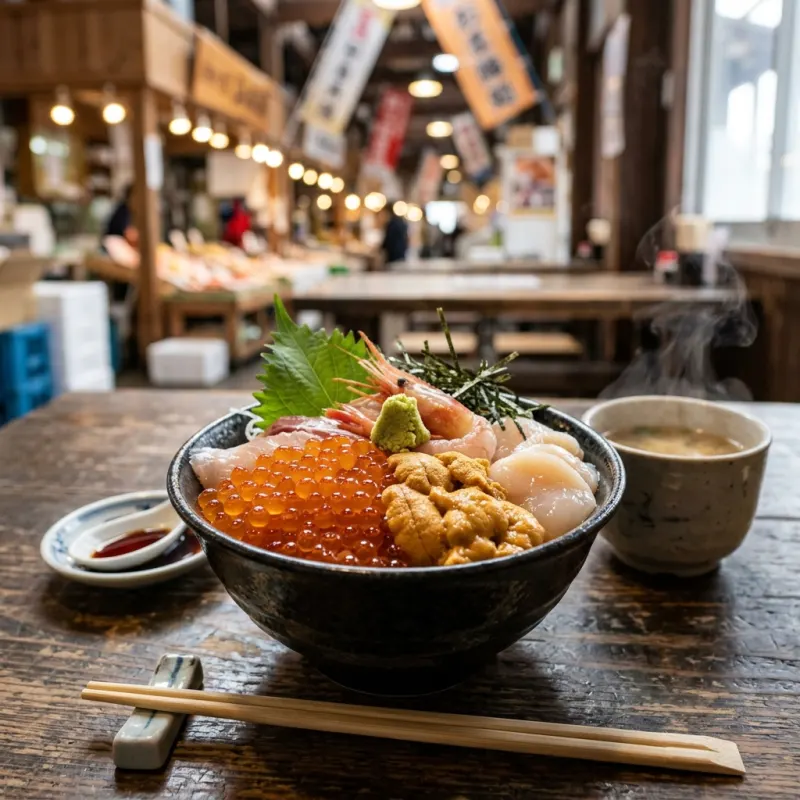
Beyond its iconic waterways, Otaru holds legendary status among culinary enthusiasts for its sushi craftsmanship. Sushiya-dori (Sushi Street) and the bustling morning vendors of Sankaku Market offer seafood harvested directly from Hokkaido's cold, nutrient-rich coastal waters. Paired with cultural attractions like Sakaimachi Street, the historic Bank of Japan museum, and scenic aerial vistas from Mount Tengu, Otaru remains one of the most culturally complete and visually rewarding destinations in northern Japan.
Reasons to Visit
- The iconic gas-lit Otaru Canal flanked by preserved stone warehouses
- Incomparable seafood dining including fresh sea urchin and artisanal sushi
- Fascinating craft traditions ranging from hand-blown glass to antique music boxes
- Rich Meiji and Taisho-era architectural heritage often referred to as the 'Wall Street of the North'
- Convenient 35-minute direct train connection from Sapporo
Things to Avoid
- Avoid wearing leather or slick-soled footwear during winter, as pavements become sheer sheets of ice
- Avoid waiting until evening to visit Sankaku Market, as prime seafood selections sell out by early afternoon
- Avoid visiting the canal exclusively at noon; evening lighting offers far superior ambiance and fewer crowds
- Avoid missing train timetables for return travel to Sapporo late at night, as frequencies drop past 10 PM
Local Transportation Tips
Otaru is predominantly explored on foot. The distance from JR Otaru Station to the Otaru Canal is an easy 10-minute downhill stroll. For destinations further afield, such as the Mount Tengu Ropeway or the Shukutsu Herring Mansion, convenient local buses operated by Hokkaido Chuo Bus depart from the terminal in front of Otaru Station. The Otaru Stroller's Bus (Sansaku Bus) offers a dedicated tourist loop hitting major sights. Prepaid IC cards like Suica, Pasmo, and Kitaca are accepted on JR trains and municipal buses.
Travel Etiquette
- Remove your shoes promptly when entering ryokans, traditional tea rooms, and designated temple buildings
- Do not walk while eating street food; finish your snack near the stall where purchased and dispose of trash responsibly
- Maintain quiet composure on public transport and refrain from phone conversations
- Obtain permission before taking close-up photographs of artisan glassblowers or market vendors
Recommended Age Group
Otaru provides diverse sensory and cultural appeal, though terrain considerations vary by age.
- Babies (0-2 years): Neutral. The flat canal paths work well with strollers in summer, but heavy winter snow and uneven heritage cobblestones make stroller transport difficult in winter.
- Kids (3-12 years): Recommended. Interactive attractions like the Music Box Museum, glassblowing demonstrations, and the Mt. Tengu ropeway are engaging for children.
- Teens (13-19 years): Recommended. Trendy dessert cafes, shopping along Sakaimachi Street, and cinematic photography spots provide strong appeal.
- Adults (20-64 years): Recommended. Premium sushi, historic sake breweries, craft beer along the canal, and historical walking tours make it an ideal adult getaway.
- Seniors (65+ years): Recommended. The flat central tourist corridor and efficient transit suit mature travelers, though winter ice requires traction caution.
Accessibility Level: Medium
- The main pathway running parallel to the Otaru Canal is flat and paved, making it accessible for manual and electric wheelchairs during snow-free seasons
- JR Otaru Station features elevator access and accessible multipurpose restrooms
- Certain historical stone buildings and traditional wooden restaurants feature steps at entryways without ramp alternatives
- Winter snowfall severely impedes wheelchair movement due to packed snowdrifts and icy inclines
Did You Know?
During its economic peak in the early 1900s, Otaru was home to dozens of prominent financial institutions, earning it the title 'Wall Street of Northern Japan.' The Bank of Japan's Otaru Branch, designed by Kingo Tatsuno—the same architect who designed Tokyo Station—still stands today as a public museum.
Cool Statistics
- Features over 60 active sushi restaurants within a compact radius
- Home to the Otaru Music Box Museum, housing over 25,000 music boxes
- The Otaru Canal stretches 1,140 meters in length and 20 to 40 meters in width
- Mount Tengu Ropeway reaches an elevation of 532 meters, offering a top-rated night view of Ishikari Bay






Buy a compatible power adapter for your trip