Disclosure: This site contains affiliate links. We may earn a commission if you make a purchase, at no extra cost to you.

>
>
>
>
>
Shiretoko
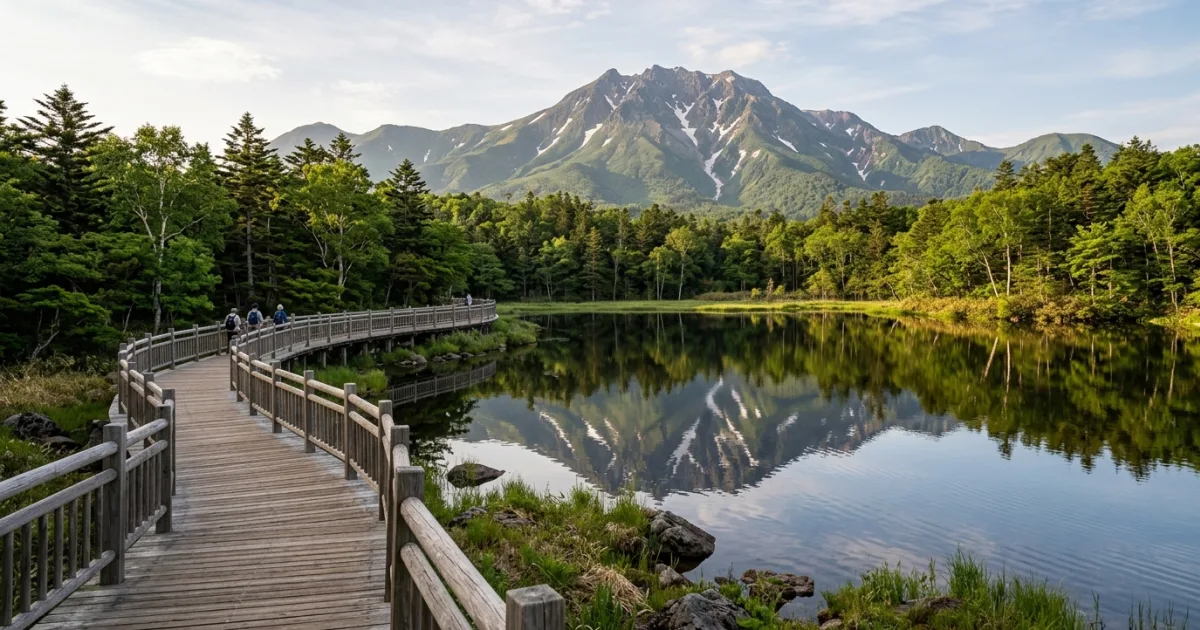
Scenic view of Shiretoko Five Lakes reflecting Mount Rausu and primeval forests in Hokkaido, Japan

Shiretoko Overview & Key Highlights

Shiretoko Peninsula projects into the Sea of Okhotsk in northeastern Hokkaido, representing one of the most pristine and strictly conserved wilderness zones in Japan. Designated a UNESCO World Heritage site in 2005, the region preserves an integrated terrestrial and marine ecosystem that sustains one of the highest densities of Ussuri brown bears on earth, alongside Steller's sea eagles, harbor seals, and migrating cetaceans. The dramatic topography features volcanic mountain spines, geothermal cascades, and virgin primeval forests that plunge precipitously into cold subarctic seas. Travelers explore Shiretoko through a carefully managed balance of elevated wooden boardwalks, chartered wildlife cruises, and natural hot spring onsen retreats. During the warmer months, visitors hike around the crystalline Shiretoko Five Lakes and navigate coastal waters by sightseeing boat to witness sheer cliffs and feeding bears. In deep winter, the seascape transforms as Siberian drift ice (ryuhyo) blankets the ocean, enabling dry-suit ice walks and stark arctic photography. Shiretoko offers deep immersion into untamed nature accompanied by classic Hokkaido hospitality and exceptional local seafood.

Shiretoko Travel Guide: Logistics & In-Depth Tips

Shiretoko derives its name from the indigenous Ainu word sir-etok, which translates directly to 'the end of the earth.' This jagged peninsula in eastern Hokkaido represents one of Japan's most ecologically intact landscapes, where high volcanic mountain ranges descend into the subarctic waters of the Sea of Okhotsk. Recognized as a UNESCO World Heritage site, Shiretoko functions as an interdependent marine and terrestrial sanctuary, supporting massive salmon runs, migrating cetaceans, and the highest concentration of brown bears in Japan.

Travelers base their exploration in the coastal gateway settlements of Utoro on the west and Rausu on the east, connected across the central volcanic spine by the scenic Shiretoko Pass. The park invites slow, intentional exploration across distinct seasons—from summer boat tours along vertical sea cliffs and scenic walks across the elevated boardwalks of the Five Lakes, to mid-winter drift ice expeditions where travelers don dry suits to trek across frozen seas. Complemented by historic hot spring onsen culture and fresh subarctic seafood, Shiretoko remains an unforgettable frontier adventure.

Reasons to Visit

  • Unmatched Wildlife Spotting: Safely observe Ussuri brown bears roaming pebble beaches from chartered boats, alongside spotted seals, orcas, and Steller's sea eagles.
  • UNESCO World Heritage Ecosystem: Discover pristine primary forests and volcanic lakes linked through an unbroken natural marine food web.
  • Subarctic Drift Ice Encounters: Experience winter ryuhyo walking tours over floating sea ice arriving from the Amur River.
  • Healing Volcanic Onsen: Soak in sulfur-rich geothermal hot springs overlooking coastal sunsets at Utoro and riverside baths in Rausu.
  • Iconic Shiretoko Pass Drives: Traverse Route 334 between spring and autumn for breathtaking panoramic views of Mount Rausu and the Nemuro Strait.

Things to Avoid

  • Never Approach or Feed Wildlife: Feeding bears or foxes habituates them to humans, which endangers visitors and frequently results in animals being culled by wildlife officials.
  • Do Not Disregard Trail Regulations: Avoid walking ground paths during bear-awareness closures; stick strictly to guided groups or the elevated electric-fenced boardwalk.
  • Avoid Relying Exclusively on Public Transit: Buses between major sights are infrequent; failing to hire a car or plan strict timetables can leave you stranded.
  • Do Not Attempt Shiretoko Pass in Winter: Route 334 closes completely between late autumn and late spring due to heavy snowfall and avalanche hazards.

Local Transportation Tips

Renting a vehicle from Memanbetsu Airport, Kushiro Airport, or Abashiri Station is strongly recommended to explore Shiretoko comfortably. Regional Shari Bus services operate seasonal routes connecting JR Shiretoko-Shari Station to Utoro Onsen and the Shiretoko Five Lakes Field House, but departures are limited to a few trips daily. In Utoro and Rausu, small-group coastal sightseeing boats provide the only viable transport to the inaccessible cliff-lined tip of Cape Shiretoko.

Travel Etiquette

  • Strict Waste Discipline: Pack out all personal trash without exception, as trash bins are eliminated from trailheads to prevent attracting scavenging bears.
  • Onsen Manners: Wash and rinse thoroughly at the seated wash stations before entering communal geothermal pools; keep personal towels out of the bathwater.
  • Respect Local Fishermen: Keep off working boat ramps, nets, and processing docks in Utoro and Rausu harbors unless accompanied by a local guide.
  • Maintain Quiet on Nature Trails: Keep voice volume measured so wildlife is not spooked and fellow hikers can experience the natural soundscape.

Recommended Age Group

Shiretoko caters exceptionally well to outdoor enthusiasts and travelers comfortable with wilderness logistics, while requiring careful supervision for young children due to wildlife restrictions.

  • Babies (0-2 years): Not Recommended. Remote medical services, unpaved terrain, and strict boat tour safety restrictions make wilderness logistics demanding for infants.
  • Kids (3-12 years): Neutral. The elevated electric-fenced wooden boardwalk at Shiretoko Five Lakes is safe and stroller-accessible, but rougher trails and long wildlife boat tours can challenge young attention spans.
  • Teens (13-19 years): Recommended. Active teenagers will thrive on guided sea kayaking, volcanic crater hikes, wildlife observation cruises, and winter drift ice walking.
  • Adults (20-64 years): Recommended. Ideal for hikers, nature photographers, road trippers, and travelers seeking hot spring relaxation paired with subarctic adventures.
  • Seniors (65+ years): Recommended. Excellent accessibility on major coastal cruises, scenic mountain overlooks, and barrier-free boardwalks makes Shiretoko highly rewarding for older travelers.

Accessibility Level: Medium

  • Shiretoko Five Lakes Elevated Boardwalk: Offers an 800-meter fully barrier-free wooden pathway with gentle grades, resting benches, and electric fences that allow wheelchair and stroller access to the first lake.
  • Utoro Tourist Center & Field Houses: Facilities provide accessible restrooms, flat thresholds, and tactile displays explaining park conservation.
  • Coastal Sightseeing Vessels: Large catamarans departing Utoro offer wheelchair-friendly boarding ramps, though smaller eco-cruisers feature tight stairwells and require full mobility.

Did You Know?

Shiretoko represents the southernmost point in the Northern Hemisphere where ocean drift ice (ryuhyo) forms and accumulates during the winter season. The ice floes carry rich microscopic phytoplankton from the Amur River in Russia, supercharging the marine food chain that feeds Shiretoko's immense populations of salmon, cod, seals, and bears.

Cool Statistics

  • UNESCO World Heritage Status: Inscribed in 2005 covering 71,100 hectares of land and marine preserve.
  • Brown Bear Density: Shiretoko holds an estimated population of over 500 brown bears, one of the densest wild habitats on the globe.
  • Elevation Span: The peninsula rises from 0 meters at sea level to 1,661 meters at the summit of Mount Rausu.


Address:

Shiretoko Peninsula, Hokkaido, Japan

Find Nearby Accommodations

Basic Info

address icon

COUNTRY & Region

Japan,
Asia

ACCESSIBILITY LEVEL​

Medium
Currency icon

LOCAL CURRENCY​

Japanese Yen (JPY)
Price level icon
Medium
Safety Level icon

SAFETY LEVEL

Duration icon

Recommended Duration

• 1-7 days

Electricity

electricity icon

Electricity

100-110V, 
50Hz
Plug Socket icon

Plug Type

• Type A (Flat blade)
• Type B (Flat blade with grounding pin)
Plug types
Click To View Plug Types
Shiretoko is part of our
Coolcation collection

Activities To Do In Shiretoko

Best Time To Visit Shiretoko

Shiretoko features two radically distinct travel seasons dictated by ocean currents and subarctic freeze cycles.

  • June to September (Summer Wildlife & Hiking): Peak season for hiking the Shiretoko Five Lakes, driving the Shiretoko Pass, and taking coastal wildlife boat tours to view brown bears and orcas. Daytime temperatures hover between 18°C and 25°C.
  • Late January to March (Drift Ice Season): The Sea of Okhotsk freezes with Siberian drift ice, creating conditions for dry-suit drift ice walking, snowshoeing, and viewing white-tailed sea eagles. Sub-zero temperatures require severe cold-weather gear.
  • October to November (Autumn Foliage): Vibrant fall canopy framing volcanic peaks, accompanied by spawning salmon runs in coastal rivers.
  • April to May (Spring Thaw): Shoulder period marked by melting snow and road closures; high-elevation trails generally remain inaccessible.

Average Temperatures Per Month

Remember to check the weather forecast a few days before the trip and before heading to the airport.

Safety Level icon

Safety Level

Shiretoko maintains virtually zero violent crime, making wildlife encounters and extreme weather the primary safety concerns. Always attend the mandatory 10-minute bear awareness safety briefing at the Shiretoko Goko Field House before entering ground trails. Never approach, feed, or leave food waste near Ussuri brown bears or Ezo sika deer under any circumstances. When driving rural roads such as Route 334, exercise extreme vigilance at dawn and dusk due to frequent deer collisions.

The rating is based on multi-year peace, crime, and security indices. Before you go, always verify current conditions through official government travel advisories.

Emergency Numbers

Police: 110
Ambulance: 119

No internet needed • Includes local translations • Free for TravelingWiz readers

Spoken Languages

Japanese (primary), limited English at tourist visitor centers and major hotels.

Learn The Language

  • Konnichiwa — Hello
  • Arigatou gozaimasu — Thank you very much
  • Sumimasen — Excuse me / Pardon me
  • Kore wa ikura desu ka? — How much is this?
  • Kuma ni chuui — Beware of bears
  • Onsen wa doko desu ka? — Where is the hot spring?
  • Tasukete kudasai — Please help me
  • O-kaikei o onegaishimasu — Check/bill, please
Travel Booking Partner - TravelingWiz

Trip Cost & Budgeting for Shiretoko, 2026

Everything you need to know about money while traveling
Is Shiretoko expensive for tourists in 2026? Shiretoko offers moderate prices compared to major Japanese cities, though remote park logistics can add up. Based on Human Verified prices, expect to pay around 500 JPY for a coffee, 700 JPY for a local beer, and 2,200 JPY for a mid-range restaurant meal. Accommodation and transport account for most daily expenses. Use the data table below to calculate your specific daily budget based on your travel style.
Currency icon

LOCAL CURRENCY​:

Japanese Yen (JPY)
Price level icon
Medium
Major hotels accept cards, but carry cash for local buses, parking, small eateries, and park entrance fees.

Per person, per day – pocket cash for small purchases.

Local: 2200
Japanese Yen (JPY)
≈ 101 USD

Full daily spend estimation (accommodation, food, transportation, attractions).

Travel Style
Japanese Yen (JPY)
≈ USD ($)
Budget
12100
64
Mid-range
22000
145
Comfort
48400
304

The Prices, Daily costs, and calculator results are estimates for planning purposes only. Actual costs may vary based on season, booking timing, personal spending habits, and currency fluctuations. TravelingWiz cannot be held responsible for discrepancies between these estimates and your final trip expenses.

  • • Rent a car in Memanbetsu or Kushiro to split transport costs, as local buses in Shiretoko are infrequent and pricey.
  • • Buy lunch or trail snacks at convenience stores in Utoro town before heading into Shiretoko National Park.
  • • Book ryokan accommodation with dinner and breakfast included for better value than dining out individually in Utoro.
  • • Purchase combined attraction tickets or seasonal bus passes if staying in the Shiretoko area for multiple days.

Pre-Order Tickets

Avoid disappointment when tickets sell out — and skip the long lines by booking online in advance. You’ll often save up to 20% too.
Save up to 20%

Travel Discounts & Coupons

Save on hotels, attractions, transport, and gear — find verified discounts for smarter travel spending.
Verified Coupons

What To Pack

  • Bear Spray and Bear Bell: Essential safety equipment for independent trekking on ground trails during non-restricted seasons.
  • Waterproof Hiking Boots: Sturdy footwear with deep tread for damp peat trails, volcanic slopes, and boardwalks.
  • Moisture-Wicking Layering System: Thermal base layers, fleece mid-layers, and a windproof Gore-Tex shell to adapt to rapid subarctic maritime weather swings.
  • Telephoto Camera Lens: At least 300mm to 400mm focal length for ethical, safe wildlife photography from boat decks and viewing stations.
  • Insect Repellent and Head Net: Effective protection against biting midges and horseflies active near water bodies during mid-summer.
  • Onsen Towel and Slip-On Shoes: Convenient gear for enjoying numerous local mineral hot springs across Utoro and Rausu.
We couldn't find tips for Shiretoko.
If you got any, please share

Recommended Itineraries for Traveling to Shiretoko

We couldn't find itineraries for Shiretoko.
you can contact us for custom trip plan

Food & Drink Highlights

Local Food Overview

Cuisine in Shiretoko revolves around the nutrient-dense, icy waters of the Sea of Okhotsk and the Nemuro Strait. Local fishing ports in Utoro and Rausu land premier catches of wild autumn salmon, Okhotsk hairy crab, deep-water botan shrimp, sea urchin (uni), and rich salmon roe (ikura). Inland hunting traditions contribute sustainably sourced Ezo deer (venison), frequently served as grilled steaks or lean burger patties. Meals are classically anchored by hot, soul-warming pots like Chanchan-yaki—salmon fillets griddled with seasonal cabbage, onions, and sweet-savory Hokkaido fermented miso butter.
Authentic Hokkaido Salmon Chanchan-yaki steaming on a cast iron griddle with miso and vegetables

Must Try Dish

Salmon Chanchan-yaki - Freshly caught Okhotsk salmon fillets steamed on an iron griddle with mountain cabbage, sweet corn, and onions under a savory glaze of rich Hokkaido miso and butter. This traditional fisherman's comfort dish highlights the delicate natural sweetness of local salmon melded with deep umami broth.
Food Experiences Title Icon

Food
Experiences

Discover cooking classes, tastings and local food tours

No food experience found
Maya, the human travel expert at TravelingWiz, offering curated, non-AI expertise

Maya’s Final Checklist for Shiretoko

Logistics shouldn’t be the focus of your trip—the experience should. I’ve hand-vetted these essential partners to ensure your arrival, stay, and exploration are as smooth as an Athenian breeze.

Where to Stay

From boutique hotels to local apartments—compare thousands of options and find the perfect stay in the best neighborhood.

Air Travel

Getting there should be seamless. Compare the best routes and prices across top airlines to start your journey on the right note.

Local Guides

Connect with experts who know the destination best. Get personalized advice and insider tips to help you plan your perfect trip.

Travel Protection

The “Engineer’s” rule: always have a backup. Secure your trip with a plan that covers every “what if” and unexpected change.

Car Rentals

Explore at your own pace with total freedom. Compare reliable rental options and find the right vehicle for your adventure.

Visa Services

Don’t let paperwork slow you down. Get expert assistance with your application to ensure all your entry documents are in order.

FAQs

Yes, provided visitors respect strict national park protocols. The elevated wooden boardwalk at Shiretoko Five Lakes is equipped with an electrified perimeter fence, making it completely safe and accessible without guides. Independent ground-level loop trails require mandatory ranger safety briefings, and during peak bear activity (May to July), ground trails can only be accessed as part of certified guided tour groups.
Fly from Tokyo Haneda Airport directly to Memanbetsu Airport (approximately 1 hour 45 minutes) or Nakashibetsu Airport. From Memanbetsu, rent a car or board an airport limousine bus to Abashiri and transfer to the Shiretoko Airport Liner bus, arriving in Utoro within 2 hours.
Utoro sits on the western Sea of Okhotsk coast and serves as the primary tourism hub featuring major hot spring resorts, the Five Lakes access road, and sunset views. Rausu is situated on the eastern Nemuro Strait, functioning as a quieter fishing outpost renowned for whale-watching cruises, kelp harvesting, and direct views of Kunashir Island.

Your Insights Matter

TravelingWiz grows through the stories of our community. If you’ve recently explored ,Shiretoko share your tips and stories to help us perfect our guides for the next traveler.

Related Articles

Check out our related articles and blog posts to learn even more about the destination.

No related articles found

Don’t Travel Alone

Share with your friends and family

Where should we send your offline card?

We hate spam just as much as you do

newsletter_consent *