Eastern Hokkaido, known natively as Doto, comprises the vast sub-prefectures of Kushiro, Nemuro, Okhotsk, and Tokachi. Distinctly detached from the bustling urbanity of Sapporo and Tokyo, this region unfolds into expansive primeval forests, active volcanoes, crater lakes, and sprawling marshlands. It represents one of the most ecologically intact temperate wildernesses in Northeast Asia, recognized globally by UNESCO for the biodiversity of the Shiretoko Peninsula.
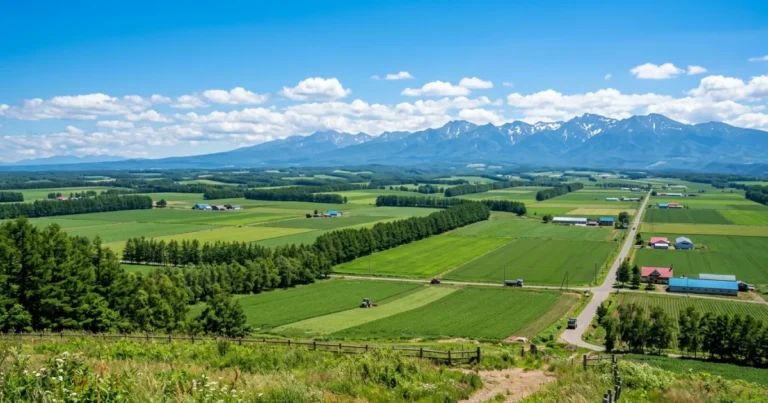
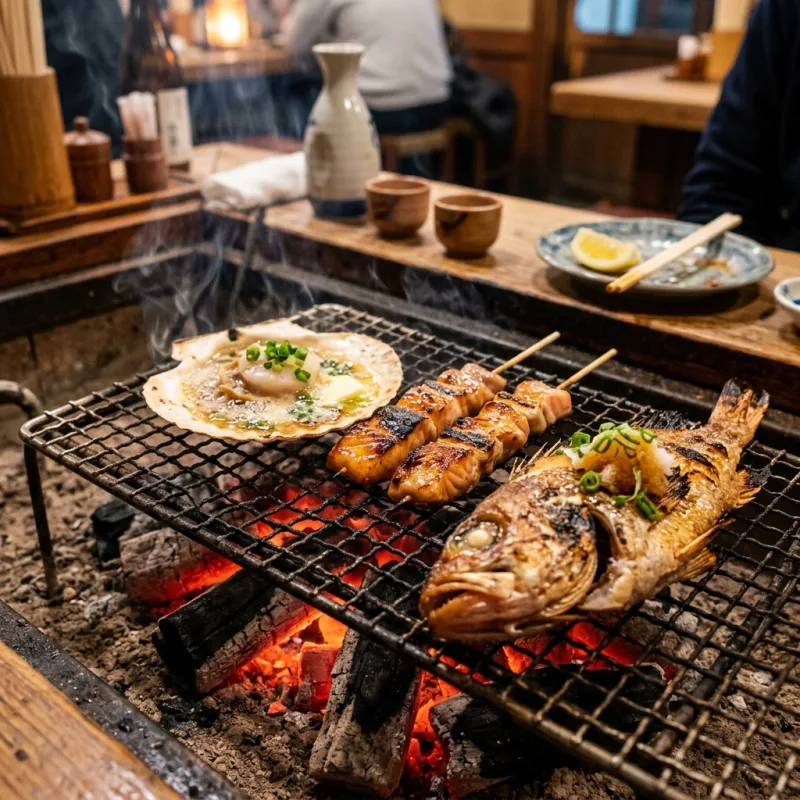
Cultural immersion in Eastern Hokkaido extends beyond natural wonders into the heritage of the Indigenous Ainu people, preserved actively around Lake Akan's Ainu Kotan village. Culinary traditions are shaped by direct access to cold Pacific and Okhotsk waters, delivering unmatched raw sashimi, crab feasts, and rustic robatayaki grilling alongside the rich agricultural outputs of the fertile Tokachi lowlands.
Reasons to Visit
- Explore Shiretoko National Park, a UNESCO World Heritage site teeming with brown bears and marine life.
- Soak in natural sulfur hot springs beside steaming volcanic vents at Kawayu and Lake Akan.
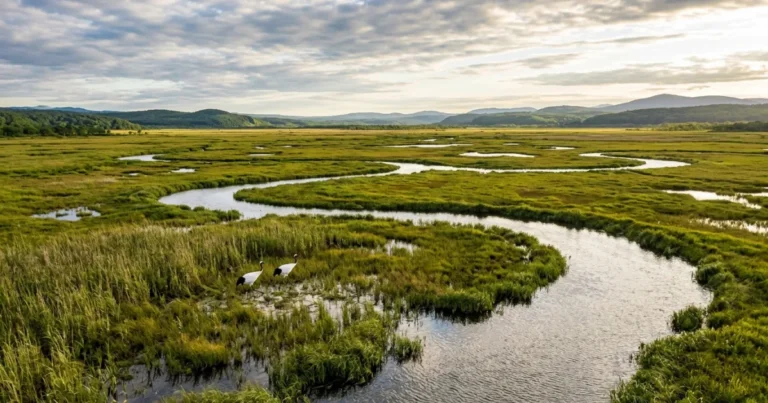
- Witness rare red-crowned cranes dancing across snow-covered fields in Kushiro and Tsurui.
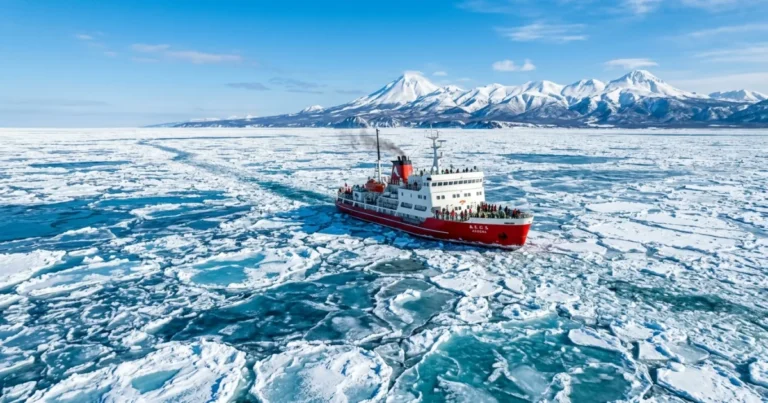
- Experience coastal icebreaker cruises through the frozen Sea of Okhotsk during winter.
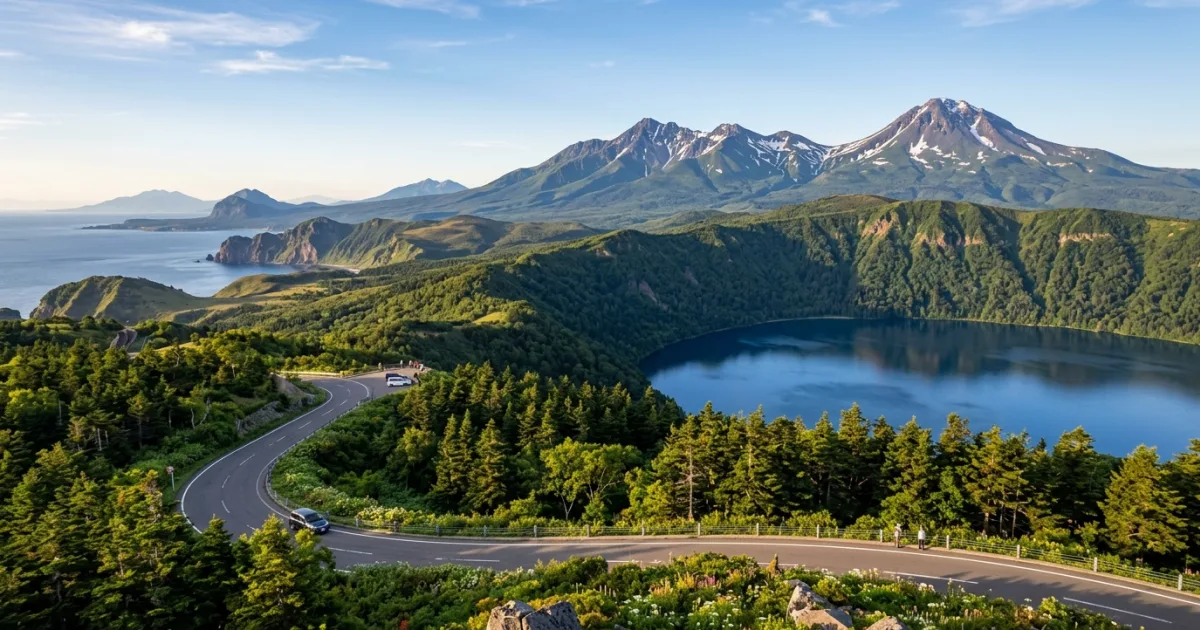
- Gaze across Lake Mashu, known as one of the clearest and most mysterious caldera lakes in the world.
Things to Avoid
- Do not approach or feed wild red foxes or Yezo deer, as Echinococcus tapeworm infection can be transmitted to humans.
- Avoid driving during severe winter blizzards without checking local Hokkaido road closure portals.
- Do not enter hot springs without washing thoroughly at the washing stations beforehand.
- Avoid embarking on backcountry hikes in Shiretoko without checking current bear activity reports at local visitor centers.
Local Transportation Tips
Renting a vehicle is the only practical way to thoroughly explore Eastern Hokkaido's vast terrain. Major rental companies operate at Memanbetsu Airport (MMB), Kushiro Airport (KUH), and Obihiro Airport (OBO). For travelers utilizing public transport, the scenic JR Senmo Main Line connects Abashiri and Kushiro, though trains run only a few times per day and require meticulous scheduling.
Travel Etiquette
- Observe complete silence and avoid sudden movements when viewing red-crowned cranes at designated winter sanctuaries.
- Adhere to traditional Japanese bathing rules in communal onsens: wash before entering the water and keep towels out of the bath.
- Carry all trash with you, as public garbage bins are virtually nonexistent across national park lands.
- Always ask permission before photographing Indigenous Ainu woodcarvers or craftspeople in Lake Akan's cultural villages.
Recommended Age Group
Eastern Hokkaido accommodates travelers who appreciate vast outdoor environments, though long transit distances should factor into planning.
- Babies (0-2 years): Neutral. Long driving times between destinations and remote medical facilities make travel logistics challenging for very young infants.
- Kids (3-12 years): Neutral. Children interested in nature, boats, and wildlife will enjoy the sights, but extensive driving hours require patience.
- Teens (13-19 years): Recommended. Excellent destination for active teenagers who enjoy hiking, sea kayaking, winter snowshoeing, and wildlife photography.
- Adults (20-64 years): Recommended. Perfect terrain for road trips, backcountry exploration, hot springs, and exceptional local cuisine.
- Seniors (65+ years): Recommended. Comfortable hot spring resorts, scenic observation decks, and accessible boardwalks at Shiretoko and Kushiro offer relaxed, immersive sightseeing.
Accessibility Level: Medium
- Shiretoko Goko Lakes features an elevated wooden boardwalk that is completely wheelchair accessible with barrier-free ramps.
- Major national park visitor centers (Kushiro, Akkeshi, and Shiretoko) feature modern elevators, accessible restrooms, and tactile displays.
- Many traditional ryokan and remote hot spring lodges have steps and lack elevators; barrier-free rooms should be requested well in advance.
Did You Know?
Lake Mashu is enveloped in dense fog for much of the year; local legend claims that if you visit and see the lake's surface perfectly clear, your marriage will be postponed or your career will stall.
Cool Statistics
- Shiretoko is the southernmost point in the Northern Hemisphere where seasonal sea ice naturally forms.
- Lake Mashu features a water clarity depth of up to 41.6 meters, rivaling Russia's Lake Baikal.
- Kushiro Marsh encompasses over 28,000 hectares, forming Japan's largest remaining wetland ecosystem.









Buy a compatible power adapter for your trip