Disclosure: This site contains affiliate links. We may earn a commission if you make a purchase, at no extra cost to you.

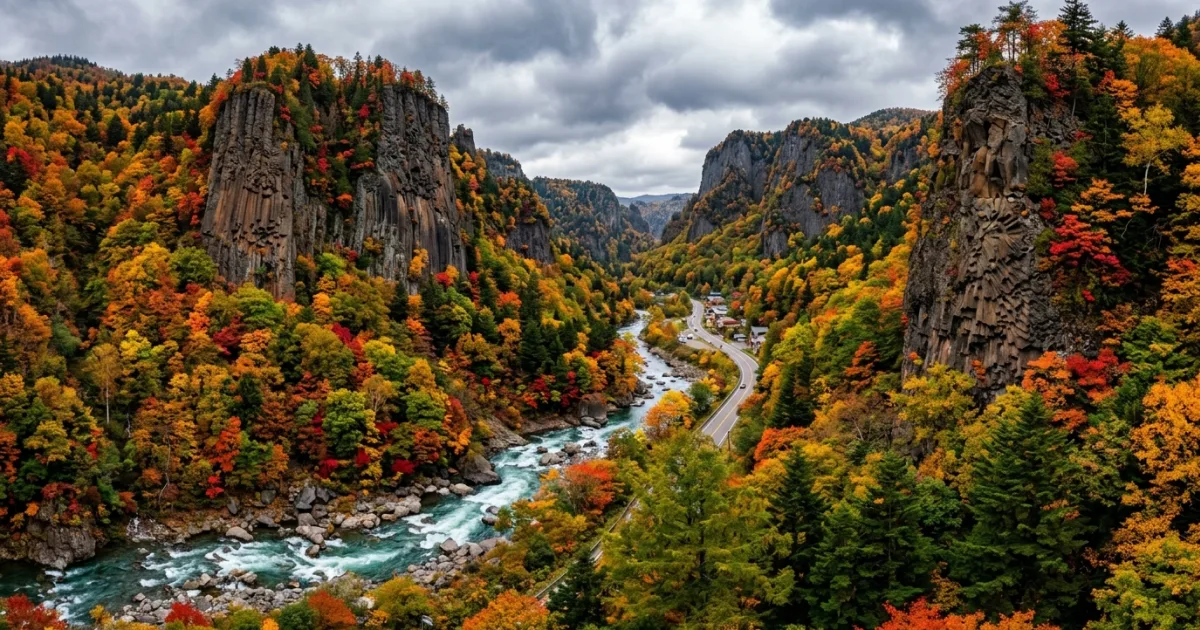
Panoramic view of Sounkyo Gorge with towering rock cliffs and autumn foliage in Hokkaido

Sounkyo Overview & Key Highlights

Sounkyo is a renowned hot-spring gorge situated in Kamikawa District within Daisetsuzan National Park, Hokkaido's largest national park. The village stretches along a steep 24-kilometer ravine carved by the Ishikari River, flanked by dramatic columnar jointed basalt cliffs that rise hundreds of meters. Renowned as a prime gateway to Mount Kurodake and alpine traversing trails, Sounkyo attracts trekkers in summer, foliage seekers in early autumn, and ice climbers or winter festival travelers during the sub-zero months. Beyond mountain climbing, Sounkyo functions as a classic Japanese onsen retreat centered around thermal mineral baths, alpine ropeway access, and roaring glacial waterfalls. Sounkyo Onsen village offers traditional ryokan lodging alongside modern alpine hotels, making it an ideal staging ground for exploring Daisetsuzan's volcanic plateaus or unwinding after arduous mountain ascents. Travelers benefit from crisp northern climate conditions, pristine wilderness vistas, and distinct four-season natural transformations.

Sounkyo Travel Guide: Logistics & In-Depth Tips

Sounkyo is an alpine canyon village positioned inside Daisetsuzan National Park in north-central Hokkaido. Formed by the erosion of volcanic deposits from Mount Daisetsu over thousands of years, the gorge features 100-meter-high sheer basalt columns known as columnar jointing. Two primary waterfalls, Ginga-no-Taki (Milky Way Falls) and Ryusei-no-Taki (Shooting Star Falls), tumble down these basalt cliffs directly into the Ishikari River, presenting one of Hokkaido's most celebrated geological sights.

The village itself functions as an accessible alpine retreat with a distinct European-influenced chalet design mixed with classic Japanese onsen culture. Kurodake Ropeway departs straight from the village center, lifting visitors up to Mount Kurodake’s 5th station in under seven minutes. From there, hikers can take a double chairlift to the 7th station or tackle the strenuous summit path into the heart of the Daisetsuzan grand traverse, making Sounkyo an indispensable hub for mountaineers and nature lovers alike.

Reasons to Visit

  • Unmatched access to Daisetsuzan National Park's premier alpine trails and volcanic ridges via the Kurodake Ropeway.
  • Sounkyo Onsen's mineral-rich thermal waters, celebrated for soothing tired muscles in outdoor rotenburo baths.
  • Spectacular geological formations including Ryusei and Ginga waterfalls tumbling down massive columnar cliffs.
  • Japan's earliest autumn colors, painting the slopes in vivid vermilion and ochre hues by late September.
  • The winter Sounkyo Hyobaku Festival, transforming the river valley into an illuminated labyrinth of giant ice structures.

Things to Avoid

  • Avoid entering Daisetsuzan backcountry trails without warm thermal clothing and reliable navigational tools, even in midsummer.
  • Do not approach or feed wildlife, especially Ezo red foxes and brown bears.
  • Avoid arriving late in the evening without pre-booked dining, as village restaurants close early outside major hotel ryokan dining rooms.
  • Do not ignore official trail warnings regarding active volcanic gases or bear sightings around Kurodake.

Local Transportation Tips

Sounkyo village is compact and easily navigated on foot, with most accommodations located within a 10-minute walk from the central bus terminal and the Kurodake Ropeway station. For visiting Ryusei and Ginga waterfalls, rental bicycles are available seasonally near the visitor center, or visitors can take a 35-minute scenic stroll along the gorge path. Public transit beyond the village relies on Dohoku buses connecting back to JR Kamikawa Station and Asahikawa City.

Travel Etiquette

  • Observe traditional onsen etiquette: wash and rinse thoroughly at washing stations before entering the thermal pools, and keep towels out of the bathwater.
  • Keep voices down in quiet village streets and ryokan hallways during the evening hours.
  • Carry all trash out with you when hiking in Daisetsuzan National Park, as public bins are deliberately absent to protect wildlife.
  • Pack your hiking boots in designated shoe lockers when entering traditional Japanese lodges.

Recommended Age Group

Sounkyo offers exceptional natural landscapes, but its rugged alpine terrain and onsen-focused lifestyle cater best to independent and physically capable travelers.

  • Babies (0-2 years): Not Recommended. Steep gravel trails, rough mountain weather, and very hot thermal baths are poorly suited for infant travel.
  • Kids (3-12 years): Neutral. The ropeway ride and winter ice festivals are engaging, but lengthy mountain treks require endurance.
  • Teens (13-19 years): Recommended. Outdoor-oriented teens will appreciate the challenging climbs, scenic photography, and mountain biking opportunities.
  • Adults (20-64 years): Recommended. Ideal for hikers, nature photographers, and wellness seekers looking for mountain trekking followed by mineral hot springs.
  • Seniors (65+ years): Recommended. The village core is compact, ropeway facilities offer effortless alpine sightseeing, and gentle strolls near the waterfalls accommodate moderate mobility.

Accessibility Level: Medium

  • The Kurodake Ropeway terminal features step-free access and elevator facilities to the boarding platform, allowing wheelchair access to the 5th station viewing deck.
  • Paved pathways are available along the village center and at the primary viewing deck for Ryusei and Ginga waterfalls.
  • Trail paths leading past the Kurodake 7th station are rugged, steep, and completely inaccessible to wheelchair users or visitors with severe mobility constraints.
  • Major modern ryokan hotels offer select barrier-free rooms, though historic Japanese inns feature traditional raised tatami thresholds and lack elevators.

Did You Know?

The name Sounkyo originates from the indigenous Ainu phrase 'So-un-betsu', which translates to 'the river with many waterfalls'. The indigenous Ainu people historically revered the Daisetsuzan mountain range as 'Kamui Mintara', meaning 'the playground of the gods'.

Cool Statistics

  • The gorge walls extend for roughly 24 kilometers along the Ishikari River.
  • The Kurodake Ropeway ascends from an elevation of 670 meters to 1,300 meters in just seven minutes.
  • Autumn foliage in Sounkyo and Mount Kurodake arrives earlier than almost anywhere else in Japan, often commencing by late August on the upper peaks.


Address:

Sounkyo, Kamikawa, Kamikawa District, Hokkaido 078-1701, Japan

Find Nearby Accommodations

Basic Info

address icon

COUNTRY & Region

Japan,
Asia

ACCESSIBILITY LEVEL​

Medium
Currency icon

LOCAL CURRENCY​

Japanese Yen (JPY)
Price level icon
Medium
Safety Level icon

SAFETY LEVEL

Duration icon

Recommended Duration

• 1-7 days
• Full day

Electricity

electricity icon

Electricity

100-110V, 
50Hz
Plug Socket icon

Plug Type

• Type A (Flat blade)
• Type B (Flat blade with grounding pin)
Plug types
Click To View Plug Types
Sounkyo is part of our
Coolcation collection

Activities To Do In Sounkyo

Best Time To Visit Sounkyo

Sounkyo offers dramatic seasonal contrasts, with each period presenting distinct outdoor possibilities.

  • June to August: Ideal for high-altitude trekking, lush greenery, and alpine flora, with pleasant summer daytime temperatures averaging 18°C to 24°C.
  • September to October: Japan's earliest autumn foliage transforms the gorge into vivid reds and golds, peaking around mid-to-late September on Mount Kurodake.
  • January to March: The Sounkyo Hyobaku (Ice Waterfall) Festival takes place, showcasing massive illuminated ice sculptures amidst freezing winter conditions.

Average Temperatures Per Month

Remember to check the weather forecast a few days before the trip and before heading to the airport.

Safety Level icon

Safety Level

Violent crime is practically nonexistent in Sounkyo. The primary hazards relate strictly to nature and wilderness navigation. Hikers must carry bear bells and register their route at trailhead boxes due to active brown bear populations. Weather can deteriorate rapidly on Mount Kurodake, with freezing fog and gale-force winds arriving without warning even in summer.

The rating is based on multi-year peace, crime, and security indices. Before you go, always verify current conditions through official government travel advisories.

Emergency Numbers

Police: 110
Ambulance: 119

No internet needed • Includes local translations • Free for TravelingWiz readers

Spoken Languages

Japanese (primary), limited English in major hotels and Kurodake Ropeway ticketing office.

Learn The Language

  • Konnichiwa – Hello
  • Arigatou gozaimasu – Thank you very much
  • Sumimasen – Excuse me / I’m sorry
  • Onsen wa doko desu ka? – Where is the hot spring?
  • Kore wa ikura desu ka? – How much is this?
  • Tasukete kudasai – Please help me
  • Eigo ga hanasemasu ka? – Do you speak English?
  • Kaikei o onegaishimasu – Check, please
Travel Booking Partner - TravelingWiz

Trip Cost & Budgeting for Sounkyo, 2026

Everything you need to know about money while traveling
Is Sounkyo expensive for tourists in 2026? Sounkyo is moderately priced for a mountain hot spring destination in Japan. Visitors can expect to pay around ¥450 for a coffee, ¥600 for a pint of domestic beer, and ¥2,000 for a mid-range meal. Thanks to our Human Verified prices, budgeting for your trip is simple and transparent. Use the data table below to calculate your specific daily budget based on your travel style.
Currency icon

LOCAL CURRENCY​:

Japanese Yen (JPY)
Price level icon
Medium
Major hot spring hotels accept cards, but local buses, small eateries, and vending machines require cash.

Per person, per day – pocket cash for small purchases.

Local: 2250
Japanese Yen (JPY)
≈ 50 USD

Full daily spend estimation (accommodation, food, transportation, attractions).

Travel Style
Japanese Yen (JPY)
≈ USD ($)
Budget
12400
60
Mid-range
22500
115
Comfort
49500
250

The Prices, Daily costs, and calculator results are estimates for planning purposes only. Actual costs may vary based on season, booking timing, personal spending habits, and currency fluctuations. TravelingWiz cannot be held responsible for discrepancies between these estimates and your final trip expenses.

  • • Purchase a round-trip bus pass for discounted travel between Asahikawa and Sounkyo Onsen.
  • • Stay at an onsen ryokan with half-board included to save on individual dinner costs.
  • • Visit free natural attractions like Ryusei and Ginga Waterfalls and local hiking trails.
  • • Buy lunch sets or bento meals at convenience stores before heading into Daisetsuzan National Park.

Pre-Order Tickets

Avoid disappointment when tickets sell out — and skip the long lines by booking online in advance. You’ll often save up to 20% too.
Save up to 20%

Travel Discounts & Coupons

Save on hotels, attractions, transport, and gear — find verified discounts for smarter travel spending.
Verified Coupons

What To Pack

  • Sturdy hiking boots with ankle support for traversing rocky alpine volcanic trails on Mount Kurodake.
  • Thermal base layers and insulated windproof outerwear, essential year-round due to sudden alpine temperature drops.
  • Bear bell and bear spray, as Daisetsuzan National Park has a high population of Ezo brown bears.
  • Slip-on footwear for easy transitions in and out of traditional onsen ryokan properties.
  • Microspikes or crampons for walking along packed icy village paths between November and April.
We couldn't find tips for Sounkyo.
If you got any, please share

Recommended Itineraries for Traveling to Sounkyo

We couldn't find itineraries for Sounkyo.
you can contact us for custom trip plan

Food & Drink Highlights

Local Food Overview

Dining in Sounkyo centers on hearty mountain fare, seasonal river fish, and warming Hokkaido ramen. Local Kamikawa soba noodles, crafted from buckwheat cultivated at the foothills of Mount Daisetsu, offer rich nuttiness and springy texture. Mineral-rich waters contribute to exceptionally flavorful broth and produce, while winter menus feature restorative hot pots (nabe) packed with Hokkaido pork, wild mushrooms, and local root vegetables.
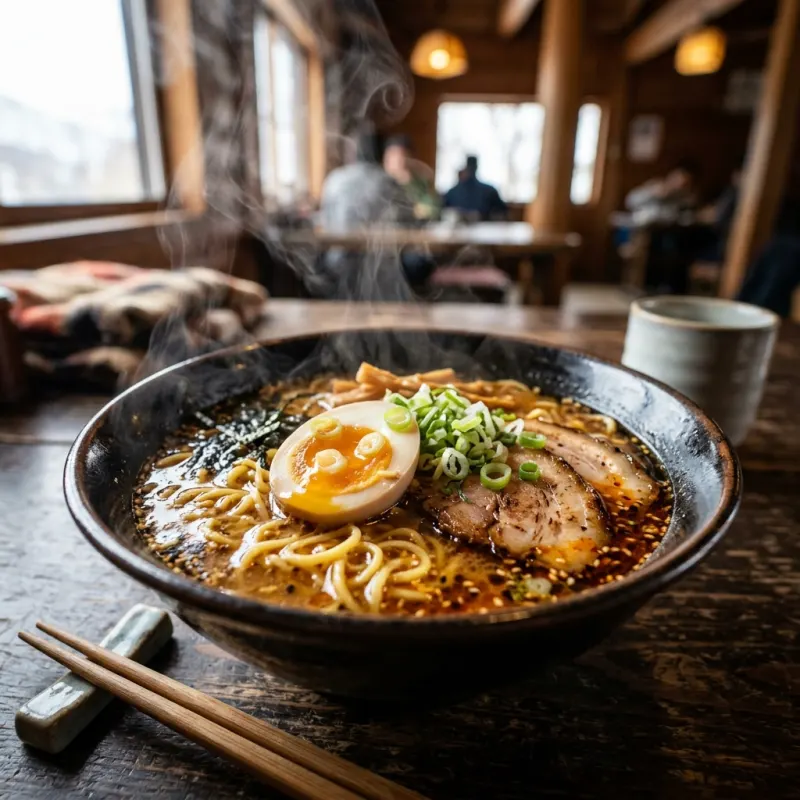
Bowl of steaming Japanese Kamikawa ramen with pork and scallions

Must Try Dish

Kamikawa Ramen - A regional specialty served with springy egg noodles immersed in rich, piping-hot miso or soy broth topped with tender braised pork and fresh scallions. The deeply savory broth is engineered to warm mountaineers and winter explorers visiting the harsh alpine terrain.
Food Experiences Title Icon

Food
Experiences

Discover cooking classes, tastings and local food tours

No food experience found
Maya, the human travel expert at TravelingWiz, offering curated, non-AI expertise

Maya’s Final Checklist for Sounkyo

Logistics shouldn’t be the focus of your trip—the experience should. I’ve hand-vetted these essential partners to ensure your arrival, stay, and exploration are as smooth as an Athenian breeze.

Where to Stay

From boutique hotels to local apartments—compare thousands of options and find the perfect stay in the best neighborhood.

Air Travel

Getting there should be seamless. Compare the best routes and prices across top airlines to start your journey on the right note.

Local Guides

Connect with experts who know the destination best. Get personalized advice and insider tips to help you plan your perfect trip.

Travel Protection

The “Engineer’s” rule: always have a backup. Secure your trip with a plan that covers every “what if” and unexpected change.

Car Rentals

Explore at your own pace with total freedom. Compare reliable rental options and find the right vehicle for your adventure.

Visa Services

Don’t let paperwork slow you down. Get expert assistance with your application to ensure all your entry documents are in order.

FAQs

Take the JR Sekihoku Main Line train to JR Kamikawa Station, then board the Dohoku Bus bound for Sounkyo Onsen, which takes approximately 30 minutes to reach the gorge.
The Sounkyo Hyobaku (Ice Waterfall) Festival generally runs from late January through mid-March along the frozen banks of the Ishikari River.
Yes, Daisetsuzan National Park contains a healthy population of Ezo brown bears. Hikers should attach bear bells to their packs, avoid hiking alone at dawn or dusk, and carry bear deterrent spray.

Your Insights Matter

TravelingWiz grows through the stories of our community. If you’ve recently explored ,Sounkyo share your tips and stories to help us perfect our guides for the next traveler.

Related Articles

Check out our related articles and blog posts to learn even more about the destination.

No related articles found

Don’t Travel Alone

Share with your friends and family

Where should we send your offline card?

We hate spam just as much as you do

newsletter_consent *