Disclosure: This site contains affiliate links. We may earn a commission if you make a purchase, at no extra cost to you.

>
>
>
>
Northern Hokkaido

Northern Hokkaido

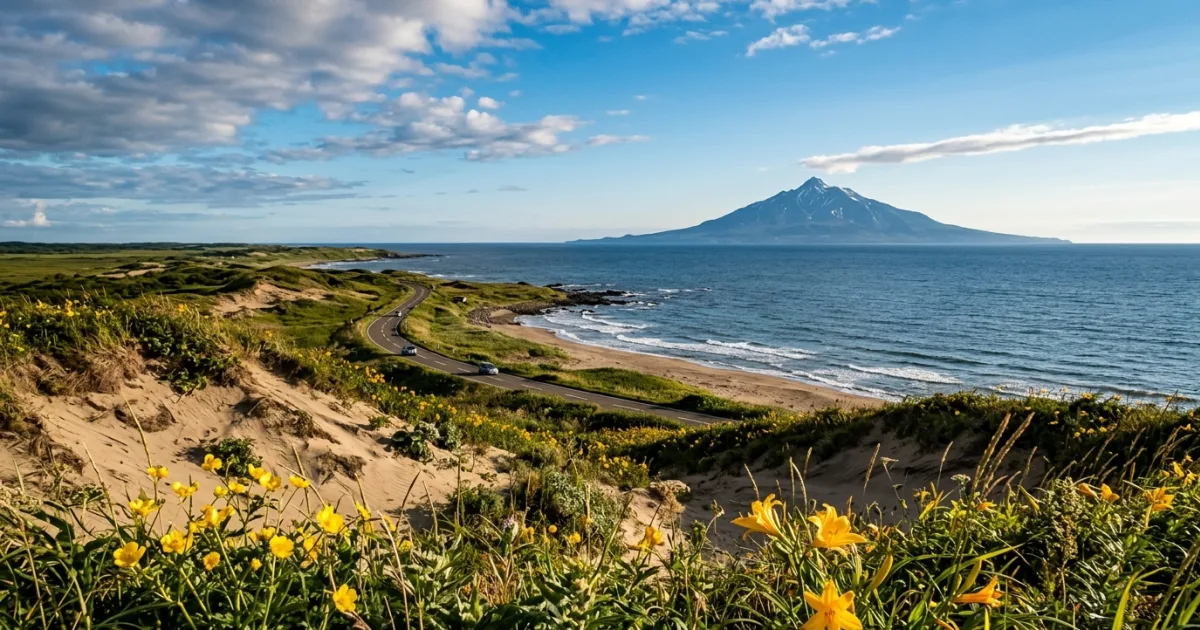
Panoramic view of Northern Hokkaido coast with Mount Rishiri in the distance

Northern Hokkaido Overview & Key Highlights

Northern Hokkaido encompasses the most remote, windswept stretches of Japan's northern frontier, stretching from the dramatic sea cliffs of Wakkanai and Cape Soya down through the pristine peatlands of Sarobetsu Plain and the offshore volcanic islands of Rishiri and Rebun. Defined by untamed coastal highways, deep sub-arctic pine forests, and unhurried onsen outposts, this northern territory offers an elemental contrast to Japan's dense megalopolises. Travelers encounter immense coastal vistas across the Sea of Japan and the Sea of Okhotsk, where Russian Sakhalin appears on clear days. Exploring this expanse demands a slower cadence dictated by dramatic weather, winding country routes, and seasonal ferries. Summers reveal alpine wildflower meadows blooming at sea level and cooler maritime breezes, while winters transform the terrain into an icy wonderland sculpted by drifting sea pack ice and howling blizzards. Culinary highlights revolve around unmatched seafood harvests, notably Rishiri kelp, pristine sea urchin, and giant scallops sourced directly from small fishing harbors.

Northern Hokkaido Travel Guide: Logistics & In-Depth Tips

Northern Hokkaido represents Japan at its most expansive and untamed. Dominated by the Soya subprefecture and bordered by both the Sea of Japan and the Sea of Okhotsk, this vast geographical shelf feels worlds apart from the neon grids of Tokyo or the manicured temples of Kyoto. Here, long, straight roads like the Ororon Line track along sand dunes and towering wind turbines, meeting coastal vistas where rugged capes reach out toward sub-arctic waters.

The cultural rhythm of the region is inextricably tied to coastal fishing, kelp harvesting, and seasonal rhythms. Travelers journey here to witness the dramatic volcanic cone of Mount Rishiri rising straight out of the ocean, trek along the cliffside paths of Rebun Island, and stand at Cape Soya, the northernmost point of Japan. Whether soaking in an elemental seaside onsen or driving through the desolate marshlands of Sarobetsu, Northern Hokkaido offers profound solitude and raw natural beauty.

Reasons to Visit

  • Standing at Cape Soya, the definitive northernmost point of Japanese territory overlooking the Soya Strait.
  • Trekking the floral paths of Rebun Island, known as the 'Island of Flowers' for its unique sea-level alpine ecosystem.
  • Driving the scenic Ororon Line along coastal dunes flanked by colossal offshore wind turbines.
  • Tasting the world's freshest Ezo bafun sea urchin and giant scallops straight from fishing boats.
  • Immersion in secluded, high-mineral hot spring towns surrounded by sub-arctic wilderness.

Things to Avoid

  • Avoid attempting remote coastal drives in winter without winter driving experience and a four-wheel-drive vehicle equipped with studless snow tires.
  • Do not rely exclusively on credit cards; rural vendors and port ticket booths routinely require Japanese Yen.
  • Avoid stepping off designated boardwalks in Sarobetsu Wetland to protect delicate peat moss that takes centuries to form.
  • Do not underestimate sudden sea fog and squalls when hiking Mount Rishiri or coastal ridges.

Local Transportation Tips

Personal car rental is the most effective and practical method for traveling through Northern Hokkaido. Roads are well-paved, clearly signposted with English and Japanese, and experience minimal congestion outside of Wakkanai center. The JR Soya Main Line links Asahikawa to Wakkanai, but runs limited express trains only a couple of times daily. Reaching Rishiri and Rebun Islands requires boarding the reliable car and passenger ferries operated by Heart Land Ferry from Wakkanai Port.

Travel Etiquette

  • Remove outdoor shoes before stepping onto tatami mats in rural ryokan and minshuku inns.
  • Wash and rinse thoroughly at the sit-down wash stations before stepping into communal onsen baths, and keep small modesty towels out of the water.
  • Tread lightly on coastal island trails and pack out all personal trash, as disposal infrastructure is minimal in wilderness preserves.
  • Ask permission before photographing local fishermen or drying kelp racks in working harbors.

Recommended Age Group

Northern Hokkaido offers diverse rewards, though logistics and rugged conditions dictate how suitable it is for different generations.

  • Babies (0-2 years): Not Recommended. Long driving distances, sparse medical facilities, and unpredictable weather make travel demanding for infants.
  • Kids (3-12 years): Neutral. Children fascinated by maritime nature, wildlife spotting, and wide-open beaches will enjoy the area, though extended drives require planning.
  • Teens (13-19 years): Recommended. Outdoor pursuits, coastal cycling, camping, and island hiking provide stimulating adventures for active adolescents.
  • Adults (20-64 years): Recommended. An exceptional destination for road-trippers, culinary enthusiasts, hikers, and travelers seeking off-grid serenity.
  • Seniors (65+ years): Recommended. Mature travelers will appreciate tranquil hot springs, scenic coastal driving loops, comfortable ferries, and fresh gastronomy at an unhurried pace.

Accessibility Level: Medium

  • Main transportation hubs like Wakkanai Station and major ferry terminals offer modern elevators, accessible restrooms, and level boarding paths.
  • Boardwalks at Sarobetsu Wetland Center feature barrier-free, flat wooden decking suitable for wheelchairs and strollers.
  • Traditional minshuku and rural guesthouses frequently have elevated entryways, stairs, and lack barrier-free bathroom layouts.
  • Renting an accessible vehicle in Northern Hokkaido requires booking well in advance from major hubs like Asahikawa or Sapporo.

Did You Know?

Rishiri kombu kelp collected along Northern Hokkaido's rugged rocky shores is considered so premium that classical Kyoto dashi masters age it for years in humidity-controlled storehouses to maximize its savory depth.

Cool Statistics

  • Distance to Sakhalin, Russia from Cape Soya: approximately 43 kilometers (27 miles).
  • Height of Mount Rishiri (an oceanic stratovolcano): 1,721 meters above sea level.
  • Sarobetsu Plain covers roughly 20,000 hectares of high and low peat bogs.
  • Northern Hokkaido is home to over 300 distinct species of sub-arctic and alpine wildflowers.

Address:

Northern Hokkaido, Japan

Find Nearby Accommodations

Basic Info

address icon

COUNTRY & Region

Japan,
Asia

ACCESSIBILITY LEVEL​

Medium
Currency icon

LOCAL CURRENCY​

Japanese Yen (JPY)
Price level icon
Medium
Safety Level icon

SAFETY LEVEL

Duration icon

Recommended Duration

• 1-7 days
• More than a week

Electricity

electricity icon

Electricity

100-110V, 
50Hz
Plug Socket icon

Plug Type

• Type A (Flat blade)
• Type B (Flat blade with grounding pin)
Plug types
Click To View Plug Types
Northern Hokkaido is part of our
Coolcation collection

Things To Do In Northern Hokkaido

Total: 3

Activities To Do In Northern Hokkaido

Best Time To Visit Northern Hokkaido

Northern Hokkaido experiences distinct sub-arctic seasons, with summer and early autumn offering prime conditions for coastal road-tripping and alpine hiking, while mid-winter caters strictly to extreme snow enthusiasts.

  • June to August: Peak season for alpine wildflowers on Rishiri and Rebun, prime sea urchin harvesting, and comfortable temperatures averaging 18°C to 22°C.
  • September to October: Crisp autumn foliage across the inland river valleys, calm driving conditions, and migrating salmon runs.
  • December to March: Sub-zero winter landscape with heavy snowfall, frozen seas, and serene winter onsen, requiring expert winter driving skills or reliance on rural trains.

Average Temperatures Per Month

Remember to check the weather forecast a few days before the trip and before heading to the airport.

Safety Level icon

Safety Level

Northern Hokkaido is exceptionally safe regarding violent crime and theft, matching Japan's high nationwide security levels. Primary hazards are environmental: severe black ice on unlit winter roadways, dense sea fog along coastal route 106, sudden maritime squalls on exposed island ridges, and occasional brown bear encounters in inland wooded valleys. Always keep vehicle fuel tanks above half-capacity due to vast distances between rural filling stations.

The rating is based on multi-year peace, crime, and security indices. Before you go, always verify current conditions through official government travel advisories.

Emergency Numbers

Police: 110
Ambulance: 119

No internet needed • Includes local translations • Free for TravelingWiz readers

Spoken Languages

Japanese (Standard & Hokkaido dialect); limited English outside primary transit terminals.

Learn The Language

  • Konnichiwa – Hello
  • Arigatou gozaimasu – Thank you very much
  • Sumimasen – Excuse me / Pardon
  • Kore wa ikura desu ka? – How much is this?
  • Eigo ga hanasemasu ka? – Can you speak English?
  • Tasukete kudasai – Please help me
  • O-kaikei o onegaishimasu – Check, please
  • Onsen wa doko desu ka? – Where is the hot spring?
Travel Booking Partner - TravelingWiz

Trip Cost & Budgeting for Northern Hokkaido, 2026

Everything you need to know about money while traveling
Is Northern Hokkaido expensive for tourists in 2026? Northern Hokkaido offers a moderately priced travel experience compared to Japan's major metropolitan areas. You can expect to pay around 500 yen for a cappuccino, 600 yen for a pint of domestic beer, and 2,500 yen for a main meal at a mid-range restaurant. These Human Verified prices reflect regional rates for lodging, dining, and transit. Use the data table below to calculate your specific daily budget based on your travel style.
Currency icon

LOCAL CURRENCY​:

Japanese Yen (JPY)
Price level icon
Medium
While hotels and major stores accept cards, small rural vendors, local buses, and shrines require cash.

Per person, per day – pocket cash for small purchases.

Local: 2200
Japanese Yen (JPY)
≈ 14 USD

Full daily spend estimation (accommodation, food, transportation, attractions).

Travel Style
Japanese Yen (JPY)
≈ USD ($)
Budget
12100
77
Mid-range
22000
139
Comfort
48400
307

The Prices, Daily costs, and calculator results are estimates for planning purposes only. Actual costs may vary based on season, booking timing, personal spending habits, and currency fluctuations. TravelingWiz cannot be held responsible for discrepancies between these estimates and your final trip expenses.

  • • Purchase a Hokkaido Rail Pass or regional bus pass to significantly reduce intercity transit expenses across vast distances.
  • • Eat lunch at local ramen shops or izakayas where lunch sets (teishoku) offer hearty portions at a fraction of dinner prices.
  • • Utilize convenience stores like Seicomart, Hokkaido's iconic local chain, for cheap, high-quality prepared meals and snacks.
  • • Travel during shoulder seasons like late spring or autumn to avoid peak winter ski season and summer flower peak accommodation markups.

Pre-Order Tickets

Avoid disappointment when tickets sell out — and skip the long lines by booking online in advance. You’ll often save up to 20% too.
Save up to 20%

Travel Discounts & Coupons

Save on hotels, attractions, transport, and gear — find verified discounts for smarter travel spending.
Verified Coupons

What To Pack

  • Windproof and waterproof outer shell jacket (coastal squalls occur year-round)
  • Thermal base layers and wool socks, even for high-elevation summer treks
  • Sturdy, waterproof hiking boots with Vibram or deep-tread rubber soles
  • Sturdy International Driving Permit (essential for car rental navigation)
  • Cash reserve in Japanese Yen (rural stalls and small ferries rarely accept cards)
  • Insect repellent and protective head net for summer peatland trails
  • Portable battery pack to withstand cold battery drain on extended scenic drives
We couldn't find tips for Northern Hokkaido.
If you got any, please share

Recommended Itineraries for Traveling to Northern Hokkaido

We couldn't find itineraries for Northern Hokkaido.
you can contact us for custom trip plan

Food & Drink Highlights

Local Food Overview

Gastronomy in Northern Hokkaido is anchored by the cold, nutrient-dense waters of the Northern Pacific, the Sea of Okhotsk, and the Sea of Japan. The marine terroir produces Rishiri kombu—a rich, umami-laden kelp revered by Michelin-starred dashi masters across Japan—alongside sweet Ezo bafun uni (sea urchin) that feeds directly upon it. Inland culinary offerings highlight rich dairy milk from Sarobetsu dairy pastures, hearty mutton Genghis Khan barbecue, and soba buckwheat noodles grown in the cool soils of Horokanai.
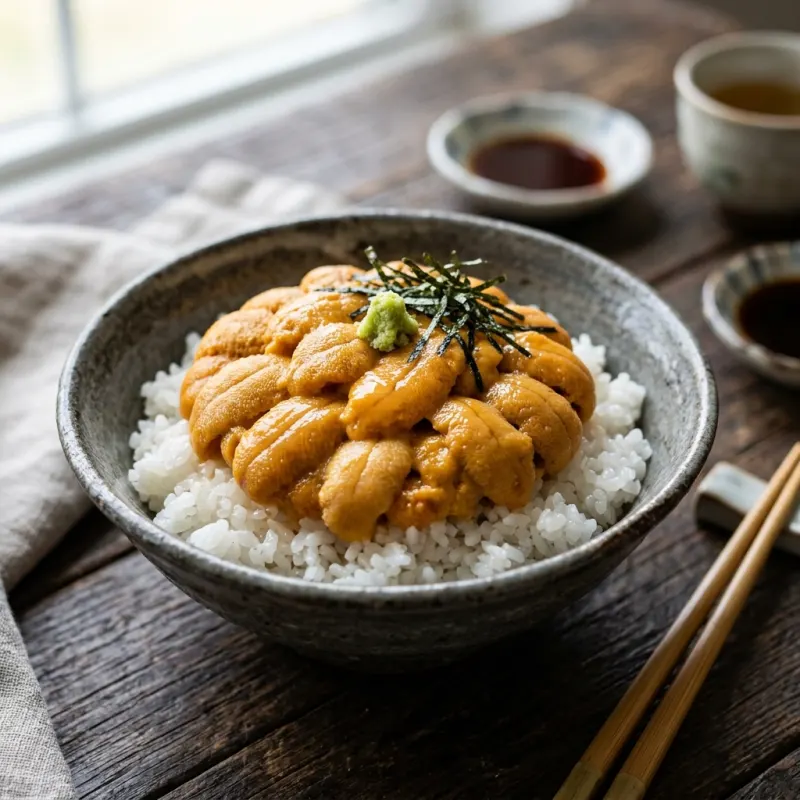
Bowl of fresh golden sea urchin uni don Northern Hokkaido

Must Try Dish

Rishiri Uni Don - A lavish bowl of steamed Japanese rice blanketed entirely with sweet, creamy raw sea urchin caught off Rishiri Island. The uni carries a distinctive mineral sweetness derived from feeding exclusively on nutrient-packed Rishiri kelp.
Food Experiences Title Icon

Food
Experiences

Discover cooking classes, tastings and local food tours

No food experience found
Maya, the human travel expert at TravelingWiz, offering curated, non-AI expertise

Maya’s Final Checklist for Northern Hokkaido

Logistics shouldn’t be the focus of your trip—the experience should. I’ve hand-vetted these essential partners to ensure your arrival, stay, and exploration are as smooth as an Athenian breeze.

Where to Stay

From boutique hotels to local apartments—compare thousands of options and find the perfect stay in the best neighborhood.

Air Travel

Getting there should be seamless. Compare the best routes and prices across top airlines to start your journey on the right note.

Local Guides

Connect with experts who know the destination best. Get personalized advice and insider tips to help you plan your perfect trip.

Travel Protection

The “Engineer’s” rule: always have a backup. Secure your trip with a plan that covers every “what if” and unexpected change.

Car Rentals

Explore at your own pace with total freedom. Compare reliable rental options and find the right vehicle for your adventure.

Visa Services

Don’t let paperwork slow you down. Get expert assistance with your application to ensure all your entry documents are in order.

FAQs

Yes, renting a vehicle is strongly recommended. Train lines like the JR Soya Main Line operate very few services daily, and regional buses running to remote capes and coastal settlements are infrequent.
Yes, on clear days, the southern coastline of Sakhalin Island (Russia) is visible across the Soya Strait, located roughly 43 kilometers away.
Peak blooming season runs from early June through late July, when rare alpine flora blanket the coastal hillsides and mountain passes.
Winter driving requires experience with severe blizzards, whiteouts, and deep snowpack. Travelers unfamiliar with heavy ice and snow should consider guided tours or public transport during winter.

Your Insights Matter

TravelingWiz grows through the stories of our community. If you’ve recently explored ,Northern Hokkaido share your tips and stories to help us perfect our guides for the next traveler.

Related Articles

Check out our related articles and blog posts to learn even more about the destination.

No related articles found

Don’t Travel Alone

Share with your friends and family

Where should we send your offline card?

We hate spam just as much as you do

newsletter_consent *