Disclosure: This site contains affiliate links. We may earn a commission if you make a purchase, at no extra cost to you.

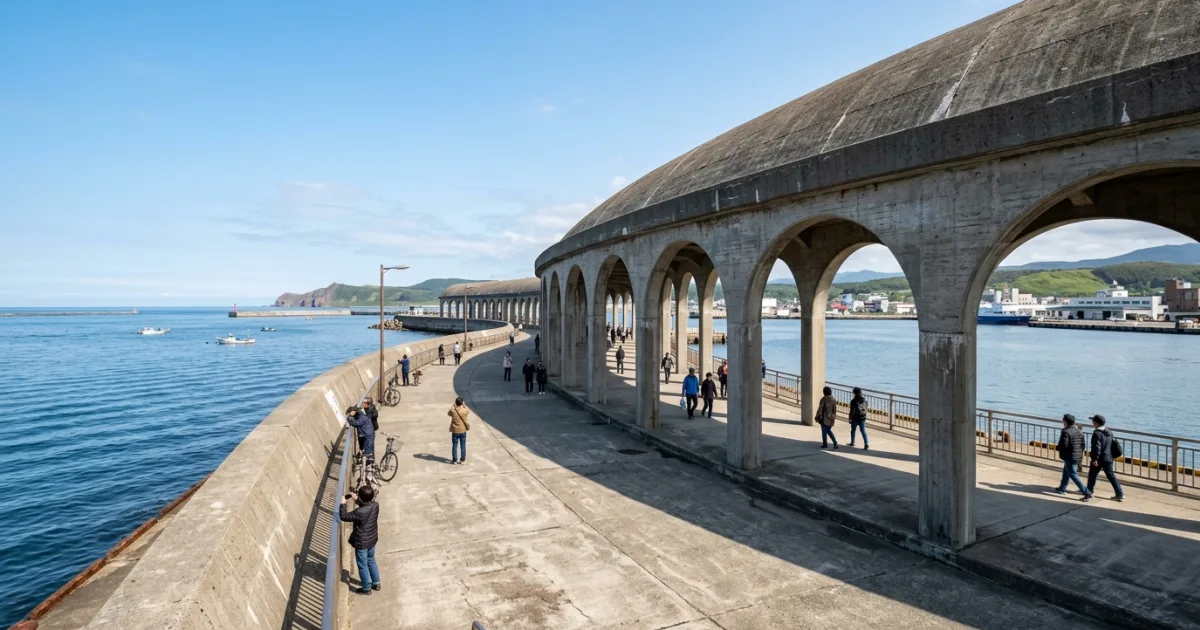
The arched colonnade of the Wakkanai Port North Breakwater Dome under a clear sky in Hokkaido, Japan.

Wakkanai Overview & Key Highlights

Wakkanai stands as Japan's northernmost city, perched dramatically on the edge of the Sea of Okhotsk and the Sea of Japan. Famed for its brisk winds, stark coastal vistas, and historical ties to the Russian island of Sakhalin, the city offers an austere beauty distinct from the rest of the archipelago. Key highlights include Cape Soya, the absolute northern tip of the nation, and the imposing Wakkanai Port North Breakwater Dome, an architectural marvel built in the 1930s to shield travelers from gale-force waves. Beyond its geographical superlatives, Wakkanai serves as the prime gateway to the wilderness islands of Rishiri and Rebun. Summer draws road-trippers and cyclists seeking cool maritime breezes, fields of coastal wildflowers, and pristine seafood such as wild-harvested kombu and sweet sea urchin. In winter, the city shifts into a tranquil, snow-swept frontier where drift ice occasionally grazes the outer shores, offering intrepid visitors an authentic glimpse of Hokkaido's subarctic fringe.

Wakkanai Travel Guide: Logistics & In-Depth Tips

Wakkanai occupies a singular place in Japanese geography as the northernmost administrative city in the country. Situated on the northwestern tip of Hokkaido, it has historically functioned as an active trading harbor and transportation hub connecting the mainland to Sakhalin and the remote northern islands. Its dramatic maritime position produces distinct weather patterns, including steady westerly winds and sea breezes that keep average summer highs comfortably cool compared to southern Japan.

Visitors are drawn to its vast coastal landscapes, such as Cape Soya, where the iconic triangular monument marks the exact northernmost land point of Japan. The urban fabric includes the colossal Wakkanai Port North Breakwater Dome, built with classical Romanesque-inspired colonnades, as well as serene parks and hills offering panoramic views across the Soya Strait. For travelers embarking on expeditions to Rishiri-Rebun-Sarobetsu National Park, Wakkanai remains the essential staging point.

Reasons to Visit

  • Stand at Cape Soya, the official northernmost tip of Japan.
  • Escape scorching summer heat with naturally cool subarctic maritime weather.
  • Admire the unique arched architecture of the Wakkanai Port North Breakwater Dome.
  • Savor cold-water seafood specialties like octopus shabu-shabu and Rishiri kelp ramen.
  • Access direct passenger ferries to the alpine flower paradise of Rebun and the volcanic peak of Rishiri.

Things to Avoid

  • Avoid relying solely on credit cards; many local shops, smaller bus routes, and markets take cash only.
  • Do not travel in winter without flexible itinerary buffers, as snowstorms frequently delay trains and flights.
  • Avoid underestimating coastal winds at Capes Soya and Noshappu; sturdy outer layers are necessary even on sunny days.
  • Do not arrive at ferry terminals without checking sea condition advisories during stormy weather.

Local Transportation Tips

Wakkanai is served by JR Wakkanai Station, the northern terminus of Japan's rail network. Local transit relies on the Soya Bus network, which connects the train station with Wakkanai Airport, Cape Noshappu, and Cape Soya; timed bus passes are recommended. For broad exploration of northern Hokkaido's coastal roads, renting a car near the station or airport offers the highest degree of flexibility.

Travel Etiquette

  • Follow standard Japanese onsen rules by thoroughly washing and rinsing before entering public bath waters.
  • Carry personal trash with you until you find designated sorting receptacles, as public street bins are rare.
  • Exercise caution and respect when photographing around fishing harbors and active fish markets.

Recommended Age Group

Wakkanai offers distinct advantages depending on traveler mobility and interest in remote nature.

  • Babies (0-2 years): Neutral. Long travel distances and brisk coastal winds can be demanding for infants, though hospitality facilities are clean.
  • Kids (3-12 years): Neutral. Outdoor capes and parks provide open space, but there are limited conventional theme parks or child-focused attractions.
  • Teens (13-19 years): Recommended. Geographic superlatives, ferry trips, and road trips offer appealing adventure potential.
  • Adults (20-64 years): Recommended. Exceptional seafood, open driving routes, and historical sites make it highly rewarding for independent travelers.
  • Seniors (65+ years): Recommended. Gentle coastal terrain, unhurried pacing, and comfortable hot spring resorts suit mature visitors well.

Accessibility Level: Medium

  • Wakkanai Station and the adjacent bus terminal feature step-free entrances, elevators, and accessible multi-purpose restrooms.
  • The promenade at the Wakkanai Port North Breakwater Dome is paved and level, allowing easy wheelchair navigation.
  • Cape Soya features paved walkways around the monument, though some grassy memorial hills require traversing inclines.
  • Heartland Ferry vessels connecting to Rishiri and Rebun provide barrier-free seating and elevator access on newer ships.

Did You Know?

Wakkanai's name derives from the indigenous Ainu phrase 'Yam-wakka-nay', which translates to 'cold water river'.

Cool Statistics

  • Cape Soya lies just 43 kilometers (27 miles) from Russia's Sakhalin Island.
  • The Wakkanai Port North Breakwater Dome stretches 427 meters long and features 70 arched pillars.
  • Wakkanai is the windiest city in Japan, with an annual average wind speed exceeding 4.5 meters per second.


Address:

Wakkanai, Hokkaido, Japan

Find Nearby Accommodations

Basic Info

address icon

COUNTRY & Region

Japan,
Asia

ACCESSIBILITY LEVEL​

Medium
Currency icon

LOCAL CURRENCY​

Japanese Yen (JPY)
Price level icon
Medium
Safety Level icon

SAFETY LEVEL

Duration icon

Recommended Duration

• 1-7 days
• Full day

Electricity

electricity icon

Electricity

100-110V, 
50Hz
Plug Socket icon

Plug Type

• Type A (Flat blade)
• Type B (Flat blade with grounding pin)
Plug types
Click To View Plug Types
Wakkanai is part of our
Coolcation collection

Activities To Do In Wakkanai

Best Time To Visit Wakkanai

Wakkanai features a subarctic marine climate characterized by cool summers and cold, snowy winters with steady winds.

  • June to August: Ideal for sightseeing, island hopping, and scenic road trips with average temperatures around 18°C to 22°C.
  • September to October: Crisp autumn days, thin crowds, and excellent seasonal seafood harvesting.
  • December to March: Snowscapes, quiet winter isolation, and cold winds; suitable for travelers seeking remote snowy frontiers.

Average Temperatures Per Month

Remember to check the weather forecast a few days before the trip and before heading to the airport.

Safety Level icon

Safety Level

Violent crime is practically nonexistent in Wakkanai. The principal safety concerns stem from sudden weather shifts, dense sea fog along coastal roads, and severe winter blizzards (whiteouts). If driving, remain alert for wild Yezo sika deer darting across highways, particularly at dusk.

The rating is based on multi-year peace, crime, and security indices. Before you go, always verify current conditions through official government travel advisories.

Emergency Numbers

Police: 110
Ambulance: 119

No internet needed • Includes local translations • Free for TravelingWiz readers

Spoken Languages

Japanese (limited English signage in major transit centers)

Learn The Language

  • Konnichiwa – Hello
  • Arigatou gozaimasu – Thank you very much
  • Sumimasen – Excuse me / Sorry
  • Kore wa ikura desu ka? – How much is this?
  • Eigo ga hanasemasu ka? – Do you speak English?
  • Tasukete kudasai – Please help me
  • Toire wa doko desu ka? – Where is the bathroom?
  • O-kaikei kudasai – The bill, please
Travel Booking Partner - TravelingWiz

Trip Cost & Budgeting for Wakkanai, 2026

Everything you need to know about money while traveling
Is Wakkanai expensive for tourists in 2026? Wakkanai offers moderate travel costs compared to major Japanese metropolitan areas, making it reasonable for visitors. Expect to pay around 400 JPY for a coffee, 600 JPY for a domestic beer, and 1,800 JPY for a standard restaurant meal. Based on Human Verified prices, accommodation and fresh regional seafood provide great overall value. Use the data table below to calculate your specific daily budget based on your travel style.
Currency icon

LOCAL CURRENCY​:

Japanese Yen (JPY)
Price level icon
Medium
Cards work at major hotels and stores, but carry cash for local buses, small seafood stalls, and rural sights.

Per person, per day – pocket cash for small purchases.

Local: 1650
Japanese Yen (JPY)
≈ 100 USD

Full daily spend estimation (accommodation, food, transportation, attractions).

Travel Style
Japanese Yen (JPY)
≈ USD ($)
Budget
9100
57
Mid-range
16500
115
Comfort
36300
240

The Prices, Daily costs, and calculator results are estimates for planning purposes only. Actual costs may vary based on season, booking timing, personal spending habits, and currency fluctuations. TravelingWiz cannot be held responsible for discrepancies between these estimates and your final trip expenses.

  • • Purchase a Soya Bus day pass if visiting Cape Soya to save significantly on individual bus fares.
  • • Eat fresh regional seafood at harbour markets or station teishoku diners for high quality at moderate prices.
  • • Buy breakfast and snacks at local Seicomart convenience stores, famous across Hokkaido for cheap warm meal boxes.
  • • Use a JR Hokkaido Rail Pass if travelling by train, as long-distance rail to Wakkanai is expensive.

Pre-Order Tickets

Avoid disappointment when tickets sell out — and skip the long lines by booking online in advance. You’ll often save up to 20% too.
Save up to 20%

Travel Discounts & Coupons

Save on hotels, attractions, transport, and gear — find verified discounts for smarter travel spending.
Verified Coupons

What To Pack

  • Windbreaker or windproof shell jacket (coastal gales are frequent year-round)
  • Thermal base layers and fleece (even summer evenings can drop below 15°C)
  • Sturdy walking shoes or hiking boots for exploring coastal bluffs
  • Slip-on shoes for visiting traditional ryokan and Japanese restaurants
  • Universal travel adapter (Type A/B compatible)
  • Motion sickness medication if boarding the ferry to Rishiri or Rebun islands
We couldn't find tips for Wakkanai.
If you got any, please share

Recommended Itineraries for Traveling to Wakkanai

We couldn't find itineraries for Wakkanai.
you can contact us for custom trip plan

Food & Drink Highlights

Local Food Overview

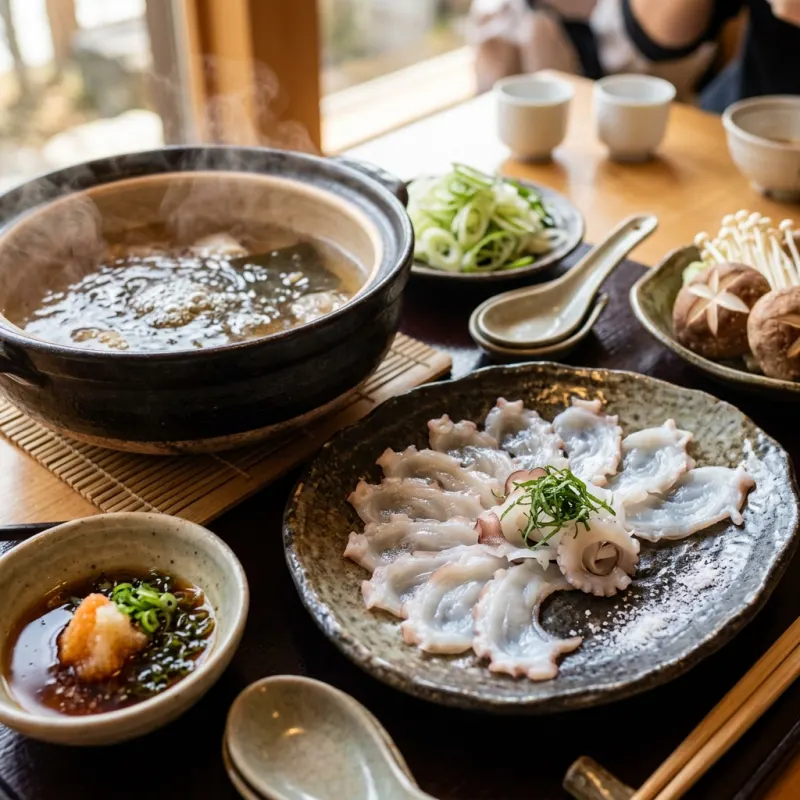
Wakkanai's cuisine revolves around cold-water bounty harvested from the convergent currents of two seas. Rishiri kelp (kombu) provides a umami-rich base for local broths, while octopus shabu-shabu (tako shabu) features paper-thin slices of giant Pacific octopus dipped briefly into simmering broth. Fresh botan shrimp, sea urchin, and Soya Black Beef raised on windswept pastures are staples of the northern palate.
Thin slices of raw octopus prepared for Japanese tako shabu hot pot with broth

Must Try Dish

Tako Shabu - Wafer-thin slices of locally harvested octopus quickly swirled through a savory kelp broth and dipped in citrus ponzu. The cooking method yields a remarkably tender texture that highlights the natural sweetness of subarctic seafood.
Food Experiences Title Icon

Food
Experiences

Discover cooking classes, tastings and local food tours

No food experience found
Maya, the human travel expert at TravelingWiz, offering curated, non-AI expertise

Maya’s Final Checklist for Wakkanai

Logistics shouldn’t be the focus of your trip—the experience should. I’ve hand-vetted these essential partners to ensure your arrival, stay, and exploration are as smooth as an Athenian breeze.

Where to Stay

From boutique hotels to local apartments—compare thousands of options and find the perfect stay in the best neighborhood.

Air Travel

Getting there should be seamless. Compare the best routes and prices across top airlines to start your journey on the right note.

Local Guides

Connect with experts who know the destination best. Get personalized advice and insider tips to help you plan your perfect trip.

Travel Protection

The “Engineer’s” rule: always have a backup. Secure your trip with a plan that covers every “what if” and unexpected change.

Car Rentals

Explore at your own pace with total freedom. Compare reliable rental options and find the right vehicle for your adventure.

Visa Services

Don’t let paperwork slow you down. Get expert assistance with your application to ensure all your entry documents are in order.

FAQs

Yes, on clear days, Cape Soya offers views across the Soya Strait to the island of Sakhalin, which lies approximately 43 kilometers away.
Direct flights operate seasonally from Tokyo Haneda to Wakkanai Airport, taking roughly two hours. Alternatively, fly to Sapporo and take the JR Soya Limited Express train (about five hours).
Winter appeals to those who enjoy stark snowscapes, quiet isolation, and occasional drift ice, though severe weather can disrupt flights and rail service.

Your Insights Matter

TravelingWiz grows through the stories of our community. If you’ve recently explored ,Wakkanai share your tips and stories to help us perfect our guides for the next traveler.

Related Articles

Check out our related articles and blog posts to learn even more about the destination.

No related articles found

Don’t Travel Alone

Share with your friends and family

Where should we send your offline card?

We hate spam just as much as you do

newsletter_consent *