Disclosure: This site contains affiliate links. We may earn a commission if you make a purchase, at no extra cost to you.

Matsumae Castle keep surrounded by blooming cherry blossom trees in Southern Hokkaido

Matsumae Overview & Key Highlights

Matsumae sits at the southernmost tip of Hokkaido, facing the Tsugaru Strait. As Hokkaido's sole castle town from the Edo period, it preserves a rare pocket of traditional samurai heritage against a rugged northern coastline. The centerpiece of the town is Matsumae Castle, originally constructed in 1606 and rebuilt in the 19th century, surrounded by expansive fortifications and tranquil temple precincts. Beyond its architectural lineage, Matsumae is renowned for Matsumae Park, home to over 10,000 cherry blossom trees representing roughly 250 distinct varieties. The staggered bloom extends from late April through mid-May, creating one of Japan's longest and most diverse hanami seasons. Visitors can stroll through historic temple paths, inspect classical defense ramparts, and sample coastal gastronomy centered around fresh sea catches and preserved delicacies.

Matsumae Travel Guide: Logistics & In-Depth Tips

Matsumae represents a fascinating chapter of Japanese history situated at the southwestern edge of the Oshima Peninsula. Unlike the rest of Hokkaido, which was developed extensively during the Meiji era, Matsumae has an established samurai history dating back to the late 16th century. It served as the stronghold of the Matsumae clan, who held trading monopolies granted by the Tokugawa shogunate over Ezo (modern-day Hokkaido).

Today, visitors come to explore the reconstructed three-story castle donjon, the authentic Edo-period stone walls, and the Teramachi temple district, where centuries-old wooden shrines evoke mainland Japan's classic architecture. The surrounding park boasts a scenic botanical sanctuary populated by over 10,000 cherry trees, framed by panoramic vistas looking out across the sea toward Aomori Prefecture.

Reasons to Visit

  • Hokkaido's only feudal castle keep and associated Edo-era military ramparts.
  • A cherry blossom festival spanning three distinct blooming phases across 250 species.
  • Historic Teramachi temple district featuring ancient pagodas and cemetery grounds.
  • Distinctive coastal culinary specialties including Matsumae-zuke and freshly caught squid.
  • Uncrowded rural escape offering insight into northern samurai defenses and merchant routes.

Things to Avoid

  • Avoid expecting high-frequency train links; passenger rail to Matsumae was discontinued, making buses or rental cars mandatory.
  • Do not travel without sufficient cash, as small local eateries and heritage booths do not accept electronic payments.
  • Avoid booking accommodations last minute during Golden Week and the height of sakura season.
  • Do not assume all castle interior exhibits are translated; use translation apps for deeper context on historical artifacts.

Local Transportation Tips

Public transportation within Matsumae is anchored by Hakodate Bus routes connecting the town center with Kikonai Station. Within the core town, major attractions including Matsumae Castle, Matsumae Park, and the Teramachi district are situated adjacent to one another and can be explored easily on foot. For visiting coastal lookouts or venturing further along the Oshima coastline, renting a car from Hakodate or Kikonai provides the greatest flexibility.

Travel Etiquette

  • Remove your shoes and place them in the provided shelves before stepping onto the tatami or wooden floors of temple halls and castle interiors.
  • Refrain from touching historical cherry blossom branches or spreading picnic tarps over exposed tree roots in Matsumae Park.
  • Carry trash with you until you find designated sorting receptacles, as public street bins are sparse.

Recommended Age Group

Matsumae offers an enriching, quiet cultural environment tailored best for travelers seeking heritage and nature.

  • Babies (0-2 years): Neutral. Gravel park grounds and historical castle steps can make stroller navigation somewhat challenging.
  • Kids (3-12 years): Neutral. Children may appreciate the wide open park green spaces, but the historical exhibitions are relatively quiet and scholarly.
  • Teens (13-19 years): Recommended. Fascinating for young travelers interested in samurai history, fortress architecture, and scenic coastal photography.
  • Adults (20-64 years): Recommended. Outstanding destination for cultural exploration, culinary traditions, and springtime botany walks.
  • Seniors (65+ years): Recommended. Highly rewarding for leisurely walking, historical learning, and peaceful garden contemplation, provided mild elevation gains are managed comfortably.

Accessibility Level: Medium

  • Matsumae Park features broad paved pathways, though certain sections involve packed gravel and moderate inclines.
  • The interior of Matsumae Castle keep contains steep traditional stairs that are not wheelchair accessible.
  • Public restrooms with accessible stalls are available near the main park parking facilities and museum reception areas.

Did You Know?

Matsumae Castle, historically known as Fukuyama Castle, was among the last traditional-style Japanese fortresses constructed under the Tokugawa shogunate, officially completed in 1854 to reinforce northern maritime defenses against foreign naval presence.

Cool Statistics

  • Home to over 10,000 cherry blossom trees spanning 250 varieties.
  • Features Hokkaido's sole Edo-period feudal castle compound.
  • Sits just 20 kilometers across the Tsugaru Strait from mainland Honshu's northern coast.

Address:

Matsumae, Japan

Find Nearby Accommodations

Basic Info

address icon

COUNTRY & Region

Japan,
Asia

ACCESSIBILITY LEVEL​

Medium
Currency icon

LOCAL CURRENCY​

Japanese Yen (JPY)
Price level icon
Medium
Safety Level icon

SAFETY LEVEL

Duration icon

Recommended Duration

• Full day
• 1-7 days

Electricity

electricity icon

Electricity

100-110V, 
50Hz
Plug Socket icon

Plug Type

• Type A (Flat blade)
• Type B (Flat blade with grounding pin)
Plug types
Click To View Plug Types
Matsumae is part of our
Culinary Heritage collection

Activities To Do In Matsumae

Best Time To Visit Matsumae

Matsumae experiences cold, snowy winters and mild, comfortable summers typical of Southern Hokkaido.

  • Late April to Mid-May: Prime cherry blossom season with staggered blooms across 250 cultivars.
  • June to August: Pleasantly cool summer weather ideal for coastal road trips and fortress walks.
  • September to October: Crisp autumn temperatures and colorful foliage across the temple grounds.
  • December to March: Heavy winter snow and limited outdoor accessibility, with many small facilities operating reduced hours.

Average Temperatures Per Month

Remember to check the weather forecast a few days before the trip and before heading to the airport.

Safety Level icon

Safety Level

Matsumae has virtually non-existent violent crime rates and is extremely secure for all travelers. Exercise caution along coastal sea walls during sudden gusts of wind off the Tsugaru Strait. In winter and early spring, look out for packed ice on shaded park walkways.

The rating is based on multi-year peace, crime, and security indices. Before you go, always verify current conditions through official government travel advisories.

Emergency Numbers

Police: 110
Ambulance: 119

No internet needed • Includes local translations • Free for TravelingWiz readers

Spoken Languages

Japanese. English comprehension is limited in rural facilities, though major signs feature romanized Japanese or English translations.

Learn The Language

  • Konnichiwa – Hello
  • Arigatou gozaimasu – Thank you very much
  • Sumimasen – Excuse me / Sorry
  • Kore wa ikura desu ka? – How much is this?
  • Eigo ga hanasemasu ka? – Do you speak English?
  • Matsumae-jou wa doko desu ka? – Where is Matsumae Castle?
  • O-kaikei kudasai – The bill, please
  • Tasukete kudasai – Please help me
Travel Booking Partner - TravelingWiz

Trip Cost & Budgeting for Matsumae, 2026

Everything you need to know about money while traveling
Is Matsumae expensive for tourists in 2026? Matsumae offers moderate costs compared to Japan's major metropolises. Travelers can expect to pay around 450 JPY for a coffee, 600 JPY for a domestic beer, and 2,000 JPY for a mid-range meal. Our Human Verified prices show that visiting this historic castle town is reasonably affordable. Use the data table below to calculate your specific daily budget based on your travel style.
Currency icon

LOCAL CURRENCY​:

Japanese Yen (JPY)
Price level icon
Medium
Cash is essential in Matsumae as small shops, local buses, and traditional ryokan often do not accept credit cards.

Per person, per day – pocket cash for small purchases.

Local: 2000
Japanese Yen (JPY)
≈ 100 USD

Full daily spend estimation (accommodation, food, transportation, attractions).

Travel Style
Japanese Yen (JPY)
≈ USD ($)
Budget
11000
57
Mid-range
20000
115
Comfort
44000
240

The Prices, Daily costs, and calculator results are estimates for planning purposes only. Actual costs may vary based on season, booking timing, personal spending habits, and currency fluctuations. TravelingWiz cannot be held responsible for discrepancies between these estimates and your final trip expenses.

  • • Take the local bus from Hakodate rather than taxis to save on regional transportation to Matsumae.
  • • Sample fresh local tuna and seafood sets at small town diners for great quality at fair prices.
  • • Visit outside peak cherry blossom weekends to secure more reasonable room rates at local ryokan.
  • • Buy combination admission tickets when exploring Matsumae Castle and the nearby historical park grounds.

Pre-Order Tickets

Avoid disappointment when tickets sell out — and skip the long lines by booking online in advance. You’ll often save up to 20% too.
Save up to 20%

Travel Discounts & Coupons

Save on hotels, attractions, transport, and gear — find verified discounts for smarter travel spending.
Verified Coupons

What To Pack

  • Windproof outer shell to mitigate coastal winds from the Tsugaru Strait.
  • Comfortable walking shoes with sturdy soles for gravel pathways inside Matsumae Park.
  • Portable battery pack for phones, as rural transit requires careful schedule tracking.
  • Layered clothing to adapt to rapid spring and autumn temperature shifts.
  • Slip-on shoes for frequent entry into traditional temple halls and ryokan interiors.
We couldn't find tips for Matsumae.
If you got any, please share

Recommended Itineraries for Traveling to Matsumae

We couldn't find itineraries for Matsumae.
you can contact us for custom trip plan

Food & Drink Highlights

Local Food Overview

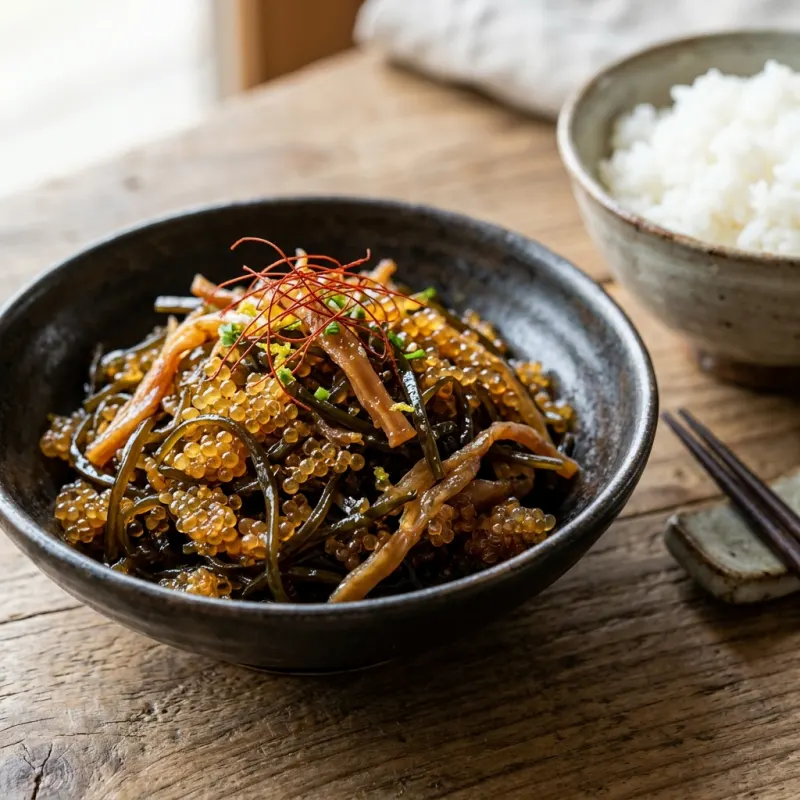
Gastronomy in Matsumae is grounded in rich marine harvests from the Tsugaru Strait and historic preservation methods developed by the Matsumae clan. Matsumae-zuke, a savory pickled blend of shredded kombu kelp, dried squid, and herring roe seasoned with soy sauce and mirin, is the defining specialty. The local port also yields prized Pacific bluefin tuna, fresh sea urchin, and seasonal spear squid.
Authentic Matsumae-zuke dish featuring kelp, squid, and herring roe in a traditional ceramic bowl

Must Try Dish

Matsumae-zuke - A classic preserved dish made with thin slivers of kombu kelp, dried squid, and seasoned herring roe steeped in soy sauce and sake. The combination yields an umami-rich, savory, and lightly sticky texture that pairs exceptionally well with hot steamed rice.
Food Experiences Title Icon

Food
Experiences

Discover cooking classes, tastings and local food tours

No food experience found
Maya, the human travel expert at TravelingWiz, offering curated, non-AI expertise

Maya’s Final Checklist for Matsumae

Logistics shouldn’t be the focus of your trip—the experience should. I’ve hand-vetted these essential partners to ensure your arrival, stay, and exploration are as smooth as an Athenian breeze.

Where to Stay

From boutique hotels to local apartments—compare thousands of options and find the perfect stay in the best neighborhood.

Air Travel

Getting there should be seamless. Compare the best routes and prices across top airlines to start your journey on the right note.

Local Guides

Connect with experts who know the destination best. Get personalized advice and insider tips to help you plan your perfect trip.

Travel Protection

The “Engineer’s” rule: always have a backup. Secure your trip with a plan that covers every “what if” and unexpected change.

Car Rentals

Explore at your own pace with total freedom. Compare reliable rental options and find the right vehicle for your adventure.

Visa Services

Don’t let paperwork slow you down. Get expert assistance with your application to ensure all your entry documents are in order.

FAQs

Take the South Hokkaido Railway or the Hokkaido Shinkansen to Kikonai Station (approx. 40 to 60 minutes). From Kikonai Station, board the Hakodate Bus bound for Matsumae, which takes roughly 90 minutes to arrive.
Matsumae Castle is the northernmost Japanese castle and the only traditional Edo-period castle ever built on the island of Hokkaido, serving as the seat of the Matsumae clan who managed trade and governance in the region.
Due to its vast collection of early, mid, and late-blooming cherry cultivars, the bloom period spans from late April through roughly mid-May, significantly longer than most sakura spots across mainland Japan.

Your Insights Matter

TravelingWiz grows through the stories of our community. If you’ve recently explored ,Matsumae share your tips and stories to help us perfect our guides for the next traveler.

Related Articles

Check out our related articles and blog posts to learn even more about the destination.

No related articles found

Don’t Travel Alone

Share with your friends and family

Where should we send your offline card?

We hate spam just as much as you do

newsletter_consent *