Disclosure: This site contains affiliate links. We may earn a commission if you make a purchase, at no extra cost to you.

>
>
>
>
Southern Hokkaido

Southern Hokkaido

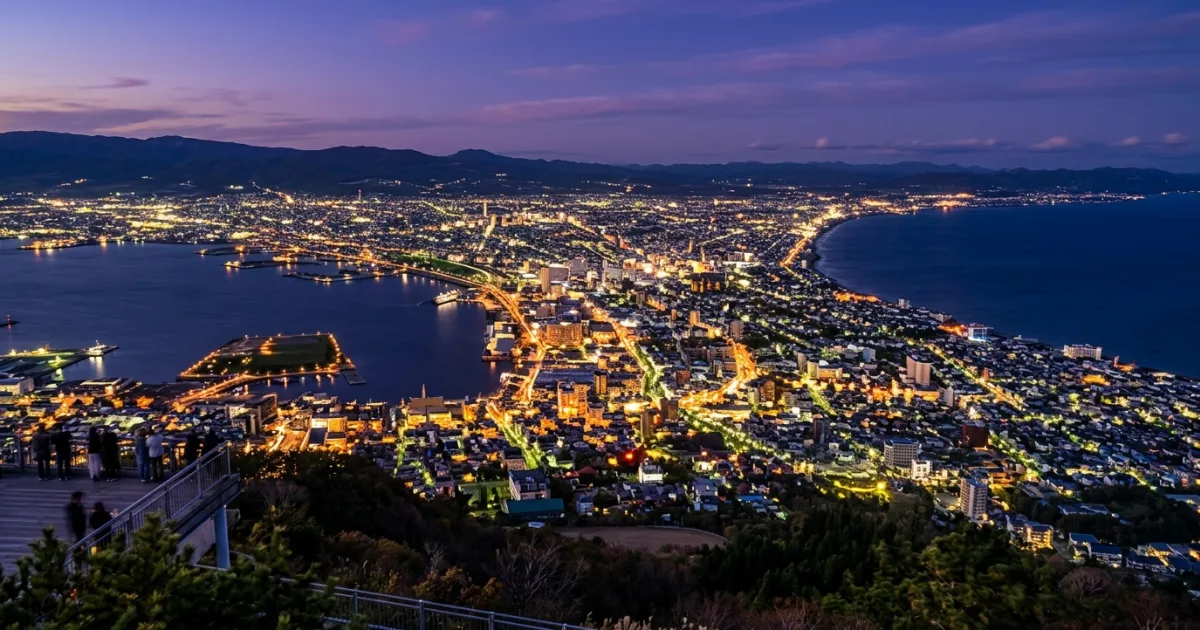
Panoramic nighttime view of Hakodate city isthmus from Mount Hakodate in Southern Hokkaido

Southern Hokkaido Overview & Key Highlights

Southern Hokkaido, historically known as the Oshima and Hiyama subprefectures and anchored by the international port city of Hakodate, serves as the historic and cultural gateway to Japan's northernmost main island. Flanked by the nutrient-rich waters of the Tsugaru Strait and Uchiura Bay, the region combines samurai heritage and late Edo-period western architecture with volcanic mountains, crater lakes, and steaming seaside geothermal springs. Travel to the area is straightforward thanks to the Hokkaido Shinkansen bullet train, which links Tokyo directly to Shin-Hakodate-Hokuto Station through the underwater Seikan Tunnel. Beyond urban Hakodate's iconic star-shaped Goryokaku fortress and its celebrated three-star night vista, the countryside unfolds into peaceful pastoral retreats. Travelers can explore the tranquil shores of Onuma Quasi-National Park beneath the jagged peak of Mount Komagatake, discover feudal defense structures at Matsumae Castle, and indulge in hot mineral baths at Yunokawa Onsen. Renowned for pristine squid, sea urchin, and delicate kelp, Southern Hokkaido delivers an accessible, temperate, and food-centric travel experience that balances historical discovery with natural splendor.

Southern Hokkaido Travel Guide: Logistics & In-Depth Tips

Southern Hokkaido occupies a unique cultural and ecological position within Japan. Serving as the primary bridgehead between the main island of Honshu and the northern wilderness of Hokkaido, the area showcases architectural and cultural layers found nowhere else in the prefecture. The Motomachi district in Hakodate preserves 19th-century Western consulates, Russian Orthodox churches, and Japanese merchant houses, demonstrating how this harbor town served as one of Japan's earliest international treaty ports alongside Yokohama and Nagasaki.

Geographically dominated by the volcanic Oshima Peninsula, the landscape shifts rapidly from dramatic coastal cliffs to serene caldera lakes and fertile agricultural plains. Mount Komagatake towers over the island-dotted waters of Lake Onuma, offering quiet hiking, canoeing, and cycling trails just a short train ride north of the urban core. Thermal activity is abundant throughout the region, fueling seaside bathing districts like Yunokawa, where visitors can relax in mineral waters while fishing boats illuminate the distant horizon at dusk.

Reasons to Visit

  • Mount Hakodate Night View: Witness one of Japan's top three night panoramas, featuring a dazzling hourglass-shaped city illuminated between two sweeping ocean bays.
  • Goryokaku Star Fortress: Walk through the historic five-pointed star fortress that hosted the final battle of the Boshin War, encircled by over 1,500 cherry blossom trees.
  • Unmatched Seafood Heritage: Savor morning-caught squid so fresh it remains translucent, alongside world-renowned local scallops and sea urchin.
  • Onuma Quasi-National Park: Cycle around interconnected volcanic lakes dotted with tiny islets connected by picturesque footbridges.
  • Historic Matsumae Castle: Explore the only Edo-period Japanese castle constructed on the island of Hokkaido, complete with deep samurai heritage.

Things to Avoid

  • Avoid arriving at the Mount Hakodate Ropeway right at sunset during peak summer and autumn weekends without expecting long queues; arrive 45 minutes early for a comfortable viewpoint.
  • Avoid relying exclusively on credit cards when exploring traditional morning markets or smaller coastal towns like Shikabe and Esashi.
  • Avoid wearing shoes with smooth, non-grooved soles during the winter months, as icy pavements near port areas can become extremely slippery.
  • Avoid missing the last connecting train between Shin-Hakodate-Hokuto and Hakodate Station late in the evening if arriving via the Shinkansen.

Local Transportation Tips

The Hakodate City Tram network provides the easiest and most picturesque way to travel between major urban sights, including Hakodate Station, the Motomachi historical district, Goryokaku Park, and the Yunokawa Onsen area. JR Hokkaido operates frequent local and limited express trains linking Hakodate north toward Shin-Hakodate-Hokuto, Onuma-Koen Station, and Mori. For comprehensive exploration of the rugged southern peninsulas and rural hot springs, rental car desks are available at Hakodate Airport and Hakodate Station.

Travel Etiquette

  • Always rinse and wash your body thoroughly with soap before entering shared communal baths at ryokan and onsen resorts.
  • Tipping is not customary in Japan; service charges are built into bills, and leaving extra money on tables may lead staff to chase after you to return forgotten cash.
  • Keep voices down and refrain from phone calls when riding streetcars and regional trains.
  • Do not walk while eating street food; finish snacks near the vendor or stand aside to dispose of waste properly in provided bins.

Recommended Age Group

Southern Hokkaido offers balanced transit networks, mild weather, and compact sightseeing routes that accommodate travelers of all generations comfortably.

  • Babies (0-2 years): Neutral. While cities like Hakodate feature paved walkways and accessible trams, rolling strollers across historic cobblestone streets in Motomachi and gravel paths around castle grounds can require extra physical effort.
  • Kids (3-12 years): Recommended. Children will love the retro streetcars, riding the Mount Hakodate ropeway cable car, renting family tandem bikes around Lake Onuma, and dining at quirky local burger spot Lucky Pierrot.
  • Teens (13-19 years): Recommended. Teenagers will appreciate the historical samurai lore, scenic photo backdrops, vibrant morning markets, and engaging coastal outdoor activities like canoeing and cycling.
  • Adults (20-64 years): Recommended. Perfect for road trippers, culinary travelers, and culture enthusiasts seeking tranquil hot spring ryokans, artisan coffee houses, microbreweries, and exceptional seafood markets.
  • Seniors (65+ years): Recommended. Smooth transportation on the Shinkansen, barrier-free tram services, therapeutic thermal baths, and gently paced scenic parks make Southern Hokkaido an ideal destination for mature travelers.

Accessibility Level: Medium

  • Modern transit hubs like Shin-Hakodate-Hokuto Station and Hakodate Station offer full barrier-free elevator access, tactile paving, and accessible multi-purpose restrooms.
  • Hakodate City Tram operates several low-floor, wheelchair-accessible trams on both primary routes; schedules indicate accessible departures.
  • The Mount Hakodate Ropeway terminal and observation deck provide step-free ramp access and dedicated elevators for visitors with reduced mobility.
  • Goryokaku Tower features modern, high-speed elevator access to 360-degree observation decks overlooking the star fortress with zero-step pathways throughout the main complex.

Did You Know?

Fort Goryokaku in Hakodate served as the administrative headquarters for the short-lived Republic of Ezo in 1869, the only republic ever proclaimed on Japanese soil, founded by former Tokugawa shogunate loyalists and French military advisors.

Cool Statistics

  • Mount Hakodate stands at an elevation of 334 meters (1,096 feet), offering an internationally acclaimed three-star Michelin Green Guide night view.
  • Fort Goryokaku features over 1,500 Somei Yoshino cherry blossom trees lining its historic star-shaped moats.
  • The Seikan Tunnel, connecting Southern Hokkaido to Honshu beneath the Tsugaru Strait, spans 53.85 kilometers (33.46 miles), making it one of the world's longest undersea rail tunnels.


Address:

Southern Hokkaido, Japan

Find Nearby Accommodations

Basic Info

address icon

COUNTRY & Region

Japan,
Asia

ACCESSIBILITY LEVEL​

Medium
Currency icon

LOCAL CURRENCY​

Japanese Yen (JPY)
Price level icon
Medium
Safety Level icon

SAFETY LEVEL

Duration icon

Recommended Duration

• 1-7 days
• More than a week

Electricity

electricity icon

Electricity

100-110V, 
50Hz
Plug Socket icon

Plug Type

• Type A (Flat blade)
• Type B (Flat blade with grounding pin)
Plug types
Click To View Plug Types
Southern Hokkaido is part of our
Coolcation collection

Things To Do In Southern Hokkaido

Total: 1

Activities To Do In Southern Hokkaido

Best Time To Visit Southern Hokkaido

Southern Hokkaido features a milder climate than northern and central Hokkaido, making it an enticing four-season travel destination with distinct regional draws.

  • Spring (Late April to May): Peak season for cherry blossom viewing at Goryokaku Park and Matsumae Castle Park, offering crisp temperatures and blooming landscapes.
  • Summer (June to August): Ideal for travelers seeking coolcation weather away from mainland Japan's humid heat, characterized by mild breezes, seafood festivals, and outdoor canoeing.
  • Autumn (September to November): Breathtaking foliage encircles Lake Onuma and Mount Hakodate, accompanied by pleasant daytime temperatures and the peak harvest season for regional seafood and apples.
  • Winter (December to March): Coastal snowfall transforms traditional streets and fortresses into winter wonderlands, perfectly matched with steaming thermal onsen and illuminated city vistas.

Average Temperatures Per Month

Remember to check the weather forecast a few days before the trip and before heading to the airport.

Safety Level icon

Safety Level

Southern Hokkaido has exceptionally low crime rates, making solo travel and nighttime walks secure. In winter months, exercise caution when walking on untreated icy sidewalks and packed snow slopes; slip-on rubber shoe spikes (suberidome) can be purchased cheaply at local convenience stores. When hiking in forested foothills or national parks, stay on marked trails and heed local signage regarding seasonal black bear activity.

The rating is based on multi-year peace, crime, and security indices. Before you go, always verify current conditions through official government travel advisories.

Emergency Numbers

Police: 110
Ambulance: 119

No internet needed • Includes local translations • Free for TravelingWiz readers

Spoken Languages

Japanese. Basic English is understood in major train stations, hotels, and primary tourist attractions.

Learn The Language

  • Konnichiwa: Hello / Good afternoon
  • Arigatou gozaimasu: Thank you very much
  • Sumimasen: Excuse me / Pardon me
  • Kore wa ikura desu ka?: How much is this?
  • O-kaikei o onegai shimasu: The check / bill, please
  • Eigo ga hanasemasu ka?: Do you speak English?
  • Tasukete kudasai: Please help me
  • Koko wa doko desu ka?: Where is this place?
Travel Booking Partner - TravelingWiz

Trip Cost & Budgeting for Southern Hokkaido, 2026

Everything you need to know about money while traveling
Is Southern Hokkaido expensive for tourists in 2026? Southern Hokkaido offers moderate prices for travelers visiting Japan. Based on Human Verified prices, expect to pay around 630 JPY for a cappuccino, 675 JPY for a domestic beer, and 2,500 JPY for a mid-range restaurant meal. Accommodation and transit costs are generally lower than in Tokyo. Use the data table below to calculate your specific daily budget based on your travel style.
Currency icon

LOCAL CURRENCY​:

Japanese Yen (JPY)
Price level icon
Medium
Credit cards are accepted in major hotels and stores, but cash is essential for smaller vendors and rural transit.

Per person, per day – pocket cash for small purchases.

Local: 1750
Japanese Yen (JPY)
≈ 11 USD

Full daily spend estimation (accommodation, food, transportation, attractions).

Travel Style
Japanese Yen (JPY)
≈ USD ($)
Budget
9650
61
Mid-range
17500
111
Comfort
38500
244

The Prices, Daily costs, and calculator results are estimates for planning purposes only. Actual costs may vary based on season, booking timing, personal spending habits, and currency fluctuations. TravelingWiz cannot be held responsible for discrepancies between these estimates and your final trip expenses.

  • • Buy a Hakodate tram day pass or regional rail pass to save on local transportation costs.
  • • Eat lunch set meals (teishoku) or morning market seafood bowls (donburi) for excellent value.
  • • Book Japanese business hotels near major stations for clean, affordable mid-range lodging.
  • • Carry your passport while shopping to take advantage of tax-free discounts at participating retailers.

Pre-Order Tickets

Avoid disappointment when tickets sell out — and skip the long lines by booking online in advance. You’ll often save up to 20% too.
Save up to 20%

Travel Discounts & Coupons

Save on hotels, attractions, transport, and gear — find verified discounts for smarter travel spending.
Verified Coupons

What To Pack

  • Slip-on walking shoes that are easy to remove when entering ryokan, temples, and traditional restaurants
  • Layered clothing, including a windproof fleece or shell jacket for brisk coastal sea breezes and high-elevation viewpoints
  • Compact umbrella or waterproof jacket for sudden marine weather shifts
  • Small pocket towel or washcloth for wiping hands after public hot spring footbaths (ashiyu)
  • Universal Type A plug adapter and a portable power bank for navigation apps on long regional day trips
  • Coin purse to manage metallic yen coins used for buses, streetcars, and vending machines
We couldn't find tips for Southern Hokkaido.
If you got any, please share

Recommended Itineraries for Traveling to Southern Hokkaido

We couldn't find itineraries for Southern Hokkaido.
you can contact us for custom trip plan

Food & Drink Highlights

Local Food Overview

Southern Hokkaido is celebrated throughout Japan as a premier seafood pantry. Benefiting from the convergence of cold and warm ocean currents in the Tsugaru Strait, the area supplies extraordinarily sweet squid (ika), fat-streaked tuna, rich sea urchin (uni), and succulent scallops. In Hakodate, culinary life revolves around the historic morning market, where seafood rice bowls are assembled straight from the daily catch. The region is also the birthplace of Hakodate shio (salt-based) ramen, renowned for its clear, savory broth brewed from local kelp and chicken bones, as well as the eccentric, beloved local burger chain Lucky Pierrot.
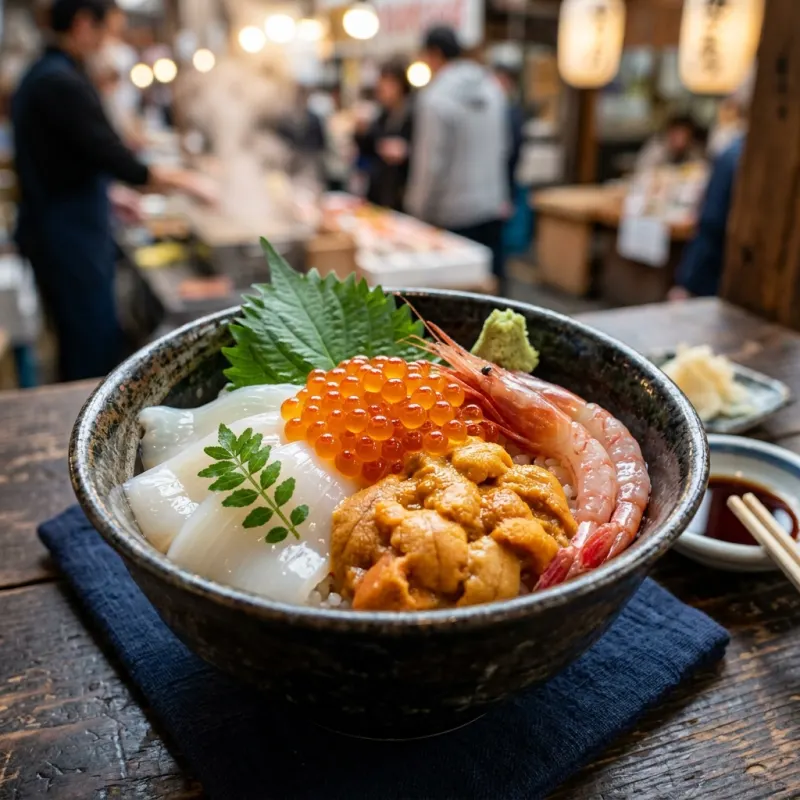
Hakodate Kaisen-don seafood bowl topped with fresh uni, squid, and salmon roe

Must Try Dish

Hakodate Kaisen-don - A vibrant rice bowl overflowing with morning-catch seafood including glistening salmon roe, sweet botan shrimp, fresh sea urchin, and thinly sliced translucent squid. Served over warm seasoned sushi rice, it offers an unadulterated taste of the nutrient-rich sub-arctic northern sea.
Food Experiences Title Icon

Food
Experiences

Discover cooking classes, tastings and local food tours

No food experience found
Maya, the human travel expert at TravelingWiz, offering curated, non-AI expertise

Maya’s Final Checklist for Southern Hokkaido

Logistics shouldn’t be the focus of your trip—the experience should. I’ve hand-vetted these essential partners to ensure your arrival, stay, and exploration are as smooth as an Athenian breeze.

Where to Stay

From boutique hotels to local apartments—compare thousands of options and find the perfect stay in the best neighborhood.

Air Travel

Getting there should be seamless. Compare the best routes and prices across top airlines to start your journey on the right note.

Local Guides

Connect with experts who know the destination best. Get personalized advice and insider tips to help you plan your perfect trip.

Travel Protection

The “Engineer’s” rule: always have a backup. Secure your trip with a plan that covers every “what if” and unexpected change.

Car Rentals

Explore at your own pace with total freedom. Compare reliable rental options and find the right vehicle for your adventure.

Visa Services

Don’t let paperwork slow you down. Get expert assistance with your application to ensure all your entry documents are in order.

FAQs

The most scenic and convenient route is via the Hokkaido Shinkansen (Hayabusa bullet train) from Tokyo Station to Shin-Hakodate-Hokuto Station, which takes roughly 4 hours. From there, the Hakodate Liner connecting train brings passengers directly to Hakodate Station in 15 to 20 minutes. Alternatively, domestic flights from Tokyo Haneda to Hakodate Airport take about 80 minutes.
Yes, Southern Hokkaido is spectacular from spring through autumn. Spring brings legendary cherry blossom displays at Goryokaku and Matsumae Castle, summer offers refreshing, mild temperatures perfect for road trips and outdoor canoeing, and autumn yields stunning foliage across Onuma Quasi-National Park.
If you plan to stay primarily in Hakodate and take day trips to Onuma Quasi-National Park, public transit like streetcars, local trains, and express buses are completely sufficient. However, renting a car is highly recommended if you want to explore the Matsumae Peninsula, Esashi historic fishing town, or rural onsen hot springs at your own pace.

Your Insights Matter

TravelingWiz grows through the stories of our community. If you’ve recently explored ,Southern Hokkaido share your tips and stories to help us perfect our guides for the next traveler.

Related Articles

Check out our related articles and blog posts to learn even more about the destination.

No related articles found

Don’t Travel Alone

Share with your friends and family

Where should we send your offline card?

We hate spam just as much as you do

newsletter_consent *