Otsu stands as an ancient cultural bastion strategically situated where the narrow southern neck of Lake Biwa flows toward Osaka Bay. Serving briefly as Japan's imperial capital in 667 CE under Emperor Tenji, the city later evolved into one of the most vital transit checkpoints along the historic Tokaido highway connecting Kyoto with Edo. This profound heritage is preserved across sprawling mountain temple complexes, forested stone stone-lantern paths, and canals constructed during the Meiji era to transport passengers and trade goods.
Today, Otsu presents an appealing blend of maritime lake culture and spiritual reflection. Unlike hyper-dense tourism hubs, Otsu retains a tranquil pace of life. Travelers can divide their time between high-altitude meditation halls at Enryaku-ji, thermal mineral bathing along the shores of Ogoto Onsen, and modern waterfront recreational zones featuring scenic yacht marinas, verdant waterside parks, and seasonal flower displays.
Reasons to Visit
- Immediate proximity to Kyoto allowing easy access without the overwhelming metropolitan tourist crowds.
- Home to Enryaku-ji, the UNESCO World Heritage mountain temple founded in 788 CE by monk Saicho.
- Spectacular panoramic views across Lake Biwa from historic funiculars, lakeside hotels, and mountain lookouts.
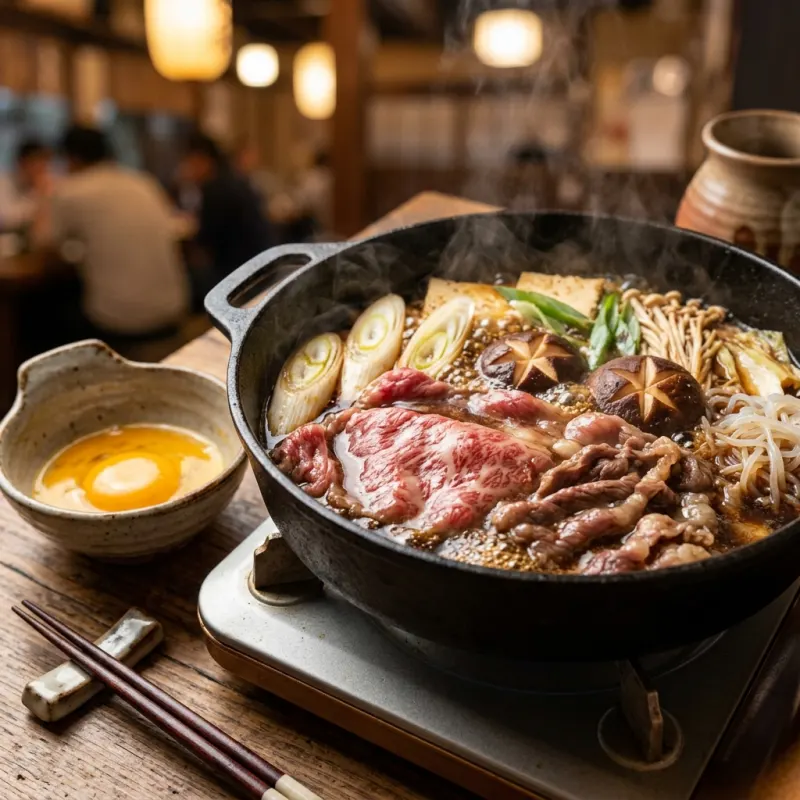
- World-class culinary pedigree centered on Omi beef, lake freshwater fish, and centuries-old sake breweries.
- Rich literary history, including Ishiyama-dera Temple where Murasaki Shikibu began drafting 'The Tale of Genji'.
Things to Avoid
- Avoid attempting to hike Mount Hiei's temple areas in flimsy sandals; temple grounds consist of extensive uneven gravel steps.
- Do not rely exclusively on credit cards in the Sakamoto preservation district, as heritage ticket offices and tea houses deal primarily in cash.
- Avoid scheduling boat excursions during typhoon warnings in late summer, as lake ferry services are suspended for safety.
- Do not confuse JR Otsu Station with Keihan Biwako-Hamaotsu Station; they are located about a 15-minute walk apart from each other.
Local Transportation Tips
Navigating Otsu is straightforward thanks to two complementary railway networks. The JR Biwako Line connects JR Otsu Station directly to Kyoto (9 minutes) and Osaka (40 minutes). Locally, the Keihan Ishiyama Sakamoto Line runs north-south along the shoreline, linking major sights like Ishiyama-dera, Hamaotsu Port, and Sakamoto. For reaching Mount Hiei, the Sakamoto Cable Car—Japan's longest funicular route at 2,025 meters—offers an effortless ascent with panoramic cabin windows. Local buses service suburban attractions, and electric bicycle rentals are readily available at Otsu Port.
Travel Etiquette
- Remove your shoes promptly at designated genkan steps before stepping onto tatami mats in temple halls or traditional eateries.
- Refrain from walking while eating street food; finish your snack near the purchase stall or dispose of trash appropriately.
- Speak in hushed tones inside holy sanctums, particularly around the eternal flame within Enryaku-ji's Konpon Chu-do.
- Wash thoroughly with soap and water at the seated bathing stalls before slipping into communal thermal waters at onsen facilities.
Recommended Age Group
Otsu provides cultural immersion and tranquil scenic travel that best suits mature explorers, history enthusiasts, and independent travelers.
- Babies (0-2 years): Neutral. Lakeside walkways are stroller-accessible, but navigating massive mountain temples like Enryaku-ji and Ishiyama-dera involves numerous stone staircases.
- Kids (3-12 years): Neutral. Children enjoy the Michigan paddleboat cruise and lakeside parks, though lengthy historic temple grounds may test younger attention spans.
- Teens (13-19 years): Recommended. Older youth appreciate Lake Biwa water recreation, anime pilgrimage locations around Omi Jingu, and cable car rides.
- Adults (20-64 years): Recommended. Ideal for cultural exploration, culinary indulgence with Omi wagyu, scenic hiking, and authentic hot spring retreats.
- Seniors (65+ years): Recommended. Highly accessible regional rail networks, relaxing onsen ryokan, and uncrowded historical landmarks make it a sublime destination for older travelers.
Accessibility Level: Medium
- JR Otsu Station and Keihan Biwako-Hamaotsu Station feature elevators, wheelchair-accessible ticket gates, and multi-purpose restrooms.
- The Michigan cruise ship provides ramp boarding and designated barrier-free seating on lower observation decks.
- Mount Hiei and historic temple grounds possess historic stone steps, making full wheelchair access challenging in ancient inner pavilions.
- The Lake Biwa waterfront park (Nagisa Park) features flat, paved pathways ideal for manual wheelchairs and travelers with limited mobility.
Did You Know?
Murasaki Shikibu, a noblewoman and lady-in-waiting in the Heian court, is said to have conceived and commenced writing 'The Tale of Genji'—frequently called the world's first novel—while gazing at the full moon from Ishiyama-dera Temple in Otsu in the year 1004.
Cool Statistics
- Lake Biwa is approximately 4 million years old, placing it among the world's 20 oldest ancient lakes.
- The Sakamoto Cable Car climbs a total elevation of 484 meters across a 2,025-meter track in just 11 minutes.
- Enryaku-ji has kept its sacred 'Inextinguishable Dharma Lamp' burning continuously for more than 1,200 years.






Buy a compatible power adapter for your trip