Disclosure: This site contains affiliate links. We may earn a commission if you make a purchase, at no extra cost to you.

>
>
>
>
Hakone
Panoramic view of Lake Ashi with the red torii gate of Hakone Shrine and Mount Fuji in Hakone Japan

Hakone Overview & Key Highlights

Hakone is a mountainous resort town situated within Fuji-Hakone-Izu National Park in Kanagawa Prefecture, less than 100 kilometers southwest of Tokyo. Renowned for its geothermal hot springs (onsen), traditional ryokan inns, and historic post-station heritage along the Edo-period Tokaido highway, Hakone serves as one of Japan's premier wellness and scenic destinations. The town centers around Lake Ashi, a volcanic crater lake that offers clear vistas of Mount Fuji framed by the red torii gate of Hakone Shrine. Visitors navigate the region via an integrated transit circuit that includes mountain switchback railways, funiculars, aerial ropeways, and sightseeing boats. Beyond its geothermal valleys like Owakudani, Hakone houses celebrated cultural institutions including the Hakone Open-Air Museum and the Pola Museum of Art. Its proximity to Tokyo makes it accessible for both structured day trips and multi-day restorative retreats centered on kaiseki dining and thermal bathing.

Hakone Travel Guide: Logistics & In-Depth Tips

Hakone is situated in the southwestern pocket of Kanagawa Prefecture, serving as a historic sanctuary for travelers along the old Tokaido highway since the Edo period. Defined by dramatic caldera topography sculpted by ancient volcanic activity, the region boasts seventeen distinct hot spring areas, collectively known as Hakone Juhachiyu. Its strategic balance of alpine terrain, cultural heritage, and modern infrastructure makes it one of Japan's most reliable year-round mountain retreats.

The town's primary draw is its circular transit route, which seamlessly connects visitors to world-class art institutions, steam-shrouded volcanic vents, and serene lakeside forests. Whether gazing at the vermilion torii gate of Hakone Shrine submerged in Lake Ashi or soaking in mineral-rich waters surrounded by bamboo groves, Hakone offers a distinct sensory escape rooted in classical Japanese hospitality.

Reasons to Visit

  • World-Class Thermal Baths: Access seventeen distinct hot spring varieties with therapeutic minerals ranging from clear alkaline water to milky sulfur springs.
  • Unobstructed Mount Fuji Vistas: Capture panoramic photographs of Mount Fuji across Lake Ashi and from the high altitudes of the Hakone Ropeway.
  • Seamless Transit Circuit: Ride a coordinated network of mountain trains, funiculars, aerial ropeways, and cruise ships using a single pass.
  • Open-Air Cultural Immersion: Explore prominent cultural landmarks including the Hakone Open-Air Museum, featuring sculptures by Henry Moore and an extensive Picasso pavilion.
  • Authentic Ryokan Hospitality: Experience authentic omotenashi with traditional multi-course kaiseki meals and private outdoor bath facilities.

Things to Avoid

  • Do not attempt the full Hakone Round Course on a holiday weekend afternoon without accounting for substantial queues at the ropeway and cable car stations.
  • Avoid wearing shoes into the tatami areas of ryokan, teahouses, or temple halls; always transition to provided slippers or walk in socks.
  • Do not ignore volcanic gas warning sirens or advisory signposts at Owakudani, especially if you have asthma or cardiac sensitivities.
  • Avoid relying on late-night public transportation, as mountain buses and local trains cease service earlier than urban transit in Tokyo.

Local Transportation Tips

Public transportation in Hakone is exceptionally structured and comprehensive. The Hakone Tozan Railway climbs steep gradients from Odawara and Hakone-Yumoto to Gora using mountain switchbacks. From Gora, the Hakone Tozan Cable Car connects to Sounzan, where passengers transfer to the Hakone Ropeway soaring over Owakudani down to Togendai on the shores of Lake Ashi. Lake Ashi Sightseeing Cruises (styled as pirate ships) traverse the water to Moto-Hakone and Hakone-machi, where an extensive network of Hakone Tozan Buses returns passengers to Hakone-Yumoto Station. The Hakone Freepass covers all these modalities.

Travel Etiquette

  • Wash thoroughly with soap and water at the seated shower stations before stepping into any communal hot spring bath.
  • Never let your modesty towel touch the communal onsen water; fold it and place it on your head or leave it on the edge of the pool.
  • Keep voices down and silence mobile phones when traveling on mountain trains and sightseeing cable cars.
  • Return your meal trays or tableware neatly when dining at casual self-service soba counters and mountain rest stops.

Recommended Age Group

Hakone caters exceptionally well across multiple generations due to its comfortable transit system, therapeutic hot spring culture, and diverse indoor-outdoor attractions.

  • Babies (0-2 years): Neutral. Mountain buses and multi-step transfers can make stroller navigation challenging, and strong sulfur vapors at Owakudani are not recommended for infants.
  • Kids (3-12 years): Recommended. Children enjoy the pirate ship cruise across Lake Ashi, the aerial ropeway, and interactive sculptures at the Hakone Open-Air Museum.
  • Teens (13-19 years): Recommended. The mix of volcanic science at Owakudani, lakeside hiking, and unique transit systems offers high engagement for teenagers.
  • Adults (20-64 years): Recommended. The region provides an ideal environment for scenic relaxation, museum hopping, onsen wellness, and gourmet kaiseki dining.
  • Seniors (65+ years): Recommended. Barrier-free transit links, gentle lake cruises, and restorative therapeutic thermal springs suit mature travelers seeking comfortable pacing.

Accessibility Level: Medium

  • The Hakone Ropeway and Lake Ashi Sightseeing Cruises feature step-free boarding ramps and elevators accommodating standard wheelchairs.
  • Major transit hubs such as Hakone-Yumoto, Gora, and Togendai provide accessible multi-purpose restrooms and tactile paving.
  • Historic walking paths, such as the Old Tokaido Cedar Avenue, feature uneven cobblestones and tree roots that are inaccessible to wheeled mobility devices.
  • Modern ryokan and resort hotels increasingly offer barrier-free rooms with universal design bathrooms, though advance reservation is mandatory.

Did You Know?

The cedar avenue along the ancient Tokaido trail in Hakone was planted in 1618 by order of the Tokugawa shogunate to provide weary samurai and travelers shade from summer heat and shelter from winter blizzards.

Cool Statistics

  • Hakone features 17 distinct mineral hot spring sources pumping approximately 25,000 liters of geothermal water every minute.
  • The Hakone Tozan Railway navigates gradients as steep as 80 per mille (an 8% incline), making it the steepest mountain railway in Japan.
  • Over 20 million travelers visit the Hakone region annually to experience its hot springs, nature paths, and art collections.


Address:

Hakone, Japan

Find Nearby Accommodations

Basic Info

address icon

COUNTRY & Region

Japan,
Asia

ACCESSIBILITY LEVEL​

Medium
Currency icon

LOCAL CURRENCY​

Japanese Yen (JPY)
Price level icon
Medium
Safety Level icon

SAFETY LEVEL

Duration icon

Recommended Duration

• 1-7 days
• Full day
• Overnight

Electricity

electricity icon

Electricity

100-110V, 
50Hz
Plug Socket icon

Plug Type

• Type A (Flat blade)
• Type B (Flat blade with grounding pin)
Plug types
Click To View Plug Types
Hakone is part of our
Solo Female Friendly collection

Activities To Do In Hakone

Best Time To Visit Hakone

Hakone offers distinct seasonal shifts influenced by its varied alpine elevations.

  • March to May: Mild weather with cherry blossoms blooming across lower elevations in early April and moving up the mountainsides.
  • June to August: Lush greenery and vibrant hydrangeas lining the Hakone Tozan Railway, though humidity and rainfall are elevated.
  • September to November: Peak autumn foliage transforms the valleys into deep red and amber shades, accompanied by the highest visibility rates for Mount Fuji.
  • December to February: Cold, crisp winter air providing the clearest skies for viewing snow-capped Mount Fuji, paired with steaming outdoor hot spring baths.

Average Temperatures Per Month

Remember to check the weather forecast a few days before the trip and before heading to the airport.

Safety Level icon

Safety Level

Hakone is exceptionally safe with negligible crime rates. The primary risks are environmental: check status alerts for volcanic sulfur emissions at Owakudani, especially if you have respiratory conditions or asthma. Mountain roads are narrow and winding, requiring caution for pedestrians in misty weather. Carry your transit pass securely, as replacement passes require full repurchasing.

The rating is based on multi-year peace, crime, and security indices. Before you go, always verify current conditions through official government travel advisories.

Emergency Numbers

Police: 110
Ambulance: 119

No internet needed • Includes local translations • Free for TravelingWiz readers

Spoken Languages

Japanese (primary), English (moderately spoken across major tourist facilities and transit hubs)

Learn The Language

  • Konnichiwa: Hello
  • Arigato gozaimasu: Thank you very much
  • Sumimasen: Excuse me / Pardon me
  • Kore wa ikura desu ka?: How much is this?
  • Onsen wa doko desu ka?: Where is the hot spring?
  • O-kaikei kudasai: The bill, please
  • Eigo ga hanasemasu ka?: Can you speak English?
  • Sayonara: Goodbye
Travel Booking Partner - TravelingWiz

Trip Cost & Budgeting for Hakone, 2026

Everything you need to know about money while traveling
Is Hakone expensive for tourists in 2026? While luxury ryokan resort stays can be pricey, Hakone remains moderate for mid-range travelers. You can expect to pay around 550 JPY for a cappuccino, 600 JPY for a local draft beer, and 2,000 JPY for a standard mid-range restaurant meal. Based on our Human Verified prices, budgeting wisely makes exploring the area very manageable. Use the data table below to calculate your specific daily budget based on your travel style.
Currency icon

LOCAL CURRENCY​:

Japanese Yen (JPY)
Price level icon
Medium
Major hotels and train stations accept credit cards, but cash is essential for bus fares, small eateries, and local shops.

Per person, per day – pocket cash for small purchases.

Local: 2000
Japanese Yen (JPY)
≈ 67 USD

Full daily spend estimation (accommodation, food, transportation, attractions).

Travel Style
Japanese Yen (JPY)
≈ USD ($)
Budget
11000
60
Mid-range
20000
160
Comfort
44000
320

The Prices, Daily costs, and calculator results are estimates for planning purposes only. Actual costs may vary based on season, booking timing, personal spending habits, and currency fluctuations. TravelingWiz cannot be held responsible for discrepancies between these estimates and your final trip expenses.

  • • Buy a Hakone Free Pass to cover unlimited transport on the Tozan train, cable car, ropeway, and sightseeing cruise.
  • • Visit local convenience stores like 7-Eleven or Lawson for inexpensive breakfasts, high-quality snacks, and drinks.
  • • Book a day-use onsen ticket instead of staying at a luxury ryokan to enjoy thermal baths at a fraction of the overnight cost.
  • • Use an IC card like Suica or Pasmo for seamless small cash-free payments at vending machines and convenience stores.

Pre-Order Tickets

Avoid disappointment when tickets sell out — and skip the long lines by booking online in advance. You’ll often save up to 20% too.
Save up to 20%

Travel Discounts & Coupons

Save on hotels, attractions, transport, and gear — find verified discounts for smarter travel spending.
Verified Coupons

What To Pack

  • Slip-on walking shoes for effortless removal when entering traditional ryokan, shrines, and onsen dressing areas.
  • Layered clothing, as mountain temperatures drop significantly between Lake Ashi and Owakudani compared to coastal Tokyo.
  • Modest swimwear exclusively for mixed-gender thermal theme parks like Yunessun, alongside an easily packable small modesty towel for traditional gender-segregated onsen.
  • A compact, durable umbrella or waterproof outer shell to manage localized mountain showers and sudden mist.
  • Small cash bills and coins for ticket kiosks, local transit upgrades, and shrine donation boxes.
We couldn't find tips for Hakone.
If you got any, please share

Recommended Itineraries for Traveling to Hakone

We couldn't find itineraries for Hakone.
you can contact us for custom trip plan

Food & Drink Highlights

Local Food Overview

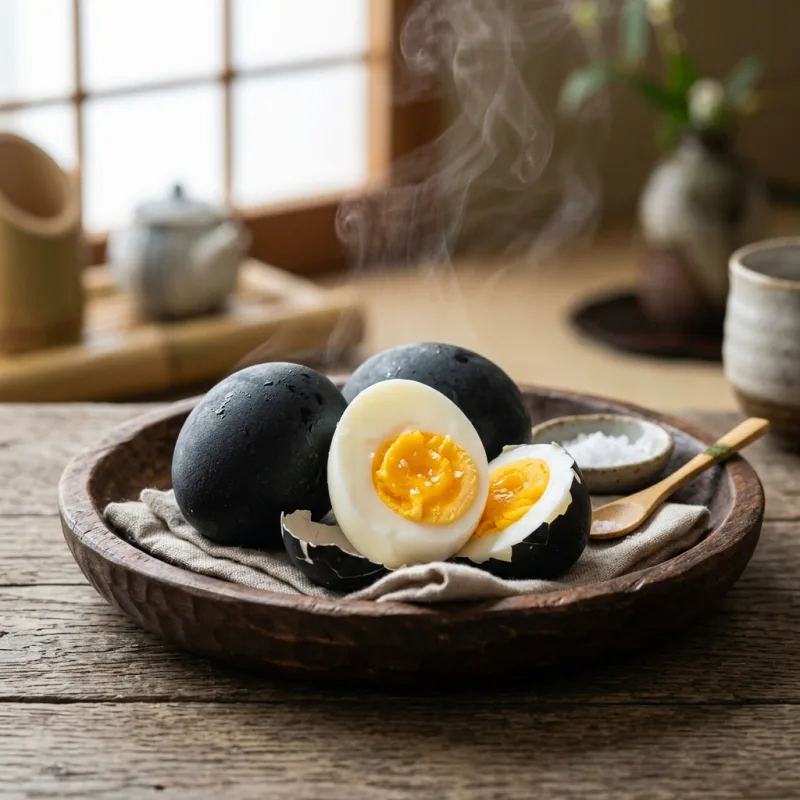
Hakone's culinary landscape is deeply tied to its mountain spring waters and centuries-old rest stops. Specialties include delicate yuba (fresh tofu skin) produced using pristine local groundwater, hearty buckwheat soba noodles served hot or chilled, and seasonal kaiseki ryori served in ryokan banquets featuring Kanagawa seafood and wild mountain vegetables. The volcanic vents of Owakudani yield the area's most famous edible souvenir: kuro-tamago, chicken eggs boiled in mineral-rich sulfur waters that turn the shells jet black.
Owakudani black eggs with jet black shells and a steaming golden yolk in a wooden bowl

Must Try Dish

Kuro-tamago - Chicken eggs hard-boiled in the natural sulfuric hot springs of Owakudani, producing a coal-black shell through chemical reaction with geothermal minerals. Local folklore asserts that eating one of these rich, savory eggs adds seven years to your life.
Food Experiences Title Icon

Food
Experiences

Discover cooking classes, tastings and local food tours

No food experience found
Maya, the human travel expert at TravelingWiz, offering curated, non-AI expertise

Maya’s Final Checklist for Hakone

Logistics shouldn’t be the focus of your trip—the experience should. I’ve hand-vetted these essential partners to ensure your arrival, stay, and exploration are as smooth as an Athenian breeze.

Where to Stay

From boutique hotels to local apartments—compare thousands of options and find the perfect stay in the best neighborhood.

Air Travel

Getting there should be seamless. Compare the best routes and prices across top airlines to start your journey on the right note.

Local Guides

Connect with experts who know the destination best. Get personalized advice and insider tips to help you plan your perfect trip.

Travel Protection

The “Engineer’s” rule: always have a backup. Secure your trip with a plan that covers every “what if” and unexpected change.

Car Rentals

Explore at your own pace with total freedom. Compare reliable rental options and find the right vehicle for your adventure.

Visa Services

Don’t let paperwork slow you down. Get expert assistance with your application to ensure all your entry documents are in order.

FAQs

No. Mount Fuji visibility depends heavily on elevation and cloud cover. The clearest viewpoints in Hakone are from the Lake Ashi sightseeing boats, Moto-Hakone shoreline, and the Hakone Ropeway between Sounzan and Togendai on clear mornings.
Traditional Japanese onsen often prohibit visible tattoos. However, many Hakone ryokan offer private onsen baths (kashikiri-buro) or rooms with private attached hot spring tubs where tattoos are not an issue. Some modern public baths also permit waterproof cover patches.
Yes. If you complete the standard round-trip circuit comprising the Hakone Tozan Train, Cable Car, Ropeway, and Lake Ashi Sightseeing Cruise, the pass pays for itself while offering seamless boarding without buying individual tickets.

Your Insights Matter

TravelingWiz grows through the stories of our community. If you’ve recently explored ,Hakone share your tips and stories to help us perfect our guides for the next traveler.

Related Articles

Check out our related articles and blog posts to learn even more about the destination.

No related articles found

Don’t Travel Alone

Share with your friends and family

Where should we send your offline card?

We hate spam just as much as you do

newsletter_consent *