Disclosure: This site contains affiliate links. We may earn a commission if you make a purchase, at no extra cost to you.

>
>
>
>
Kusatsu Onsen

Kusatsu Onsen

Panoramic twilight view of the Yubatake hot water field in Kusatsu Onsen with rising steam and traditional ryokan inns

Kusatsu Onsen Overview & Key Highlights

Kusatsu Onsen is a historic hot spring town located 1,200 meters above sea level in Gunma Prefecture, Japan. Renowned for over eight centuries, it consistently ranks at the top of national hot spring rankings due to having the highest natural flow of spring water in Japan, pumping more than 32,000 liters every minute. The town centers around the Yubatake (hot water field), an architectural centerpiece of wooden conduits designed to cool boiling volcanic water before distributing it to neighborhood bathhouses and ryokan. Visitors navigate narrow, winding streets scented with sulfur and lined with heritage inns, traditional gift shops, and public footbaths. Cultural traditions remain exceptionally vibrant here, exemplified by Yumomi, a folkloric water-cooling performance where practitioners stir scalding pools with long wooden paddles while chanting local folk songs. Beyond thermal soaking, the town serves as a high-altitude base for exploring Mount Shirane and picturesque alpine walking trails.

Kusatsu Onsen Travel Guide: Logistics & In-Depth Tips

Kusatsu Onsen stands as one of Japan's most celebrated hot spring sanctuaries, perched high in the volcanic mountains of Gunma Prefecture. Historically classified by Edo-period scholars alongside Gero and Arima as one of the 'Three Great Springs of Japan', Kusatsu has earned top placement in national rankings for decades. The village is sustained by an immense hydrothermal reservoir that discharges tens of thousands of liters of hot, sulfurous water every single minute.

At the physical and spiritual heart of the resort is the Yubatake ('hot water field'). Here, boiling geothermal groundwater flows down large wooden conduits to cool naturally in the alpine air while minerals collect on the wood. The surrounding district features winding cobblestone paths, classical wooden architecture, steam-filled alleyways, and modern dining spots, creating a timeless immersion into Japanese bathing culture.

Reasons to Visit

  • Unrivaled Hot Spring Quality: Highly acidic, mineral-rich thermal water boasting natural therapeutic and antibacterial properties.
  • The Iconic Yubatake: A dramatic landscape of rushing geothermal waters, wooden waterways, and evening illumination in the village center.
  • Yumomi Water-Cooling Ritual: Witness traditional folk songs and wooden paddle splashing at Netsunoyu Hall, an art preserved since the Edo Period.
  • Sainokawara Open-Air Bath: Bathe in a vast, 500-square-meter natural stone bath surrounded by tranquil alpine forest.
  • Rich Mountain Cuisine: Savor tender Joshu Wagyu beef, deep-fried wild maitake mushrooms, and freshly steamed sweet bean manju.

Things to Avoid

  • Do not enter the hot spring baths without thoroughly washing and rinsing your body at the wash stations first.
  • Avoid wearing silver jewelry into the hot springs, as the heavy sulfur concentration will immediately tarnish precious metals black.
  • Do not stay immersed in the intensely acidic, 42-45°C water for longer than 10 to 15 minutes at a time to prevent dehydration or heat exhaustion.
  • Avoid walking with standard street shoes on snow and ice during winter; instead, equip rubber crampons or wear non-slip winter boots.

Local Transportation Tips

Kusatsu is a compact, walkable town where most attractions, ryokan, and bathhouses cluster within a 15-minute radius of the central Yubatake. For longer trips across town or to the ski resort, the 'Town Bus' operates flat-fare circular routes costing around 100 JPY per ride. Taxis wait outside the Kusatsu Onsen Bus Terminal for transit to outlying trailheads or accommodation.

Travel Etiquette

  • Always leave shoes at the genkan entrance when entering ryokan, indoor bathhouses, and traditional restaurants.
  • Keep modesty towels (tenugui) out of the bathwater; place them folded on your head or set them by the edge of the tub.
  • Speak quietly in bathhouses and public spaces, respecting the contemplative, restorative atmosphere of the hot springs.
  • Consume street food such as onsen manju near the shop front rather than eating while walking down crowded alleys.

Recommended Age Group

Kusatsu Onsen offers rich cultural immersion and profound wellness benefits, though the physical characteristics of the water dictate suitability for different ages.

  • Babies (0-2 years): Not Recommended. The natural spring waters are strongly acidic (pH 2.1) and scalding hot, making them unsuitable and potentially irritating for sensitive infant skin.
  • Kids (3-12 years): Neutral. Children can enjoy the visual spectacle of the Yumomi performance and shallow footbaths, but extreme water temperatures limit full bathhouse immersion.
  • Teens (13-19 years): Recommended. Older youth will appreciate the dramatic volcanic scenery, Sainokawara walking paths, unique street food, and winter ski slopes.
  • Adults (20-64 years): Recommended. Perfect demographic for restorative onsen hopping, multi-course kaiseki banquets, hiking, and romantic mountain getaways.
  • Seniors (65+ years): Recommended. Exceptional wellness appeal, therapeutic mineral waters, and scenic, compact town walks, provided steep cobblestone inclines are taken with care.

Accessibility Level: Medium

  • The immediate perimeter around the central Yubatake is relatively flat with paved walkways and stone ramps.
  • Many side streets leading to upper ryokan are steep, narrow, and lack continuous sidewalks, requiring caution for wheelchair users.
  • Major public bath facilities like Gozanoyu and Otakinoyu feature step-free ground entrances, though internal thermal pools require stepping over stone ledges.
  • The Kusatsu Onsen Bus Terminal provides an elevator and accessible restrooms on the main level.

Did You Know?

Kusatsu's thermal water is so intensely acidic, with a pH of roughly 2.1, that a standard steel construction nail submerged in the spring will completely corrode and dissolve away in less than two weeks.

Cool Statistics

  • Pumps more than 32,000 liters of hot spring water per minute, the highest natural yield in Japan.
  • Elevated at roughly 1,200 meters (3,937 feet) above sea level, ensuring crisp mountain weather year-round.
  • Features over 100 individual bathhouses, footbaths, and private hot spring facilities across the municipality.


Address:

Kusatsu, Gunma Prefecture, Japan

Find Nearby Accommodations

Basic Info

address icon

COUNTRY & Region

Japan,
Asia

ACCESSIBILITY LEVEL​

Medium
Currency icon

LOCAL CURRENCY​

Japanese Yen (JPY)
Price level icon
Medium
Safety Level icon

SAFETY LEVEL

Duration icon

Recommended Duration

• Overnight
• 1-7 days
• Full day

Electricity

electricity icon

Electricity

100-110V, 
50Hz
Plug Socket icon

Plug Type

• Type A (Flat blade)
• Type B (Flat blade with grounding pin)
Plug types
Click To View Plug Types
Kusatsu Onsen is part of our
Coolcation collection

Activities To Do In Kusatsu Onsen

Best Time To Visit Kusatsu Onsen

Kusatsu is an all-season alpine destination, though the autumn and winter periods offer the most atmospheric experiences.

  • Winter (December to March): Ideal for soaking in steaming outdoor baths surrounded by thick snowdrifts and visiting the local ski resort.
  • Spring (April to May): Brings cherry blossoms and pleasant walking weather, with melting mountain snow opening nearby scenic roads.
  • Summer (June to August): Functions as a premier coolcation retreat where mountain elevation keeps temperatures 7 to 10 degrees cooler than Tokyo.
  • Autumn (September to November): Delivers stunning red and gold maple foliage throughout Sainokawara Park and surrounding ravines.

Average Temperatures Per Month

Remember to check the weather forecast a few days before the trip and before heading to the airport.

Safety Level icon

Safety Level

Kusatsu Onsen is exceptionally safe with negligible street crime. Main precautions revolve around environmental and health factors: mountain streets can become dangerously slick with ice during winter months, and the thermal waters are strongly acidic (pH ~2.1) and scalding hot, so limit soak durations to 10-15 minutes and rinse sensitive skin thoroughly.

The rating is based on multi-year peace, crime, and security indices. Before you go, always verify current conditions through official government travel advisories.

Emergency Numbers

Police: 110
Ambulance: 119

No internet needed • Includes local translations • Free for TravelingWiz readers

Spoken Languages

Japanese is spoken universally; English signage is common in public areas and transit hubs, with basic English spoken by ryokan and museum staff.

Learn The Language

  • Konnichiwa: Hello
  • Arigatou gozaimasu: Thank you very much
  • Sumimasen: Excuse me / Sorry
  • Onsen wa doko desu ka?: Where is the hot spring?
  • Kore wa ikura desu ka?: How much is this?
  • O-kaikei kudasai: The bill, please
  • Tasukete kudasai: Please help me
  • Sayounara: Goodbye
Travel Booking Partner - TravelingWiz

Trip Cost & Budgeting for Kusatsu Onsen, 2026

Everything you need to know about money while traveling
Is Kusatsu Onsen expensive for tourists in 2026? While Kusatsu Onsen is a premium resort town, travel costs remain moderate overall. Based on Human Verified prices, expect to pay around 500 JPY for a coffee, 650 JPY for a domestic beer, and 1,500 JPY for a mid-range restaurant meal. Accommodation and onsen fees vary, but smart planning keeps expenses manageable. Use the data table below to calculate your specific daily budget based on your travel style.
Currency icon

LOCAL CURRENCY​:

Japanese Yen (JPY)
Price level icon
Medium
Ryokan and modern shops take cards, but cash is required for public bathhouses, street stalls, and small restaurants.

Per person, per day – pocket cash for small purchases.

Local: 2200
Japanese Yen (JPY)
≈ 53 USD

Full daily spend estimation (accommodation, food, transportation, attractions).

Travel Style
Japanese Yen (JPY)
≈ USD ($)
Budget
12100
43
Mid-range
22000
150
Comfort
48400
350

The Prices, Daily costs, and calculator results are estimates for planning purposes only. Actual costs may vary based on season, booking timing, personal spending habits, and currency fluctuations. TravelingWiz cannot be held responsible for discrepancies between these estimates and your final trip expenses.

  • • Book ryokan packages that include both breakfast and kaiseki dinner to save on evening dining costs.
  • • Purchase a Yumeguri Tegata pass to access multiple public bathhouses at a discounted combined rate.
  • • Travel from Tokyo via direct highway bus rather than Shinkansen to significantly cut transportation expenses.
  • • Take advantage of free public footbaths (ashiyu) located around Yubatake and Sainokawara Park.

Pre-Order Tickets

Avoid disappointment when tickets sell out — and skip the long lines by booking online in advance. You’ll often save up to 20% too.
Save up to 20%

Travel Discounts & Coupons

Save on hotels, attractions, transport, and gear — find verified discounts for smarter travel spending.
Verified Coupons

What To Pack

  • Slip-on walking shoes or sandals for easy removal at ryokan and bathhouses.
  • A compact quick-dry modesty towel (tenugui) for carrying between public baths.
  • Layered warm clothing and thermal undergarments, as mountain temperatures remain cool even in spring and autumn.
  • Sturdy winter boots with ice grips if visiting between December and March when streets freeze over.
  • Moisturizer and lip balm to counteract skin dryness from the intensely acidic, mineral-rich thermal water.
  • Cash envelope or small pouch, as several historic bathhouses and street vendors do not accept card payments.
We couldn't find tips for Kusatsu Onsen.
If you got any, please share

Recommended Itineraries for Traveling to Kusatsu Onsen

We couldn't find itineraries for Kusatsu Onsen.
you can contact us for custom trip plan

Food & Drink Highlights

Local Food Overview

Dining in Kusatsu Onsen centers on mountain gastronomy and mineral cooking. Gunma Prefecture is celebrated for high-grade Joshu Wagyu beef, fragrant maitake mushrooms harvested in alpine forests, and silky handmade udon and soba noodles. Walking down the stone pathways, travelers encounter onsen manju—steamed buns filled with sweet red bean paste cooked directly over geothermal steam vents—along with hot spring eggs (onsen tamago) gently soft-boiled in natural thermal waters.
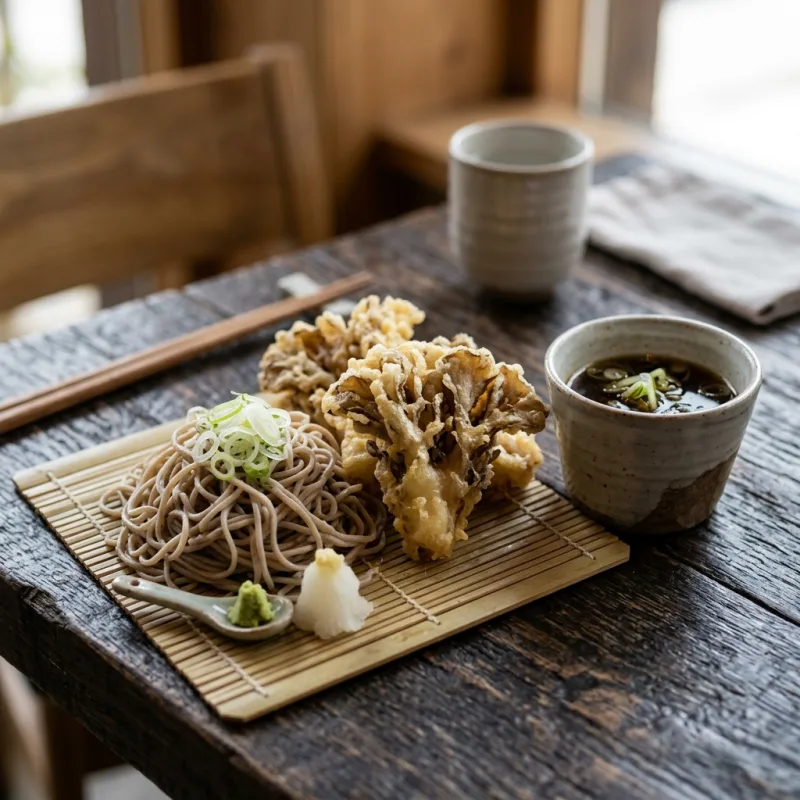
Authentic Japanese Maitake Tempura Soba with wild mushrooms and buckwheat noodles

Must Try Dish

Maitake Tempura Soba - Fresh Gunma maitake mushrooms fried in an airy, crispy batter served alongside firm, chilled handmade buckwheat soba noodles with seasoned dashi dipping broth.
Food Experiences Title Icon

Food
Experiences

Discover cooking classes, tastings and local food tours

No food experience found
Maya, the human travel expert at TravelingWiz, offering curated, non-AI expertise

Maya’s Final Checklist for Kusatsu Onsen

Logistics shouldn’t be the focus of your trip—the experience should. I’ve hand-vetted these essential partners to ensure your arrival, stay, and exploration are as smooth as an Athenian breeze.

Where to Stay

From boutique hotels to local apartments—compare thousands of options and find the perfect stay in the best neighborhood.

Air Travel

Getting there should be seamless. Compare the best routes and prices across top airlines to start your journey on the right note.

Local Guides

Connect with experts who know the destination best. Get personalized advice and insider tips to help you plan your perfect trip.

Travel Protection

The “Engineer’s” rule: always have a backup. Secure your trip with a plan that covers every “what if” and unexpected change.

Car Rentals

Explore at your own pace with total freedom. Compare reliable rental options and find the right vehicle for your adventure.

Visa Services

Don’t let paperwork slow you down. Get expert assistance with your application to ensure all your entry documents are in order.

FAQs

Yes, Kusatsu is generally more tattoo-friendly than many Japanese resort towns. The three major public baths (Otakinoyu, Gozanoyu, and Sainokawara) allow tattoos, as do several free local footbaths and private rental baths (kashikiri-buro) found in private ryokan.
You can take the direct Kusatsu Limited Express train from Ueno Station to Naganohara-Kusatsuguchi Station (approx. 2.5 hours) followed by a 25-minute JR bus ride into town, or board a direct highway bus from Shinjuku Station (approx. 3.5 to 4 hours).
The water originates from volcanic sources around Mount Shirane. It is naturally sterile, has a potent acidity level of around pH 2.1, and contains strong sulfur and aluminum sulfate minerals capable of dissolving an iron nail within a few weeks.

Your Insights Matter

TravelingWiz grows through the stories of our community. If you’ve recently explored ,Kusatsu Onsen share your tips and stories to help us perfect our guides for the next traveler.

Related Articles

Check out our related articles and blog posts to learn even more about the destination.

No related articles found

Don’t Travel Alone

Share with your friends and family

Where should we send your offline card?

We hate spam just as much as you do

newsletter_consent *