Disclosure: This site contains affiliate links. We may earn a commission if you make a purchase, at no extra cost to you.

>
>
>
>
Lumbini
Maya Devi Temple and sacred Pushkarini pond reflecting in Lumbini Nepal during golden hour

Lumbini Overview & Key Highlights

Lumbini is universally revered as the birthplace of Siddhartha Gautama, the historical Buddha, and stands as one of the most sacred pilgrimage destinations on Earth. Located in the Rupandehi District of southwestern Nepal's Terai plains, this UNESCO World Heritage Site centers around the Maya Devi Temple, where archaeological excavations have exposed brick structures dating back to the 3rd century BCE alongside the sacred marker stone identifying the exact nativity spot. Surrounding this sanctum are tranquil ruins, the ancient Pushkarini sacred pond where Queen Maya Devi bathed before giving birth, and the sandstone Pillar of Ashoka inscribed with imperial edicts from 249 BCE. Beyond the central Sacred Garden, the expansive Lumbini Master Plan conceived by renowned Japanese architect Kenzo Tange spans three square miles divided into distinct monastic zones. Pilgrims and travelers explore tranquil, pedestrian-friendly pathways connecting dozens of monasteries, pagodas, and meditation centers built by Buddhist nations from across Asia and Europe. The surrounding rural landscape, framed by mustard fields, wetlands sheltering rare Sarus cranes, and authentic Tharu farming villages, offers an atmosphere of profound serenity and contemplative historical inquiry.

Lumbini Travel Guide: Logistics & In-Depth Tips

Lumbini is situated in the fertile Terai flatlands of southwestern Nepal, standing as the preeminent geographical anchor of Buddhist history. According to ancient Buddhist tradition, Queen Maya Devi gave birth to Prince Siddhartha Gautama here in 623 BCE beneath a sal tree while journeying toward her maternal home in Devadaha. Centuries later in 249 BCE, the Mauryan Emperor Ashoka made a royal pilgrimage to the site, commissioning an inscribed sandstone pillar and brick stupas to formally identify the sacred nativity location. Rediscovered by archaeologists in 1896, the zone has evolved into a global pilgrimage and research center protected as a UNESCO World Heritage Site since 1997.

The structural layout of modern Lumbini spans three linear miles developed in accordance with the 1978 Master Plan designed by renowned architect Kenzo Tange. The site is divided into three distinct zones: the Sacred Garden containing the Maya Devi Temple, the Monastic Zone separated into Eastern (Theravada) and Western (Mahayana and Vajrayana) sectors, and the New Lumbini Village designed for research, cultural exchange, and accommodation. Beyond the stone ruins and glittering monastic spires, the serene landscape serves as a vital biological corridor sheltering nilgai antelopes, over 250 bird species including endangered Sarus cranes, and authentic Tharu farming villages preserving ancient agrarian traditions.

Reasons to Visit

  • Unrivaled Spiritual Significance: Experience profound peace standing at the exact archaeological birthplace of Siddhartha Gautama inside the Maya Devi Temple.
  • Global Monastic Architecture: Wander between dozens of ornate Buddhist monasteries constructed by nations including Thailand, Germany, Cambodia, China, South Korea, and Myanmar.
  • Ashoka's Historical Pillar: Inspect the pristine 3rd-century BCE edict carved in Brahmi script that authenticated the historical Buddha's origin.
  • Peaceful Cycling Pathways: Ride bicycles along tranquil paved avenues lined with lotus ponds, bodhi trees, and chirping birds far from urban chaos.
  • Cultural Immersion in Tharu Villages: Explore rural Terai settlements to observe traditional mud-plastered architecture, local textile weaving, and warm rural hospitality.

Things to Avoid

  • Do not wear skimpy clothing: Revealing clothing such as tank tops and short shorts causes offense and results in denied entry to temple grounds.
  • Avoid midday walking in summer: The Terai heat frequently reaches 40°C between April and June; avoid outdoor touring during peak midday hours.
  • Never touch sacred relics or monks: Treat monks, statues, and archaeological stone markers with quiet respect, keeping voices low in prayer areas.
  • Avoid relying entirely on bank cards: Card terminals are rarely functional in local shops; never enter Lumbini without ample physical currency.
  • Do not disturb Sarus crane nesting grounds: The wetlands flanking the monastic zone house protected birds; observe wildlife from a respectful distance without shouting.

Local Transportation Tips

Navigating the sprawling Lumbini complex requires deliberate transport planning due to the multi-mile distances between the Sacred Garden and northern entrance. The most popular and atmospheric option is renting a single-speed cruiser bicycle (available at guesthouses and bazaar rental shops for 300 to 400 NPR per day), allowing easy, self-paced exploration across paved, motor-free pathways. For travelers seeking shade or traveling with seniors, battery-powered electric rickshaws (e-rickshaws) are widely available at major gates; drivers can be hired for half-day or full-day tours starting at approximately 1,500 to 2,500 NPR with advance negotiation.

Travel Etiquette

  • Remove footwear and hats before walking across temple thresholds and onto sacred archaeological platforms.
  • Walk clockwise around stupas, shrines, and sacred monuments in accordance with Buddhist custom (kora).
  • Always seek permission before photographing monks, nuns, or pilgrims engaged in meditation and prayer.
  • Speak in hushed tones throughout the Sacred Garden and silence mobile devices entirely.
  • Support the local economy by hiring licensed local guides displaying official Lumbini Development Trust badges.

Recommended Age Group

Lumbini offers flat terrain, quiet surroundings, and educational spiritual heritage suited to thoughtful exploration across generations.

  • Babies (0-2 years): Neutral. The flat pathways allow sturdy strollers, but high midday heat, mosquitoes, and basic changing amenities require careful planning.
  • Kids (3-12 years): Neutral. Children enjoy bicycling along quiet paths and feeding fish in monastery ponds, but the quiet contemplative focus of shrines can test shorter attention spans.
  • Teens (13-19 years): Recommended. Teenagers appreciate the global architectural styles, historical antiquity, photography opportunities, and accessible cycling across the grounds.
  • Adults (20-64 years): Recommended. Ideal for independent travelers, couples, and meditation practitioners seeking profound history, architectural discovery, and mental rest.
  • Seniors (65+ years): Recommended. The flat topography, abundant electric rickshaws, tranquil ambiance, and low elevation make it a low-stress pilgrimage experience for mature visitors.

Accessibility Level: Medium

  • The Sacred Garden features flat brick pathways and ramps allowing wheelchair access right up to the elevated Maya Devi Temple exterior viewing platforms.
  • Within the Maya Devi Temple, wooden boardwalks provide level routing over ancient excavation trenches, though narrow bottlenecks can occur during peak pilgrim hours.
  • Electric rickshaws provide barrier-free transportation between distant monastic sites for visitors unable to walk or cycle long distances.
  • Accessible public restrooms with wide doorways exist near the main administrative entrances, although monastic grounds further north feature standard steps and basic facilities.

Did You Know?

The sandstone pillar erected by Emperor Ashoka in 249 BCE was struck by lightning in ancient times, splitting the upper shaft and breaking off the original horse capital that once crowned it. The split pillar remains firmly in place, and its preserved Brahmi inscription explicitly states that the emperor exempted the village of Lumbini from royal land taxes to honor Buddha's birth.

Cool Statistics

  • 3 Square Miles: Total footprint of the UNESCO-designated Lumbini Master Plan designed by Kenzo Tange.
  • 249 BCE: The year Emperor Ashoka visited Lumbini and erected his commemorative inscribed pillar.
  • Over 250: Documented bird species inhabiting the wetlands and sacred groves of the Lumbini perimeter.
  • More than 30: Independent international monasteries and peace pagodas currently erected within the complex.


Address:

Lumbini, Nepal

Find Nearby Accommodations

Basic Info

address icon

COUNTRY & Region

Nepal,
Asia

ACCESSIBILITY LEVEL​

Medium
Currency icon

LOCAL CURRENCY​

Nepalese Rupee (NPR)
Price level icon
Low
Safety Level icon

SAFETY LEVEL

Duration icon

Recommended Duration

• 1-7 days
• Full day

Electricity

electricity icon

Electricity

220-240V, 
50Hz
Plug Socket icon

Plug Type

• Type C (Round pin)
• Type D (Three round pins in a triangular pattern)
• Type M (Three round pins, larger)
Plug types
Click To View Plug Types
Lumbini is part of our
Accessible Travel collection

Activities To Do In Lumbini

Best Time To Visit Lumbini

Lumbini experiences a subtropical Terai climate characterized by hot summers, monsoonal downpours, and cool, dry winters.

  • October to March (Peak Season): Clear skies, minimal precipitation, and comfortable daytime temperatures ranging between 18°C and 26°C create ideal sightseeing conditions.
  • April to May (Buddha Jayanti): Extremely warm with temperatures exceeding 38°C, but vibrant with festive spiritual processions celebrating Buddha's birth during full moon in May.
  • June to September (Monsoon Season): Heavy rains and high humidity bring lush green scenery, fewer crowds, and lower accommodation rates, but muddy paths and localized flooding can hinder walking.

Average Temperatures Per Month

Remember to check the weather forecast a few days before the trip and before heading to the airport.

Safety Level icon

Safety Level

Lumbini is an exceptionally peaceful and safe destination with very low rates of violent crime. Women travelers should exercise standard vigilance after nightfall as street lighting outside the main bazaar is limited. Protect yourself against mosquito-borne illnesses by applying repellent during dawn and dusk. Beware of stray dogs near the peripheral gates and decline unsolicited guiding services from unofficial hawkers outside Maya Devi Temple.

The rating is based on multi-year peace, crime, and security indices. Before you go, always verify current conditions through official government travel advisories.

Emergency Numbers

Police: 100
Ambulance: 102

No internet needed • Includes local translations • Free for TravelingWiz readers

Spoken Languages

Nepali, Bhojpuri, Maithili, Hindi, English

Learn The Language

  • Namaste: Traditional greeting (I bow to the divine in you)
  • Dhanyabaad: Thank you
  • Kati parchha?: How much does this cost?
  • Mitho chha: It is delicious
  • Kripaya: Please
  • Mero naam… ho: My name is…
  • Shanti: Peace
  • Bujhina: I do not understand
Travel Booking Partner - TravelingWiz

Trip Cost & Budgeting for Lumbini, 2026

Everything you need to know about money while traveling
Is Lumbini expensive for tourists in 2026? No, Lumbini remains an affordable destination for international visitors. You can expect to pay around 300 NPR for a coffee, 450 NPR for a domestic beer, and 800 NPR for a standard main meal at a mid-range restaurant. Our Human Verified prices show that budget and mid-tier travelers can enjoy comfortable lodging and dining without high costs. Use the data table below to calculate your specific daily budget based on your travel style.
Currency icon

LOCAL CURRENCY​:

Nepalese Rupee (NPR)
Price level icon
Low
Cash is essential in Lumbini as small restaurants, rickshaws, and entrance gates rarely accept credit cards.

Per person, per day – pocket cash for small purchases.

Local: 880
Nepalese Rupee (NPR)
≈ 6 USD

Full daily spend estimation (accommodation, food, transportation, attractions).

Travel Style
Nepalese Rupee (NPR)
≈ USD ($)
Budget
4850
32
Mid-range
8800
58
Comfort
19350
127

The Prices, Daily costs, and calculator results are estimates for planning purposes only. Actual costs may vary based on season, booking timing, personal spending habits, and currency fluctuations. TravelingWiz cannot be held responsible for discrepancies between these estimates and your final trip expenses.

  • • Rent an electric rickshaw or bicycle for the day to explore the vast Sacred Garden complex affordably.
  • • Dine at local eateries in Lumbini Bazaar for authentic, low-cost Nepalese dal bhat and momos.
  • • Drink filtered or purified water rather than continually buying single-use plastic bottles at tourist stalls.
  • • Book accommodation near the Monastic Zone in advance to secure mid-range rooms with reliable hot water and Wi-Fi.

Pre-Order Tickets

Avoid disappointment when tickets sell out — and skip the long lines by booking online in advance. You’ll often save up to 20% too.
Save up to 20%

Travel Discounts & Coupons

Save on hotels, attractions, transport, and gear — find verified discounts for smarter travel spending.
Verified Coupons

What To Pack

  • Modest clothing covering shoulders and knees for temple grounds
  • Slip-on walking shoes or sandals for frequent removal at shrines
  • Thick socks to protect feet from sun-baked stone paving
  • High-SPF sunscreen and wide-brimmed sun hat for unshaded walking routes
  • Insect repellent with DEET for Terai plains mosquitoes
  • Light breathable cotton layers for daytime and warm fleece for winter evenings
  • Power bank and universal plug adapter compatible with Types C, D, and M
We couldn't find tips for Lumbini.
If you got any, please share

Recommended Itineraries for Traveling to Lumbini

We couldn't find itineraries for Lumbini.
you can contact us for custom trip plan

Food & Drink Highlights

Local Food Overview

Dining in Lumbini is shaped by spiritual vegetarian traditions and the agrarian heritage of the Terai plains. Most eateries around the monastic complex and Lumbini Bazaar serve vegetarian and vegan fare, prioritizing clean preparation, mild spicing, and freshly harvested grains. The staple meal is Dal Bhat Tarkari—steamed rice flanked by slow-simmered spiced yellow lentils, seasonal curried vegetables, spinach, and fiery tomato-coriander pickles. The surrounding region also introduces indigenous Tharu culinary traditions, featuring rice-flour dumplings (dhikri), freshwater fish curries, and beaten-rice dishes, alongside classic North Indian tandoori and flatbread influences.
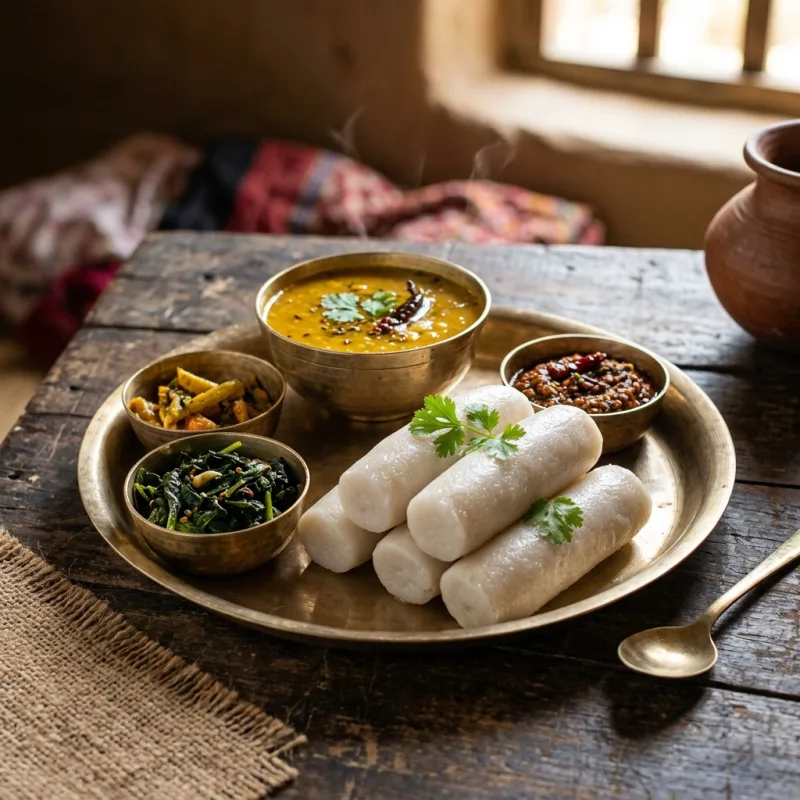
Tharu Dhikri steamed rice dumplings served with dipping sauces on a brass plate

Must Try Dish

Tharu Dhikri Platter - Steamed cylindrical rice-flour dumplings served warm alongside spiced yellow lentil dipping soup, roasted sesame chutney, and locally grown sautéed greens. This indigenous Terai specialty delivers a tender, delicate texture paired with earthy, traditional aromatics.
Food Experiences Title Icon

Food
Experiences

Discover cooking classes, tastings and local food tours

No food experience found
Maya, the human travel expert at TravelingWiz, offering curated, non-AI expertise

Maya’s Final Checklist for Lumbini

Logistics shouldn’t be the focus of your trip—the experience should. I’ve hand-vetted these essential partners to ensure your arrival, stay, and exploration are as smooth as an Athenian breeze.

Where to Stay

From boutique hotels to local apartments—compare thousands of options and find the perfect stay in the best neighborhood.

Air Travel

Getting there should be seamless. Compare the best routes and prices across top airlines to start your journey on the right note.

Local Guides

Connect with experts who know the destination best. Get personalized advice and insider tips to help you plan your perfect trip.

Travel Protection

The “Engineer’s” rule: always have a backup. Secure your trip with a plan that covers every “what if” and unexpected change.

Car Rentals

Explore at your own pace with total freedom. Compare reliable rental options and find the right vehicle for your adventure.

Visa Services

Don’t let paperwork slow you down. Get expert assistance with your application to ensure all your entry documents are in order.

FAQs

Travelers can fly into Gautam Buddha International Airport in Bhairahawa from Kathmandu (a 35-minute domestic flight), followed by a 40-minute taxi ride to Lumbini. Long-distance tourist buses also operate daily from Pokhara and Kathmandu, taking between 8 to 10 hours.
A stay of two full days (one to two nights) allows sufficient time to tour the central Sacred Garden, explore the Eastern (Theravada) and Western (Mahayana) monastic zones by bicycle, and enjoy peaceful meditation sessions.
Yes. Visitors must dress respectfully by covering their shoulders and knees. Shoes must be removed before stepping onto the sacred platform of Maya Devi Temple and inside all international monastery prayer halls.
Yes, Lumbini welcomes travelers of all religious backgrounds. Visitors can freely enter open temple compounds, observe spiritual rituals respectfully, and participate in open meditation sessions.

Your Insights Matter

TravelingWiz grows through the stories of our community. If you’ve recently explored ,Lumbini share your tips and stories to help us perfect our guides for the next traveler.

Related Articles

Check out our related articles and blog posts to learn even more about the destination.

No related articles found

Don’t Travel Alone

Share with your friends and family

Where should we send your offline card?

We hate spam just as much as you do

newsletter_consent *