

Low – budget‑friendly basics
Medium – moderate mid‑range costs
High – pricey lodging, dining & transport
Disclosure: This site contains affiliate links. We may earn a commission if you make a purchase, at no extra cost to you.
Low – budget‑friendly basics
Medium – moderate mid‑range costs
High – pricey lodging, dining & transport
5 shields = Excellent – very low crime or conflict.
4 shields = Safe – low risk, routine care.
3 shields = Relatively safe – use normal street smarts.
2 shields = Use caution – higher crime or periodic unrest.
1 shields = Avoid – active conflict or extreme danger.
Scores are derived from multi-year peace, homicide and security indices blended into a single 1-to-5 scale.
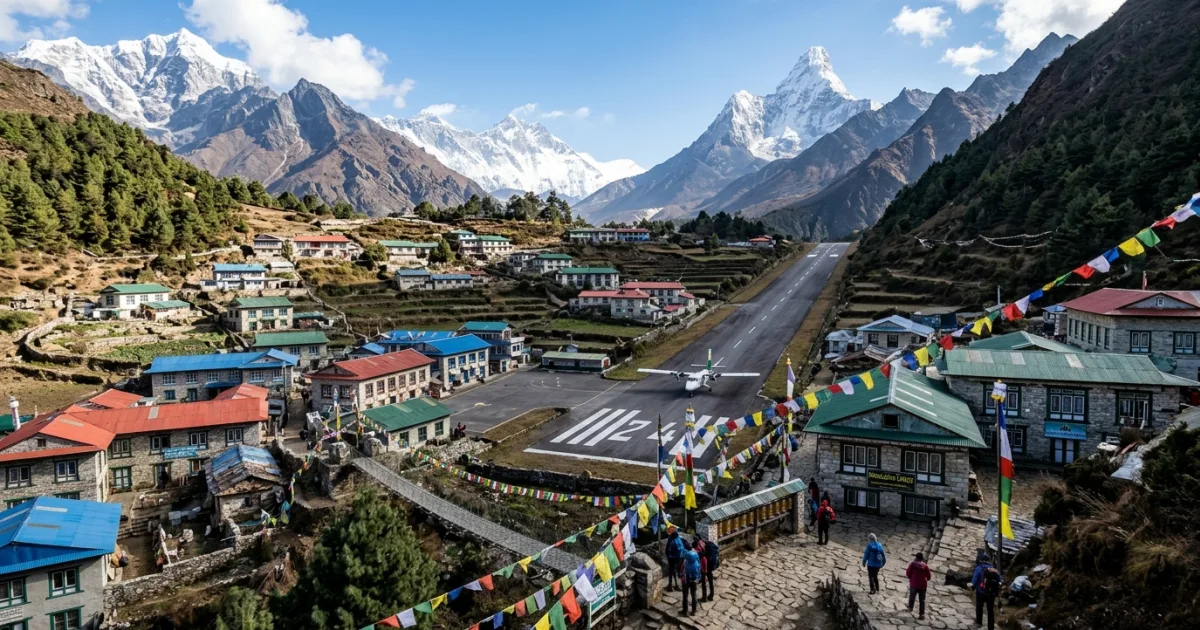
Lukla is a vibrant mountain settlement perched at 2,860 meters (9,383 feet) in the Solukhumbu District of northeastern Nepal. Best known as the primary trailhead for treks to Mount Everest Base Camp, this bustling Sherpa community serves as the logistical heartbeat of the Khumbu region. The town is anchored by Tenzing-Hillary Airport, widely renowned for its dramatic cliffside runway, which acts as the major transit artery connecting the remote Himalayas with Kathmandu. Beyond its reputation as a transit hub, Lukla offers visitors an immersive introduction to authentic Sherpa hospitality, Buddhist culture, and raw alpine wilderness. Winding cobblestone alleys are packed with trekking lodges, gear stores, bakeries, and ancient mani stone walls inscribed with sacred Tibetan mantras. Whether resting before embarking on high-altitude expeditions or unwinding after traversing rugged mountain passes, Lukla provides a rich and sensory alpine encounter surrounded by snow-draped Himalayan peaks.
Lukla stands as the dramatic threshold of the Khumbu Himalayas, where aviation marvels intersect with ancient mountain heritage. Situated on a hillside above the roaring Dudh Koshi River, the settlement transformed from a sleepy agricultural hamlet into an internationally known transit center following the construction of the airstrip by Sir Edmund Hillary and local Sherpa teams in 1964. Today, its paved stone trail serves as the definitive starting and finishing point for tens of thousands of mountaineers and trekkers setting off toward Everest Base Camp, Gokyo Lakes, and the Three Passes.
Walking through the spine of the village reveals a unique blend of rugged utilitarianism and deep spiritual reverence. Prayer wheels spin gently alongside contemporary gear outlets, Irish pubs, and coffee bars. Monasteries and intricately carved mani walls line the paths, reminding travelers of the sacred nature of the surrounding peaks. While many treat Lukla merely as an airport transit point, lingering here reveals rich cultural encounters with the Sherpa people, exceptional alpine vistas, and an atmosphere charged with expedition anticipation.
Lukla contains no motor vehicles, roads, or wheeled transit systems. All travel within the settlement and throughout the Khumbu region is conducted exclusively on foot along stone-paved paths and dirt trails. Heavy equipment, trekking gear, and village supplies are moved via human porters or pack animals, including yaks, dzopkyos (yak-cattle hybrids), and mules. External transit is restricted to commercial STOL (Short Take-Off and Landing) aircraft operating primarily from Ramechhap or Kathmandu, alongside chartered mountain helicopters.
Travel in and around Lukla requires careful evaluation of altitude tolerance, rugged trail conditions, and remote medical logistics.
When Sir Edmund Hillary initially purchased land for Lukla Airport from local Sherpa farmers in 1964, the soil was too soft and uneven for landing. To compact the runway, Hillary purchased gallons of local rice beer (chang) and hosted an energetic communal dance where dozens of Sherpa locals stomped the ground flat over several days.

Lukla experiences distinct seasonal weather dictated by Himalayan elevation and the South Asian monsoon cycle.
| Month | °C | °F |
|---|---|---|
| Jan | 2 | 36 |
| Feb | 2 | 36 |
| Mar | 6 | 43 |
| Apr | 9 | 48 |
| May | 11 | 52 |
| Jun | 14 | 57 |
| Jul | 15 | 59 |
| Aug | 15 | 59 |
| Sep | 14 | 57 |
| Oct | 10 | 50 |
| Nov | 7 | 45 |
| Dec | 4 | 39 |
Remember to check the weather forecast a few days before the trip and before heading to the airport.
5 shields = Excellent – very low crime or conflict.
4 shields = Safe – low risk, routine care.
3 shields = Relatively safe – use normal street smarts.
2 shields = Use caution – higher crime or periodic unrest.
1 shields = Avoid – active conflict or extreme danger.
Scores are derived from multi-year peace, homicide and security indices blended into a single 1-to-5 scale.
The rating is based on multi-year peace, crime, and security indices. Before you go, always verify current conditions through official government travel advisories.
No internet needed • Includes local translations • Free for TravelingWiz readers

Low – budget‑friendly basics
Medium – moderate mid‑range costs
High – pricey lodging, dining & transport
Per person, per day – pocket cash for small purchases.
Full daily spend estimation (accommodation, food, transportation, attractions).
Travel Style | Nepalese Rupee (NPR) | ≈ USD ($) |
|---|---|---|
Budget | 3850 | 26 |
Mid-range | 7000 | 46 |
Comfort | 15400 | 102 |
The Prices, Daily costs, and calculator results are estimates for planning purposes only. Actual costs may vary based on season, booking timing, personal spending habits, and currency fluctuations. TravelingWiz cannot be held responsible for discrepancies between these estimates and your final trip expenses.
Choose a ready-made itinerary, plan your own trip, and keep TravelingWiz by your side while you travel.
Get the TravelingWiz app →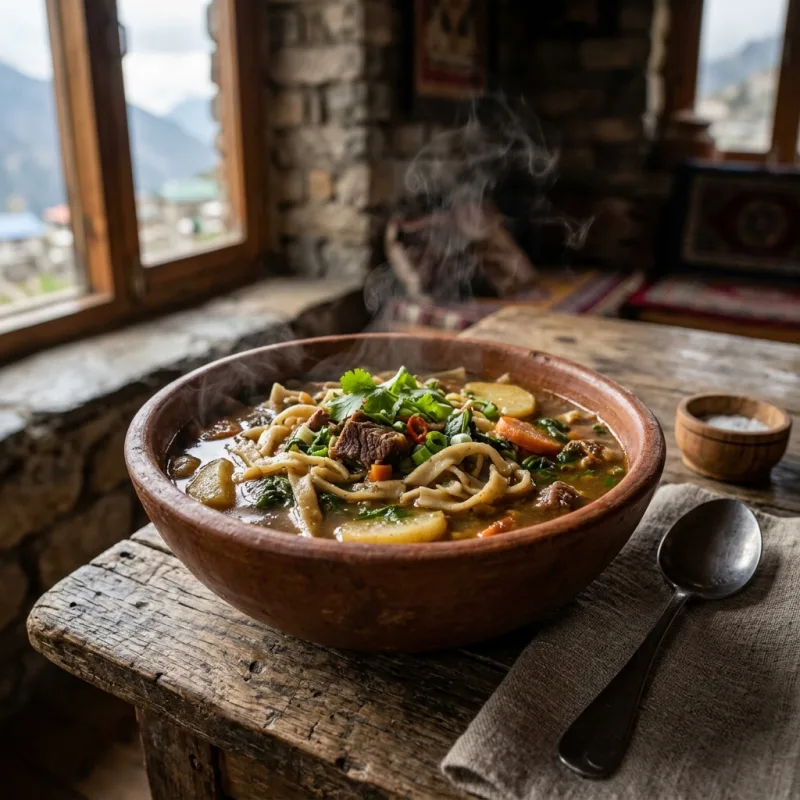
Discover cooking classes, tastings and local food tours
Logistics shouldn’t be the focus of your trip—the experience should. I’ve hand-vetted these essential partners to ensure your arrival, stay, and exploration are as smooth as an Athenian breeze.

Compare accommodation options and choose a stay that suits your plans and budget.
Connect with local guides for personalized help planning and exploring.
The “Engineer’s” rule: always have a backup. Secure your trip with a plan that covers every “what if” and unexpected change.
Don’t let paperwork slow you down. Get expert assistance with your application to ensure all your entry documents are in order.
Check out our related articles and blog posts to learn even more about the destination.
Share with your friends and family
