Kyanjin Gompa is a remote Himalayan mountain village positioned at 3,870 meters above sea level within the upper Langtang Valley of Nepal. Bordered by the autonomous region of Tibet to the north, the settlement nestles beneath the glaciated southwest face of Langtang Lirung (7,227m). The village has served for centuries as a spiritual haven and seasonal grazing ground for ethnic Tamang and Tibetan-descended pastoralists. Today, it stands as the final major overnight hub on the classic Langtang Valley trekking route, drawing hikers, mountaineers, and Buddhist pilgrims from around the world.
Rebuilding and resilience characterize the modern identity of Kyanjin Gompa following the devastating 2015 earthquake. The community has meticulously reconstructed its lodges, eco-bakeries, and the ancient Buddhist monastery that gives the village its name. Beyond cultural heritage, the village serves as the primary springboard for high-altitude non-technical peak ascents, including Kyanjin Ri and Tsergo Ri, offering sweeping 360-degree vistas across icefalls, hanging glaciers, and the towering border peaks of the Ganesh and Langtang ranges.
Reasons to Visit
- Witness breathtaking amphitheater panoramas of Langtang Lirung, Dorje Lakpa, and Langshisha Ri directly from village tea-house steps.
- Ascend Kyanjin Ri (4,773m) or Tsergo Ri (4,984m) for extraordinary 360-degree viewpoints across massive Himalayan glacial basins.
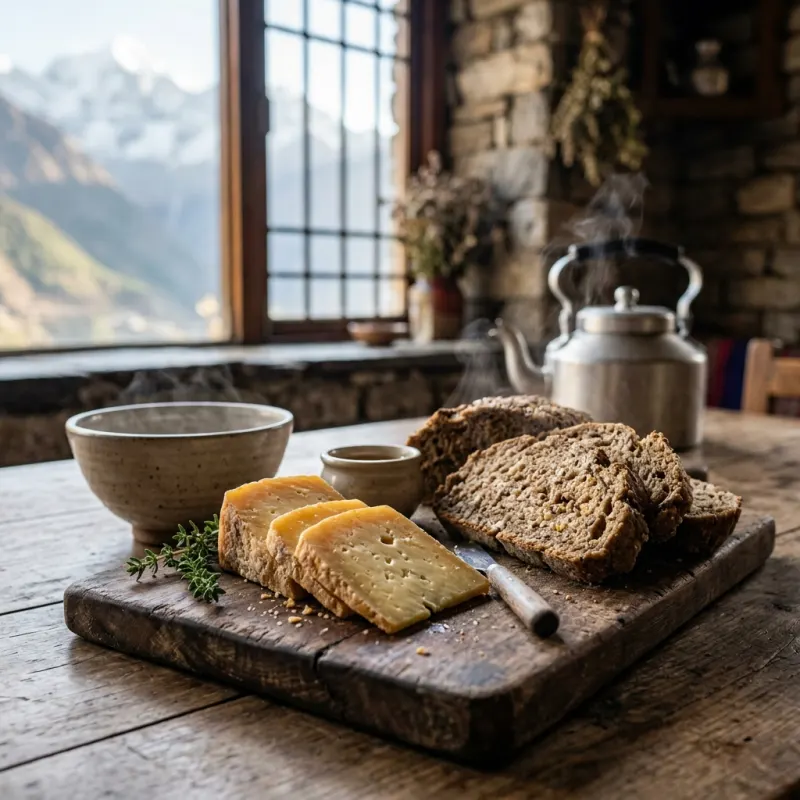
- Tour the historic Kyanjin Yak Cheese Factory, operating sustainably since 1955 with traditional Swiss-Nepalese dairy methods.
- Experience authentic Tamang and Tibetan Buddhist culture through prayer wheels, chortens, and sacred morning ceremonies at the local monastery.
- Savor unexpectedly high-quality fresh pastries, apple pies, and barista coffee at high-altitude community bakeries.
Things to Avoid
- Avoid ascending directly to Kyanjin Gompa without acclimatization days in lower settlements like Lama Hotel or Langtang Village.
- Do not drink unpurified tap, river, or glacial runoff water due to bacterial risks.
- Avoid trekking after sunset, as mountain temperatures plummet rapidly and trails lack lighting or safety rails.
- Do not display disrespect near Buddhist religious structures; always walk clockwise around prayer walls, chortens, and monasteries.
- Avoid relying on mobile internet or card machines, as cell coverage is erratic and electricity relies heavily on weather-dependent solar arrays.
Local Transportation Tips
There are no roads, motorized wheeled vehicles, or bicycles in Kyanjin Gompa. All transportation within and leading to the village is conducted purely on foot, accompanied by pack mules, horses, or local porters. The standard overland access route involves traveling by local bus or private four-wheel-drive jeep from Kathmandu to Syabrubesi, followed by a 3 to 4-day trek up the Langtang river canyon. In emergency situations or for luxury travelers, chartered helicopter flights operate directly to the village helipad, weather permitting.
Travel Etiquette
- Always circumambulate chortens, mani walls, and shrines in a clockwise direction in accordance with Buddhist tradition.
- Remove shoes before entering the prayer hall of Kyanjin Gompa and ask permission before taking photographs of monks or sacred relics.
- Dress modestly in teahouses and village alleys, keeping shoulders and knees covered despite exertion heat.
- Practice complete Leave No Trace principles by carrying all personal plastic waste, batteries, and non-biodegradable packaging back to lower urban centers.
Recommended Age Group
Due to intense altitude, significant physical demands, and extreme remote wilderness conditions, careful demographic planning is required for visiting Kyanjin Gompa.
- Babies (0-2 years): Not Recommended. The high altitude of 3,870m presents dangerous risks of acute mountain sickness and hypothermia, with no specialized pediatric medical facilities available.
- Kids (3-12 years): Not Recommended. Multi-day steep mountain trekking in rugged terrain combined with harsh sub-zero nights poses severe physical and safety challenges for young children.
- Teens (13-19 years): Recommended. Active teenagers with prior hiking background and robust fitness will find the physical challenge and Himalayan landscapes immensely educational and rewarding.
- Adults (20-64 years): Recommended. Ideal for trekking enthusiasts, alpine photographers, and nature lovers possessing sound cardiovascular health and adequate preparation.
- Seniors (65+ years): Neutral. Highly rewarding for fit older adults experienced in high-altitude trekking, but strictly contingent upon medical clearance and comprehensive emergency medical evacuation insurance.
Accessibility Level: Medium
- Terrain consists entirely of rocky, uneven dirt paths, steep boulder fields, and rustic stone stairs unsuitable for wheelchairs or mobility devices.
- Accommodations are rugged alpine teahouses typically lacking elevators, step-free access, handrails, or private accessible bathrooms.
- Emergency medical evacuation is limited exclusively to helicopter airlifts that depend on favorable daylight mountain weather.
Did You Know?
The famous Kyanjin Gompa Yak Cheese Factory was established in 1955 under the guidance of Swiss dairy expert Werner Schulthess, making it one of the earliest commercial cheese production initiatives in the entire Himalayan chain.
Cool Statistics
- Altitude: 3,870 meters (12,697 feet) above sea level
- Standard walking distance from Syabrubesi trailhead: approximately 35 kilometers (21.7 miles)
- Elevation gain from Syabrubesi: over 2,400 meters of cumulative climbing
- Average annual cheese production: over 5,000 kilograms of artisan yak cheese






Buy a compatible power adapter for your trip