Eastern Visayas occupies the eastern rim of the central Philippine archipelago, forming a geographical frontier between interior seas and the expansive Philippine Sea. Comprising six distinct provinces—Leyte, Southern Leyte, Samar, Eastern Samar, Northern Samar, and the island province of Biliran—the region is celebrated for geological complexity and ecological wealth. Its terrain ranges from jagged limestone karst massifs concealing some of the largest cave networks in Southeast Asia to dormant volcanic ridges harboring dense jungle waterfalls and natural thermal waters.
The region is equally defined by cultural and political heritage. Leyte served as the backdrop for General Douglas MacArthur's historic 1944 amphibious landing to liberate the country, commemorated at the MacArthur Leyte Landing Memorial National Park in Palo. The iconic San Juanico Bridge, spanning over two kilometers of azure water, physically unites Leyte and Samar. With its authentic fishing villages, unpaved coastal roads, and welcoming Waray-speaking communities, Eastern Visayas provides an unhurried, genuine encounter with the Philippine countryside.
Reasons to Visit
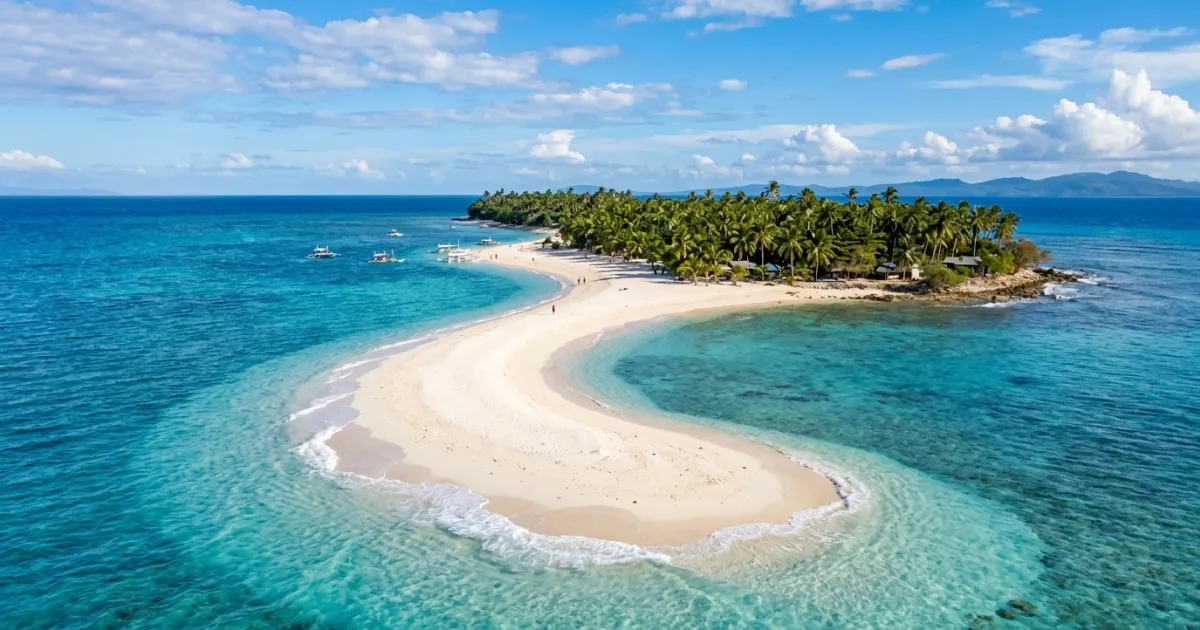
- Kalanggaman Island: Bask on one of the world's most photogenic and pristine virgin sandbars extending into crystal-clear turquoise waters.
- Samar Spelunking: Explore world-class underground cavern systems, including the cathedral-like chambers of Sohoton Caves and the vast Calbiga karst network.
- San Juanico Bridge: Cross one of the longest picturesque bridge structures in Southeast Asia, connecting Leyte and Samar over scenic islets.
- Historical Battlefields: Visit significant World War II commemorative landmarks, including the MacArthur Landing Memorial on Palo's Red Beach.
- Biliran's Waterfalls: Discover dramatic cascade clusters such as Tinago Falls and Ulan-Ulan Falls tucked into lush volcanic mountain slopes.
Things to Avoid
- Avoid setting out on marine crossings or open boat charters during official coast guard gale warnings or typhoon advisories.
- Do not attempt to explore deep cave systems in Samar without registered municipal guides and certified safety equipment.
- Avoid relying on credit cards outside primary urban centers like Tacloban City; rural outposts rely solely on cash.
- Do not touch, walk upon, or damage fragile coral formations and sandbar ecosystems around marine protected reserves.
Local Transportation Tips
Long-distance overland transit across Eastern Visayas operates primarily via air-conditioned passenger vans (UV Express) and provincial buses departing from integrated terminals in Tacloban, Ormoc, and Catbalogan. Local commuting within towns is handled by multi-cab passenger jeeps and motorized tricycles, which can be flagged down on street corners. Inter-island transit relies on roll-on/roll-off (RORO) vehicle ferries and traditional motorized wooden outriggers (bancas) connecting regional sea ports.
Travel Etiquette
- Greet elders and community leaders respectfully; using polite English or Tagalog honorifics like 'po' and 'opo' is appreciated.
- Dress modestly and remove footwear when entering local private homes or sacred religious buildings across rural parishes.
- Always request permission before photographing local fishermen, weavers, or children in provincial villages.
- Observe strict 'Leave No Trace' principles in national parks, cave systems, and marine sanctuaries.
Recommended Age Group
Eastern Visayas presents a landscape centered on wild outdoor exploration, requiring honest evaluation of terrain demands for different travelers.
- Babies (0-2 years): Not Recommended. Rugged boat rides, remote medical facilities, and intense tropical heat present significant logistical hurdles for infants.
- Kids (3-12 years): Neutral. Children who enjoy beach environments will appreciate Kalanggaman Island, though strenuous spelunking and long van rides can be exhausting.
- Teens (13-19 years): Recommended. Perfect for active teenagers eager to experience canyoning, swimming beneath waterfalls, cave trekking, and learning World War II history.
- Adults (20-64 years): Recommended. An outstanding destination for intrepid adventurers, nature photographers, and cultural explorers comfortable with authentic off-the-beaten-path journeys.
- Seniors (65+ years): Neutral. Older travelers focused on historic monuments and comfortable scenic drives will find Leyte accessible, but Samar's rougher wilderness trails require high mobility.
Accessibility Level: Medium
- Urban areas such as Tacloban City offer basic paved sidewalks and step-free access in modern shopping complexes, but regional accessibility infrastructure remains limited.
- Natural attractions, including the caves of Samar and Biliran waterfalls, feature uneven limestone, dirt pathways, and wooden staircases that are not wheelchair accessible.
- Public transportation options like tricycles and outrigger bancas require physical agility to embark and disembark safely.
Did You Know?
The Langun-Gobingob Cave system in Calbiga, Samar, is recognized as the largest karst cave network in the Philippines and ranks among the most extensive contiguous cavern complexes in all of Southeast Asia.
Cool Statistics
- 2,164 meters: Total structural length of the iconic San Juanico Bridge spanning the San Juanico Strait.
- 6: Distinct provinces that make up the Eastern Visayas administrative territory (Region VIII).
- 1521: The historic year Portuguese explorer Ferdinand Magellan made his first Philippine landfall on Homonhon Island in Eastern Samar.






Buy a compatible power adapter for your trip