

Low – budget‑friendly basics
Medium – moderate mid‑range costs
High – pricey lodging, dining & transport
Disclosure: This site contains affiliate links. We may earn a commission if you make a purchase, at no extra cost to you.
Low – budget‑friendly basics
Medium – moderate mid‑range costs
High – pricey lodging, dining & transport
5 shields = Excellent – very low crime or conflict.
4 shields = Safe – low risk, routine care.
3 shields = Relatively safe – use normal street smarts.
2 shields = Use caution – higher crime or periodic unrest.
1 shields = Avoid – active conflict or extreme danger.
Scores are derived from multi-year peace, homicide and security indices blended into a single 1-to-5 scale.
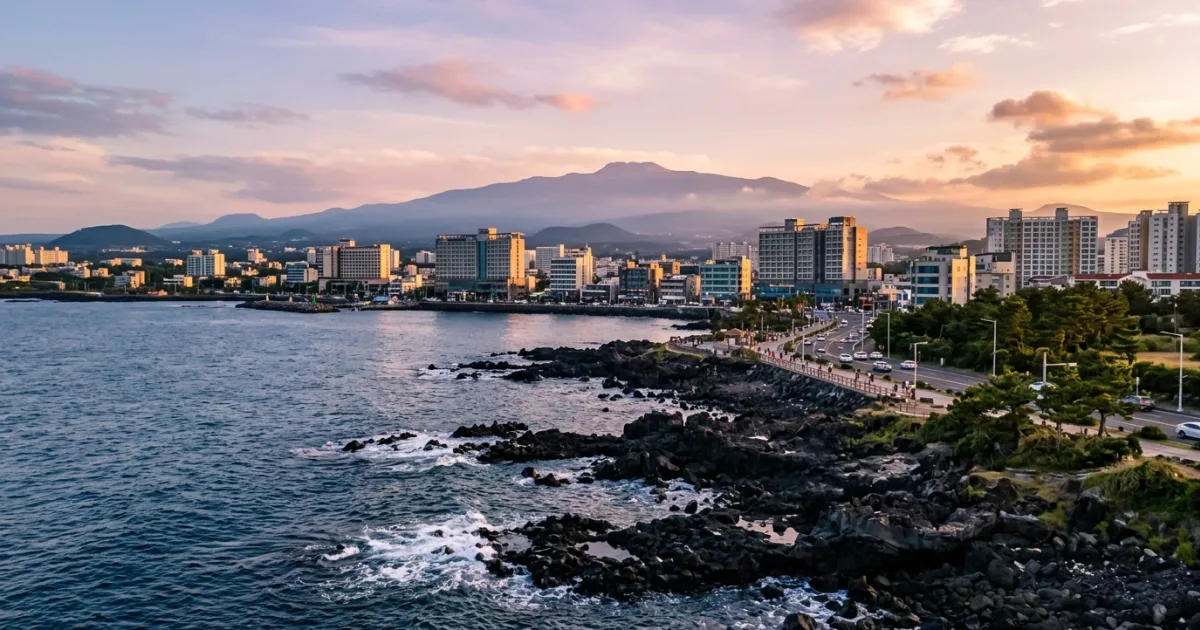
Jeju City serves as the vibrant northern gateway and cultural epicenter of South Korea’s premier resort island. Situated along the Korea Strait beneath the distant silhouette of Hallasan mountain, this coastal provincial hub seamlessly marries dynamic urban centers with ancient volcanic folklore. Travelers discover immediate access to coastal geology at Yongduam Rock, expansive local produce and street fare inside Dongmun Traditional Market, and breezy boardwalks connecting seaside districts. Beyond its bustling municipal grid, Jeju City anchors the island's comprehensive transportation network, making it the practical starting point for islandwide excursions. Visitors can spend mornings sampling citrus-infused baked goods in sleek waterfront cafés and afternoons exploring centuries of island history at Samseonghyeol shrine or the Jeju National Museum. With exceptional public safety, clean street infrastructure, and a world-renowned dining scene centered on local heritage ingredients, Jeju City functions as an essential, high-comfort destination.
Jeju City is the administrative capital and commercial heartbeat of Jeju Special Self-Governing Province. Spread along the northern coastline of Jeju Island, it combines urban conveniences with maritime charm. The city is broadly divided into Gu-Jeju (Old Jeju), home to historic districts, the ferry port, and traditional markets, and Shin-Jeju (New Jeju), known for wide boulevards, government offices, and duty-free shopping avenues.
As the primary transit hub connecting Jeju International Airport to the rest of the island, Jeju City serves as both an indispensable base for road trips and a self-contained cultural destination. Visitors can explore volcanic formations right along the shoreline, wander through ancient stone heritage sites, and experience modern South Korean café culture overlooking coastal breakwaters.
Jeju City possesses a robust municipal bus system comprising blue (trunk), green (branch), and red (express) buses that cover all major urban nodes and regional terminals. Payment is seamless via rechargeable T-money cards, which offer free transfers within 40 minutes. Taxis are abundant, affordable, and readily hailed at street stands or booked through the Kakao T application. For independent exploration around the wider island, rental car depots operate frequent free shuttle buses directly from Jeju International Airport.
Jeju City caters well to visitors across varying generations due to its exceptional safety standards, accessible dining, and smooth urban infrastructure.
The Samseonghyeol shrine in central Jeju City preserves three depressions in the earth where, according to local myth, the three founding demigods of Jeju—Go, Yang, and Bu—miraculously emerged from the ground thousands of years ago.

Jeju City enjoys a temperate oceanic climate characterized by mild winters and warm, humid summers, making spring and autumn optimal for travel.
Remember to check the weather forecast a few days before the trip and before heading to the airport.
5 shields = Excellent – very low crime or conflict.
4 shields = Safe – low risk, routine care.
3 shields = Relatively safe – use normal street smarts.
2 shields = Use caution – higher crime or periodic unrest.
1 shields = Avoid – active conflict or extreme danger.
Scores are derived from multi-year peace, homicide and security indices blended into a single 1-to-5 scale.
The rating is based on multi-year peace, crime, and security indices. Before you go, always verify current conditions through official government travel advisories.
No internet needed • Includes local translations • Free for TravelingWiz readers

Low – budget‑friendly basics
Medium – moderate mid‑range costs
High – pricey lodging, dining & transport
Per person, per day – pocket cash for small purchases.
Full daily spend estimation (accommodation, food, transportation, attractions).
Travel Style | South Korean Won (KRW) | ≈ USD ($) |
|---|---|---|
Budget | ||
Mid-range | ||
Comfort |
The Prices, Daily costs, and calculator results are estimates for planning purposes only. Actual costs may vary based on season, booking timing, personal spending habits, and currency fluctuations. TravelingWiz cannot be held responsible for discrepancies between these estimates and your final trip expenses.
Choose a ready-made itinerary, plan your own trip, and keep TravelingWiz by your side while you travel.
Get the TravelingWiz app →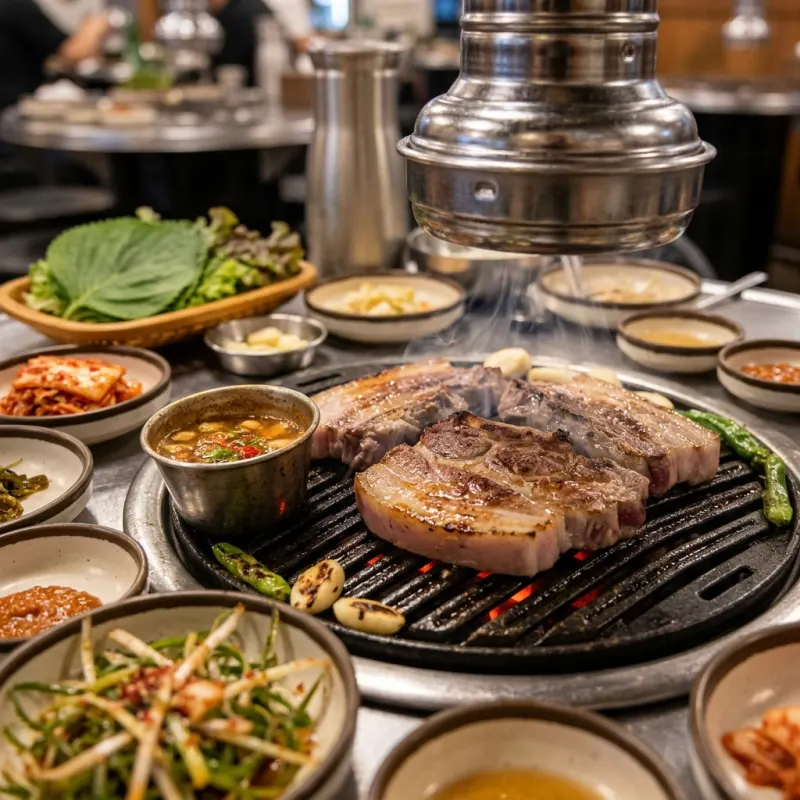
Discover cooking classes, tastings and local food tours
Logistics shouldn’t be the focus of your trip—the experience should. I’ve hand-vetted these essential partners to ensure your arrival, stay, and exploration are as smooth as an Athenian breeze.

Compare accommodation options and choose a stay that suits your plans and budget.
Connect with local guides for personalized help planning and exploring.
The “Engineer’s” rule: always have a backup. Secure your trip with a plan that covers every “what if” and unexpected change.
Don’t let paperwork slow you down. Get expert assistance with your application to ensure all your entry documents are in order.
Check out our related articles and blog posts to learn even more about the destination.
Share with your friends and family
