Disclosure: This site contains affiliate links. We may earn a commission if you make a purchase, at no extra cost to you.

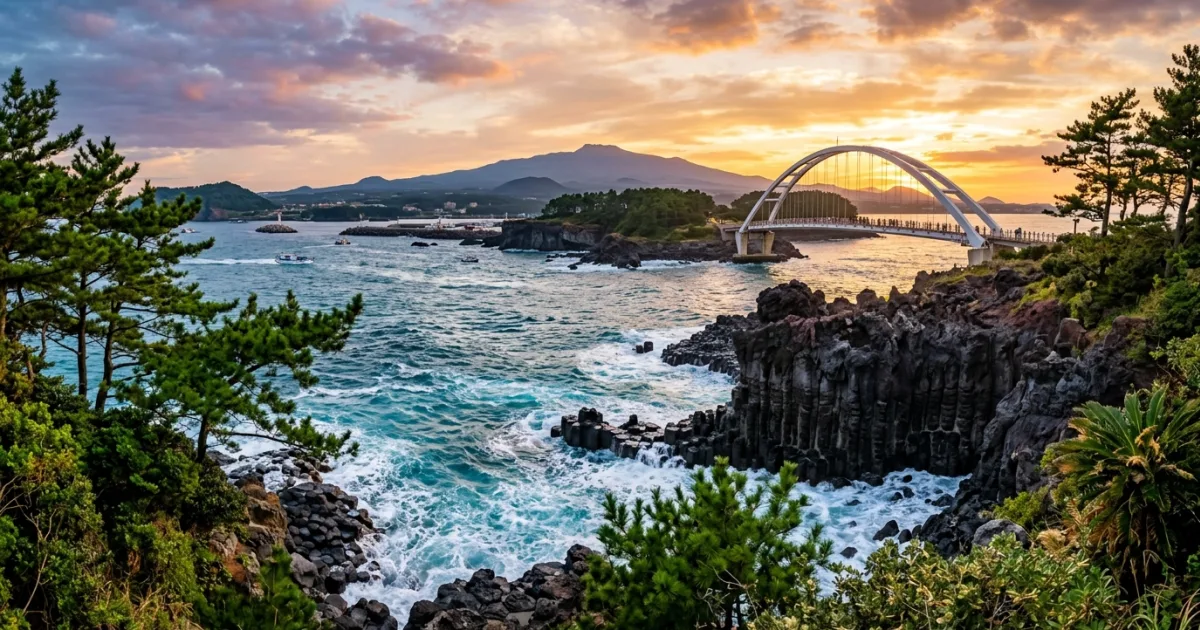
Dramatic volcanic coastline of Seogwipo with basalt rock formations and turquoise waters on Jeju Island

Seogwipo Overview & Key Highlights

Seogwipo sits on the southern volcanic rim of Jeju Island, backed by the southern slopes of Mount Hallasan and fringed by rugged marine cliffs. The coastal climate here is milder and noticeably warmer than the island's northern shore, allowing lush mandarin groves, coastal pine forests, and subtropical flora to flourish year-round. Travelers venture here primarily for world-class coastal walking along the Jeju Olle Trail, dramatic waterfalls that plummet directly into tidal pools, and unique geological marvels such as the hexagonal Jusangjeolli basalt columns. Beyond its dramatic geography, Seogwipo preserves profound cultural traditions rooted in the sea. The city serves as a living cultural center for Jeju's revered Haenyeo, the intrepid female free-divers who harvest seafood from the ocean floor without breathing apparatus. Visitors can wander through the lively alleys of Seogwipo Maeil Olle Market to sample fresh sea urchin, black pork skewered over charcoal, and Hallabong citrus, or dive deep into underwater volcanic formations around Munseom Islet, recognized as one of East Asia's premier soft coral diving destinations.

Seogwipo Travel Guide: Logistics & In-Depth Tips

Seogwipo covers the southern territory of Jeju Island, spanning from pristine coastal cliffs up toward the volcanic rim of Hallasan National Park. Historically an agricultural and fishing settlement, modern Seogwipo has evolved into a premier nature sanctuary and creative haven that attracts artists, hikers, and marine adventurers from across the globe. The city's geography is defined by columnar basalt formations, emerald ocean waters, and verdant valleys carved by freshwater streams that cascade directly into the sea.

The downtown core maintains a relaxed, pedestrian-friendly atmosphere focused around the Lee Jung-seop Cultural Street, named after the iconic Korean modern painter who found refuge here during the Korean War. A short walk southward brings travelers to the busy fishing port and the iconic Saeyeongyo Bridge, which links the mainland to uninhabited Saeseom Island via a footbridge shaped like a traditional Jeju sailing raft (Tewoo). Whether exploring botanical gardens, sampling local mandarins at roadside stands, or diving among soft coral reefs, Seogwipo delivers a calm and rejuvenating counterpoint to the faster pace of northern Jeju City.

Reasons to Visit

  • Dramatic Volcanic Waterfalls: Witness Cheonjiyeon, Cheonjeyeon, and Jeongbang Waterfall—the latter being one of the only waterfalls in Asia to plunge directly into the ocean.
  • World-Class Coastal Trekking: Walk breathtaking coastal paths along the famed Jeju Olle Trail, navigating volcanic bluffs, pine groves, and secluded pebble beaches.
  • Culinary Delights: Indulge in sizzling Jeju black pork barbecue, fresh cutlassfish stew (Galchi-jorim), and citrus treats at Seogwipo Maeil Olle Market.
  • Marine and Soft Coral Diving: Dive or snorkel around Munseom and Beomseom Islets, home to colorful subtropical reef ecosystems and crystal-clear waters.
  • Rich Artisan Heritage: Stroll through artisan studios, craft workshops, and open-air galleries along the vibrant Lee Jung-seop Cultural Street.

Things to Avoid

  • Avoid relying exclusively on Google Maps; navigation is restricted in South Korea, so download Naver Map or KakaoMap in English before arrival.
  • Do not ignore red coastal surf warnings or climb over barrier ropes along the cliffs at Jusangjeolli or Oedolgae.
  • Avoid planning outdoor activities during sudden heavy summer rains without checking mountain stream warnings, as water levels at waterfalls rise rapidly.
  • Do not touch or harvest mandarins from private orchards lining walking paths without explicit owner permission.

Local Transportation Tips

Seogwipo is well-serviced by Jeju's unified public bus network, categorized by color: Red express buses run high-speed routes across the island, Blue buses connect main transit corridors, and Green feeder buses service local neighborhoods and trailheads. A T-Money transit card covers all bus rides with free transfers within 40 minutes. Taxis are abundant, reliable, and equipped with fare meters, while rental cars remain the most flexible option for travelers eager to explore hidden coastal nooks and remote southern mountain roads.

Travel Etiquette

  • Remove your footwear when entering traditional restaurants with low tables, guesthouses, or temples.
  • Accept items, drinks, and credit cards using both hands or with your right hand supported at the forearm by your left hand as a sign of respect.
  • Leave bus priority seats (marked with pink or blue signage) vacant for the elderly, pregnant women, and passengers with disabilities.
  • Separate trash diligently at waste receptacles, dividing recyclables, food waste, and general refuse according to municipal regulations.

Recommended Age Group

Seogwipo offers diverse attractions that accommodate travelers of all life stages, balancing outdoor adventure with comfortable resort amenities.

  • Babies (0-2 years): Neutral. Paved coastal promenades and botanical gardens accommodate strollers, but rocky waterfall access points and volcanic hiking paths are inaccessible with wheels.
  • Kids (3-12 years): Recommended. Children will love the interactive exhibitions at the Teddy Bear Museum, running along wide beaches, and taking the Seogwipo Submarine tour.
  • Teens (13-19 years): Recommended. Great for coastal kayaking, paddleboarding, snorkeling, hiking trails, and exploring youth-oriented cafes and markets.
  • Adults (20-64 years): Recommended. Perfect balance of scenic driving, premier hiking, culinary exploration, and serene luxury wellness stays.
  • Seniors (65+ years): Recommended. Relaxed pacing, temperate weather, barrier-free boardwalks at major sites like Cheonjiyeon, and tranquil ocean-facing resorts.

Accessibility Level: Medium

  • Cheonjiyeon Waterfall features paved, flat, wheelchair-accessible walking pathways flanked by lush trees leading directly to the falls.
  • The Jusangjeolli Cliff observation zone provides elevated wooden ramped boardwalks that offer panoramic views without negotiating steps.
  • Low-floor city buses operating on main routes in Seogwipo are equipped with automated wheelchair ramps and designated tie-down areas.
  • Traditional coastal footpaths along the Olle Trail involve uneven volcanic rock, loose dirt, and stairs, which are unsuitable for wheelchairs or mobility scooters.

Did You Know?

Jeongbang Waterfall in Seogwipo is celebrated as one of the extremely rare waterfalls on the Asian continent where fresh mountain water pours directly into the saltwater of the ocean.

Cool Statistics

  • Jeju Olle Trail features over 437 kilometers of linked walking routes across the island, with several of the highest-rated segments located squarely in Seogwipo.
  • Munseom Marine Reserve supports more than 160 species of soft corals and over 250 species of subtropical fish, fed by warm Kuroshio ocean currents.
  • Over 70% of South Korea's beloved Hallabong, Cheonhyehyang, and mandarin citrus harvest originates in the fertile volcanic microclimates of Seogwipo.


Address:

Seogwipo, South Korea

Find Nearby Accommodations

Basic Info

address icon

COUNTRY & Region

South Korea,
Asia & Pacific, Asia

ACCESSIBILITY LEVEL​

Medium
Currency icon

LOCAL CURRENCY​

South Korean Won (KRW)
Price level icon
Medium
Safety Level icon

SAFETY LEVEL

Duration icon

Recommended Duration

• 1-7 days
• Full day

Electricity

electricity icon

Electricity

220-240V, 
60Hz
Plug Socket icon

Plug Type

• Type C (Round pin)
• Type F (Two round pins with earth clips)
Plug types
Click To View Plug Types
Seogwipo is part of our
Solo Female Friendly collection

Activities To Do In Seogwipo

Best Time To Visit Seogwipo

Seogwipo enjoys a warm temperate climate that transitions into humid subtropical conditions during the summer months.

  • Spring (April to June): Pleasant temperatures between 15°C and 22°C, blooming cherry blossoms, yellow canola fields, and ideal conditions for trekking the Olle Trail.
  • Autumn (September to November): Clear skies, mild sea temperatures, and brilliant foliage across the southern Hallasan slopes, offering the finest weather of the year.
  • Summer (July to August): High humidity, frequent rainfall, and warmer ocean waters perfect for snorkeling and diving, though typhoons can occasionally pass through.
  • Winter (December to March): Considerably milder than mainland Korea with daytime highs around 8°C to 11°C, making it a comfortable winter getaway with vibrant camellia blooms.

Average Temperatures Per Month

Remember to check the weather forecast a few days before the trip and before heading to the airport.

Safety Level icon

Safety Level

Violent crime is practically nonexistent in Seogwipo, making it exceptionally safe for solo travelers and families at any hour. The primary risks are natural: stay behind safety fences along coastal cliffs like Jusangjeolli and Oedolgae, as black basalt stones become extremely slippery when wet. Monitor local weather reports during typhoon season (July through September), as high coastal surf can lead to temporary closures of low-lying seaside trails.

The rating is based on multi-year peace, crime, and security indices. Before you go, always verify current conditions through official government travel advisories.

Emergency Numbers

Police: 112
Ambulance: 119

No internet needed • Includes local translations • Free for TravelingWiz readers

Spoken Languages

Korean (Jeju dialect is spoken by older locals; basic English is understood in hotels, cafes, and major tourist hubs)

Learn The Language

  • Annyeonghaseyo: Hello
  • Gamsahamnida: Thank you
  • Olmayeyo?: How much is it?
  • Igeo juseyo: Please give me this
  • Hwajangsil eodi-yeyo?: Where is the restroom?
  • Jeogi-yo: Excuse me (to get attention)
  • Yeong-eo halsu isseoyo?: Do you speak English?
  • Mat-isseoyo!: It is delicious!
Travel Booking Partner - TravelingWiz

Trip Cost & Budgeting for Seogwipo, 2026

Everything you need to know about money while traveling
Is Seogwipo expensive for tourists in 2026? Seogwipo offers a moderate budget environment compared to Western tourist spots. Based on Human Verified prices, you can expect to pay around 5,500 KRW for a cappuccino, 5,000 KRW for a domestic beer, and 15,000 KRW for a standard restaurant meal. Accommodation and transportation costs stay fairly reasonable throughout Jeju Island. Use the data table below to calculate your specific daily budget based on your travel style.
Currency icon

LOCAL CURRENCY​:

South Korean Won (KRW)
Price level icon
Medium
Credit cards are accepted nearly everywhere in Seogwipo, but cash is helpful for market stalls and bus card top-ups.

Per person, per day – pocket cash for small purchases.

Local: 14500
South Korean Won (KRW)
≈ 11 USD

Full daily spend estimation (accommodation, food, transportation, attractions).

Travel Style
South Korean Won (KRW)
≈ USD ($)
Budget
79750
59
Mid-range
145000
107
Comfort
319000
235

The Prices, Daily costs, and calculator results are estimates for planning purposes only. Actual costs may vary based on season, booking timing, personal spending habits, and currency fluctuations. TravelingWiz cannot be held responsible for discrepancies between these estimates and your final trip expenses.

  • • Buy a T-Money card at a convenience store to easily pay for and transfer between public buses.
  • • Dine on local street food and fresh snacks at Seogwipo Maeil Olle Market for high-value meals.
  • • Take advantage of inexpensive entry fees at scenic natural sights like Jeongbang Waterfall and Saeseom Island.
  • • Use public bus routes or rent a small car to explore Jeju rather than taking long-distance taxis.

Pre-Order Tickets

Avoid disappointment when tickets sell out — and skip the long lines by booking online in advance. You’ll often save up to 20% too.
Save up to 20%

Travel Discounts & Coupons

Save on hotels, attractions, transport, and gear — find verified discounts for smarter travel spending.
Verified Coupons

What To Pack

  • Sturdy trail walking shoes or hiking boots with high-traction soles for volcanic rock trails and Olle paths.
  • A windproof shell jacket to withstand sudden coastal gusts along seaside bluffs.
  • Reef-safe sunscreen, polarized sunglasses, and a wide-brim hat for outdoor coastal exploration.
  • A compact travel umbrella or lightweight rain poncho for localized southern showers.
  • Type C/F electrical plug adapter and a portable power bank for navigation apps like Naver Map.
We couldn't find tips for Seogwipo.
If you got any, please share

Recommended Itineraries for Traveling to Seogwipo

We couldn't find itineraries for Seogwipo.
you can contact us for custom trip plan

Food & Drink Highlights

Local Food Overview

Seogwipo's cuisine centers on pristine ocean catches, locally reared Jeju black pork, and citrus fruits cultivated on the sun-drenched volcanic slopes. Traditional meals emphasize unmasked natural flavors, with live abalone, tender hairtail fish (galchi), and sea urchin featured prominently in broths, porridges, and stews.
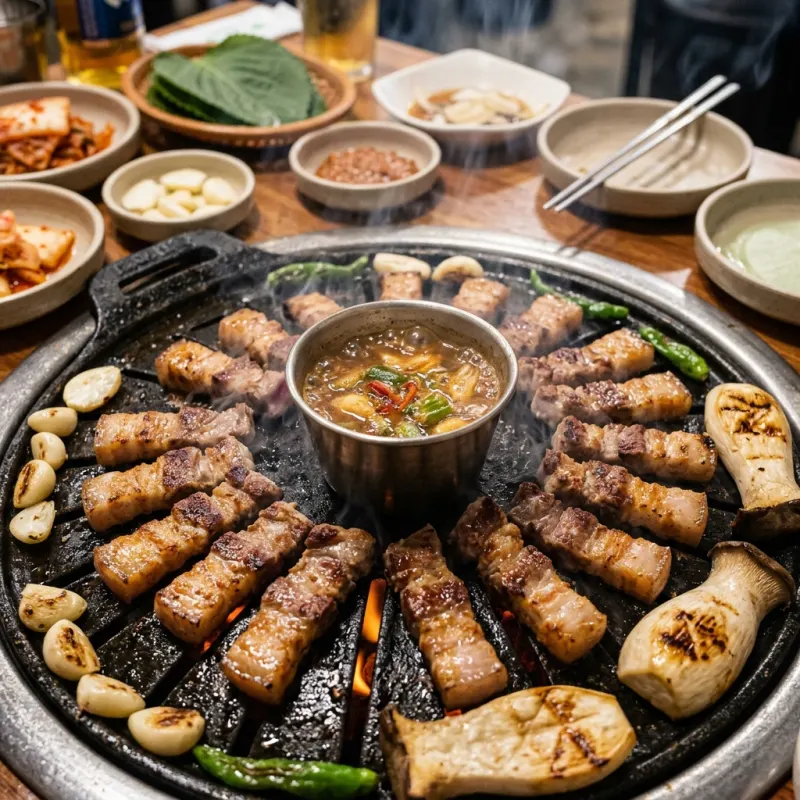
Sizzling Jeju black pork grilling over charcoal with boiling meljeot dipping sauce in Seogwipo

Must Try Dish

Jeju Heuk-dwaeji (Black Pork Barbecue) - Thick slabs of marbled heritage pork grilled over red-hot charcoal until crisp on the outside and exceptionally juicy inside. It is traditionally dipped in meljeot, a savory fermented anchovy sauce that deepens the pork's natural sweetness.
Food Experiences Title Icon

Food
Experiences

Discover cooking classes, tastings and local food tours

No food experience found
Maya, the human travel expert at TravelingWiz, offering curated, non-AI expertise

Maya’s Final Checklist for Seogwipo

Logistics shouldn’t be the focus of your trip—the experience should. I’ve hand-vetted these essential partners to ensure your arrival, stay, and exploration are as smooth as an Athenian breeze.

Where to Stay

From boutique hotels to local apartments—compare thousands of options and find the perfect stay in the best neighborhood.

Air Travel

Getting there should be seamless. Compare the best routes and prices across top airlines to start your journey on the right note.

Local Guides

Connect with experts who know the destination best. Get personalized advice and insider tips to help you plan your perfect trip.

Travel Protection

The “Engineer’s” rule: always have a backup. Secure your trip with a plan that covers every “what if” and unexpected change.

Car Rentals

Explore at your own pace with total freedom. Compare reliable rental options and find the right vehicle for your adventure.

Visa Services

Don’t let paperwork slow you down. Get expert assistance with your application to ensure all your entry documents are in order.

FAQs

The most convenient option is the Airport Limousine Bus (Route 600), which departs every 15-20 minutes directly from Jeju Airport to Seogwipo’s major hotels, downtown, and the Jungmun Tourist Complex in approximately 60 to 80 minutes.
Yes, city buses and intercity routes connect major attractions efficiently. English announcements and bilingual signage are standard, though downloading Naver Map or KakaoMap is recommended for real-time bus schedules and routes.
Olle Route 6 (Lee Jung-seop Street to Soesokkak Estuary) and Route 7 (Oedolgae to Wolpyeong) are widely regarded as the most picturesque coastal sections. They feature clear signposting with blue-and-orange ribbons and carved wooden pony markers (Ganse).
Yes, on clear days, the entire southern facade of Mount Hallasan forms an imposing, photogenic backdrop behind the city and its coastal mandarin orchards.

Your Insights Matter

TravelingWiz grows through the stories of our community. If you’ve recently explored ,Seogwipo share your tips and stories to help us perfect our guides for the next traveler.

Related Articles

Check out our related articles and blog posts to learn even more about the destination.

No related articles found

Don’t Travel Alone

Share with your friends and family

Where should we send your offline card?

We hate spam just as much as you do

newsletter_consent *