Disclosure: This site contains affiliate links. We may earn a commission if you make a purchase, at no extra cost to you.

Ha Long Bay

Panoramic view of Ha Long Bay limestone karsts rising from emerald waters during golden hour

Basic Info

COUNTRY & Region

Vietnam,
Asia

ACCESSIBILITY LEVEL​

  • High: Widely accessible with good facilities for disabilities.
  • Medium: Some accessible options, but limitations exist.
  • Low: Limited accessibility; many barriers for disabilities.
Medium

LOCAL CURRENCY​

Vietnamese Dong (VND)

Price Level

Low – budget‑friendly basics

Medium – moderate mid‑range costs

High – pricey lodging, dining & transport

Low

SAFETY LEVEL

5 shields = Excellent – very low crime or conflict.

4 shields = Safe – low risk, routine care.

3 shields = Relatively safe – use normal street smarts.

2 shields = Use caution – higher crime or periodic unrest.

1 shields = Avoid – active conflict or extreme danger.

Scores are derived from multi-year peace, homicide and security indices blended into a single 1-to-5 scale.

Recommended Duration

Full day, Overnight, 1-7 days

Ha Long Bay Overview & Key Highlights

Ha Long Bay is a UNESCO World Heritage site situated in Quang Ninh Province in northeastern Vietnam, spanning approximately 1,553 square kilometers and featuring roughly 1,600 towering limestone karsts and islets. Rising dramatically out of jade-green waters in the Gulf of Tonkin, these ancient geological formations developed over 500 million years of complex tropical karst processes. Most karsts are uninhabited and cloaked in dense jungle vegetation, creating a surreal seascape punctuated by hollow sea arches and cavernous grottoes. Visitors predominantly explore the archipelago aboard traditional wooden junk boats and modern multi-day expedition vessels that anchor in sheltered lagoons. Key highlights include exploring illuminated limestone caverns such as Sung Sot Cave, paddling sea kayaks through the marine tunnel of Luon Cave, and climbing the summit trail of Ti Top Island for panoramic vistas. The surrounding waters also provide access to floating fishing villages, pearl farms, and quieter neighboring maritime routes into Bai Tu Long Bay and Lan Ha Bay.

Ha Long Bay Travel Guide: Logistics & In-Depth Tips

Designated as a UNESCO World Heritage site in 1994, Ha Long Bay comprises an extraordinary maritime landscape of limestone pillars, sinkholes, and marine-flooded caverns sculpted over millennia. These geological landforms, known as tower karsts and fenglin formations, rise precipitously between 50 and 100 meters above sea level across the Gulf of Tonkin. The ecosystem hosts specialized biodiversity, including tropical evergreen rainforests clinging to sheer rock cliffs, mangrove forests along tidal margins, and marine species inhabiting offshore coral beds.

Cultural history in the bay spans prehistoric Hoabinhian hunter-gatherer cultures dating back tens of thousands of years. In more recent centuries, floating villages such as Cua Van and Vung Vieng served as self-contained communities where multi-generational families resided aboard tied floating timber houses sustained by net-fishing and mariculture. While local authorities have relocated most residents to the mainland to protect water quality, cultural floating heritage centers remain open to educate maritime visitors.

Reasons to Visit

  • Witness over 1,600 dramatic limestone karsts rising majestically out of emerald waters.
  • Embark on an overnight boutique cruise complete with sunrise Tai Chi sessions and panoramic sundecks.
  • Paddle a sea kayak through secluded tidal grottoes and peaceful inland sea lagoons.
  • Venture deep into colossal limestone caverns decorated with stalactites, stalagmites, and ancient folk legends.
  • Savor freshly caught seafood and regional delicacies like artisanal hand-pounded squid cakes.

Things to Avoid

  • Do not book unverified ultra-budget day boats from unofficial street touts in Hanoi or Tuan Chau Marina, as safety and vessel standards vary widely.
  • Avoid jumping off cruise decks or swimming in unauthorized zones due to unpredictable marine undercurrents and boat traffic.
  • Do not litter plastic or discard waste into the water, as marine debris threatens the delicate karst biosphere.
  • Avoid wearing footwear without traction when embarking on tenders or climbing steep wet trails inside caves.

Local Transportation Tips

The primary modes of local transit in Ha Long Bay are maritime vessels. Modern cruisers depart from main terminals including Tuan Chau International Marina and Ha Long International Cruise Port. For close-up exploration within shallow lagoons, vessels deploy motorized tender launches, two-person sea kayaks, or traditional bamboo sampans rowed by local boatmen. On land around Ha Long City, metered taxis (such as Mai Linh or Taxi Xanh SM electric vehicles) and ride-hailing applications provide efficient transit between hotels and ports.

Travel Etiquette

  • Dress respectfully with covered shoulders and knees when visiting nearby pagodas or floating cultural community centers.
  • Remove shoes before stepping into the living or sleeping quarters of traditional wooden cruising boats if requested by the crew.
  • Practice quiet mindfulness during early morning hours in tranquil bay anchorages to respect other vessels and local wildlife.
  • Always tip cruise guides, skippers, and hospitality staff directly for dedicated maritime service.

Recommended Age Group

Ha Long Bay accommodates a broad spectrum of travelers, though physical agility plays a notable role in island and cave activities.

  • Babies (0-2 years): Not Recommended. Transferring between cruise ships and bobbing tender skiffs presents safety challenges, and staterooms have tight quarters.
  • Kids (3-12 years): Recommended. Children enjoy boat sleeping quarters, beach excursions on Ti Top Island, exploring luminous cave trails, and tandem kayaking.
  • Teens (13-19 years): Recommended. Active teenagers thrive on adventurous water sports, squid fishing off the aft deck at night, and hiking steep karst viewpoints.
  • Adults (20-64 years): Recommended. Perfect balance of relaxation, scenic photography, gourmet coastal dining, and active outdoor pursuits.
  • Seniors (65+ years): Recommended. Excellent scenery accessible directly from luxury cruise sundecks and balconies, though steep cave staircases can be bypassed for relaxation aboard.

Accessibility Level: Medium

  • Main cruise embarkation terminals at Tuan Chau and Ha Long Port feature step-free paved ramps and elevators.
  • Standard overnight junks contain steep internal wooden stairs and narrow gangways unsuitable for non-collapsible wheelchairs.
  • Select modern luxury steel mega-cruisers offer elevator access to cabin decks, wide corridors, and step-free dining salons.
  • Cave excursions (including Sung Sot and Thien Cung) involve 100 to 400 stone steps and are not wheelchair accessible.
  • Tender boat embarkation requires stepping across open water gaps with crew physical support.

Did You Know?

According to Vietnamese mythology, the archipelago was created when the Jade Emperor sent a family of celestial dragons to defend the country from sea invaders. The dragons spat emeralds and jade stones into the sea, which instantaneously morphed into thousands of impenetrable limestone islands and towering karsts, sinking the enemy fleet and creating the geographic wonder known today as Hạ Long, meaning 'Descending Dragon'.

Cool Statistics

  • Total area of the UNESCO World Heritage core zone covers 434 square kilometers with 775 islands and islets.
  • Age of the bedrock formations spans between 250 million and 500 million years.
  • Sung Sot Cave measures over 12,200 square meters across two primary interconnected chambers.
  • Over 500 species of marine fauna and 60 endemic fauna species inhabit the bay and adjacent waters.

Address:

Ha Long Bay, Ha Long, Vietnam

Find Nearby Accommodations

Electricity

220-240V, 
50Hz

Plug Type

Type A (Flat blade), Type C (Round pin), Type G (Three rectangular pins in a triangular pattern)
Plug types
Click To View Plug Types
Ha Long Bay is part of our
Set-Jetting collection

Activities To Do In Ha Long Bay

Best Time To Visit Ha Long Bay

Ha Long Bay experiences a tropical monsoon climate characterized by four distinct seasonal phases, with maritime weather influencing cruise operations year-round.

  • March to May (Spring): Optimal travel window offering mild temperatures averaging 20°C to 26°C, clear skies, and calm sea conditions ideal for kayaking and outdoor cave exploration.
  • June to August (Summer): Hot and humid conditions with daytime temperatures reaching 33°C; ideal for swimming, though tropical storms and typhoon alerts can occasionally disrupt or cancel vessel departures.
  • September to November (Autumn): Peak cruising season featuring pleasant dry weather, low humidity, crystal-clear water visibility, and vivid golden sunsets.
  • December to February (Winter): Cooler, misty conditions with daytime temperatures dropping between 13°C and 18°C; creates an ethereal, atmospheric karst landscape, though swimming is generally too brisk.

Average Temperatures Per Month

Average monthly temperaturesMonthly source values, with Celsius and Fahrenheit equivalents in the following data table.10°50°16°61°23°73°29°84°35°95°JanJan: 17°C / 63°FFebFeb: 19°C / 66°FMarMar: 22°C / 72°FAprApr: 24°C / 75°FMayMay: 28°C / 82°FJunJun: 30°C / 86°FJulJul: 30°C / 86°FAugAug: 29°C / 84°FSepSep: 27°C / 81°FOctOct: 24°C / 75°FNovNov: 22°C / 72°FDecDec: 18°C / 64°F
View temperature data
Average monthly temperatures
Month°C°F
Jan1763
Feb1966
Mar2272
Apr2475
May2882
Jun3086
Jul3086
Aug2984
Sep2781
Oct2475
Nov2272
Dec1864

Remember to check the weather forecast a few days before the trip and before heading to the airport.

Safety Level

5 shields = Excellent – very low crime or conflict.

4 shields = Safe – low risk, routine care.

3 shields = Relatively safe – use normal street smarts.

2 shields = Use caution – higher crime or periodic unrest.

1 shields = Avoid – active conflict or extreme danger.

Scores are derived from multi-year peace, homicide and security indices blended into a single 1-to-5 scale.

Adhere strictly to maritime safety protocols and wear life vests whenever transferring aboard tender skiffs or operating open kayaks. Ensure you book cruises through licensed, reputable operators registered with the Quang Ninh Port Authority to guarantee certified safety gear and fire detection systems. Be cautious when traversing damp, moss-covered steps inside Sung Sot Cave and Ti Top Island, where condensation creates slippery footpaths. Keep high-value valuables locked in onboard cabin safes rather than carrying them into crowded harbor terminals.

The rating is based on multi-year peace, crime, and security indices. Before you go, always verify current conditions through official government travel advisories.

Emergency Numbers

Police: 113
Ambulance: 115

No internet needed • Includes local translations • Free for TravelingWiz readers

Spoken Languages

Vietnamese (official); English is widely spoken by hospitality staff, cruise directors, and licensed guides.
Travel Booking Partner - TravelingWiz

Learn The Language

  • Xin chào – Hello (sin chow)
  • Cảm ơn – Thank you (gahm un)
  • Làm ơn – Please (lahm un)
  • Bao nhiêu tiền? – How much is this? (bow nyew tyen)
  • Cứu tôi với! – Help me! (kew toy voy)
  • Vâng / Dạ – Yes (vuhng / zah)
  • Không – No (khohm)
  • Tạm biệt – Goodbye (tahm byet)

Trip Cost & Budgeting for Ha Long Bay, 2026

Everything you need to know about money while traveling
Is Ha Long Bay expensive for tourists in 2026? No, it is very affordable. Ha Long Bay sits in Northern Vietnam, so local prices match the region's low costs. With our Human Verified prices, you pay around 48,900 VND for a cappuccino, 30,000 VND for a pint of domestic beer, and 250,000 VND for a mid-range restaurant meal. Use the data table below to calculate your specific daily budget based on your travel style.

LOCAL CURRENCY​:

Vietnamese Dong (VND)

Price Level:

Low – budget‑friendly basics

Medium – moderate mid‑range costs

High – pricey lodging, dining & transport

Low

Cards Vs. Cash

Major hotels and upscale venues accept credit cards, but cash is essential for street food, markets, and rural transport.

How Much Cash to Carry (on you)

Per person, per day – pocket cash for small purchases.

Local: 170000
Vietnamese Dong (VND)
≈ 7 USD

Average Daily Costs (per person)

Full daily spend estimation (accommodation, food, transportation, attractions).

Travel Style
Vietnamese Dong (VND)
≈ USD ($)
Budget
935000
36
Mid-range
1700000
66
Comfort
3740000
145
Note

The Prices, Daily costs, and calculator results are estimates for planning purposes only. Actual costs may vary based on season, booking timing, personal spending habits, and currency fluctuations. TravelingWiz cannot be held responsible for discrepancies between these estimates and your final trip expenses.

Best Value Tips

  • • Eat like a local at traditional street stalls and markets for fresh meals costing under 50,000 VND.
  • • Use ride-hailing apps like Grab or Xanh SM to avoid taxi meter scams in urban areas.
  • • Travel between northern destinations using overnight sleeper buses or soft-sleeper train berths to save on lodging.
  • • Skip high-fee tourist ATMs and withdraw dong from banks like VPBank or TPBank, which offer lower transaction fees.

Tours & Tickets

Explore tours, attractions, and ticket options to plan your visit.
Plan ahead

Travel Offers & Coupons

Browse travel offers and coupons from our affiliate partners.
Affiliate partner offers

What To Pack

  • Breathable, quick-drying clothing suitable for tropical humidity
  • Light waterproof jacket or rain poncho for sudden maritime showers
  • Sturdy water shoes or sports sandals with grip for wet cave stairs and kayak boarding
  • High-protection broad-spectrum reef-safe sunscreen and polarized sunglasses
  • Waterproof dry bag (10L to 20L) to safeguard electronics during tender boat transfers and kayaking
  • Insect repellent containing DEET for cave excursions and jungle-adjacent anchorages
  • Universal power adapter compatible with Type A, C, and G sockets
  • Warm light layer or fleece for breezy winter evenings (December through February)
Only the good stuff!
Browse recommended travel gear
Check out our free packing list tool

Recommended Itineraries for Traveling to Ha Long Bay

Take your itinerary with you

Choose a ready-made itinerary, plan your own trip, and keep TravelingWiz by your side while you travel.

Get the TravelingWiz app

Food & Drink Highlights

Local Food Overview

Gastronomy in Ha Long Bay revolves around fresh catches harvested directly from the Gulf of Tonkin, highlighting pristine seafood prepared with fragrant northern Vietnamese herbs, garlic, lemongrass, and fish sauce. Coastal dining showcases mantis shrimp, blue swimming crab, sea snails, and geoducks steamed simply with beer and lemongrass to retain their delicate natural sweetness. Cruises typically serve multi-course banquets featuring whole pan-fried grouper with sweet-sour tamarind sauce, fresh spring rolls, and regional specialties alongside seasonal tropical fruits like pomelo, dragon fruit, and rambutan.

Must Try Dish

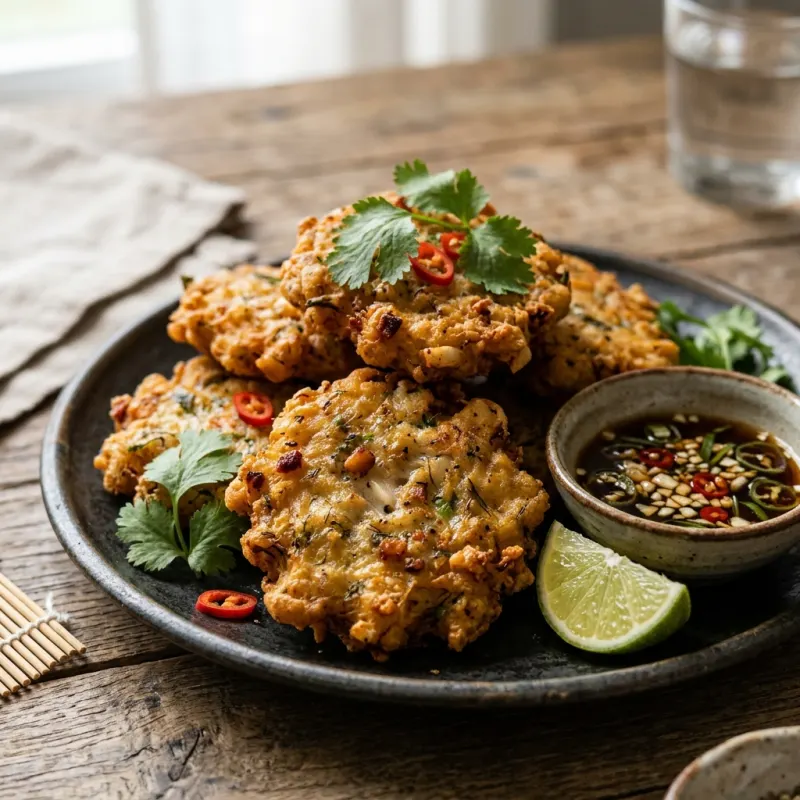
Chả Mực (Ha Long Hand-Pounded Squid Cakes) - Freshly caught cuttlefish is laboriously hand-pounded in traditional stone mortars until it reaches a dense, chewy paste blended with shallots, crushed black peppercorns, and fish sauce. The patties are deep-fried until golden and crisp on the outside while retaining a springy, juicy interior, traditionally served hot alongside steamed rice rolls (bánh cuốn) or sticky rice.
Golden-brown Ha Long Chả Mực hand-pounded squid cakes served on a ceramic platter with dipping sauce

Maya’s Final Checklist for Ha Long Bay

Logistics shouldn’t be the focus of your trip—the experience should. I’ve hand-vetted these essential partners to ensure your arrival, stay, and exploration are as smooth as an Athenian breeze.

Maya, the human travel expert at TravelingWiz, offering curated, non-AI expertise

Where to Stay

Compare accommodation options and choose a stay that suits your plans and budget.

Air Travel

Compare flight options and find a route that fits your plans.

Local Guides

Connect with local guides for personalized help planning and exploring.

Travel Protection

The “Engineer’s” rule: always have a backup. Secure your trip with a plan that covers every “what if” and unexpected change.

Car Rentals

Compare rental options and choose a car that suits your trip.

Visa Information

Don’t let paperwork slow you down. Get expert assistance with your application to ensure all your entry documents are in order.

FAQs

An overnight cruise (2 days/1 night or 3 days/2 nights) is strongly recommended over a day trip because it allows you to reach remote corners of the bay, witness dramatic sunrises over the karsts, and kayak when day-trippers have departed.
All three share the same dramatic karst geography; however, Ha Long Bay contains the most iconic caves and islands but higher boat traffic, while Bai Tu Long to the northeast and Lan Ha to the south offer quieter, less congested cruising routes.
Travelers typically take tourist limousine vans, private cars, or express buses via the Hanoi–Hai Phong–Ha Long Expressway, reducing the transit duration to approximately 2.5 to 3 hours from central Hanoi.
Most mid-range and luxury cruise itineraries include cave entry fees, guided excursions, and kayaking or bamboo boat rides, though you should verify specific cruise inclusions beforehand.

Your Insights Matter

TravelingWiz grows through the stories of our community. If you’ve recently explored ,Ha Long Bay share your tips and stories to help us perfect our guides for the next traveler.

Where should we send your offline card?

We hate spam just as much as you do

newsletter_consent *