Disclosure: This site contains affiliate links. We may earn a commission if you make a purchase, at no extra cost to you.
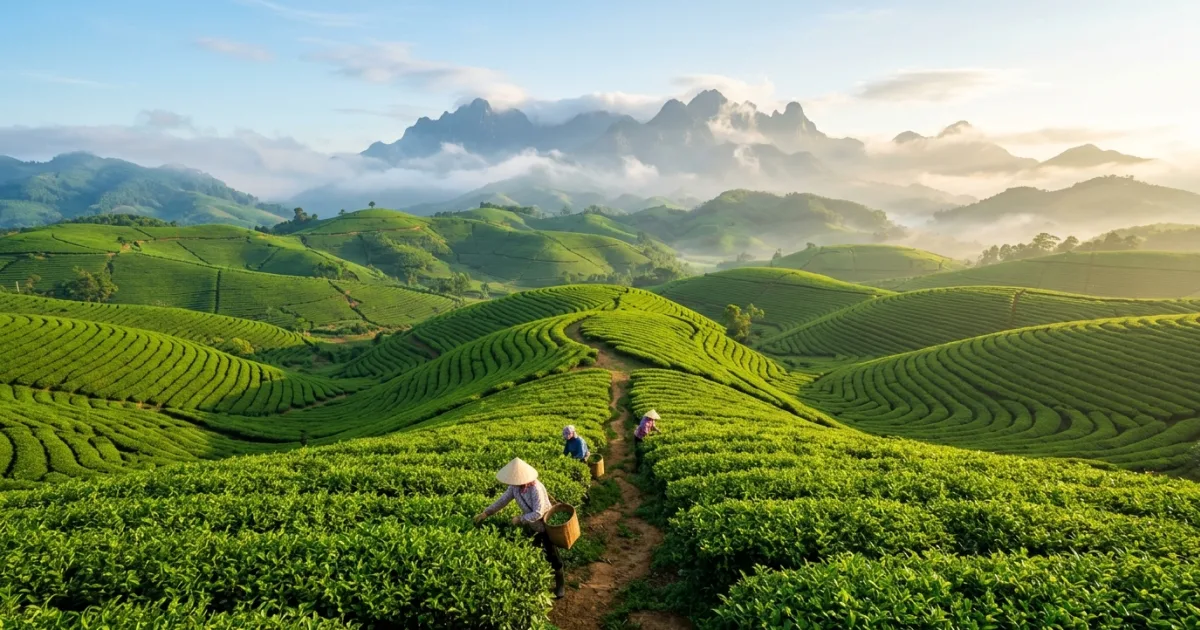
Panoramic view of emerald green tea plantations and distant mountains in Dai Tu, Thai Nguyen

Basic Info

COUNTRY & Region

Vietnam,
Asia

ACCESSIBILITY LEVEL​

  • High: Widely accessible with good facilities for disabilities.
  • Medium: Some accessible options, but limitations exist.
  • Low: Limited accessibility; many barriers for disabilities.
Medium

LOCAL CURRENCY​

Vietnamese Dong (VND)

Price Level

Low – budget‑friendly basics

Medium – moderate mid‑range costs

High – pricey lodging, dining & transport

Low

SAFETY LEVEL

5 shields = Excellent – very low crime or conflict.

4 shields = Safe – low risk, routine care.

3 shields = Relatively safe – use normal street smarts.

2 shields = Use caution – higher crime or periodic unrest.

1 shields = Avoid – active conflict or extreme danger.

Scores are derived from multi-year peace, homicide and security indices blended into a single 1-to-5 scale.

Recommended Duration

1-7 days, Full day

Dai Tu Overview & Key Highlights

Dai Tu is a scenic rural district situated in the western part of Thai Nguyen Province, nestled along the eastern slopes of the Tam Dao mountain range. Famous throughout Vietnam as an agricultural epicenter, the area is draped in rolling green hills, emerald tea plantations, and pristine freshwater streams fed by mountain runoffs. Travelers venture here to immerse themselves in peaceful countryside vistas, experience authentic northern tea culture, and escape the high-density urban corridors of Hanoi. Beyond its celebrated tea valleys, Dai Tu serves as a base for rugged nature exploration and ecotourism. Attractions like Cua Tu Stream offer adventurous trekking routes through dense forest canopies and natural rock slides, while the sprawling waters of Nui Coc Lake border the district's edge. Dai Tu presents an authentic slice of northern Vietnamese rural life, where local markets brim with fresh highland produce, artisanal green tea, and traditional community warmth.

Dai Tu Travel Guide: Logistics & In-Depth Tips

Dai Tu offers an authentic glimpse into the peaceful rhythm of agricultural life in northern Vietnam. Bordered by the lush slopes of the Tam Dao mountain range to the west and the expanding lake systems of Nui Coc to the south, the district is defined by gentle rolling hills blanketed in terraced tea bushes. It remains far removed from heavy commercial mass tourism, making it an idyllic retreat for travelers who crave unhurried natural beauty, fresh upland air, and genuine hospitality.

In addition to agricultural heritage, Dai Tu has emerged as an eco-adventure hotspot. Mountain runoff carves clean, rocky streams and hidden waterfalls through the district's backwoods. Adventure enthusiasts flock to Cua Tu, where multi-tier water courses permit hiking, swimming, and natural rock sliding. Whether wandering through early morning mist on an organic tea plantation or sharing tea with generational farmers, Dai Tu rewards those seeking meaningful connections with Vietnam's natural and cultural roots.

Reasons to Visit

  • Lush emerald tea terraces that rival the country's most iconic agricultural vistas
  • Thrilling hiking, natural water slides, and river wading along Cua Tu stream
  • Pristine rural atmosphere offering quiet respite from Vietnam's bustling urban centers
  • Insightful opportunities to learn traditional tea processing directly from artisan growers
  • Warm, genuine hospitality in community-focused mountain homestays

Things to Avoid

  • Avoid entering deep river gorges during sudden torrential rains due to hazardous flash floods.
  • Avoid wearing revealing attire when walking through residential ethnic minority villages and community shrines.
  • Do not pick tea leaves without explicit permission from plantation owners.
  • Avoid relying on credit cards or cashless mobile apps outside major towns.

Local Transportation Tips

Getting around Dai Tu is best accomplished by renting a motorbike or hiring a private local driver, as public transit within the district is sparse. Rural roads wind through rolling hills and are generally in good condition, though mountain trails to trailheads can be rocky and muddy after rain. Local motorcycle taxis (xe om) are available near central town junctions.

Travel Etiquette

  • Greet elders with a polite nod and use both hands when handing or receiving items like tea cups.
  • Remove your shoes before entering local homes, traditional homestays, and spiritual temples.
  • Always accept a cup of freshly brewed green tea when offered by hosts, as it represents rural northern hospitality.

Recommended Age Group

Dai Tu suits travelers based on their mobility and interest in rural and active pursuits.

  • Babies (0-2 years): Not Recommended. Mountain trails, uneven terrain, and limited pediatric infrastructure make it impractical for infants.
  • Kids (3-12 years): Neutral. Children who enjoy farm stays and wide-open green spaces will appreciate tea fields, but deeper mountain streams are too demanding.
  • Teens (13-19 years): Recommended. Perfect for active teenagers who enjoy outdoor adventures, wild swimming, and scenic photography.
  • Adults (20-64 years): Recommended. Excellent fit for hiking enthusiasts, tea lovers, nature seekers, and road trippers.
  • Seniors (65+ years): Neutral. Sightseeing around gentle tea hills is peaceful, but rugged stream hikes require considerable agility.

Accessibility Level: Medium

  • Paved primary roads run through major tea production hubs, enabling car-based scenic sightseeing.
  • Trekking pathways around Cua Tu stream and mountain trailheads are naturally rugged, rocky, and inaccessible for wheelchair users.
  • Local homestays and rural restaurants typically have standard steps without ramps or dedicated accessible restrooms.

Did You Know?

Thai Nguyen is often referred to as the 'cradle of Vietnamese tea,' and Dai Tu is one of the province's largest producers, cultivating signature tea varieties that have won national agricultural honors for their floral sweetness.

Cool Statistics

  • Over 6,000 hectares of lush tea plantations spread across Dai Tu district
  • Home to Cua Tu Stream, which features 7 distinct natural waterfall gates for exploration
  • Less than 2.5 hours travel time from central Hanoi

Address:

Dai Tu, Thai Nguyen, Vietnam

Find Nearby Accommodations

Electricity

220-240V, 
50Hz

Plug Type

Type A (Flat blade), Type C (Round pin)
Plug types
Click To View Plug Types
Dai Tu is part of our
Slow Travel & Nature collection

Activities To Do In Dai Tu

Best Time To Visit Dai Tu

Dai Tu features a humid subtropical climate with defined wet and dry seasons influenced by the northern monsoons.

  • October to December (Autumn): Ideal for travel; cooler temperatures, minimal rainfall, and crisp skies make this the finest season for trekking and visiting tea plantations.
  • March to April (Spring): Pleasant and green with spring tea harvests underway, though occasional light drizzles occur.
  • May to September (Summer): Hot and humid with peak rainfall; great for river swimming at Cua Tu, but mountain trails can be slippery and prone to sudden flash streams.

Average Temperatures Per Month

Average monthly temperaturesMonthly source values, with Celsius and Fahrenheit equivalents in the following data table.10°50°16°61°23°73°29°84°35°95°JanJan: 17°C / 63°FFebFeb: 18°C / 64°FMarMar: 21°C / 70°FAprApr: 24°C / 75°FMayMay: 27°C / 81°FJunJun: 29°C / 84°FJulJul: 29°C / 84°FAugAug: 28°C / 82°FSepSep: 27°C / 81°FOctOct: 24°C / 75°FNovNov: 22°C / 72°FDecDec: 17°C / 63°F
View temperature data
Average monthly temperatures
Month°C°F
Jan1763
Feb1864
Mar2170
Apr2475
May2781
Jun2984
Jul2984
Aug2882
Sep2781
Oct2475
Nov2272
Dec1763

Remember to check the weather forecast a few days before the trip and before heading to the airport.

Safety Level

5 shields = Excellent – very low crime or conflict.

4 shields = Safe – low risk, routine care.

3 shields = Relatively safe – use normal street smarts.

2 shields = Use caution – higher crime or periodic unrest.

1 shields = Avoid – active conflict or extreme danger.

Scores are derived from multi-year peace, homicide and security indices blended into a single 1-to-5 scale.

Dai Tu is peaceful and safe from urban crime, but nature trails present terrain hazards. Flash floods can occur unexpectedly along Cua Tu stream during heavy summer rains; never trek deep into ravines without a knowledgeable local guide. Wear helmets when riding motorbikes on mountain passes, and use mosquito protection against insect bites in forested areas.

The rating is based on multi-year peace, crime, and security indices. Before you go, always verify current conditions through official government travel advisories.

Emergency Numbers

Police: 113
Ambulance: 115

No internet needed • Includes local translations • Free for TravelingWiz readers

Spoken Languages

Vietnamese, with ethnic minority dialects (Tay, Nung, San Diu) spoken in surrounding hills. English is limited outside specialized homestays.
Travel Booking Partner - TravelingWiz

Learn The Language

  • Xin chào – Hello
  • Cảm ơn – Thank you
  • Bao nhiêu tiền? – How much does it cost?
  • Ngon quá – Very delicious
  • Trà xanh – Green tea
  • Làm ơn – Please
  • Vâng / Dạ – Yes
  • Tạm biệt – Goodbye

Trip Cost & Budgeting for Dai Tu, 2026

Everything you need to know about money while traveling
Is Dai Tu expensive for tourists in 2026? No, Dai Tu is a very affordable destination in northern Vietnam with Human Verified prices that keep travel costs remarkably low. Visitors can expect to pay around 35,000 VND for a coffee, 20,000 VND for a cold domestic beer, and 100,000 VND for a hearty main meal in a local restaurant. Use the data table below to calculate your specific daily budget based on your travel style.

LOCAL CURRENCY​:

Vietnamese Dong (VND)

Price Level:

Low – budget‑friendly basics

Medium – moderate mid‑range costs

High – pricey lodging, dining & transport

Low

Cards Vs. Cash

Cash is essential in Dai Tu as small businesses, markets, and local eateries rarely accept international credit cards.

How Much Cash to Carry (on you)

Per person, per day – pocket cash for small purchases.

Local: 95000
Vietnamese Dong (VND)
≈ 4 USD

Average Daily Costs (per person)

Full daily spend estimation (accommodation, food, transportation, attractions).

Travel Style
Vietnamese Dong (VND)
≈ USD ($)
Budget
522500
20
Mid-range
950000
37
Comfort
2090000
81
Note

The Prices, Daily costs, and calculator results are estimates for planning purposes only. Actual costs may vary based on season, booking timing, personal spending habits, and currency fluctuations. TravelingWiz cannot be held responsible for discrepancies between these estimates and your final trip expenses.

Best Value Tips

  • • Rent an automatic scooter locally to explore Nui Coc Lake and tea plantations instead of relying on private taxis.
  • • Dine at busy local family-run eateries for authentic Vietnamese dishes at a fraction of hotel restaurant prices.
  • • Carry smaller VND banknotes as street vendors and tea stalls often struggle to make change for 500,000 VND bills.
  • • Withdraw cash from major bank ATMs in Thai Nguyen city before heading into rural parts of Dai Tu district.

Tours & Tickets

Explore tours, attractions, and ticket options to plan your visit.
Plan ahead

Travel Offers & Coupons

Browse travel offers and coupons from our affiliate partners.
Affiliate partner offers

What To Pack

  • Sturdy hiking boots or water trekking shoes for stream navigation
  • Breathable, quick-dry activewear suitable for humid subtropical trails
  • High-strength insect repellent and natural bug spray
  • Lightweight waterproof dry bag for protecting electronics near waterfalls
  • Modest clothing covering shoulders and knees when visiting rural villages
  • Universal power adapter compatible with Type A and C sockets
Only the good stuff!
Browse recommended travel gear
Check out our free packing list tool

Recommended Itineraries for Traveling to Dai Tu

Take your itinerary with you

Choose a ready-made itinerary, plan your own trip, and keep TravelingWiz by your side while you travel.

Get the TravelingWiz app

Food & Drink Highlights

Local Food Overview

Dai Tu cuisine is rooted in fresh mountain agriculture and traditional northern Vietnamese home cooking. The district's crowning glory is its artisanal green tea (Che Dai Tu), prized for its sweet, mellow aftertaste and fragrant floral notes. Regional meals frequently feature free-range hill chicken (ga doi), stream fish grilled over open coals, crispy mountain pork, and dishes cooked with tender bamboo shoots. Local communal meals are served family-style alongside mountain herbs and seasonal greens.

Must Try Dish

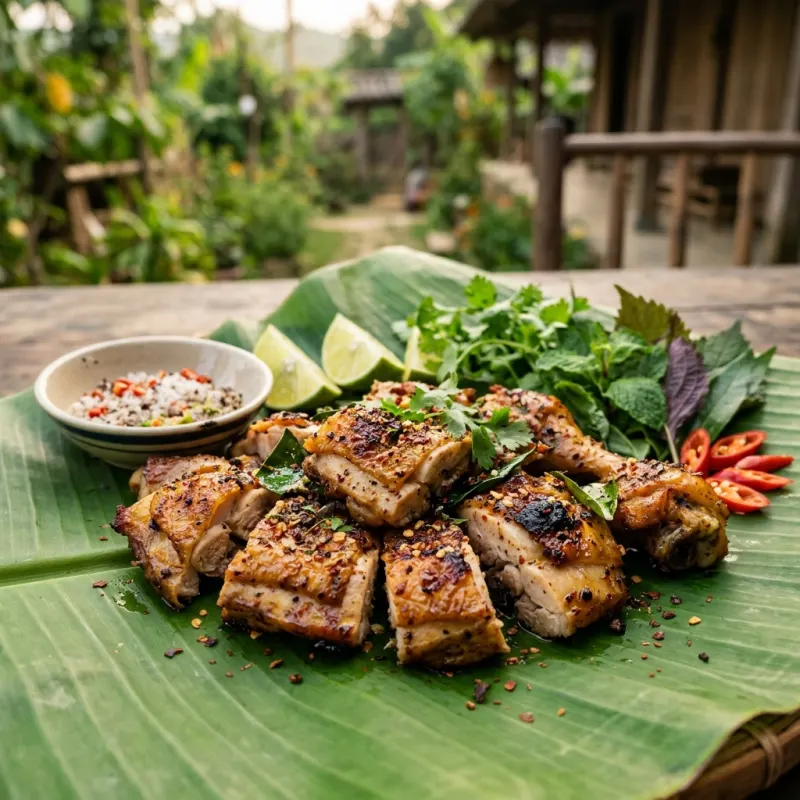
Ga Doi Nuong Mac Khen - Free-range hill chicken marinated with wild forest pepper (mac khen) and local herbs, grilled over charcoal to achieve crackling skin and tender, aromatic meat.
Vietnamese grilled mountain chicken served on banana leaves with wild spices

Maya’s Final Checklist for Dai Tu

Logistics shouldn’t be the focus of your trip—the experience should. I’ve hand-vetted these essential partners to ensure your arrival, stay, and exploration are as smooth as an Athenian breeze.

Maya, the human travel expert at TravelingWiz, offering curated, non-AI expertise

Where to Stay

Compare accommodation options and choose a stay that suits your plans and budget.

Air Travel

Compare flight options and find a route that fits your plans.

Local Guides

Connect with local guides for personalized help planning and exploring.

Travel Protection

The “Engineer’s” rule: always have a backup. Secure your trip with a plan that covers every “what if” and unexpected change.

Car Rentals

Compare rental options and choose a car that suits your trip.

Visa Information

Don’t let paperwork slow you down. Get expert assistance with your application to ensure all your entry documents are in order.

FAQs

Dai Tu is renowned for its vast, sculpted green tea hills and rugged outdoor destinations such as Cua Tu stream and the foothills of the Tam Dao mountain range.
Dai Tu is located approximately 90 kilometers north of Hanoi, taking around two to two and a half hours by car or motorbike via the Hanoi-Thai Nguyen expressway.
Cua Tu stream features multiple sections ranging from gentle walks to technical canyoning. Beginners should stick to Level 1 and always hire an experienced local guide to avoid slippery falls and flash floods.

Your Insights Matter

TravelingWiz grows through the stories of our community. If you’ve recently explored ,Dai Tu share your tips and stories to help us perfect our guides for the next traveler.

Where should we send your offline card?

We hate spam just as much as you do

newsletter_consent *