

Low – budget‑friendly basics
Medium – moderate mid‑range costs
High – pricey lodging, dining & transport
Disclosure: This site contains affiliate links. We may earn a commission if you make a purchase, at no extra cost to you.
Low – budget‑friendly basics
Medium – moderate mid‑range costs
High – pricey lodging, dining & transport
5 shields = Excellent – very low crime or conflict.
4 shields = Safe – low risk, routine care.
3 shields = Relatively safe – use normal street smarts.
2 shields = Use caution – higher crime or periodic unrest.
1 shields = Avoid – active conflict or extreme danger.
Scores are derived from multi-year peace, homicide and security indices blended into a single 1-to-5 scale.
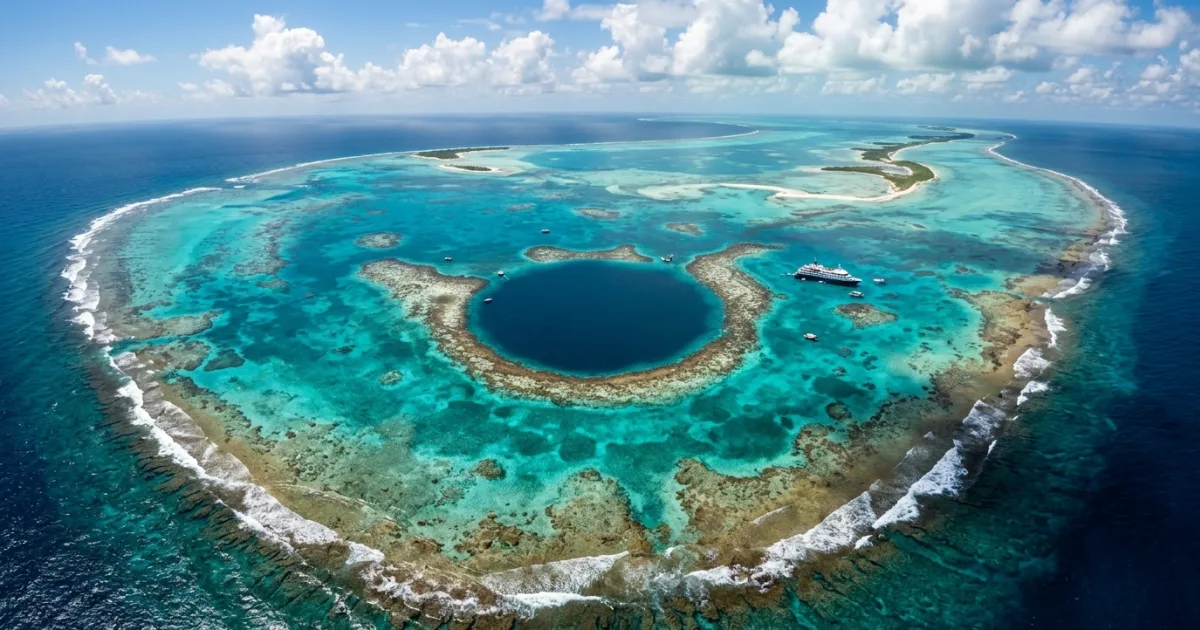
Lighthouse Reef is the easternmost of Belize's three coral atolls, situated approximately 50 miles (80 kilometers) southeast of Belize City. Spanning an area of roughly 30 miles long and 8 miles wide, the atoll encompasses shallow turquoise lagoons encircled by living barrier reefs, sand cays, and oceanic trenches. The atoll is globally renowned for hosting the Great Blue Hole, a giant marine sinkhole measuring 1,043 feet across and 407 feet deep, alongside protected ecological havens such as the Half Moon Caye Natural Monument, which shelters an internationally recognized nesting colony of red-footed boobies. Reaching Lighthouse Reef requires dedicated preparation, as access is predominantly via liveaboard dive vessels, specialized charter catamarans, or structured day boat tours departing from Ambergris Caye, Caye Caulker, or Belize City. Because the atoll features very limited permanent land-based tourism infrastructure, visitors experience an unspoiled marine wilderness with dramatic underwater drop-offs like the Half Moon Caye Wall and pristine patch reefs. Weather conditions dictate maritime navigation, making the dry, calm seas of late winter and spring the prime window for open-ocean exploration.
Lighthouse Reef represents one of the most intact coral atoll structures in the Western Hemisphere. Designated as part of the UNESCO World Heritage-listed Belize Barrier Reef Reserve System, the atoll spans approximately 200 square kilometers of shallow turquoise lagoon protected by an almost continuous ring of living barrier reef. The formation boasts dramatic underwater topographies ranging from vertical plunge walls dropping thousands of feet into the ocean abyss to shallow mangrove cays that act as vital nurseries for reef sharks and pelagic fish.
Beyond its underwater wonders, Lighthouse Reef possesses substantial terrestrial significance. Half Moon Caye, positioned at the southern tip of the atoll, was established in 1928 as Belize's first protected nature reserve to safeguard the nesting grounds of the white-phase red-footed booby. Today, managed by the Belize Audubon Society, the island serves as an exemplary model for low-impact scientific conservation, drawing researchers, birdwatchers, and elite divers seeking an authentic off-grid wilderness experience.
Transportation across Lighthouse Reef is entirely waterborne. Visitors arrive via organized multi-engine dive speedboats, private catamarans, or commercial liveaboard vessels from San Pedro, Caye Caulker, or Belize City. Transfers across the open sea take between 2 to 3 hours each way depending on maritime conditions. Once at the atoll, movement between dive moorings, Half Moon Caye, and Long Caye is managed exclusively via tender skiffs or small private launches.
Due to the remote location, extended open-ocean transit, and deep-water activities, Lighthouse Reef is best suited for experienced travelers and certified adventurers.
Jacques Cousteau made Lighthouse Reef globally famous in 1971 when he brought his research vessel, the Calypso, to the Great Blue Hole to chart its underwater cave systems, declaring it one of the top ten scuba diving sites on Earth.

Lighthouse Reef operates within a tropical marine climate characterized by distinct dry and wet seasons. Open-ocean accessibility depends heavily on maritime swells and wind patterns.
| Month | °C | °F |
|---|---|---|
| Jan | 26 | 79 |
| Feb | 26 | 79 |
| Mar | 26 | 79 |
| Apr | 27 | 81 |
| May | 28 | 82 |
| Jun | 28 | 82 |
| Jul | 28 | 82 |
| Aug | 28 | 82 |
| Sep | 28 | 82 |
| Oct | 28 | 82 |
| Nov | 27 | 81 |
| Dec | 26 | 79 |
Remember to check the weather forecast a few days before the trip and before heading to the airport.
5 shields = Excellent – very low crime or conflict.
4 shields = Safe – low risk, routine care.
3 shields = Relatively safe – use normal street smarts.
2 shields = Use caution – higher crime or periodic unrest.
1 shields = Avoid – active conflict or extreme danger.
Scores are derived from multi-year peace, homicide and security indices blended into a single 1-to-5 scale.
The rating is based on multi-year peace, crime, and security indices. Before you go, always verify current conditions through official government travel advisories.
No internet needed • Includes local translations • Free for TravelingWiz readers

Low – budget‑friendly basics
Medium – moderate mid‑range costs
High – pricey lodging, dining & transport
Per person, per day – pocket cash for small purchases.
Full daily spend estimation (accommodation, food, transportation, attractions).
Travel Style | Belize Dollar (BZD) | ≈ USD ($) |
|---|---|---|
Budget | 175 | 88 |
Mid-range | 320 | 160 |
Comfort | 700 | 350 |
The Prices, Daily costs, and calculator results are estimates for planning purposes only. Actual costs may vary based on season, booking timing, personal spending habits, and currency fluctuations. TravelingWiz cannot be held responsible for discrepancies between these estimates and your final trip expenses.
Choose a ready-made itinerary, plan your own trip, and keep TravelingWiz by your side while you travel.
Get the TravelingWiz app →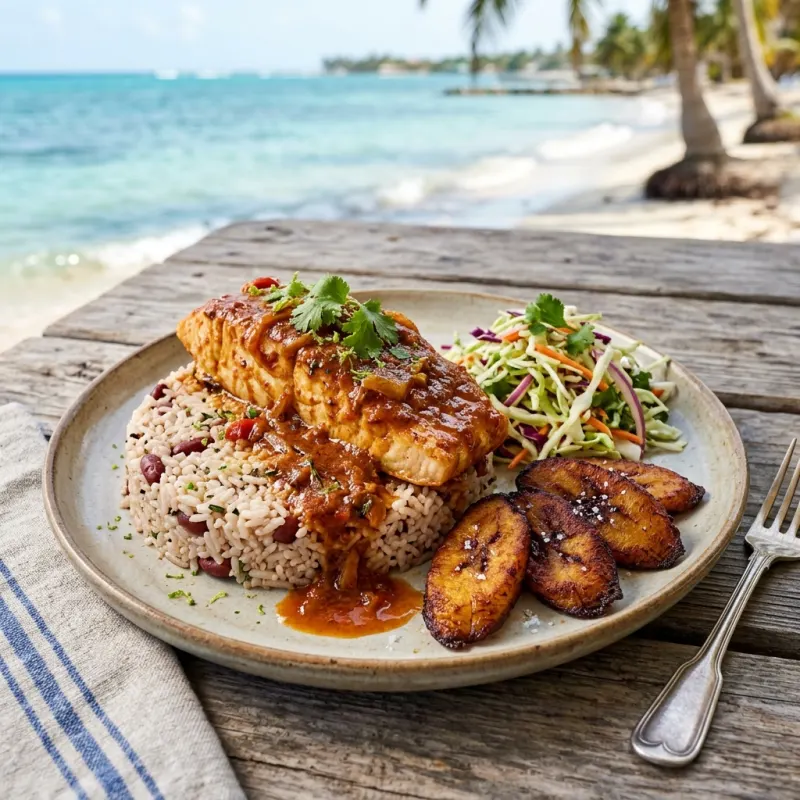
Discover cooking classes, tastings and local food tours
Logistics shouldn’t be the focus of your trip—the experience should. I’ve hand-vetted these essential partners to ensure your arrival, stay, and exploration are as smooth as an Athenian breeze.

Compare accommodation options and choose a stay that suits your plans and budget.
Connect with local guides for personalized help planning and exploring.
The “Engineer’s” rule: always have a backup. Secure your trip with a plan that covers every “what if” and unexpected change.
Don’t let paperwork slow you down. Get expert assistance with your application to ensure all your entry documents are in order.
Check out our related articles and blog posts to learn even more about the destination.
Share with your friends and family
