The Azuero Peninsula and Central Provinces represent the historical soul and folkloric roots of Panama. Geographically defined by the protrusion of land separating the Gulf of Montijo from the Gulf of Panama, this territory contains an exceptional mosaic of coastal dry forests, livestock pastures, rolling hills, and secluded Pacific bays. Provinces like Herrera and Los Santos preserve the intricate art of the pollera dress, artisan pottery, and vibrant religious pageantry.
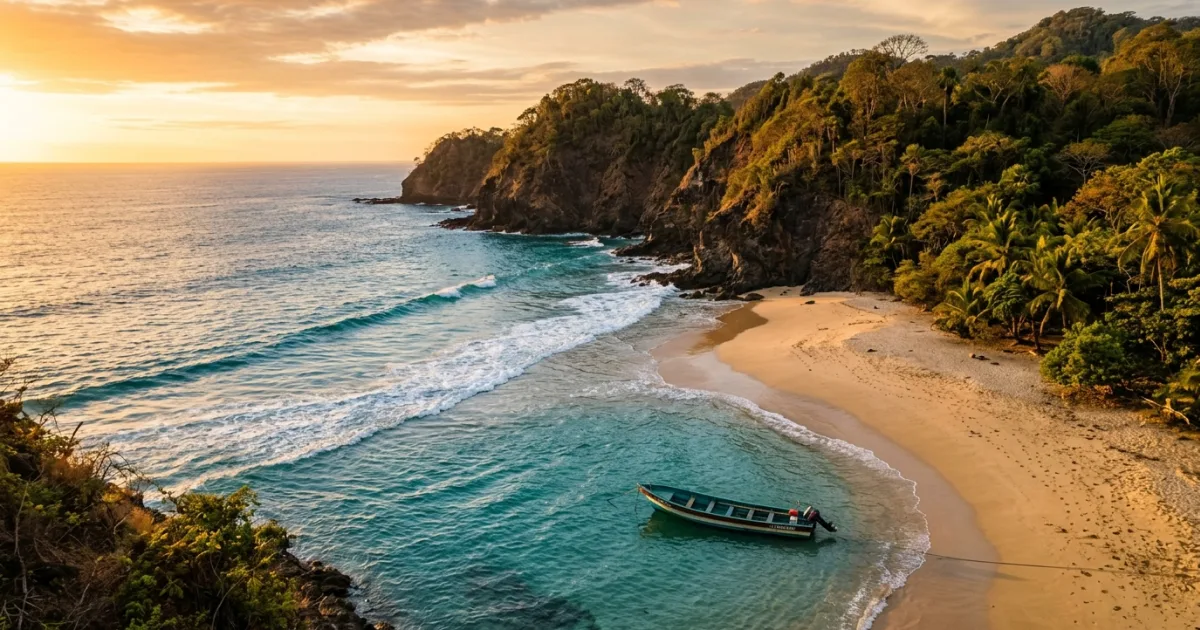
Simultaneously, the region has emerged as a premier nature and adventure corridor. The coastal strip around Pedasí, Playa Venao, and Cambutal offers world-class surfing, deep-sea sportfishing, and whale-watching expeditions. Wildlife refuges such as Isla Iguana and Isla Cañas provide sanctuaries for frigatebirds, green iguanas, and thousands of nesting sea turtles, making this destination a tranquil haven for travelers seeking both heritage and untamed nature.
Reasons to Visit
- Authentic folklore workshops creating handcrafted carnival masks, polleras, and leather drums.
- World-renowned surf breaks and laid-back oceanfront lifestyle at Playa Venao.
- Spectacular marine biodiversity at Isla Iguana Wildlife Refuge, featuring coral reefs and whale migrations.
- Historical colonial town squares with whitewashed walls, Spanish tile roofs, and centuries-old churches.
- Rich agritourism routes showcasing sugar cane processing, artisanal sea salt extraction, and traditional rum distilleries.
Things to Avoid
- Do not arrive in Las Tablas during Carnival without hotel reservations secured months in advance.
- Avoid touching the black coral or disturbing marine wildlife when snorkeling at Isla Iguana.
- Do not swim alone at remote Pacific beaches that have active rip currents and no lifeguards.
- Avoid relying purely on card payments in rural coastal villages where power or internet outages can disable card readers.
Local Transportation Tips
Public regional buses depart frequently from Panama City's Albrook Bus Terminal to regional transit hubs including Chitré, Santiago, and Las Tablas. From these provincial centers, smaller local minibuses (chivas) connect to coastal villages like Pedasí and Cañas. However, renting a car is strongly recommended for travelers wishing to explore remote beaches, artisan workshops, and national parks at their own pace.
Travel Etiquette
- Greet shopkeepers and residents with a warm 'Buenos días' or 'Buenas tardes' when entering establishments.
- Dress respectfully when visiting historic Catholic churches like the Church of Santa Librada in Las Tablas.
- Always ask permission before photographing local artisans or indigenous and mestizo craftspeople at work.
- Leave zero trace in nature preserves and take all personal trash back with you from isolated beaches.
Recommended Age Group
The Azuero Peninsula and Central Provinces offer a balanced mix of cultural discovery, calm colonial towns, and outdoor adventure suitable across generations.
- Babies (0-2 years): Neutral. The intense coastal heat and unpaved roads in remote areas require diligent planning, though towns like Chitré offer modern pediatric amenities.
- Kids (3-12 years): Neutral. Children will enjoy spotting iguanas and turtles, but long driving distances between points of interest require patience.
- Teens (13-19 years): Recommended. Surf lessons at Playa Venao, snorkeling excursions, and coastal hikes appeal directly to adventurous teenagers.
- Adults (20-64 years): Recommended. Perfect for road trips, artisan trails, surf retreats, culinary explorations, and coastal relaxation.
- Seniors (65+ years): Recommended. Gentle-paced historic towns, quiet boutique haciendas, and friendly cultural communities provide an accessible and enriching escape.
Accessibility Level: Medium
- Modern hotels and commercial centers in Chitré and Santiago feature flat entrances and elevator access.
- Historic cobblestone streets and older colonial churches in smaller towns may present uneven surfaces and high curb steps.
- Beach landings at Isla Iguana require wading through shallow surf onto the sand, which is not wheelchair accessible.
- Renting a private vehicle with adequate space is the most accessible way to navigate the region.
Did You Know?
The Azuero Peninsula is home to the Sarigua National Park, an enigmatic 8,000-hectare landscape often called Panama's desert, which represents some of the oldest pre-Columbian human settlements in Central America dating back over 11,000 years.
Cool Statistics
- Over 15,000 sea turtles arrive annually to nest along the shores of Isla Cañas.
- Playa Venao offers over 300 surfable wave days per calendar year.
- The town of La Arena produces more than 70% of Panama's traditional handmade clay pottery.






Buy a compatible power adapter for your trip