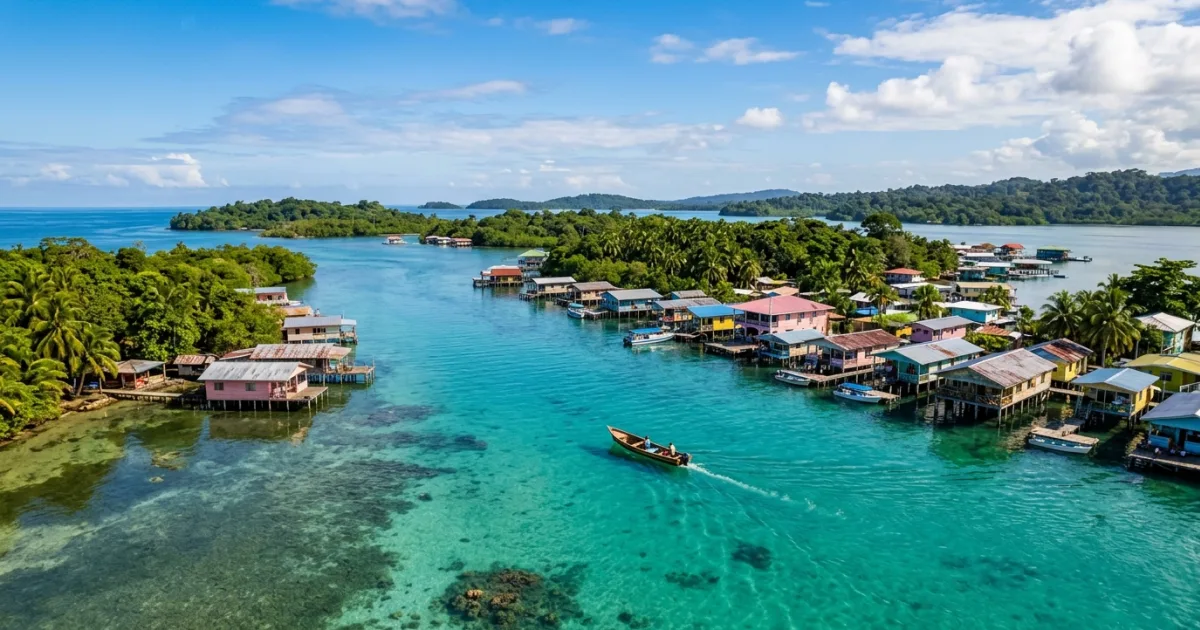
The Bocas del Toro Archipelago represents one of Central America's most ecologically diverse marine sanctuaries. Located in the northwest corner of Panama near the Costa Rican border, this tropical chain encompasses a complex network of mangrove ecosystems, ancient coral reefs, and dense coastal rainforests. Historical influences from Jamaican immigrant laborers, indigenous Ngäbe-Buglé communities, and early banana trade pioneers have forged a distinctive regional culture characterized by colorful timber architecture on stilts and unique bilingual dialects.
Today, Bocas del Toro stands out as a balanced eco-tourism destination. While Isla Colón offers bustling restaurants, waterfront dive shops, and accessible infrastructure, outer islands such as Isla Bastimentos and Isla San Cristóbal maintain off-grid serenity. Visitors can trek through primary forests to observe wild sloths and poison dart frogs, surf powerful reef breaks, or snorkel inside the protected waters of Cayos Zapatilla, establishing the archipelago as a premier Caribbean sanctuary.
Reasons to Visit
- Spectacular marine biodiversity featuring calm coral reefs ideal for snorkeling and scuba diving.
- World-class surf breaks suited for both novice wave runners and experienced big-wave riders.
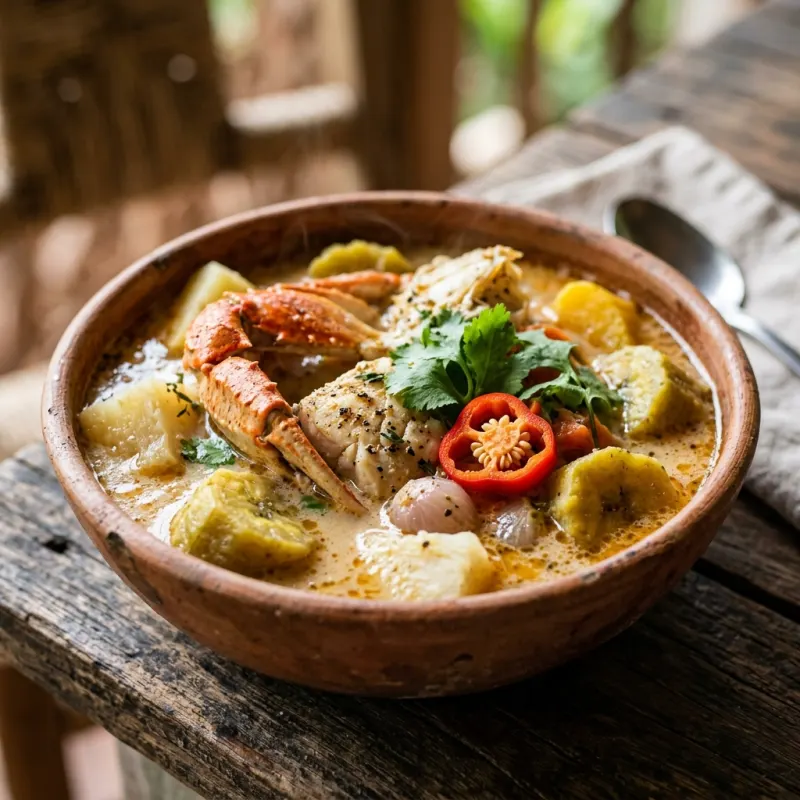
- Unique Afro-Antillean and Ngäbe-Buglé cultural fusion evident in local cuisine, dialect, and customs.
- Unspoiled natural reserves including Bastimentos Island National Marine Park and pristine mangrove labyrinths.
- Charming overwater architecture where lodging, bars, and transport sit directly on the Caribbean Sea.
Things to Avoid
- Avoid swimming at unprotected open-ocean surf beaches like Playa Bluff during high swell warnings due to fatal undertows.
- Avoid relying on a single ATM for funds; always travel to the islands with backup cash.
- Avoid touching or picking up orange and red starfish at Playa Estrella (Starfish Beach), as removing them from water suffocates them.
- Avoid hiring unbadged boat operators without life jackets on board.
- Avoid booking accommodations far from town docks without confirming their boat transfer schedules and water taxi costs.
Local Transportation Tips
Transportation across Bocas del Toro is dominated by open water taxis known as 'lanchas'. In Bocas Town on Isla Colón, you can easily walk or hail yellow pickup-truck taxis for travel to inland points or northern beaches like Playa Bluff ($5–$15 USD). Cruiser bicycles can be rented along Main Street for easy daily exploration. To travel between islands, visit official docks such as Taxi 25 or Boteros Bocatoreños to take affordable shared water taxis connecting Isla Colón with Carenero, Bastimentos, and mainland Almirante.
Travel Etiquette
- Greet shopkeepers and boat captains courteously with 'Buenos días' or 'Buenas tardes' before requesting service.
- Cover up swimsuits with shirts and shorts when walking through town centers away from beach areas.
- Always ask permission before photographing indigenous Ngäbe artisans or their children.
- Keep music and excessive noise down when staying near eco-resorts and wildlife corridors.
- Tip water taxi drivers a small amount ($1–$2 USD) when they assist with heavy luggage or provide personalized docking.
Recommended Age Group
Bocas del Toro caters exceptionally well to active travelers and nature enthusiasts, though its water-dependent transport requires careful planning for certain age brackets.
- Babies (0-2 years): Not Recommended. Constant water taxi transit, uneven wooden piers, high humidity, and biting sandflies make logistics difficult with infants.
- Kids (3-12 years): Neutral. Children who are confident swimmers will enjoy marine wildlife and calm shallows, but boarding open boats and limited medical facilities demand vigilance.
- Teens (13-19 years): Recommended. Perfect for active teenagers interested in learning to surf, snorkeling over reefs, exploring jungle trails, and discovering tropical marine ecosystems.
- Adults (20-64 years): Recommended. Highly rewarding for adventure travelers, couples, digital nomads, and groups seeking eco-lodges, diving, vibrant waterfront dining, and active outdoor pursuits.
- Seniors (65+ years): Neutral. Ideal for active seniors comfortable with boats, but low docks, boat stepping gaps, and unpaved jungle paths present physical challenges for travelers with mobility concerns.
Accessibility Level: Medium
- Mobility access is limited across the archipelago due to stepped wooden docks, tidal variations, and open-boat boarding.
- Isla Colón possesses flat, paved streets in Bocas Town, allowing basic wheelchair navigation along central avenues.
- Most outer-island eco-lodges feature elevated boardwalks, rough stone paths, and unpaved sand trails with stairs.
- Specialized wheelchair-accessible water taxis are currently unavailable; travelers must transfer manually from docks into boats.
- Visitors with mobility limitations should arrange stays at barrier-free resorts located on Isla Colón with road connectivity.
Did You Know?
The Isla Bastimentos National Marine Park was Panama's very first national marine park, created in 1988 to safeguard critical ecosystems of coral reefs, white sand beaches, and thriving mangrove forests.
Cool Statistics
- Comprises 9 major islands, 52 cays, and hundreds of tiny mangrove islets.
- Home to more than 95% of the Caribbean's known coral species.
- Hosts endemic Strawberry Poison Dart Frogs that display different distinct color morphs on each separate island.






Buy a compatible power adapter for your trip