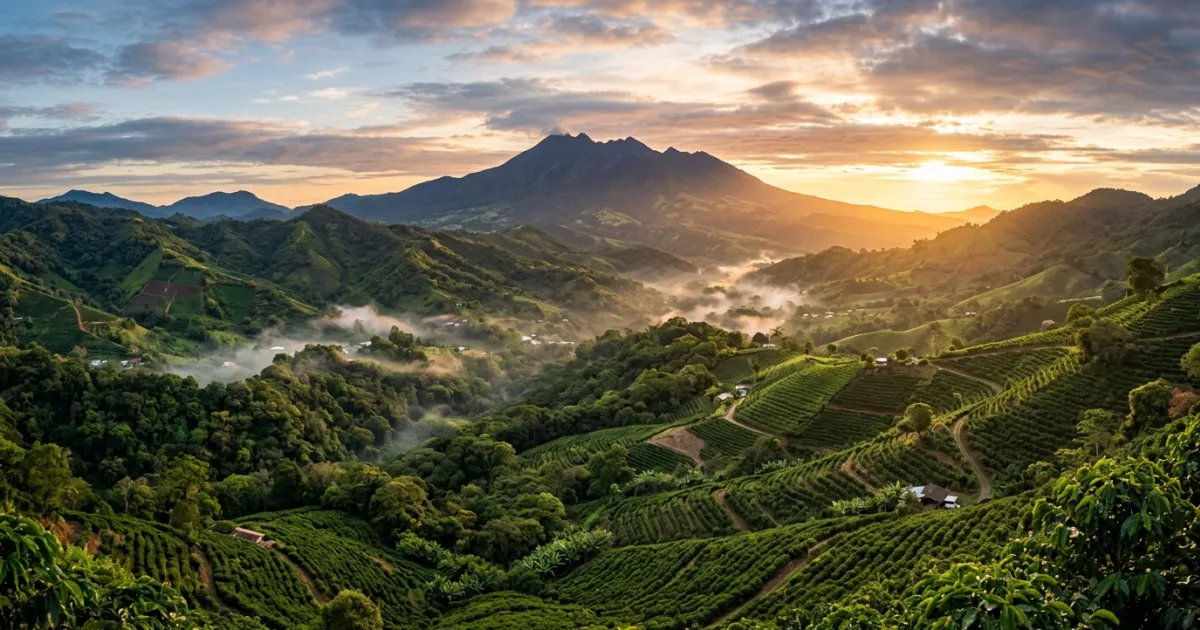
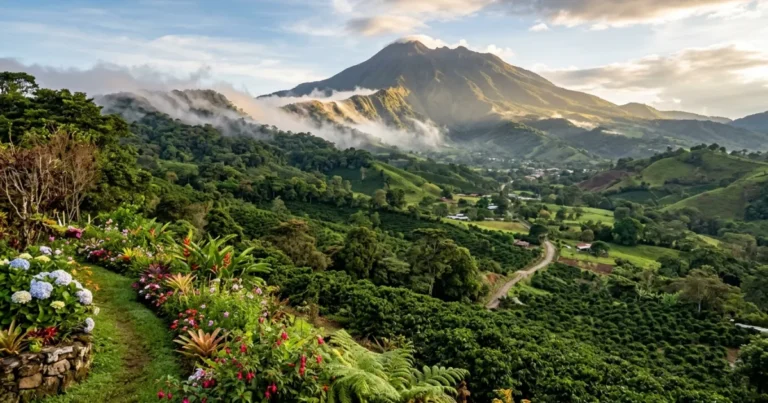
Chiriquí and the Western Highlands represent the geographical spine of western Panama, reaching upward along the Cordillera de Talamanca. Dominated by Volcán Barú—Panama's highest point at 3,474 meters—the terrain ranges from rolling agricultural plateaus and dramatic river canyons to dense, moisture-laden cloud forests blanketed in moss and bromeliads. Unlike the tropical heat that dominates much of the country, this high-elevation zone enjoys an eternal spring climate with daytime temperatures hovering comfortably between 18°C and 24°C (64°F–75°F).
Historically settled by indigenous Ngäbe and Buglé populations, followed by Swiss, German, and North American immigrants, the highlands evolved into the agricultural breadbasket of Panama. Today, towns like Boquete, Cerro Punta, and Volcán seamlessly blend traditional farming heritage with active mountain tourism. Travelers come to navigate white-water rapids, hike remote trails like the Sendero Los Quetzales, soak in thermal volcanic springs, and immerse themselves in the world's most sophisticated specialty coffee farms.
Reasons to Visit
- Summiting Volcán Barú at dawn to witness simultaneous panoramic views of the Pacific Ocean and Caribbean Sea.
- Tasting award-winning Panama Geisha coffee directly at historic, high-altitude family fincas.
- Hiking pristine cloud forest reserves home to the vibrant Resplendent Quetzal and hundreds of exotic orchid species.
- Enjoying crisp, cool mountain temperatures that offer a refreshing break from tropical coastal heat.
- Experiencing white-water rafting, zip-lining canopy tours, and canyon rappelling along pristine highland rivers.
Things to Avoid
- Avoid attempting the night summit of Volcán Barú without warm, windproof layers, as temperatures frequently drop near freezing at the peak.
- Avoid hiking unmarked trails deep in the cloud forests without an experienced local guide, as sudden fog can quickly eliminate trail visibility.
- Do not rely solely on digital payment methods outside of Boquete and David; smaller rural vendors require cash.
- Avoid booking outdoor activities during mid-afternoon hours in the rainy season without having wet-weather backup plans.
Local Transportation Tips
Getting around the Western Highlands is straightforward and affordable. The provincial hub of David serves as the primary regional transit station, operating regular coaster buses and minibuses to Boquete, Volcán, and Cerro Punta every 15 to 30 minutes for modest fares between $2 and $5 USD. For direct travel between mountain towns without returning to David, renting a 4WD or high-clearance SUV provides maximum autonomy, particularly when navigating rugged farm roads or accessing remote trailheads. Within towns like Boquete, ubiquitous yellow taxis offer shared or private rides starting at $1.50 to $3.00 USD.
Travel Etiquette
- Greet shopkeepers, drivers, and fellow hikers with a polite 'Buenos días' or 'Buenas tardes' before asking questions.
- Ask for permission before taking photographs of indigenous Ngäbe women and children dressed in traditional vibrant naguas.
- Tip coffee cuppers and trekking guides 10% to 15% for attentive, expert educational service.
- Respect leave-no-trace wilderness ethics strictly within national parks and watershed reserves.
Recommended Age Group
The Western Highlands provide dynamic experiences across generations, though trail terrain and elevation demand careful planning for very young travelers.
- Babies (0-2 years): Neutral. The cool mountain air and peaceful farm lodges are relaxing, but rocky, steep trails and winding roads require baby carriers rather than strollers.
- Kids (3-12 years): Recommended. Children thoroughly enjoy hanging bridges canopy walks, strawberry farm harvesting, butterfly gardens, and river horseback rides.
- Teens (13-19 years): Recommended. High-adrenaline activities such as white-water rafting, canopy ziplining, mountain biking, and technical trail hiking appeal strongly to active teenagers.
- Adults (20-64 years): Recommended. Ideal for trekking enthusiasts, specialty coffee connoisseurs, craft beer lovers, and travelers seeking wellness and ecotourism.
- Seniors (65+ years): Recommended. Outstanding mild climate, high-standard healthcare services, accessible garden tours, botanical walks, and comfortable boutique mountain lodges make this an appealing slow-travel haven.
Accessibility Level: Medium
- Central Boquete offers mostly paved town sidewalks, though curb ramps and consistent pavement conditions vary.
- Canopy hanging bridge excursions and select high-profile coffee tour centers feature graded gravel paths suitable for guests with reduced mobility, though powered wheelchair access remains limited.
- Accessible private transport and wheelchair-adapted van transfers can be arranged with advance notice through specialized operators in David and Boquete.
- Most wilderness hiking trails involve steep ascents, tree roots, and mud, requiring reliable physical stamina and stability.
Did You Know?
In 2023, a single pound of Chiriquí-grown Panama Geisha green coffee beans sold at the Best of Panama auction for an astonishing world-record price exceeding $10,000 USD, cemented by the region's unique high-altitude volcanic terroir.
Cool Statistics
- 3,474 meters: The peak elevation of Volcán Barú, the highest geological landmark in Panama.
- Over 500: Documented bird species inhabiting Chiriquí's cloud forests, making it a world-renowned birding paradise.
- 80%: Percentage of Panama's fresh temperate vegetables and high-grade specialty coffee cultivated within the Western Highlands.







Buy a compatible power adapter for your trip