Colon anchors the Caribbean entrance of the world-famous Panama Canal. Established in 1850 on Manzanillo Island as the Atlantic terminal for the Panama Railroad, the city rapidly grew during the California Gold Rush and subsequent French and American canal construction epochs. Today, Colon remains a major commercial shipping capital, housing the Colon Free Trade Zone (Zona Libre de Colón), the largest free port in the Western Hemisphere.
Beyond its active cargo docks and port terminals, Colon Province holds ecological and historical marvels. Surrounding tropical preserves shield the dramatic fortress ruins of San Lorenzo Real del Chagres, a UNESCO World Heritage site standing guard over the mouth of the historic Chagres River. The area provides an indispensable perspective on global maritime trade, transatlantic colonial defenses, and rich Afro-Panamanian cultural traditions.
Reasons to Visit
- Agua Clara Visitor Center: Witness massive container vessels transit the modern Neo-Panamax locks from elevated jungle-view observation terraces.
- Fort San Lorenzo: Walk the cliffside Spanish battlements overlooking the Chagres River, surrounded by the pristine rainforests of San Lorenzo National Park.
- Historic Portobelo: Journey east along the Caribbean coast to explore colonial customs buildings and Spanish artillery forts steeped in pirate lore.
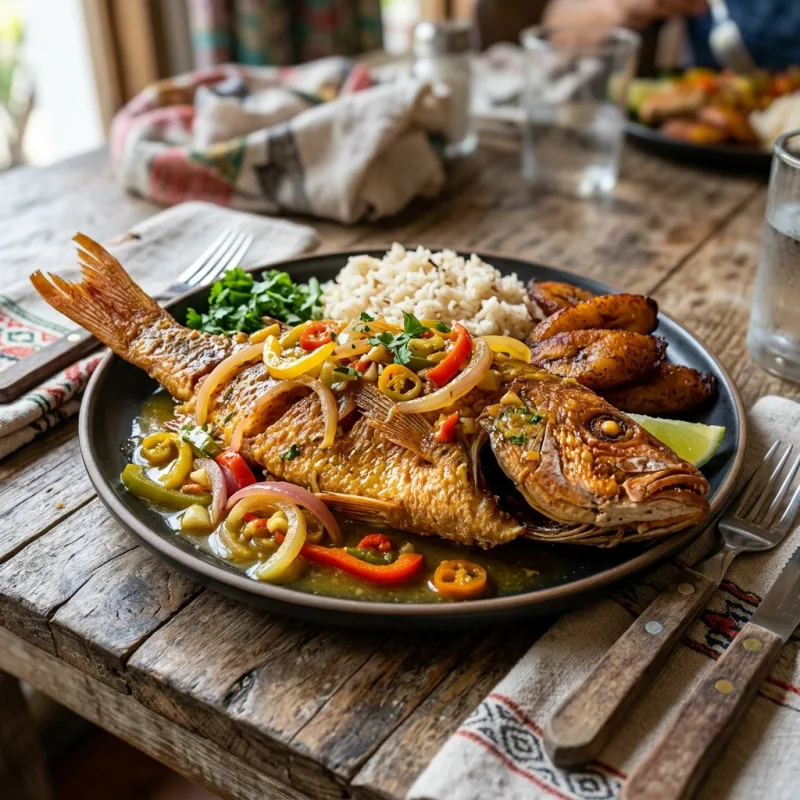
- Afro-Caribbean Gastronomy: Sample genuine coastal cooking seasoned with coconut, Scotch bonnet chilies, and fresh seafood.
- Panama Canal Railway: Experience one of the world's most scenic historic train journeys connecting the Pacific and Atlantic oceans.
Things to Avoid
- Avoid walking through downtown Colon streets (especially Barrios Norte and Sur) on foot or exploring alone after dark.
- Do not hire unvetted street taxis outside secure transport zones; use hotel dispatch or official port stands.
- Avoid flashing visible electronics, expensive jewelry, or thick wads of cash in public spaces.
- Do not assume the entire province shares the city's urban conditions; coastal national parks and Portobelo have vastly different atmospheres.
Local Transportation Tips
Transport within Colon requires deliberate selection. For urban travel, use pre-arranged private drivers, hotel-booked tourist taxis, or cruise terminal transfer shuttles. For travel between Panama City and Colon, the toll highway (Autopista Panamá-Colón) provides a smooth one-hour transit by private car or bus. The historic Panama Canal Railway operates weekday passenger trips offering scenic views of Gatun Lake and the canal cutting.
Travel Etiquette
- Always greet locals with a polite 'Buenos días' or 'Buenas tardes' before requesting directions or services.
- Dress modestly and casually; avoid flamboyant displays of wealth in public areas.
- Ask for permission before taking photographs of local residents, especially in fishing communities and market zones.
- Tipping 10% in sit-down restaurants is customary if a service charge is not already added to the bill.
Recommended Age Group
Colon's attractions cater best to mature travelers and active adventurers focused on history and maritime engineering, requiring situational mindfulness.
- Babies (0-2 years): Not Recommended. High tropical humidity, uneven historical ruins, and logistical precautions make navigation challenging with toddlers.
- Kids (3-12 years): Neutral. Children fascinated by massive ships will enjoy the interactive projection rooms and observation decks at Agua Clara, though caution is required around un-railed cliff ruins at Fort San Lorenzo.
- Teens (13-19 years): Recommended. High-school-age travelers generally appreciate the engineering magnitude of the canal and the pirate history surrounding the Spanish forts.
- Adults (20-64 years): Recommended. Ideal for travelers intrigued by industrial history, historic fortresses, coastal birdwatching, and authentic Afro-Caribbean culture.
- Seniors (65+ years): Recommended. Perfect for mature travelers using guided air-conditioned coaches and accessible viewing platforms at the Agua Clara visitor complex.
Accessibility Level: Medium
- The Agua Clara Locks Visitor Center is fully wheelchair accessible with concrete ramps, elevators, wide paved observation walkways, and accessible restroom facilities.
- Fort San Lorenzo and historic coastal sites feature unpaved gravel trails, steep grassy ramparts, and uneven cobblestones that present challenges for manual wheelchairs.
- Cruise port facilities at Colon 2000 are modern, flat, and ADA compliant.
- Public street pavements in downtown Colon are frequently broken or obstructed, making urban pedestrian exploration inaccessible.
Did You Know?
Fort San Lorenzo, located just west of Colon, was sacked by the notorious privateer Sir Henry Morgan in 1670 before he marched across the isthmus to burn and pillage Old Panama City (Panamá Viejo) on the Pacific shore.
Cool Statistics
- 1850: Year Colon was founded under the original name Aspinwall by American railway builders.
- 80,000,000: Gallons of water gravity-fed to fill each lock chamber during a standard canal ship transit.
- 2nd Largest: The Colon Free Trade Zone is the second-largest duty-free commercial zone in the world, following Hong Kong.






Buy a compatible power adapter for your trip